Owners of large parcels tend to arrive at a valuation with a simple expectation: more land, more value, roughly in proportion. It is an intuitive assumption and it is not how the analysis works. Land contributes to value in ways that are lumpy, situation-specific, and frequently much less than proportional - and on a town with the range of lot sizes and terrain Claremont has, the gap between expectation and conclusion can be large.
Land is valued as a site, not by the square foot
An appraiser reasons about the site: what a buyer would pay for this parcel, in this location, with these characteristics, given what can be done with it. That is not a per-unit calculation, and the reason is buyer behaviour. Buyers do not price land linearly. A generous, usable yard is a meaningful upgrade over a small one. A yard four times larger than that is usually not four times better to the household that will live there, and beyond a point the additional area attracts maintenance obligations rather than enthusiasm.
So value per unit of area typically declines as parcels get larger, which is why an owner comparing their acreage to a neighbour's and multiplying is reliably disappointed.
Excess land and surplus land
Appraisers distinguish between two kinds of extra ground, and the distinction decides how it is treated.
SURPLUS LAND is additional area that cannot be separately developed or sold - it supports the existing improvement and adds amenity, but it has no independent use. It is credited as a site characteristic, and typically at a modest rate.
EXCESS LAND is area that could be separated and put to its own use: a parcel that could be split under current zoning, or a portion with independent development potential. That is a genuinely different proposition, and it can be valued on a different basis because a buyer could realise it.
Whether a given parcel holds excess land is a zoning and land-use question, not an opinion. Minimum lot size, frontage requirements, access, utility availability, topography, and local subdivision procedure all bear on it, and the authoritative answer comes from the city planning department for the specific parcel. Assuming a division is possible because the ground looks big enough is one of the more expensive assumptions in real estate.
What actually moves site value here
USABILITY BEATS AREA. Flat, contiguous, accessible ground is worth more than the same area on a slope or split by a drainage feature. A large parcel that is mostly unusable slope contributes far less than the number suggests.
SHAPE MATTERS. Irregular parcels, deep narrow lots, and flag lots carry practical constraints on siting, privacy, and access. The area figure does not capture any of that.
TOPOGRAPHY CUTS BOTH WAYS. Slope can deliver a view, which is a real and sometimes substantial contributor, and it can equally deliver construction difficulty and maintenance burden. Which effect dominates is property-specific, and it is one of the hardest judgements in local appraisal work - the view-home article deals with the version of this problem on the hillside.
WHAT THE ZONING PERMITS. Development potential is value only where it is legally realisable. An accessory dwelling unit, an additional structure, or a division are all subject to current rules, and current rules in California have moved repeatedly in recent years. Verify with the city rather than relying on what was true a few years ago; how an accessory unit is then treated in the analysis is covered in the accessory unit article.
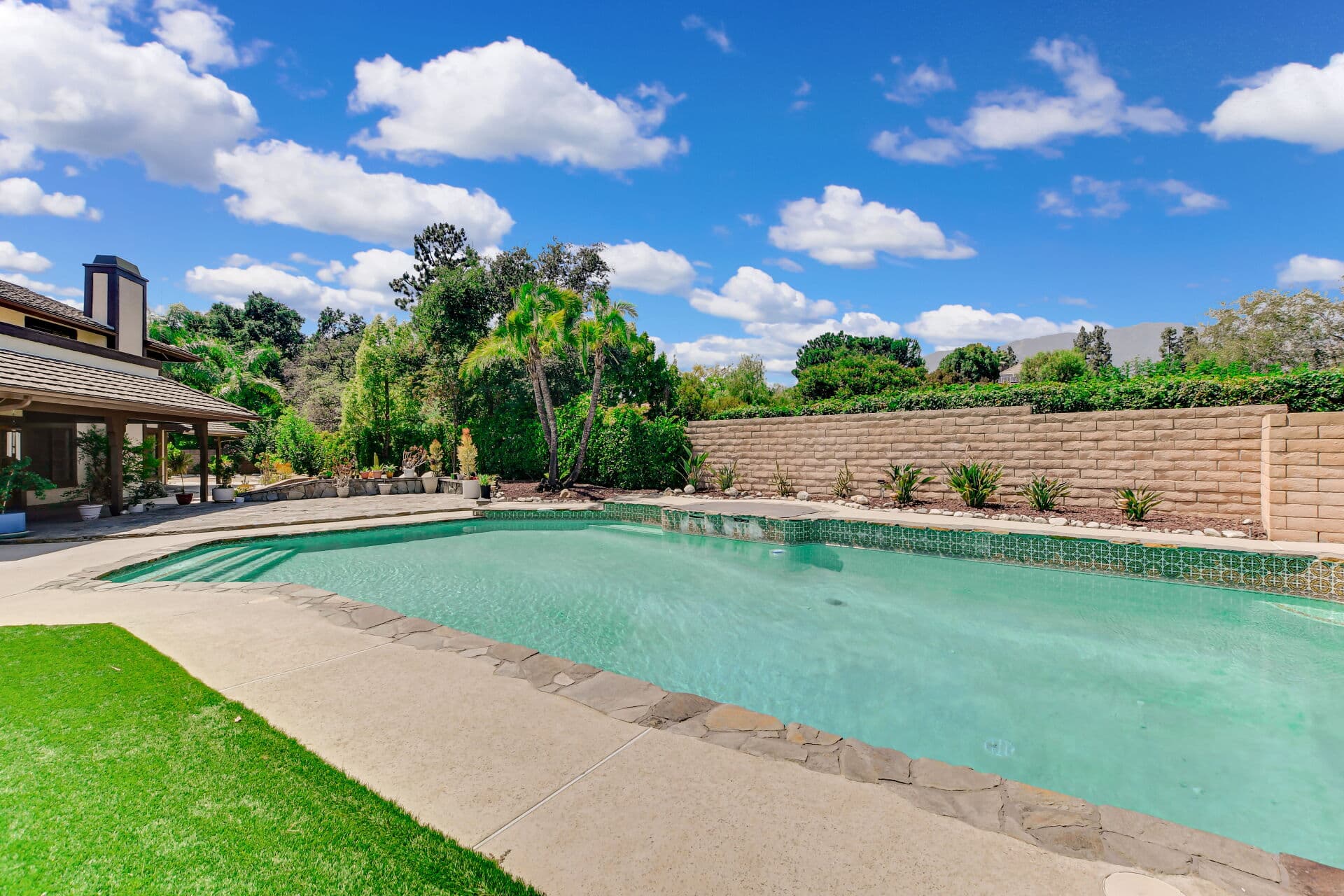
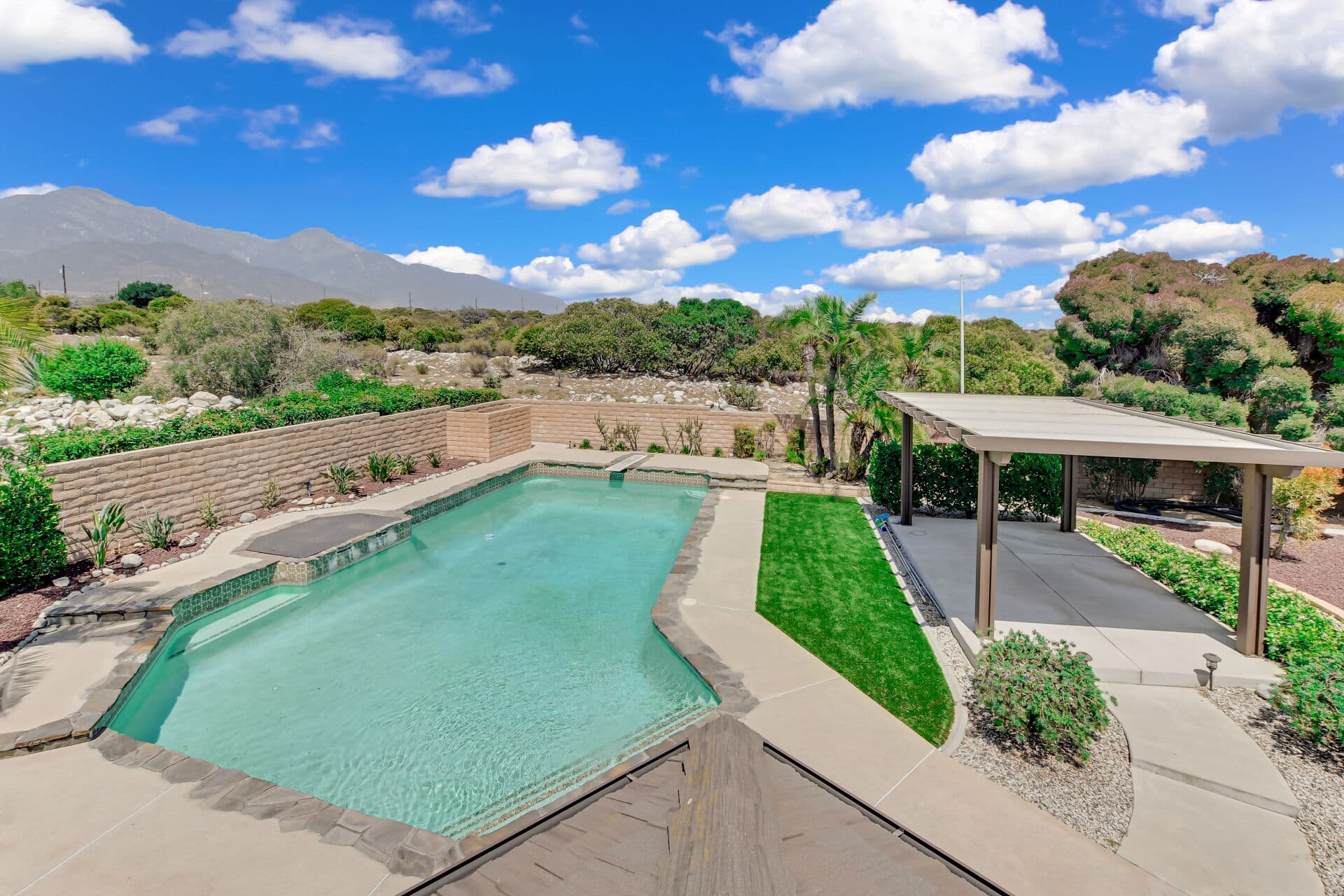
OUTBUILDINGS AND SITE IMPROVEMENTS. Barns, workshops, pools, extensive hardscape, mature landscaping. All described, all valued according to what buyers in this market actually pay for them, which is often well below what they cost.
The comparable problem, intensified
The general difficulty of finding comparable sales in a low-turnover town becomes acute on unusual parcels. There may be very few recent sales of similarly sized, similarly configured properties nearby, which forces the appraiser to reach further in time or distance, or to rely more heavily on adjustments. The wider version of that problem is the subject of the comparable sales article, and large-parcel work is where it bites hardest.
Two consequences follow. The range of defensible conclusions is wider, so two appraisers can differ without either being careless. And the supporting evidence an owner supplies carries more weight than usual, because there is less market data doing the work.
What to have ready
A current parcel map and legal description. Any survey you hold. Documentation of easements, rights of way, or access arrangements, which materially affect usability and are frequently missed. Permit records for outbuildings and site improvements. Any planning correspondence about development potential, which is far more valuable than a recollection of what someone once said was possible. And practical access on the day: an appraiser cannot describe ground they could not reach, which on a large or steep parcel takes arranging rather than assuming.
The general preparation checklist still applies on top of that, and it is in the preparation guide.
Pricing one of these
Large and unusual parcels are precisely the properties where pricing is a real analytical exercise rather than a comparison. The buyer pool is narrower, the motivations are more varied - some buyers want the land, some tolerate it - and the evidence base is thinner. Getting the analysis right before marketing matters more here than on a conventional home.
Anthony prepares a comparative market analysis that accounts for site characteristics, usability, and what the local buyer pool actually pays for land, and coordinates independent, state-licensed appraisers where a formal appraisal is required; the appraiser's site analysis and conclusion are the appraiser's own, and no agent performs or influences them. Anthony Grynchal has been licensed in California since November 2009.
For the rest of the cluster, start at the appraisal guide, and read the comparable-sales article next, since thin data is the constraint underneath almost every large-parcel valuation here.
Frequently asked questions
Does a bigger lot mean a proportionally higher appraisal?
Rarely. Appraisers value the site as a whole rather than by a per-unit rate, and buyers do not price land linearly. Value per unit of area typically declines as parcels get larger, because additional ground beyond a comfortable yard often reads as maintenance rather than benefit.
What is the difference between excess and surplus land?
Surplus land supports the existing home and adds amenity but cannot be separately developed or sold, so it is credited modestly. Excess land could be separated and put to its own use under current zoning, which is a genuinely different proposition and can be valued on a different basis.
Can I assume my large lot could be subdivided?
No. Whether a division is possible depends on minimum lot size, frontage, access, utilities, topography, and local subdivision procedure. The authoritative answer for a specific parcel comes from the city planning department, and it should be confirmed rather than assumed.
Why do appraisals on large parcels vary so much?
Because there are few recent sales of similarly sized and configured properties nearby, so the appraiser must reach further in time or distance and lean harder on adjustments. That widens the range of defensible conclusions and makes the owner's supporting documentation unusually valuable.

Written by
Anthony Grynchal
Anthony Grynchal is a California real estate professional with eXp Realty, licensed since November 2009 (California DRE# 01873626), and the Designated Local Expert™ for Claremont — where he has lived for more than 33 years.
More about AnthonyPublished · Updated