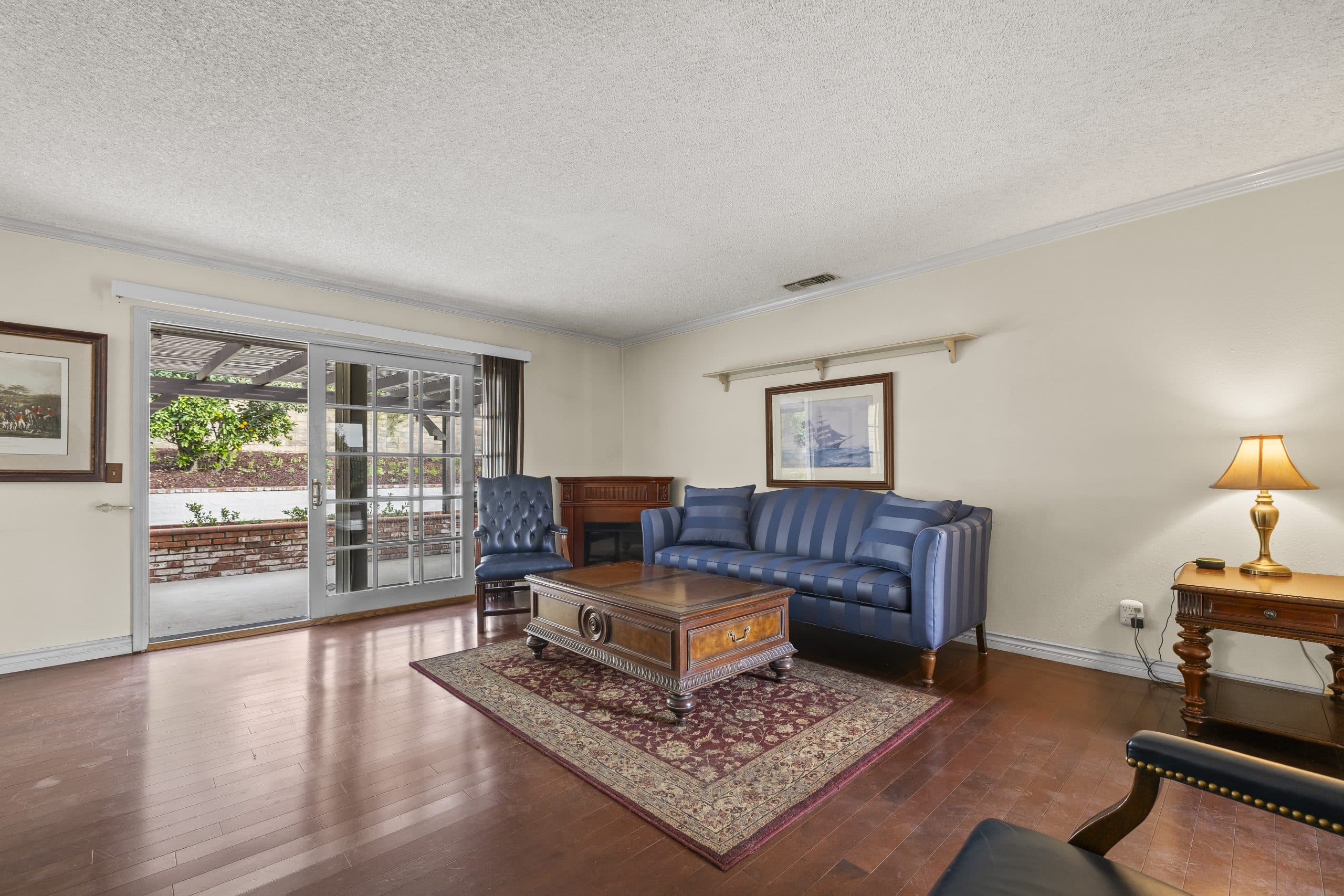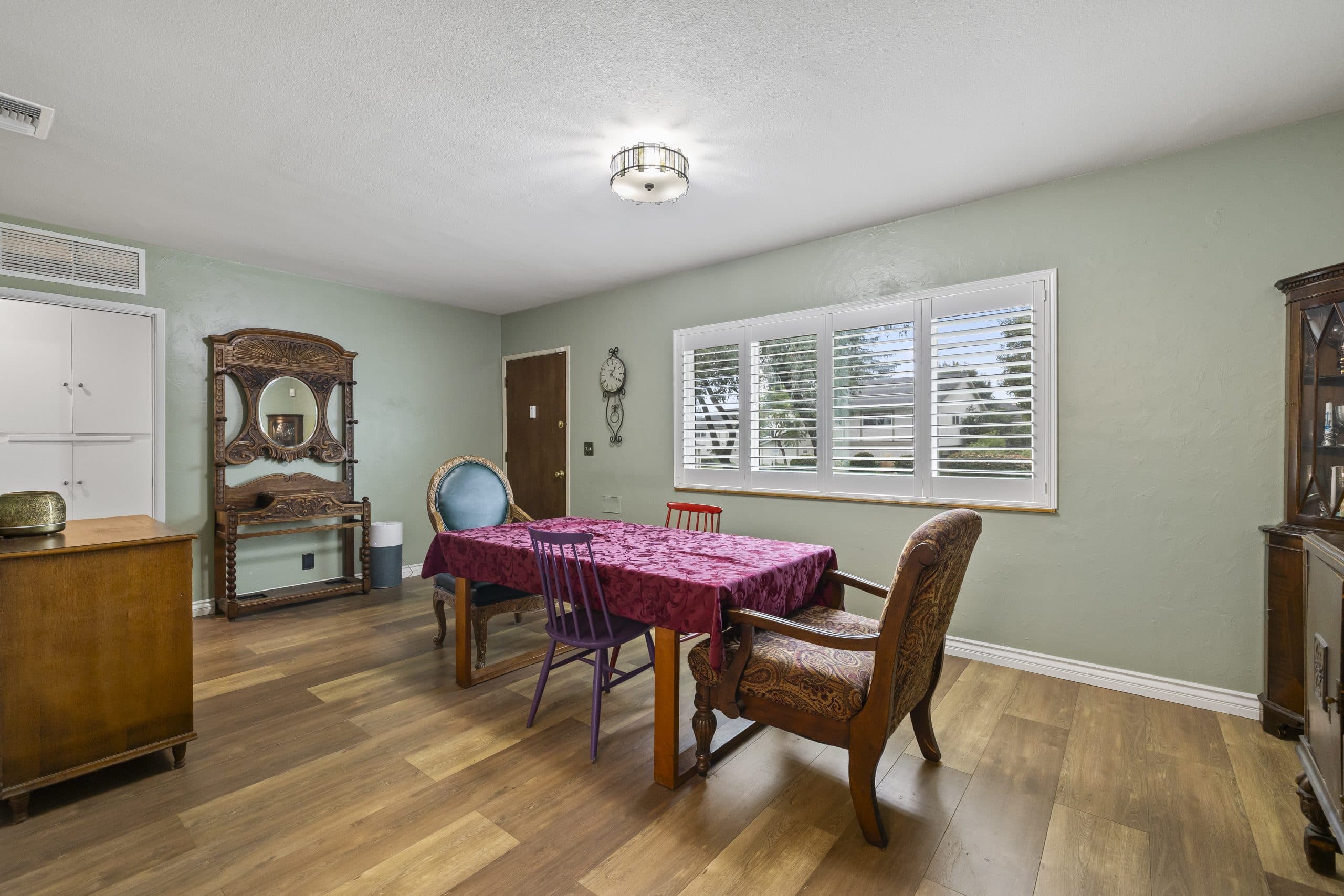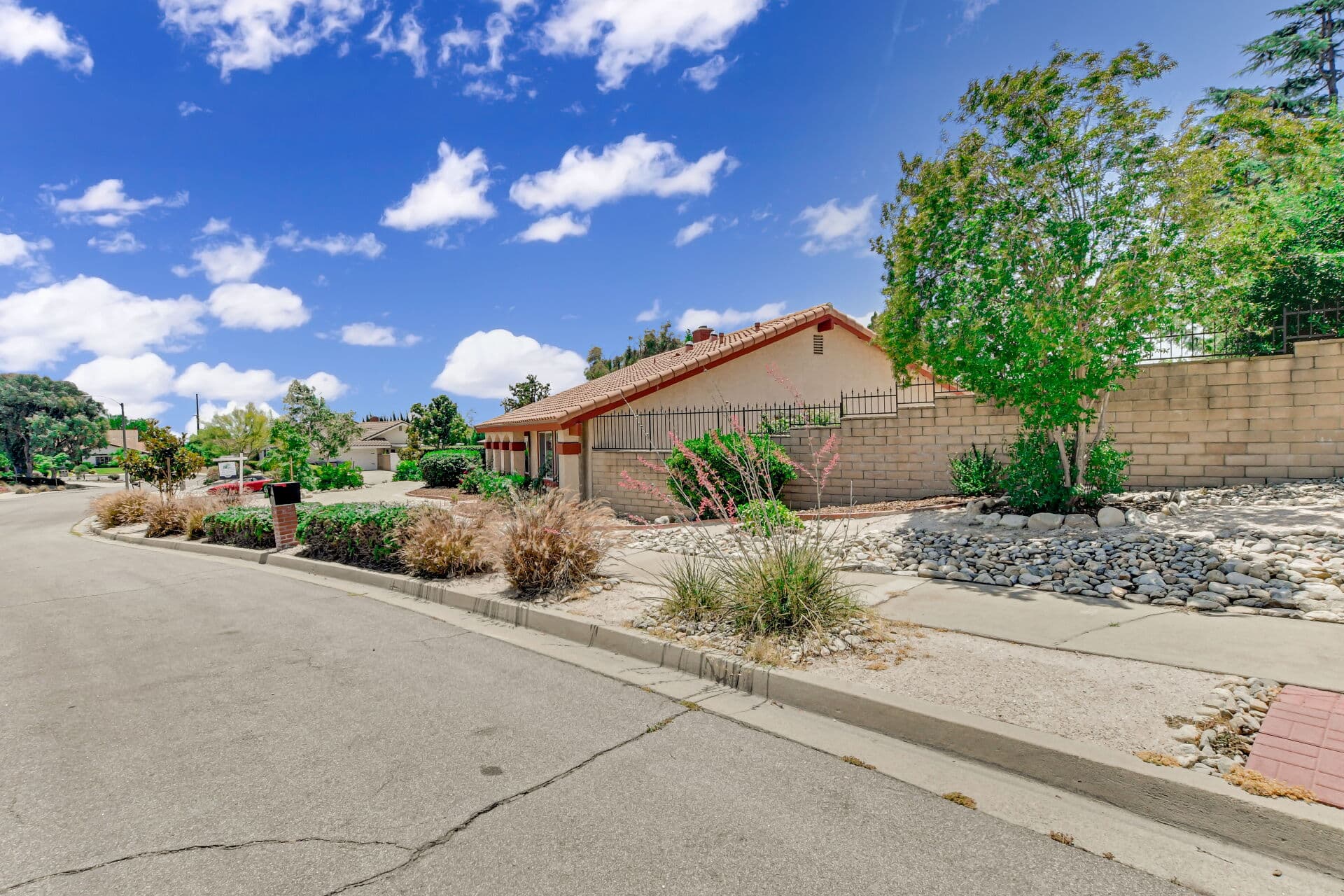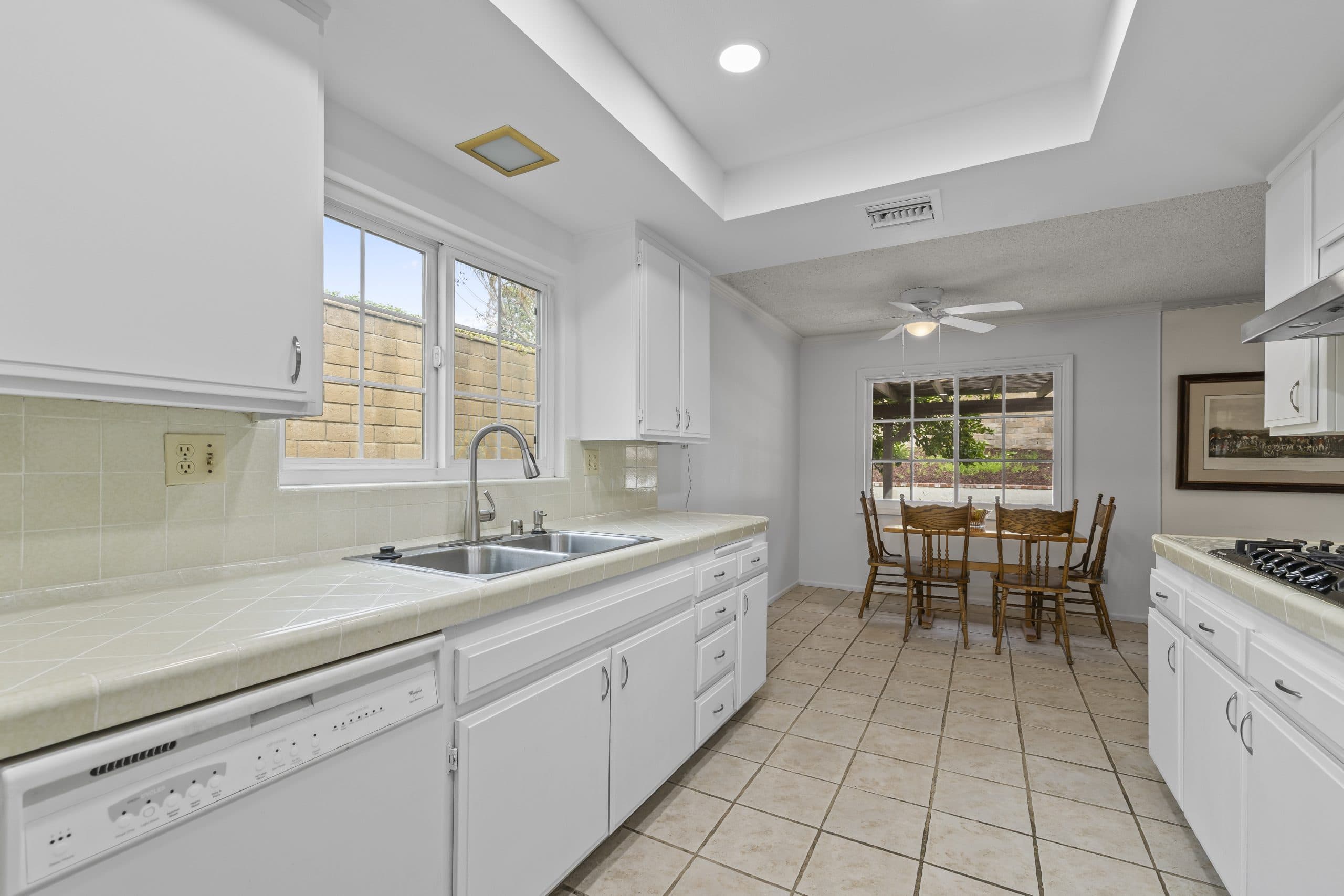
Somewhere in the middle of a standard appraisal form, on the grid where your house sits beside the comparable sales, there are two short codes that most homeowners scroll straight past. One begins with a C. The other begins with a Q. They are the CONDITION rating and the QUALITY rating, and between them they explain a large share of why an appraiser adjusted one comparable up and another down.
If you have ever read a report and thought the comparables looked fine but the adjustments made no sense, this is usually where the answer lives. This article explains both scales, what moves a house between grades, and why the grade on your report is not a compliment or an insult. It extends the page-by-page report guide into the part of the form people find most opaque.
Two different questions
The scales measure different things, and confusing them is the most common mistake a homeowner makes reading their own report.
CONDITION describes the state of the improvements now: maintenance, wear, updating, deferred work, and whether the house has been renovated recently. Condition can change. A house can move up the scale with money and effort, and down the scale with neglect.
QUALITY describes how the house was built and finished: materials, workmanship, architectural detail, and the general grade of construction. Quality is largely fixed at construction and only shifts with substantial remodeling that genuinely changes the level of finish. A tract house with new counters is a tract house with new counters.
Both scales run from a top grade down through several steps to the bottom. Higher grades sit at the low numbers. That is worth remembering because it is counterintuitive, and a homeowner glancing at the form frequently reads a low number as a bad result when it is the opposite.
What actually moves a condition rating
The top of the condition scale is reserved for a house that is new or effectively new: never occupied, or so thoroughly renovated that the components are new throughout. Very few Claremont houses qualify, and that is not a criticism of Claremont houses.
Most well-kept homes here sit comfortably in the upper middle, which describes a property that is well maintained, requires no immediate repair, and has had some updating over its life. That is a good outcome. It is where a loved, maintained older house belongs.
Movement downward is driven by deferred maintenance and by systems approaching or past the end of their lives. Original galvanized supply lines. A roof at the end of its service life. A panel that has never been upgraded. Cracked or heaving flatwork. Windows painted shut. Sagging fascia. Individually small, collectively decisive.
The floor of the scale describes a house with serious deterioration affecting livability or safety, and it triggers a different conversation entirely, often one about repairs required before a lender will fund. Government-backed loans are stricter about this than conventional financing, which is covered in the FHA checklist guide.
Why quality is the harder one for Claremont
Claremont's housing stock spans a genuinely wide quality range within short distances: architect-designed custom homes, well-built midcentury tracts, modest postwar bungalows, and everything the college town has added since. Two houses of similar size and similar age on adjacent streets can sit two quality grades apart, and no amount of updating closes that gap.
This is precisely why quality ratings drive comparable selection so hard. An appraiser reaching for a comparable in a low-turnover market has to weigh whether a sale a mile away at the same quality grade is a better guide than a sale two streets away at a different one. Reasonable appraisers can differ, and the reasoning is the part of the report worth reading. The low-turnover comps guide covers that problem in depth.
The ratings are relative, and that is the point
Neither scale is an absolute score handed down about your house. Both exist to make comparison honest. The grid works by putting the subject and the comparables on the same terms, and if a comparable is rated a step above the subject on condition, the appraiser is expected to adjust its sale price downward to estimate what it would have sold for at the subject's condition.
Two implications follow. First, a lower rating on your house is not by itself a low value, because the comparables get adjusted to match. Second, a rating that is simply WRONG is a real problem, because the error propagates through every adjustment on the grid.
That second case is one of the few genuinely productive grounds for a reconsideration of value. Not disagreement about taste. A factual error: a renovation the appraiser did not see, a system replaced with no visible evidence, a permit record that establishes the age of a component. Documents win these; opinions do not. The process sits in the rebuttal guide.
What a seller can do about it
Two things, and both happen before the visit.
Make the condition legible. Work that is invisible on inspection day is work that cannot be credited. A sewer line replaced under the lawn, a foundation retrofit, a re-pipe inside finished walls, a panel upgrade, an HVAC replacement: dated invoices and permits for each, assembled in one file. The preparation guide covers the file itself.
Then clear the obvious deferred items that read as neglect out of proportion to their cost. Not staging, not renovation. Burned-out bulbs, a dripping valve, an unfinished patch of drywall, a sticking door. None of it changes a quality grade, and collectively it changes the impression of maintenance the condition rating is trying to capture.
To be clear about roles: Mr. Claremont is a licensed real estate salesperson, not a licensed appraiser. He prepares a comparative market analysis for pricing and negotiation and coordinates independent, state-licensed appraisers when a formal appraisal is required. He does not assign condition or quality ratings, does not perform appraisals, and cannot influence one. Supplying documents is permitted; requesting an outcome is not.
Start at the appraisal hub for the full cluster, and read the property visit guide next to see how these ratings get formed in the first place. Anthony Grynchal has been licensed in California since November 2009. Appraiser licensing, standards and complaints route to the Appraisal Foundation and the California Bureau of Real Estate Appraisers. This is general information, not appraisal or lending advice.
Frequently asked questions
What is the difference between the condition and quality ratings?
Condition describes the current state of the house: maintenance, wear, updating and deferred repairs, and it can change over time. Quality describes how the house was built and finished, including materials and workmanship, and it is largely fixed at construction. Cosmetic updating moves condition; it rarely moves quality.
Is a lower rating on my house automatically a lower value?
Not by itself. The ratings exist to put the subject and the comparable sales on equal terms, so a comparable rated better than the subject is adjusted downward to estimate what it would have sold for in the subject's condition. What does cause a problem is an inaccurate rating, because the error carries through every adjustment.
Can I get a condition rating corrected?
If it rests on a factual error, that is a legitimate basis for a reconsideration of value submitted through your lender, supported by permits, dated invoices or photographs of work not visible on inspection. Disagreement about taste or finish is not a factual error. Nobody may contact the appraiser directly to request a change.
Does Mr. Claremont assign these ratings?
No. Anthony Grynchal is a licensed real estate salesperson, not a licensed appraiser. Condition and quality ratings are the appraiser's judgment within professional standards. Mr. Claremont prepares a comparative market analysis for pricing and coordinates independent, state-licensed appraisers when a formal appraisal is required.

Written by
Anthony Grynchal
Anthony Grynchal is a California real estate professional with eXp Realty, licensed since November 2009 (California DRE# 01873626), and the Designated Local Expert™ for Claremont — where he has lived for more than 33 years.
More about AnthonyPublished · Updated