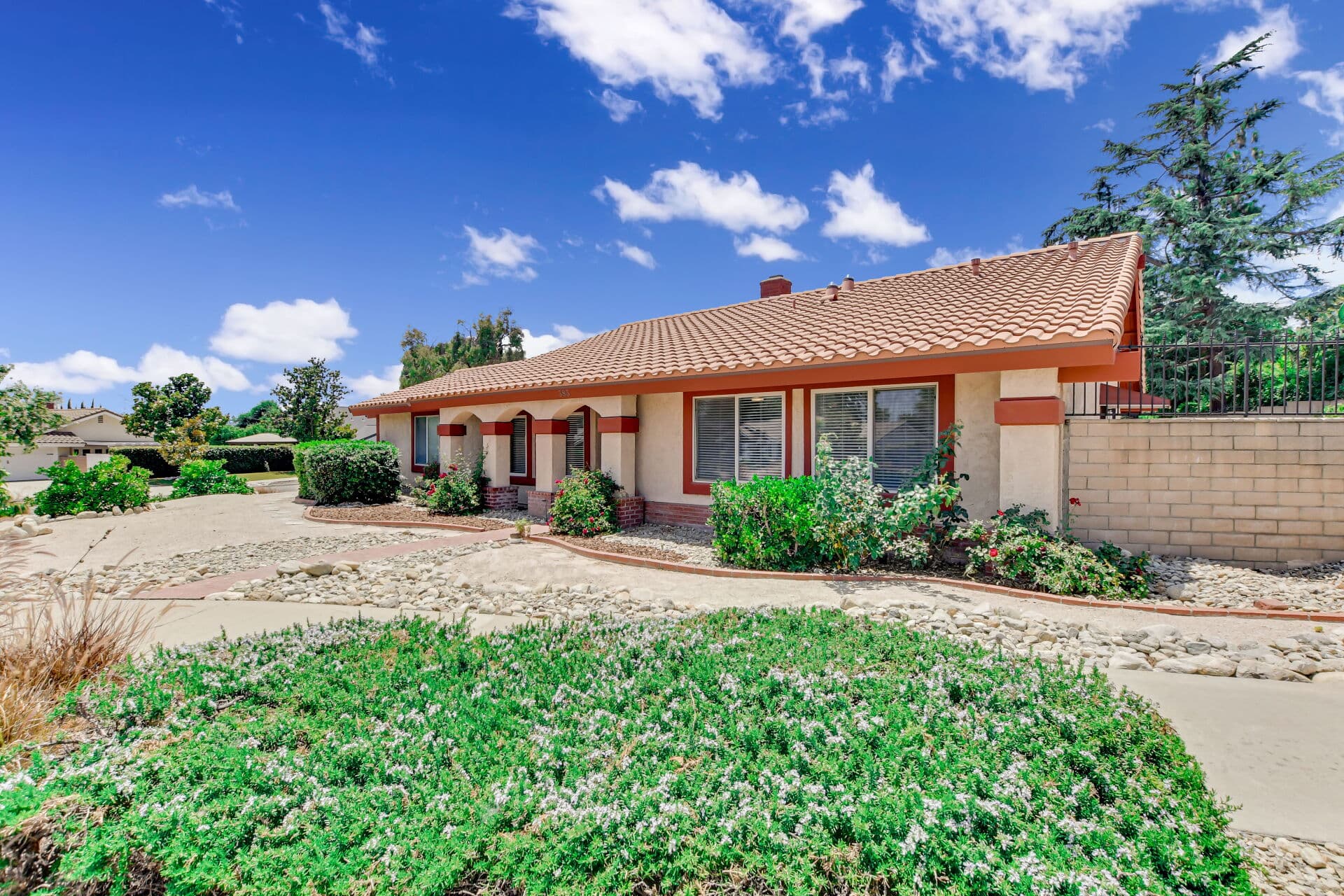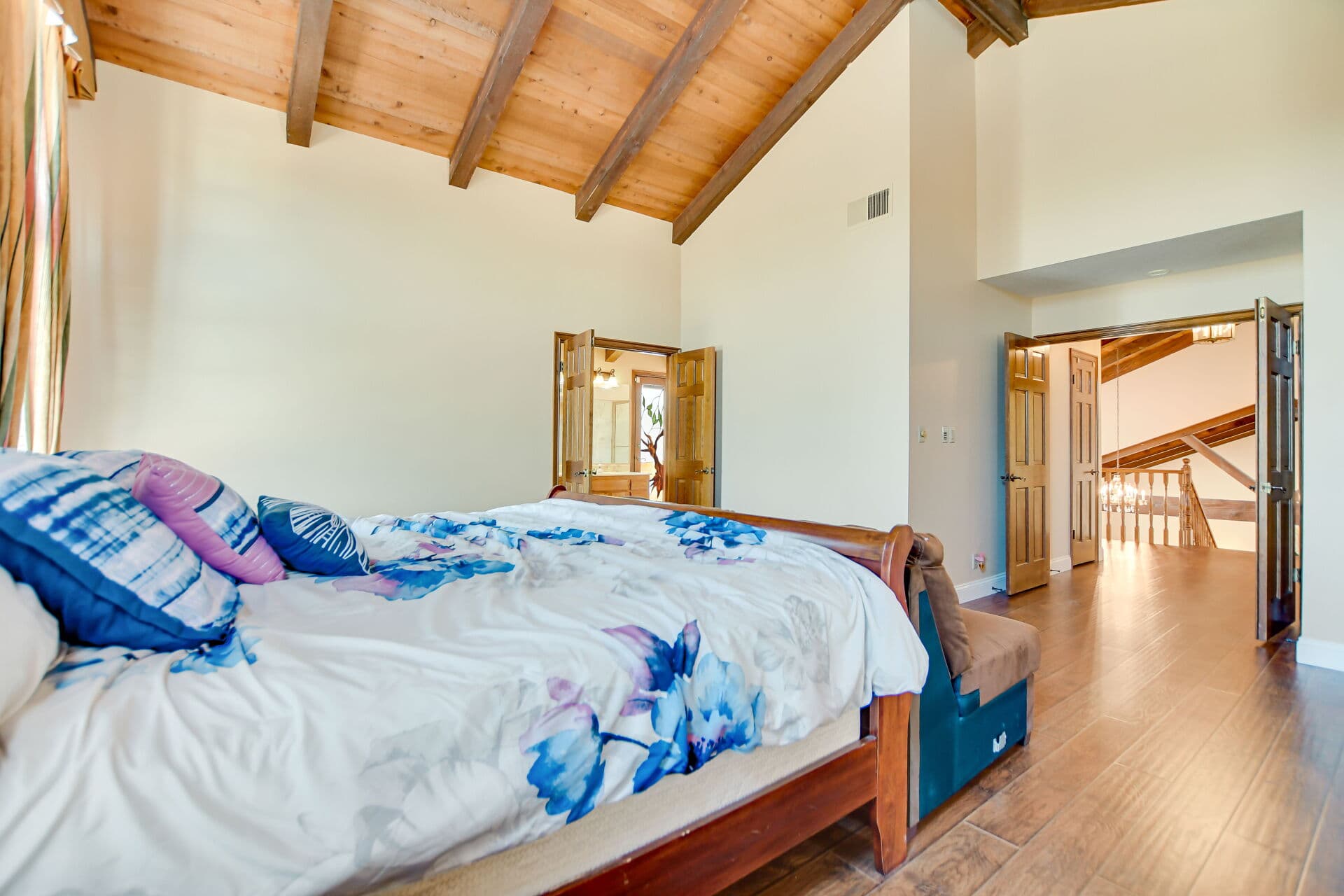
Two houses on the same Claremont street were built the same year. One reads on paper as a house from that year. The other reads as decades newer, and the difference is not cosmetic. It is a line item on the appraisal called EFFECTIVE AGE, and in a town with a great deal of mid-century and pre-war stock it does more quiet work than almost any other entry on the form.
This article explains the difference between actual age and effective age, what actually moves the effective number, and why a beautiful kitchen sometimes moves it less than a boring electrical panel. It deepens the appraisal cluster; the broader question of what the appraiser weighs is covered in the what-decides-the-number guide. Standing frame: this is general information, and your lender and your own advisors govern your file.
The two ages, defined
ACTUAL AGE is arithmetic. It is the year of construction subtracted from the effective date of the appraisal, and there is nothing to argue about. It comes off the public record and it is the same for every appraiser who looks at the property.
EFFECTIVE AGE is judgment. It is the appraiser's opinion of the age the property presents as, given its condition, its maintenance history, the systems that have been replaced, and how the whole thing compares to competing houses in the market. A house that has been carefully kept and systematically updated has an effective age well below its actual age. A house of the same vintage that has been left alone can have an effective age equal to, and occasionally greater than, its actual one.
The pairing that matters is effective age against remaining economic life - roughly, how much useful service the improvements have left. Together those two entries tell a lender something about the security behind the loan, and they feed the depreciation figure in the cost approach. They also feed the appraiser's judgment about which sales are genuinely comparable, because two houses of the same square footage in very different states of repair do not compete with each other.
What actually shortens effective age
Here is where owner expectation and appraisal practice part company. Effective age responds most strongly to the things that determine how long the structure will keep working: the ROOF, the electrical service and panel, the plumbing supply lines, the sewer lateral, the heating and cooling equipment, the windows, and the condition of the foundation and framing. Those are the long-lived components. Replace enough of them and the house genuinely is younger in every sense that matters to a lender.
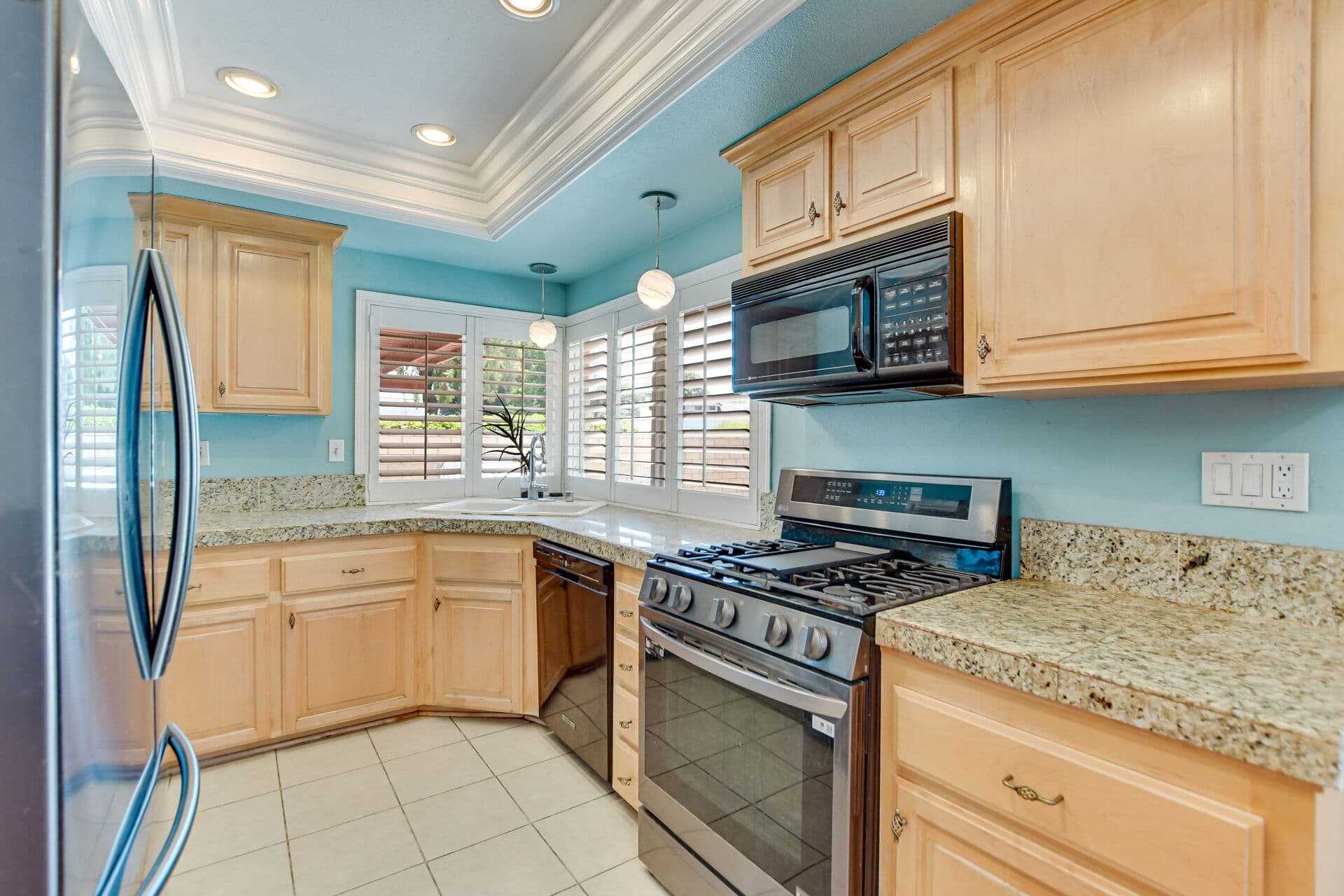
Finishes matter too, but differently. A renovated kitchen and updated bathrooms improve marketability and can support a stronger condition rating, and they may well be reflected somewhere in the analysis. But new cabinet fronts do not extend the life of a house sitting on original galvanized supply lines and a service panel from the middle of the last century. Appraisers know the difference, and in older Claremont stock they look for it specifically.
The Claremont pattern worth knowing: a great deal of the town's inventory sits in an era where the original systems have reached or passed the end of their service life. A house from that period that has had a re-pipe, a panel upgrade, a new roof and new ducted equipment presents very differently from an identical floor plan two doors down that has had none of it. That is precisely the gap effective age exists to record.
Why documentation changes the number
An appraiser observes what is visible. A re-pipe is behind walls. A sewer lateral replacement is under the yard. A structural repair may leave nothing to see once the work is finished. Unless somebody supplies the record, the improvement is functionally invisible and the effective age reflects a house that appears less updated than it is.
So the practical move for a Claremont seller is a dated file: permits, invoices, contractor names, and the year each major system was replaced. Hand it over as fact, through the proper channel, and ask for nothing. That distinction is not a formality - it is the difference between permitted assistance and a rule violation, and it is covered in the appraiser independence guide. The preparation guide covers how to build the package.
Where work was done without permits, the file gets more complicated rather than simpler, and pretending otherwise tends to backfire. Unpermitted space has its own treatment and its own risks, covered in the unpermitted space guide.
Where owners get this wrong
Three recurring mistakes. First, assuming a full cosmetic remodel resets the clock: it usually does not, not by itself. Second, assuming a low actual age protects a house that has been neglected: a newer property with deferred maintenance can carry an effective age uncomfortably close to its actual one. Third, treating effective age as negotiable. It is the appraiser's professional opinion, arrived at independently, and no amount of conversation is permitted to move it. What can move it is evidence the appraiser did not have.
It is also worth separating this from an inspection. An appraiser forms an opinion of condition for valuation purposes; a home inspector examines systems in detail for a buyer's benefit. Neither substitutes for the other, and the appraisal versus inspection guide covers the split.
What Mr. Claremont does with this
Anthony Grynchal is a licensed real estate salesperson, not a licensed appraiser. He prepares a comparative market analysis for pricing and negotiation and coordinates independent, state-licensed appraisers when a formal valuation is needed; he does not perform, certify or influence appraisals. What he does do, well before a report is ordered, is help a seller build the documentation file so that the work already paid for is actually visible in the record. A re-pipe nobody can prove happened is, for appraisal purposes, a re-pipe that did not happen.
For buyers, the same entry is a reading exercise. An effective age well below actual age on an older Claremont house is a signal that the expensive, invisible work has been done. An effective age close to actual age on a charming property is a signal to budget accordingly.
Start at the appraisal hub for the full cluster, and read the preparation guide next if a report is coming and the improvements are behind the walls. Anthony Grynchal has been licensed in California since November 2009 and has seen more value recovered by a folder of invoices than by any conversation ever held about a number. This is general information, not lending or legal advice; your own advisors govern your file.
Frequently asked questions
What is effective age on an appraisal?
Effective age is the appraiser's opinion of the age a property presents as, based on condition, maintenance and updates, rather than its year of construction. A well-maintained older Claremont house can carry an effective age well below its actual age.
Does remodeling a kitchen lower effective age?
Not on its own. Effective age responds most to long-lived components such as roof, electrical service, plumbing supply lines, sewer lateral, heating and cooling equipment and structure. Finishes affect marketability and condition rating, but they do not extend the service life of original systems.
How do I make sure hidden upgrades are counted?
Document them. Permits, dated invoices and contractor records for a re-pipe, panel upgrade, roof or foundation work make invisible improvements visible. Supply the file as factual information through the proper channel and request nothing about value.
Can I ask the appraiser to change the effective age?
No. Effective age is an independent professional judgment and attempting to influence it is prohibited. You may supply factual documentation the appraiser did not have, and a finished report is challenged through a formal reconsideration of value submitted via your lender.

Written by
Anthony Grynchal
Anthony Grynchal is a California real estate professional with eXp Realty, licensed since November 2009 (California DRE# 01873626), and the Designated Local Expert™ for Claremont — where he has lived for more than 33 years.
More about AnthonyPublished · Updated