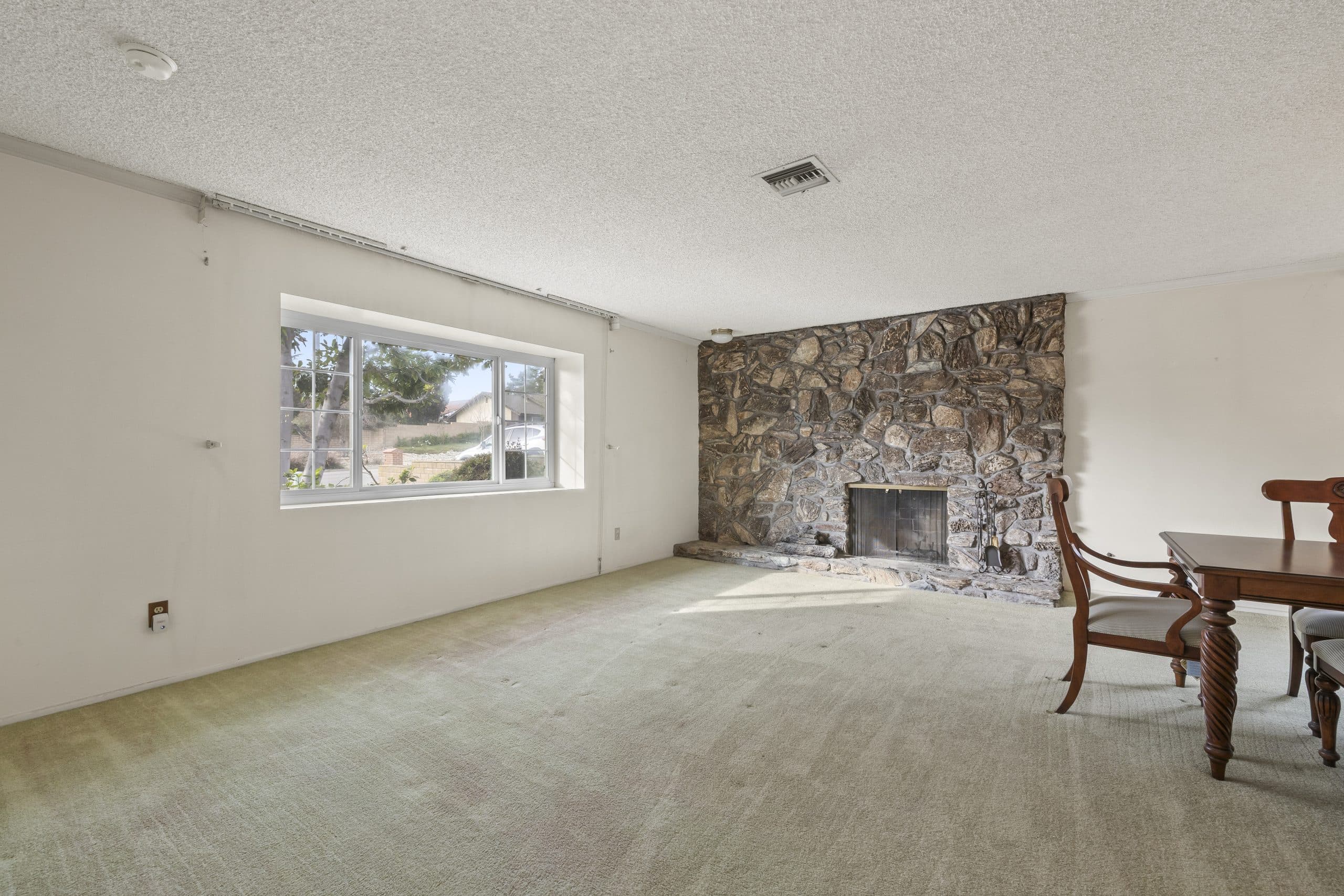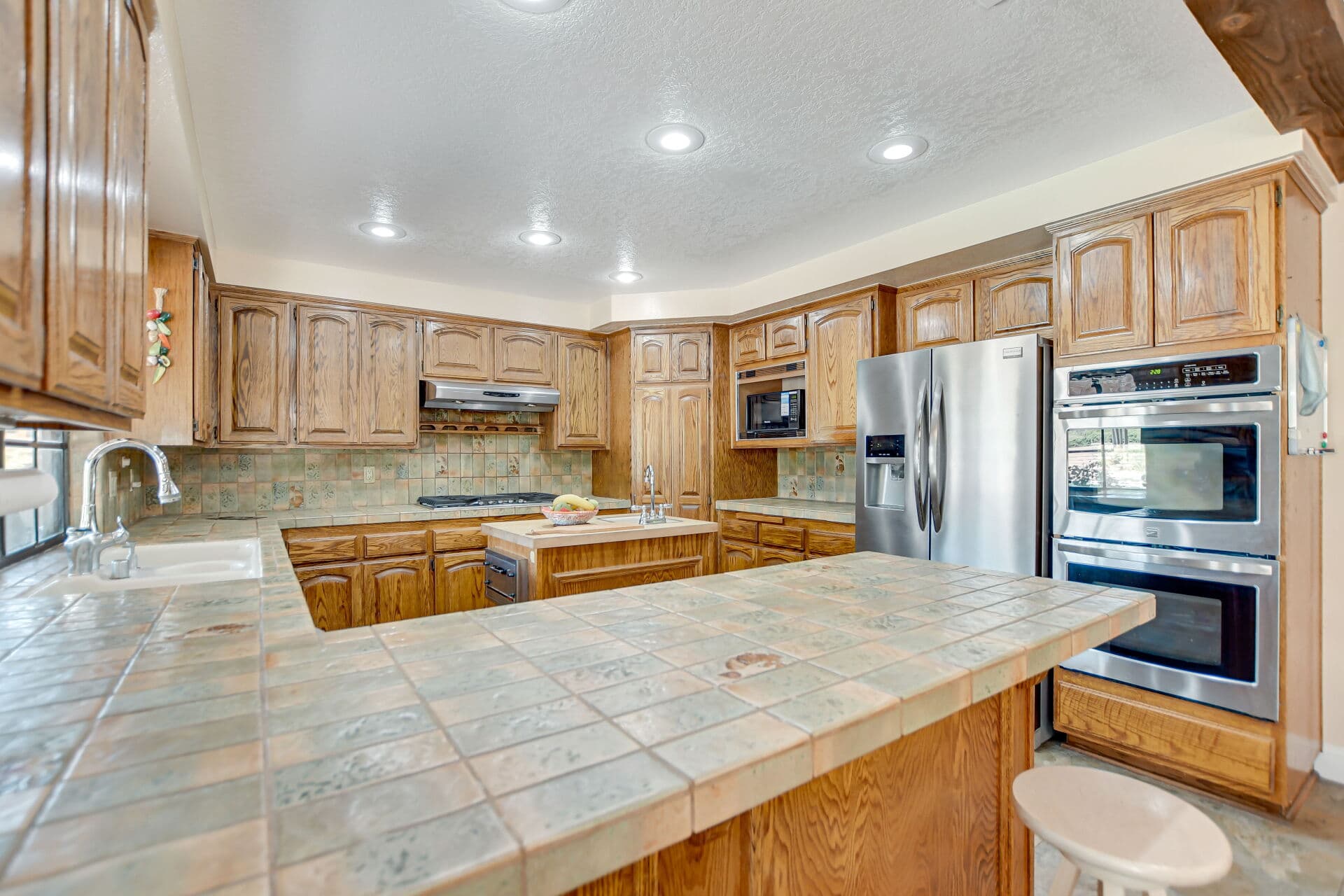
A cash offer on a probate property is not the same animal as a cash offer on an ordinary listing, and the difference is not the money. It is the court.
When a personal representative sells real property through probate, the sale may need confirmation by the court before it is final. In that world an accepted offer is a proposal, not a conclusion. Understanding that in advance is the whole ballgame, because a buyer who says they can close in seven days is describing a timeline the court does not necessarily share.
Two very different probate authorities
California draws a line between a representative acting with full authority under the Independent Administration of Estates Act and one acting with limited authority or under court supervision. Under full authority, a sale can often proceed with notice to interested parties rather than a confirmation hearing. Under limited or supervised authority, the sale typically goes to the court for confirmation.
Which one applies is not a detail you guess at. It is stated in the court's order, and the estate's probate attorney can tell you in a sentence. Ask before you evaluate any offer, because the answer changes what an accepted offer is worth.
What an overbid hearing is
When a sale does require confirmation, the hearing is open. Other buyers may appear and bid above the accepted price, subject to a statutory minimum first increase and further increments the court sets. If someone outbids, the original buyer can bid again or step aside.
Read that carefully, because it inverts a thing most sellers assume: the accepted offer sets a floor, not a ceiling. A cash buyer who understands probate knows this. Some of them price their offer accordingly, on the theory that nobody will show up to the hearing. Sometimes nobody does.
That is not a reason for gloom. It is a reason to make sure the property was genuinely exposed to the market before the hearing, so that if a higher number exists, it has a way to reach the estate rather than arriving as a surprise, or never arriving at all.
The pressure that comes with the word probate
Probate properties attract unsolicited mail. A representative who has just qualified will often start receiving letters within weeks, some of them personal in tone and some of them close to alarming. A number of these are legitimate investors. Others are not, and the pattern of how sellers get targeted is worth reading before you answer any of them; we cover it in how Claremont sellers get targeted.
The protective habit is simple. A representative owes fiduciary duties to the beneficiaries. Speed that serves the representative's convenience but costs the estate money is a duty problem, not a preference. Documenting why an offer was accepted, including what else was considered, protects everyone, including the representative.
Verify the buyer the same way, only harder
A probate sale can involve a longer road to closing than a conventional one, which means a buyer's ability to perform has to survive weeks of waiting rather than days. Bank statements dated the week of the offer, an account in the buying entity's name, and a name that matches the purchase contract are the minimum. The mechanics are the same ones in verifying a Claremont cash buyer, applied with more patience.
The deposit deserves the same scrutiny. In a confirmation sale, an overbidder is generally expected to appear with certified funds. A first-position buyer whose deposit is thin, slow, or conditional is telling you something about how they intend to behave if the hearing goes sideways.
Condition, disclosure and the exemption
A personal representative who never occupied the property is generally exempt from delivering the Transfer Disclosure Statement. That exemption is narrow and it is frequently misread. It does not eliminate the duty to disclose known material facts, and it does not turn a probate sale into a no-questions transaction. Natural hazard disclosures and other statutory items still apply in the ordinary course.
Cash buyers of probate homes usually expect to inspect. They may waive contingencies, which is a different thing from declining to look. What they are buying is the right to price condition into the offer, and inspection is how they learn what to price. If a buyer tells you inspections are unnecessary because the sale is as-is, treat that as a claim to check rather than a courtesy.
Practical sequence
A workable order of operations looks like this. Confirm the authority level in writing. Get the property valued by someone with no stake in the outcome. Expose it to the market for a defined window, even a short one, so an overbid at the hearing is a possibility rather than a shock. Verify funds. Then evaluate offers on net proceeds and certainty, not on the headline number alone.
Beneficiaries scattered across different states and different opinions make this harder, and the honest answer is that a documented process is what keeps a family from arguing later about whether the estate left money on the table.
When speed is genuinely the right answer
Sometimes it is. A property carrying a mortgage, insurance, utilities and a vacancy risk is spending money every month. A house that has stood empty through a Claremont summer with no one running the sprinklers has its own costs. If holding is bleeding the estate, a slightly lower certain number can be the better fiduciary outcome, and saying so plainly is more honest than pretending every seller should hold out.
What should never drive the decision is a deadline invented by the buyer. No legitimate purchaser needs an answer by Friday on a property that will take the court months to confirm.
If the estate is also facing a default or a scheduled sale date, that is a different emergency, and a HUD-approved housing counselor is the free, unbiased place to start. Nobody should be paying upfront fees for that help.
For the wider picture of how these offers work, start at the cash offers hub, and read should you take a cash offer before you answer anyone.
Anthony Grynchal has been licensed in California since November 2009.
Frequently asked questions
Does every Claremont probate sale need court confirmation?
No. A representative acting with full authority under the Independent Administration of Estates Act can often sell with notice rather than a confirmation hearing. Limited or supervised authority generally requires confirmation. The court's order states which applies, and the estate's attorney can confirm it.
Can someone outbid an accepted probate offer?
In a confirmation sale, yes. The hearing is open and other buyers may bid above the accepted price, subject to a statutory minimum first increase and further increments the court sets. The accepted offer sets a floor rather than a ceiling.
Is a probate seller required to give a Transfer Disclosure Statement?
A personal representative who never occupied the property is generally exempt from the TDS. The exemption is narrow. The duty to disclose known material facts continues, and other statutory disclosures still apply in the ordinary course.
Should the estate list the property or just take a cash offer?
That depends on carrying costs, condition and the beneficiaries' situation. Because a representative owes fiduciary duties, the safer path is to obtain an independent valuation and expose the property to the market for a defined window, then document why the accepted offer was chosen.

Written by
Anthony Grynchal
Anthony Grynchal is a California real estate professional with eXp Realty, licensed since November 2009 (California DRE# 01873626), and the Designated Local Expert™ for Claremont — where he has lived for more than 33 years.
More about AnthonyPublished · Updated