Cross College Avenue on foot and you pass through four or five distinct architectural worlds in about fifteen minutes. Spanish revival gives way to mid-century modern, which gives way to something aggressively contemporary, and then to lawn and old trees again.
That sequence is not eclecticism. It is chronology. Each of the Claremont Colleges was founded in a different decade, built in the style of its moment, and expanded into whatever land was available at the time — and each of those expansions changed the residential streets next to it.
The cluster idea
Claremont's model is unusual in American higher education: several small, independent institutions on adjacent campuses, sharing certain services and facilities while remaining separate colleges. The intent was to keep each institution small enough to feel personal while collectively offering the resources of something much larger.
The consortium grew by addition. A college was founded, it acquired land, it built, and the pattern repeated.
The sequence, in plain terms
The first was Pomona College, which arrived after the 1880s land boom collapsed and took over the failed boom hotel — the event that converted Claremont from a stalled subdivision into a college town. That story is in how Pomona College chose Claremont.
In the 1920s came the graduate institution and then a women's college, both reflecting the ambitions and the architecture of that decade. Just after the Second World War came a college oriented toward economics, government and public affairs, founded in an era of returning veterans and expanding enrollment. In the mid-1950s came a college focused on engineering and science. In the 1960s came a college built around the social and behavioral sciences. And in the late 1990s a graduate institution in the applied life sciences was added.
Founding years, official names, name changes and campus chronologies are all documented by the institutions themselves. Use their own histories and archives rather than secondhand summaries, because names in particular have changed and popular accounts often use the wrong one for the wrong period.
How each wave shows up in the housing stock
This is the part that matters if you own or are buying near the campuses.
Faculty housing set the tone early. The blocks nearest the older campuses filled in with houses built for and by academics — modest in footprint, serious about craft, and unusually consistent in scale. That is a large part of why close-in Claremont reads as coherent rather than assorted.
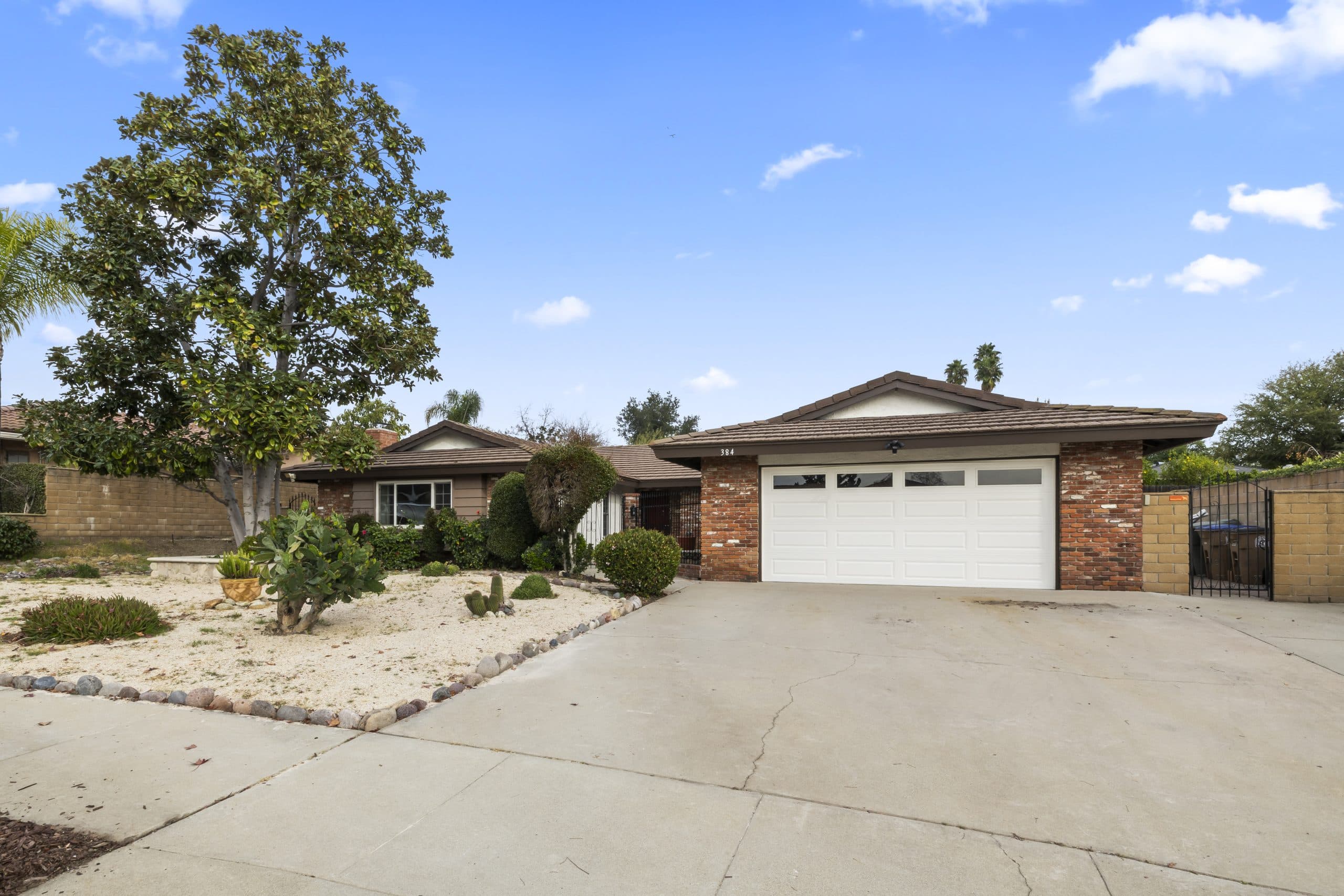
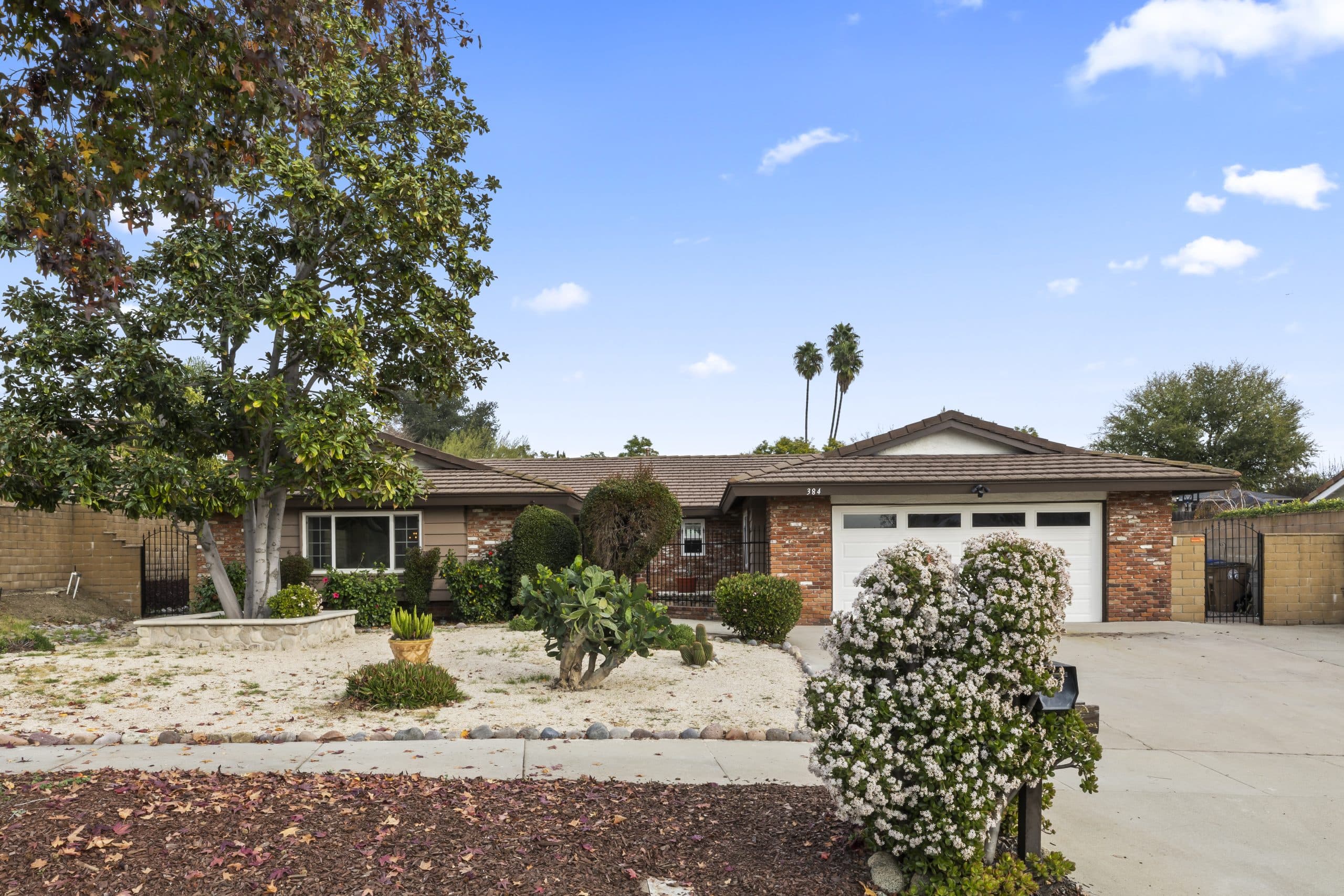
The mid-century expansion produced Claremont's modernist stock. When the postwar and 1950s colleges built, the surrounding residential streets were developing at the same time and in the same idiom. Claremont's concentration of thoughtful mid-century houses is directly tied to who was moving here in those decades and what they wanted. That broader build-out is covered in the postwar boom.
Campus growth consumed land that would otherwise have been houses. Every acre a college acquired is an acre that did not become a tract. That is one reason the residential fabric between and around the campuses is finite, and why properties there hold value with unusual stubbornness.
Institutional edges are permanent neighbors. A campus boundary is the most stable neighbor a house can have. It will not be redeveloped into something incompatible on a normal real estate timeline. Buyers value that predictability, and they should also weigh what comes with it.
The honest trade-offs of living next to a campus
Proximity to the colleges is genuinely desirable and it is not free of friction.
- Academic calendar rhythm. Move-in weekends, commencement, reunions and events produce short, intense bursts of traffic and parking demand.
- Student rentals. Some nearby blocks include off-campus student housing. That affects evening activity and turnover. It also affects rental demand if you are buying as an investor. Walk the block at night before deciding.
- Parking rules. Permit districts and restrictions exist in parts of close-in Claremont. Confirm the specific rules for the address rather than assuming.
- Institutional construction. Colleges build. A campus edge is stable in use but not static in appearance; ask what is currently entitled or planned adjacent to a property you are considering.
Why the colleges are the town's economic ballast
Claremont's history is a sequence of economies that ended: a land boom that collapsed, a citrus industry that contracted, an industrial packing complex that closed. The colleges are the one that did not.
That continuity matters to real estate. A town anchored by long-lived institutions has a persistent base of employment, a steady stream of people who need housing, and — importantly — a constituency that cares about the physical character of the place. Claremont's tree ordinance, design review and preservation culture are all downstream of a population that intends to stay. The preservation half of that is covered in Claremont Heritage and the rise of preservation.
What to ask if you are buying near a campus
- What are the parking rules on this street, and do they change during the academic year?
- Which nearby properties are student rentals, and how many?
- Is any adjacent institutional land subject to a current or approved development plan?
- What is the actual walking route to the Village, and how does the campus affect it?
- If a listing describes a house as a former faculty residence or an architect's design, what documentation supports that?
For the whole arc from land boom to college town, start at the Claremont history hub.
Anthony Grynchal has been licensed in California since November 2009.
Frequently asked questions
How many colleges are in Claremont?
The Claremont Colleges consortium consists of several independent undergraduate and graduate institutions on adjacent campuses that share certain services while remaining separate schools. For current membership, official names and founding chronology, use the institutions' own published histories.
Which college came first?
Pomona College, which relocated to Claremont after the 1880s land boom collapsed and took over the failed boom-era hotel. That move is the reason Claremont became a college town rather than an abandoned subdivision.
Is it good to buy a house next to the Claremont Colleges?
Campus edges are unusually stable neighbors and close-in blocks hold value well. The trade-offs are academic-calendar traffic, student rentals on some streets, parking restrictions and ongoing institutional construction. Walk the block in the evening and during a busy campus weekend before deciding.
Why does Claremont have so many mid-century modern houses?
The colleges expanded significantly in the postwar and 1950s decades, and the residential streets around them developed at the same time for the faculty and staff moving in. The architectural idiom of that era is stamped on both the campuses and the surrounding housing stock.

Written by
Anthony Grynchal
Anthony Grynchal is a California real estate professional with eXp Realty, licensed since November 2009 (California DRE# 01873626), and the Designated Local Expert™ for Claremont — where he has lived for more than 33 years.
More about AnthonyPublished · Updated