Standard listing advice says to depersonalize. Take down the photographs, clear the surfaces, neutralise the rooms, let buyers imagine themselves living there. It is sound advice and it works.
It also lands very differently when the family in the photographs is the one coming apart, and when the person taking them down is doing it in the middle of the worst year of their life. This page is about how to do the preparation properly without pretending that part is not happening.
Two things first. Preparation decisions in a divorce sale are joint decisions — what is spent, what is done, who does it — and they belong to the parties with counsel. And I take no side in any of it: I present the same recommendations and the same costs to both owners at the same time, and I do not lobby either of them.
What the work actually is
Strip the emotional framing for a moment and the task is ordinary. It is the same task for every seller in Claremont, whatever their circumstances.
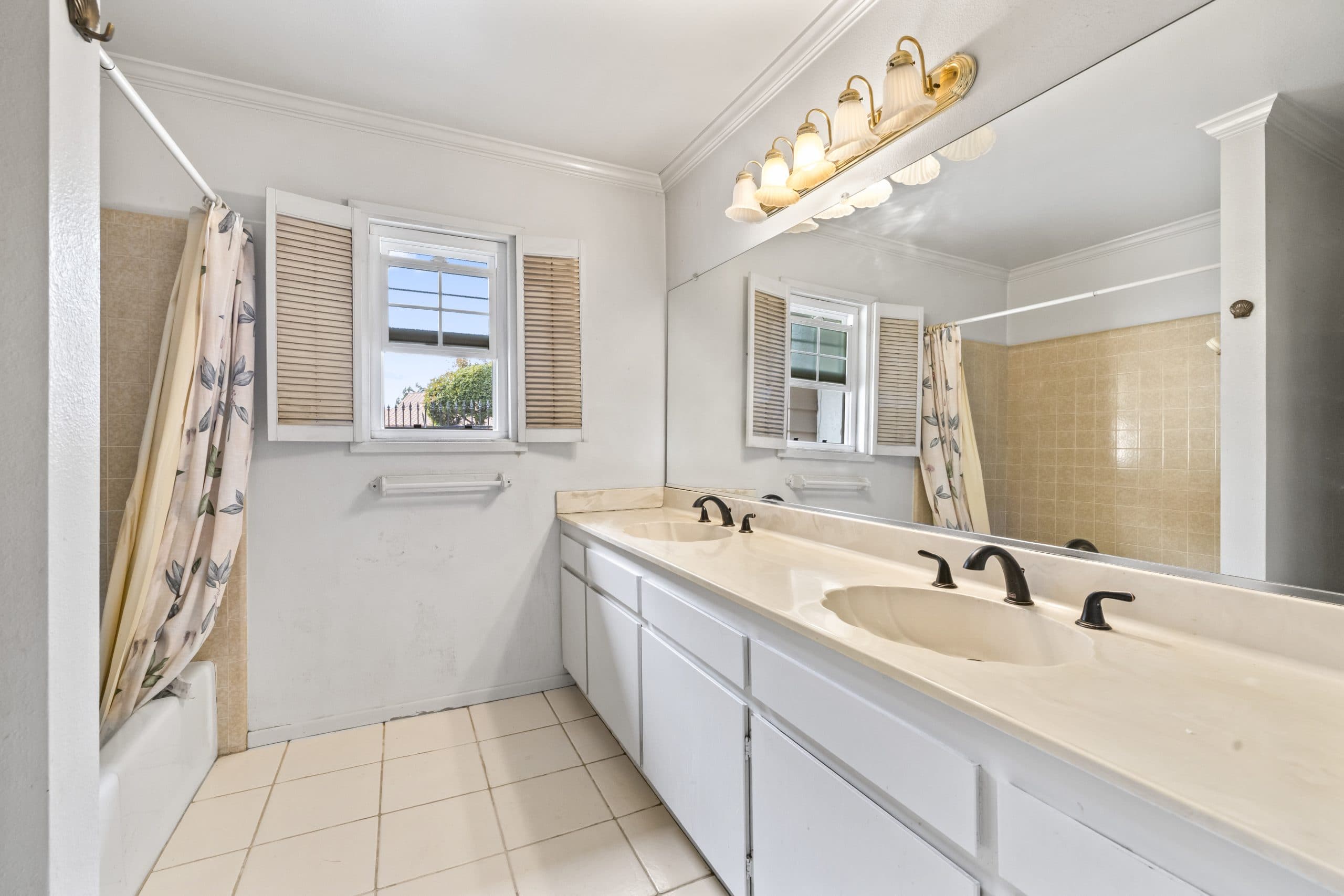
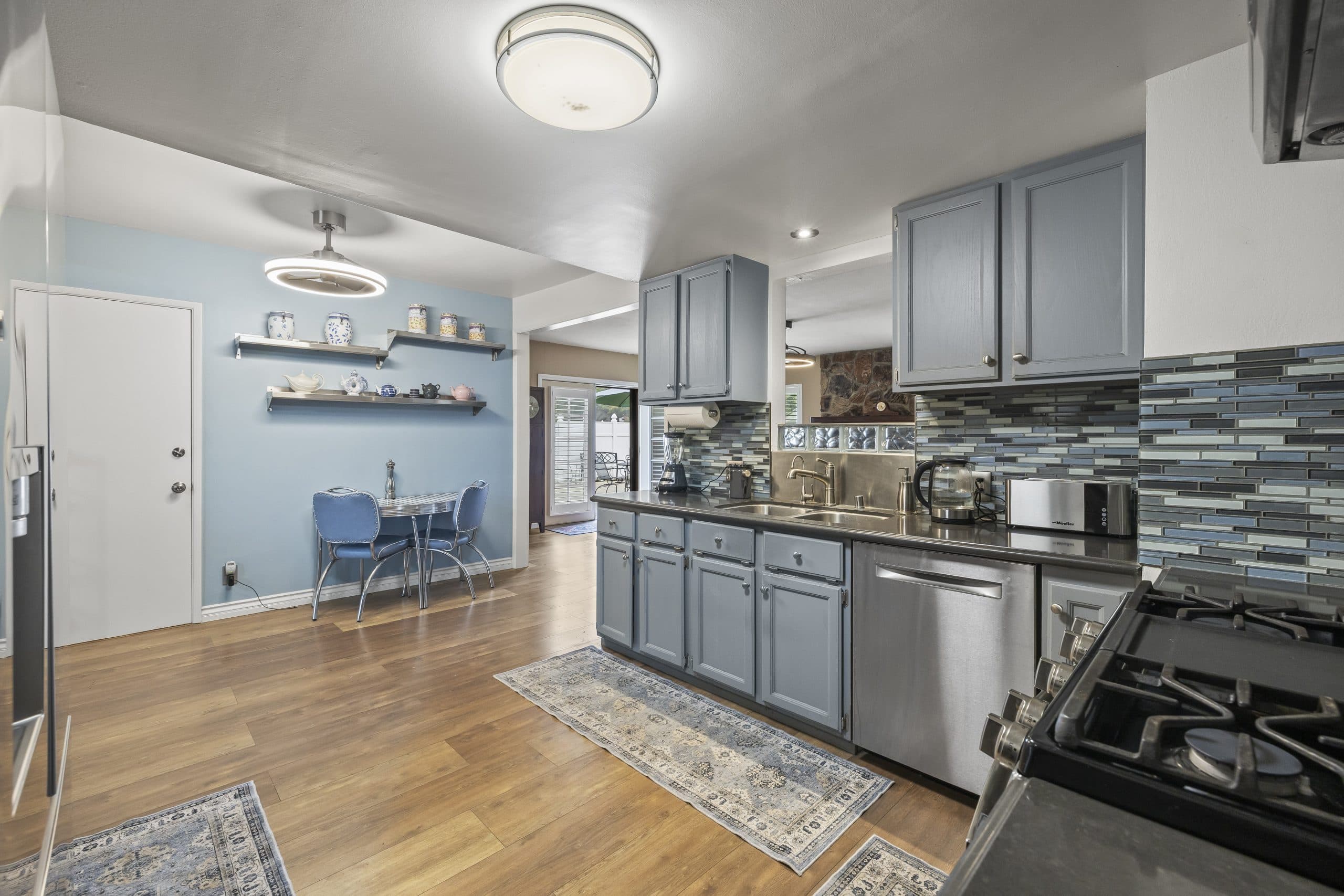
Surfaces cleared. Rooms decluttered so their size and function read clearly. Personal photographs and highly specific decor removed, because buyers look at photographs of your family instead of looking at the room. Cleaning to a standard higher than anyone lives at. Small repairs done. Light maximised.
None of that is about the divorce. A house showing well is what serves the sale price, and the sale price is what serves both owners equally. It is worth saying that plainly, because in a divorce every request can start to feel like it means something more.
What it is not
Depersonalizing means removing the specific, not removing the person. There are lines I hold in these listings, and they are worth stating because sellers sometimes assume the opposite is expected.
Nobody's belongings are moved without their knowledge. Children's rooms are tidied, not emptied and not stripped of everything that makes them a child's room. Nothing is discarded on an agent's say-so. And nothing about how the house is prepared should communicate anything to a buyer about the circumstances of the sale.
That last point is the practical one. A house that reads as half-abandoned — bare walls, a room emptied of furniture, one closet obviously cleared — tells a buyer a story. A buyer who reads distress negotiates on it, and that cost falls on both owners in equal measure. Good preparation makes the home look cared for, not evacuated.
Sequencing the emotional part
The advice I actually give, and it is not really about staging: do the personal packing separately from the listing preparation, and do it earlier.
Photographs, letters, the things that stop you mid-task — those are best boxed on a day of your choosing, without a stager waiting and without a photographer booked for Thursday. Not because it makes the house show better, but because doing it under a deadline is unnecessarily hard, and because a task done in your own time is a task that gets finished.
Then the listing preparation is just furniture and cleaning, which is a completely different kind of day.
If both spouses still have belongings in the property, the retrieval arrangement should be agreed in writing through counsel before preparation starts — what is taken, when, by whom, and with what notice. That single agreement prevents most of the friction in this phase. The occupied-listing version of it is covered in When One Spouse Still Lives in the Claremont House.
Deciding what to spend
Preparation costs money, and in a divorce two people have to agree to spend it. That agreement is easier when the recommendation is specific and written.
What I provide to both owners at once is a plain list: what the work is, what it would cost, and what I think it does for the sale. What I do not do is pressure either spouse toward a bigger budget, or characterise the reluctant one as unreasonable. Someone who has just lost a household and taken on a second rent has entirely legitimate reasons to be careful with money.
Where the parties cannot agree, the question goes to the attorneys along with everything else. How the spending is funded and how it is accounted for at closing should also be settled through counsel — the proceeds side is in Splitting Proceeds: How Claremont Divorce Sales Disburse.
Photography and the record it leaves
One small thing that catches people. Listing photographs live on the internet for a long time, and in a small town they get seen by people who know you. Make sure the photographs contain nothing you would rather they did not: no family pictures left on a shelf, no mail on a counter, no calendar with a hearing date on it, no medication, no paperwork.
I check for this before the shoot, but a second pair of eyes helps, and the person who lives there notices things a photographer will not.
Neutrality in the preparation phase
Preparation is where an agent can slip into taking a side without meaning to, because it involves being in the house, making requests, and having opinions about someone's belongings. So the discipline is deliberate. Recommendations go to both owners identically and in writing. Nothing observed in the house travels anywhere. I do not ask one spouse for their view of the other's furniture, and I do not accept comments in that direction either. The full standard is in Choosing a Neutral Realtor for a Claremont Divorce Sale.
A last word about the house
People sometimes apologise to me while they are packing, as if the emotional weight of it were an inconvenience to the transaction. It is not. It is the normal response to leaving a place where a family lived, and it does not need managing or hurrying.
What I would say is that the work is finite, it goes faster in daylight with someone else in the house, and there is no rule that says it has to be done this weekend. Take the time. A house prepared calmly shows just as well as one prepared in a panic, and the week is easier.
The full map is the Claremont divorce sales guide. Anthony Grynchal has been licensed in California since November 2009.
Frequently asked questions
Do family photographs really have to come down?
It is standard listing practice for every seller, not something specific to a divorce, and the reason is straightforward: buyers look at photographs of a family instead of looking at the room. The distinction worth keeping is between removing the specific and stripping the house, since a home that reads as abandoned invites a different sort of offer.
Who decides what is spent on preparing the house?
Both owners, since it is a joint spending decision, or a court where the parties cannot agree. An agent should give both spouses the same list of recommended work with the same costs at the same time, without pressuring either toward a larger budget. How the spending is funded and accounted for at closing goes through counsel.
What if both spouses still have belongings in the house?
Agree the retrieval arrangement in writing through counsel before preparation begins: what is taken, when, by whom, and with what notice. Nothing should be moved or discarded without the owner's knowledge. That single agreement prevents most of the friction that otherwise arises during this phase.
Will buyers be able to tell it is a divorce sale from the photographs?
They should not, and it is worth checking for before the shoot. Nothing personal should be visible: no family pictures left out, no mail or paperwork on counters, no calendars, no medication. A house that shows as cared for rather than evacuated protects the price for both owners.

Written by
Anthony Grynchal
Anthony Grynchal is a California real estate professional with eXp Realty, licensed since November 2009 (California DRE# 01873626), and the Designated Local Expert™ for Claremont — where he has lived for more than 33 years.
More about AnthonyPublished · Updated