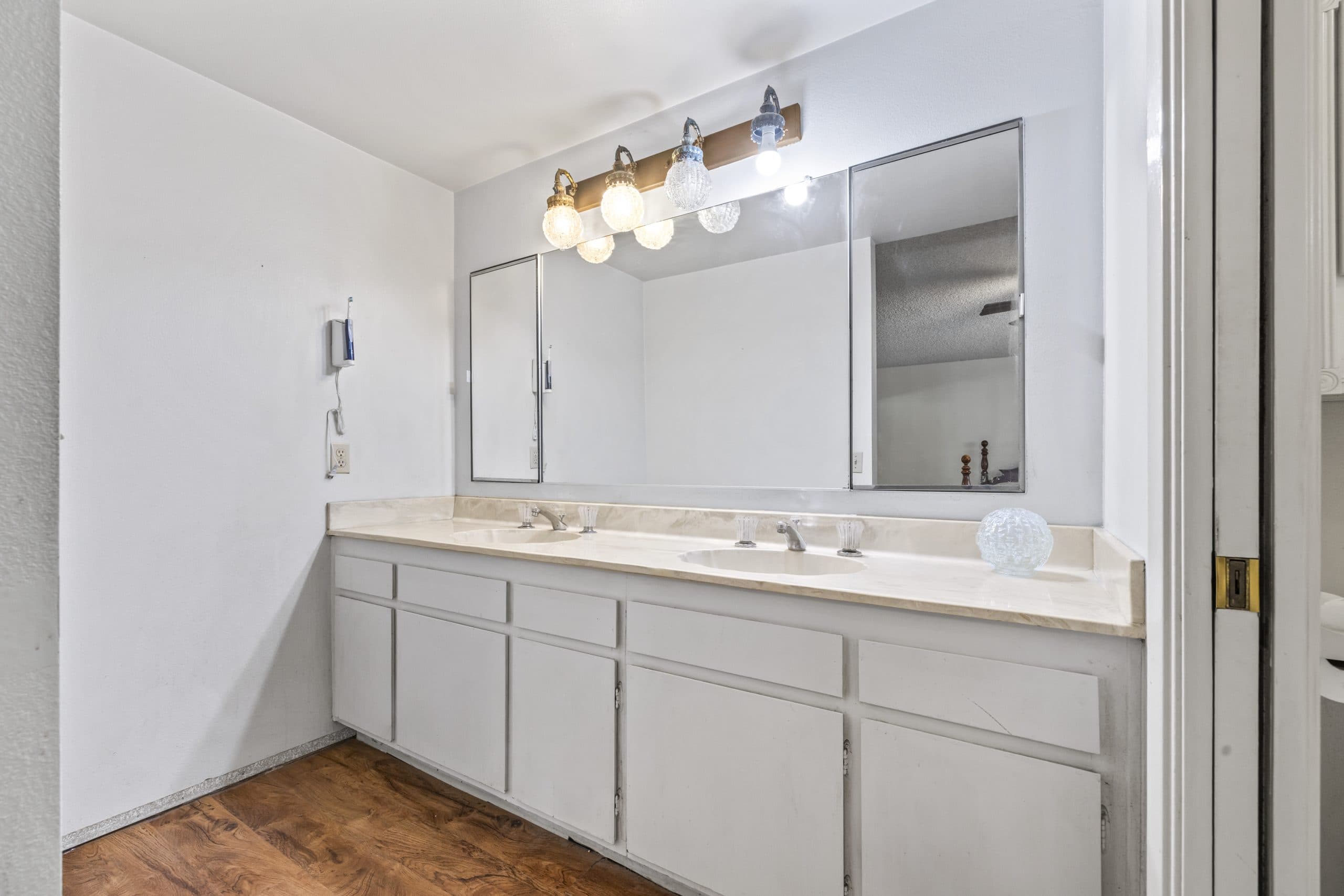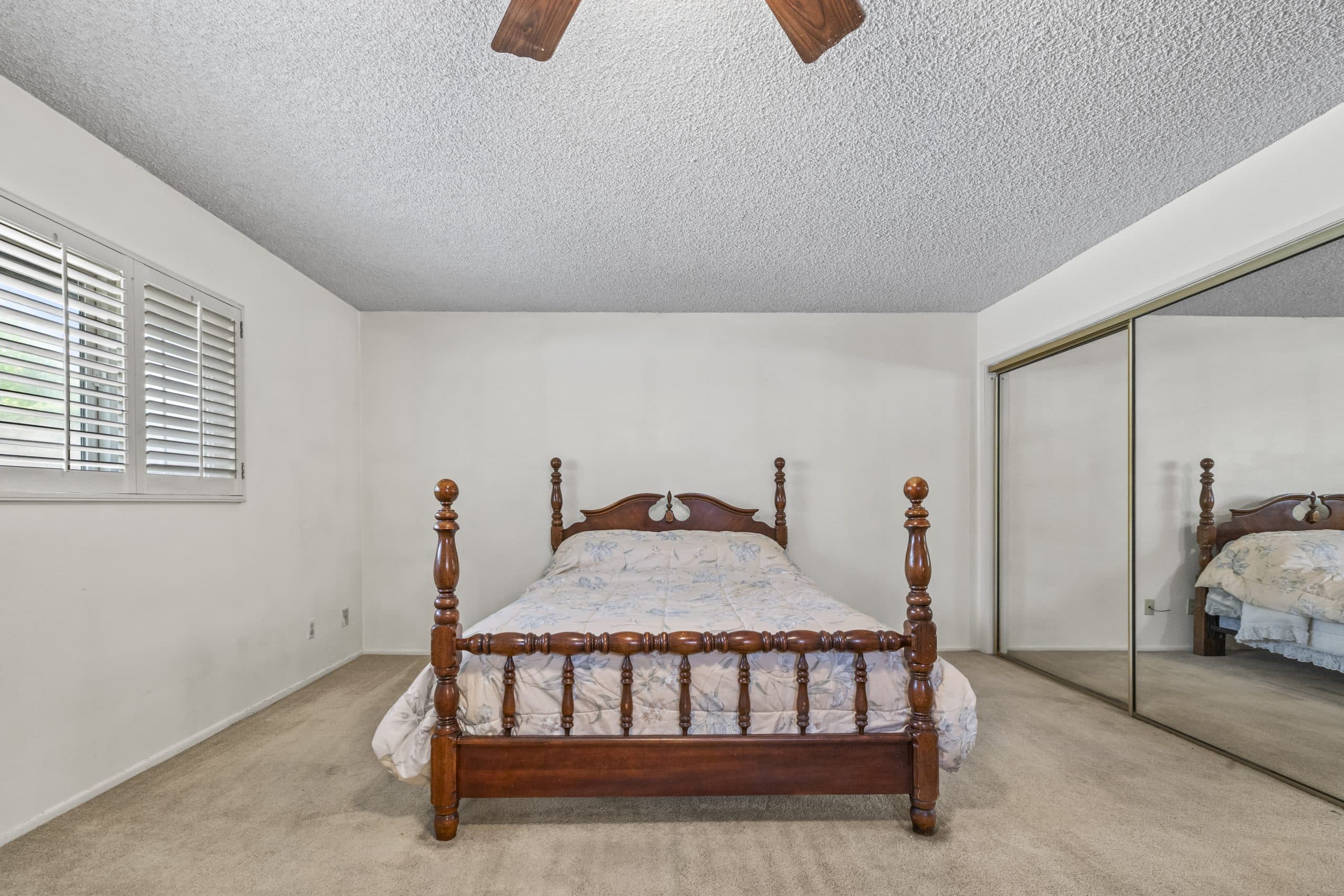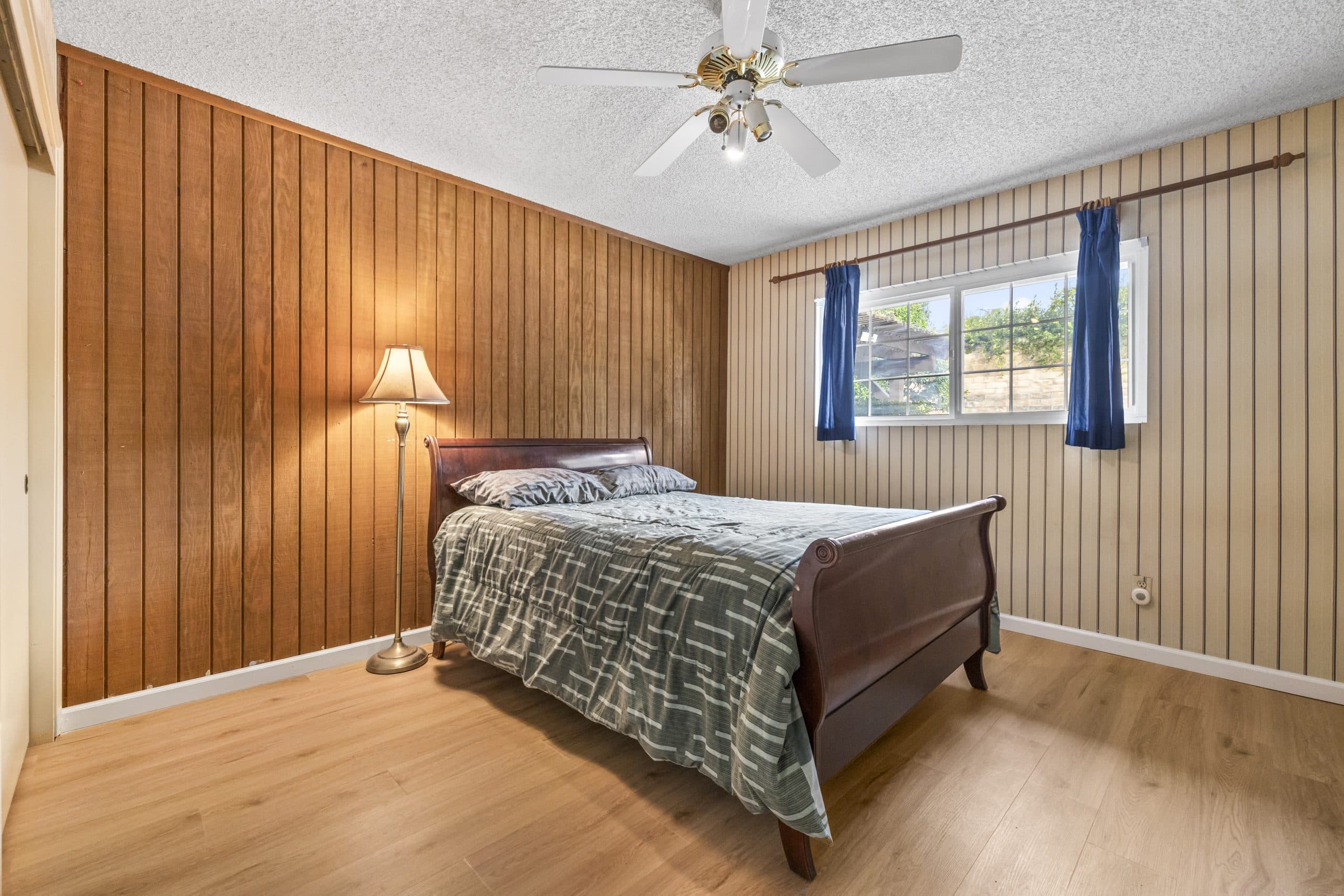
Nesting is the arrangement where the children stay put and the parents rotate. The house stays the children's home; the adults move in and out on a schedule, each keeping somewhere else to be during their off weeks. It has become common enough that I am now asked about it several times a year in Claremont, usually by parents of school-age children who cannot face the idea of two moves in one year.
This page is about what nesting means for the property, because that is the part I know. Whether it suits your family, and how it interacts with support, custody, and the eventual division of assets, is a matter for your attorneys and any professional working with your children. Nothing here is legal advice, and I have no view on whether either parent should be proposing it.
The house becomes infrastructure
The useful way to think about a nested home is that it stops being anyone's private residence and becomes shared infrastructure with two users. Almost every practical problem in a nesting arrangement follows from that shift, and almost every solution is the sort of thing co-owners of anything write down in advance.
Whose furniture is it. Who buys the groceries that stay in the house. What happens to the mail. Who is allowed in the house during the other parent's weeks, and who is not. Whether a new partner ever sets foot in it. Who cleans, and to what standard, and what happens when one parent's standard is not the other's.
None of that is glamorous, and all of it is the actual substance of whether the arrangement holds. Attorneys draft it; the parties live it.
Money questions the property raises
A nested house has the same bills as any house and two people with a claim to it. The items that need to be answered in writing are familiar from any co-ownership:
- Mortgage, taxes, insurance. Who pays, in what shares, and from which account.
- Utilities and services. Including who is on each account and who is liable if a bill goes unpaid.
- Maintenance. Ordinary upkeep and who authorises it, plus a threshold above which both parents must agree.
- Emergencies. What happens when the water heater fails during one parent's week at ten at night.
- The second homes. Whether the off-week accommodation is funded jointly or separately.
How any of these are treated in the eventual division of property, and whether payments made during a nesting period are reimbursable, are legal and sometimes tax questions. Ask your attorney; ask a CPA about anything with a tax dimension. Do not settle them by assumption, and do not settle them from a template found online.
What nesting does to the asset
Two things about the property itself are worth naming, without any suggestion that they should decide the question.
First, a home occupied continuously and maintained normally holds up better than one that is half-abandoned. In that narrow sense nesting is kinder to the asset than an arrangement where nobody feels responsible for it. Claremont's older stock in particular rewards steady maintenance and punishes neglect.
Second, the arrangement postpones a decision rather than making one. The mortgage stays as it is, both names generally stay where they are, and neither parent is building independent housing history in a home of their own. If refinancing into one name is going to be part of the eventual outcome, the qualifying question is still waiting at the end of it — see Refinancing to Keep the Claremont House After Divorce for the shape of that conversation, and take the specifics to a lender.
When nesting ends
Most nesting arrangements are described from the start as temporary, and most of them end. Sometimes on the planned date, sometimes earlier, occasionally because one parent's circumstances change. Whatever ends it, the house is then in one of the ordinary positions this cluster covers: one parent buys the other out, or it sells.
If it sells, the listing has a specific character. The home has been maintained by two people to two standards, it may have accumulated an odd mix of furnishings, and both parents have been living partly elsewhere and are tired. The preparation conversation is best had jointly and early, with a written agreement on who funds what and how it is accounted for at closing.
The showing question also comes up quickly. In a nested house, showings interrupt whichever parent is on duty that week, with the children present. Grouped windows with real notice, scheduled around school hours where possible, are worth setting up before the sign goes in the ground. The occupied-listing mechanics are covered in When One Spouse Still Lives in the Claremont House, and most of it transfers directly.
How I handle a nested listing
The same way I handle every divorce listing, which is to say identically for both owners. Every update goes to both parents at the same time and in writing. Scheduling is coordinated with whoever is in the house that week, but decisions are presented to both. I do not carry messages, I do not comment on the arrangement, and I do not accept instruction from one parent about the other in either direction.
I also do not let the circumstances into the marketing. Buyers see a well-kept family home and nothing else. Nothing in the photographs, the remarks, or the conversation at a showing signals what is happening, because a buyer who senses distress negotiates accordingly, and that cost lands on both owners equally.
The honest summary
Nesting solves one problem, which is the children moving, and it creates another, which is two adults sharing a house they are no longer sharing a life in. Families for whom it works tend to have unusually good communication, written terms, and a defined end point. Families for whom it does not tend to have discovered that in month four.
Neither outcome reflects on anybody. These decisions are made in a hard year, generally by two people with very little left in reserve, and there is no reason to reach the answer this week. Get it drafted, give it an end date, and revisit it honestly.
The full map is the Claremont divorce sales guide. Anthony Grynchal has been licensed in California since November 2009.
Frequently asked questions
What is a nesting arrangement?
It is an arrangement where the children remain in the family home full time and the parents rotate in and out on a schedule, each maintaining separate accommodation for their off periods. Whether it is workable in a given family, and how it interacts with custody and support, is a matter for your attorneys and any professional working with your children.
Who pays the mortgage during a nesting period?
Whatever the parties agree or a court orders. Because the arrangement leaves both names in place and both parents partly resident, the payment terms should be written down at the outset, along with utilities, maintenance thresholds, and how any of it is accounted for later. Reimbursement questions go to your attorney and tax questions to a CPA.
Does nesting damage the value of the house?
Not inherently. A continuously occupied and properly maintained home generally holds up better than a neglected one. The risk is not the arrangement itself but ambiguity about who is responsible for upkeep, which is why a maintenance clause with a spending threshold is worth drafting before the arrangement begins.
What happens to the house when nesting ends?
It goes to one of the ordinary outcomes: one parent buys the other out, or the property is sold. Either way the decision belongs to the parties or the court. If it sells, plan preparation, funding of that work, and the showing schedule jointly and early, since the home has been maintained by two people to two standards.

Written by
Anthony Grynchal
Anthony Grynchal is a California real estate professional with eXp Realty, licensed since November 2009 (California DRE# 01873626), and the Designated Local Expert™ for Claremont — where he has lived for more than 33 years.
More about AnthonyPublished · Updated