A house does not pause because the people who own it are separating. The lawn keeps growing, the insurance keeps renewing, the roof keeps being however old it is. Somebody has to keep the thing running while it is on the market, and in a divorce sale that somebody is often unclear.
This article is about the operational layer only: insurance, utilities, yard, pool, pests, security, and the repairs a sale actually needs. Who ultimately bears those costs, and how they are accounted for between the parties, is a legal question for counsel and may be governed by a court order. I have no view about how it should land. Both parties hear the same things from me at the same time, and nothing here suggests a timeline anyone should feel pressured by.
Insurance is the one that bites
Of everything on the list, homeowners insurance is where I have seen real money lost, and it is almost always avoidable.
Two risks worth raising with your carrier rather than assuming. First, occupancy. Many policies treat a vacant property differently from an occupied one, and a home that empties out during a separation can drift into a status the existing policy was not written for. Second, the named insured. If ownership arrangements change, or if a person named on the policy moves out, the coverage should be reviewed rather than left to chance.
Neither point is something to work out from memory or from a web page. Call the carrier or broker, describe the actual situation plainly, and get the answer in writing. That call costs nothing and a coverage gap discovered after a loss costs a great deal.
Also confirm who receives the renewal notice and who is paying it. A lapsed policy on a property with a mortgage tends to produce lender-placed coverage, which is expensive and which nobody chose.
Utilities, which matter more than they sound
Utilities look trivial and are not, for a specific reason: inspections.
A buyer's inspector needs power, water, and gas on to test systems. A home with utilities shut off cannot be properly inspected, and the practical result is either a delay while service is restored or a buyer working from an incomplete picture. Neither helps a sale.
So keep service on through closing, decide who pays, and make sure the accounts are not in the name of someone who has moved out and stopped watching the bills. Water in particular matters in a Claremont summer, when landscaping can decline quickly and visibly.
The yard, the pool, and curb appeal
Presentation is not vanity when a house is listed. It is the first thing every buyer sees, and it deteriorates fastest in exactly the period when both owners are distracted.
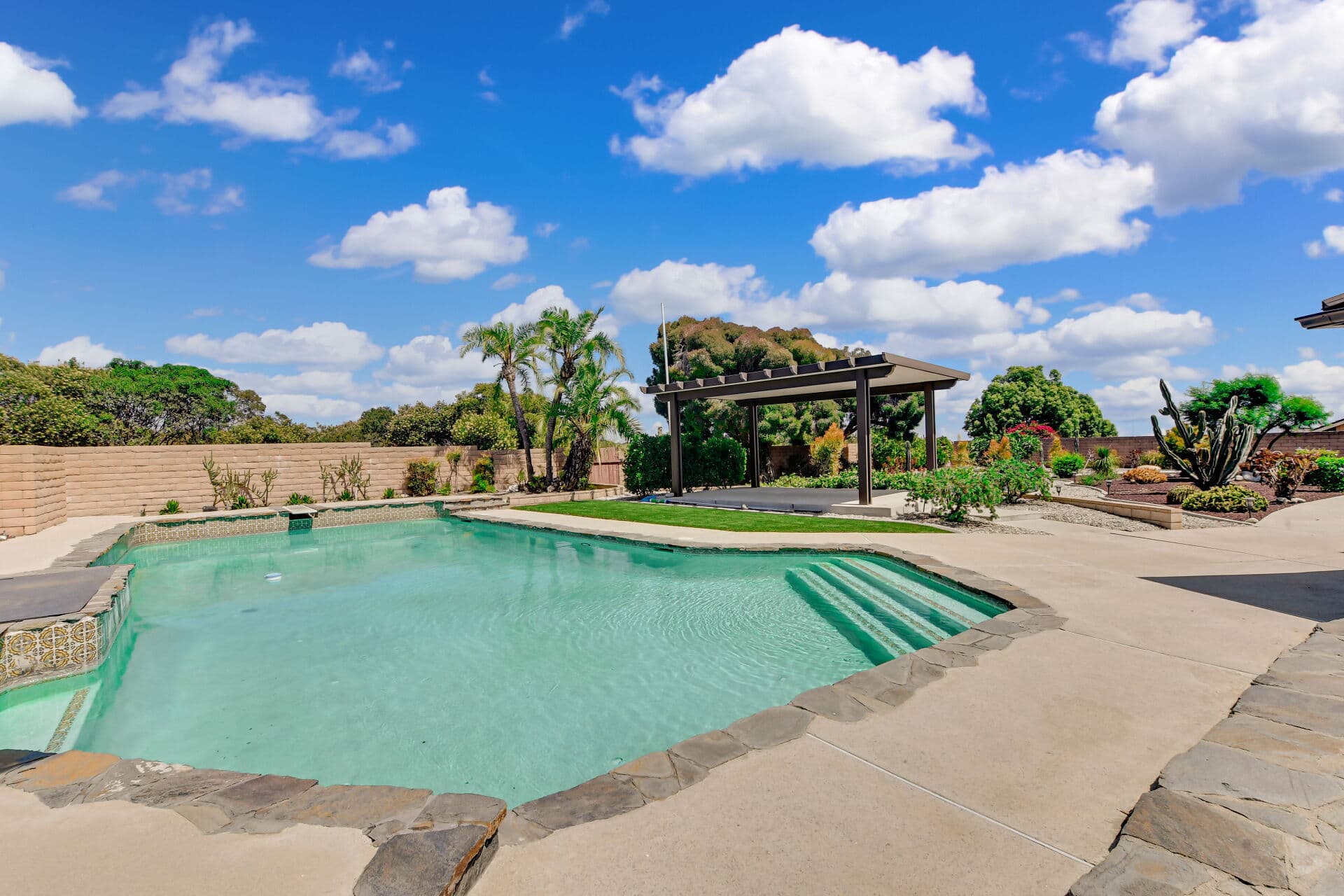
The workable answer is usually a service on a schedule rather than an arrangement depending on whoever remembers. Landscaping every week or two. Pool service if there is a pool, because a neglected pool photographs badly and reads as deferred maintenance generally. Someone collecting mail and packages so the property does not look abandoned.
Where one spouse is still living in the home, some of this happens naturally, though it is worth agreeing rather than assuming; the wider dynamic is covered in When One Spouse Still Lives in the Claremont House. Where both have moved out, everything on this list has to be assigned deliberately, and the early decisions around that are set out in Divorce and the Claremont Home: Options, Process, Privacy.
Repairs, and the authority to order them
Older Claremont homes generate inspection findings. That is normal. What is not normal, and what causes trouble, is discovering mid-escrow that neither party can authorise a repair without the other and the other is not answering.
Agree three things in advance, in writing.
- A threshold below which either party can authorise routine work without waiting.
- A process above that threshold: who is consulted, how quickly, and what happens on silence.
- A payment route, including whether costs are advanced by one party and reconciled at closing.
If counsel is comfortable with it, note that the arrangement is administrative and without prejudice to any accounting between the parties. That framing tends to lower the temperature considerably, because it removes the fear that agreeing to fix a water heater concedes something larger.
Keep the receipts, and keep them separately
Both parties should retain their own records of what was spent, on what, and when. California family law has doctrines that address post-separation payments and use of a community asset, and how any of that applies is entirely for counsel. The point here is narrower and practical: reconstructing a year of maintenance spending from bank statements at the end is miserable and often inconclusive.
Keep invoices. Note the date and who arranged the work. Separate ordinary maintenance from anything that could count as an improvement. That habit costs nothing now.
Security and the empty-house problem
If the home is vacant, treat it as such. Timers on lights. Deadbolts that work. A neighbour or agent laying eyes on the property regularly. Any valuables removed rather than left in a house being toured by strangers.
Both parties should have clarity about who holds keys and who has access, and any court orders limiting access must be respected absolutely. Where a protective order is in place, the arrangements are not an area for improvisation.
What good looks like
A short written schedule, agreed at listing, naming who is responsible for insurance, each utility, landscaping, pool, mail, and repairs, with a payment route and a note about record-keeping. One page. Signed or at least confirmed by email between counsel.
Producing that page takes half an hour and prevents most of the sale-period friction I see. Skipping it does not save the half hour; it moves the conversation to a worse moment, usually with a buyer waiting.
For the wider process, see the Claremont divorce sales hub. Legal questions to your attorney, tax questions to your CPA, insurance questions to your carrier in writing. Anthony Grynchal has been licensed in California since November 2009.
Frequently asked questions
Does homeowners insurance change if the house becomes vacant?
Many policies treat vacant property differently from occupied property, so a home that empties out during a separation may not be covered as the owners assume. Describe the actual situation to your carrier or broker and get the answer in writing.
Should utilities stay on while the house is listed?
Yes, through closing. A buyer's inspector needs power, water and gas on to test systems, and a home without service either delays the inspection or leaves the buyer with an incomplete picture. Decide who pays and check the account names.
Who can authorise a repair during escrow?
Whatever the parties agree in writing or a court orders. A workable pattern is a threshold for routine work either party can approve, a consultation process above it, and an agreed payment route reconciled at closing.
Do we need to keep receipts for upkeep during the sale?
Both parties should keep their own, with dates, amounts and who arranged the work, and keep maintenance separate from improvements. California has doctrines addressing post-separation payments, and how they apply is a question for counsel.

Written by
Anthony Grynchal
Anthony Grynchal is a California real estate professional with eXp Realty, licensed since November 2009 (California DRE# 01873626), and the Designated Local Expert™ for Claremont — where he has lived for more than 33 years.
More about AnthonyPublished · Updated