Every downsizing checklist covers furniture. Almost none of them cover the boat.
And yet the vehicles are frequently the thing that stalls the whole plan. A household leaving a house with a three-car garage, a side yard, and a long driveway is not just losing storage for boxes. It is losing the place where a trailer, a project car, an RV, and a third vehicle nobody has driven in fourteen months have quietly lived for years.
Nobody plans for this because it does not feel like part of the move until the new place has one garage space and a permit-only street.
Do the inventory early, and be literal about it
Walk the property and write down every wheeled thing. Not just what is registered - everything.
The daily drivers. The spare car. The motorcycle. The boat and its trailer. The utility trailer. The camper. The golf cart. The bicycles, which take more room than anyone expects. The riding mower, if there is one, which becomes instantly irrelevant when the lawn goes.
Next to each, write two things: how often it moved in the last year, and what it would take to sell it. Then note whether registration and insurance are current, because that is where the ugly surprises live. A trailer that has not been registered in six years is not simply an item to sell. It is a paperwork project first.
Do this early. Vehicle disposal is one of the few downsizing tasks that runs on someone else's schedule - buyers, the DMV, a title you cannot find - and it does not compress well.
Count the space you are actually buying
People shop for homes by bedrooms and rarely by parking, then discover the problem after.
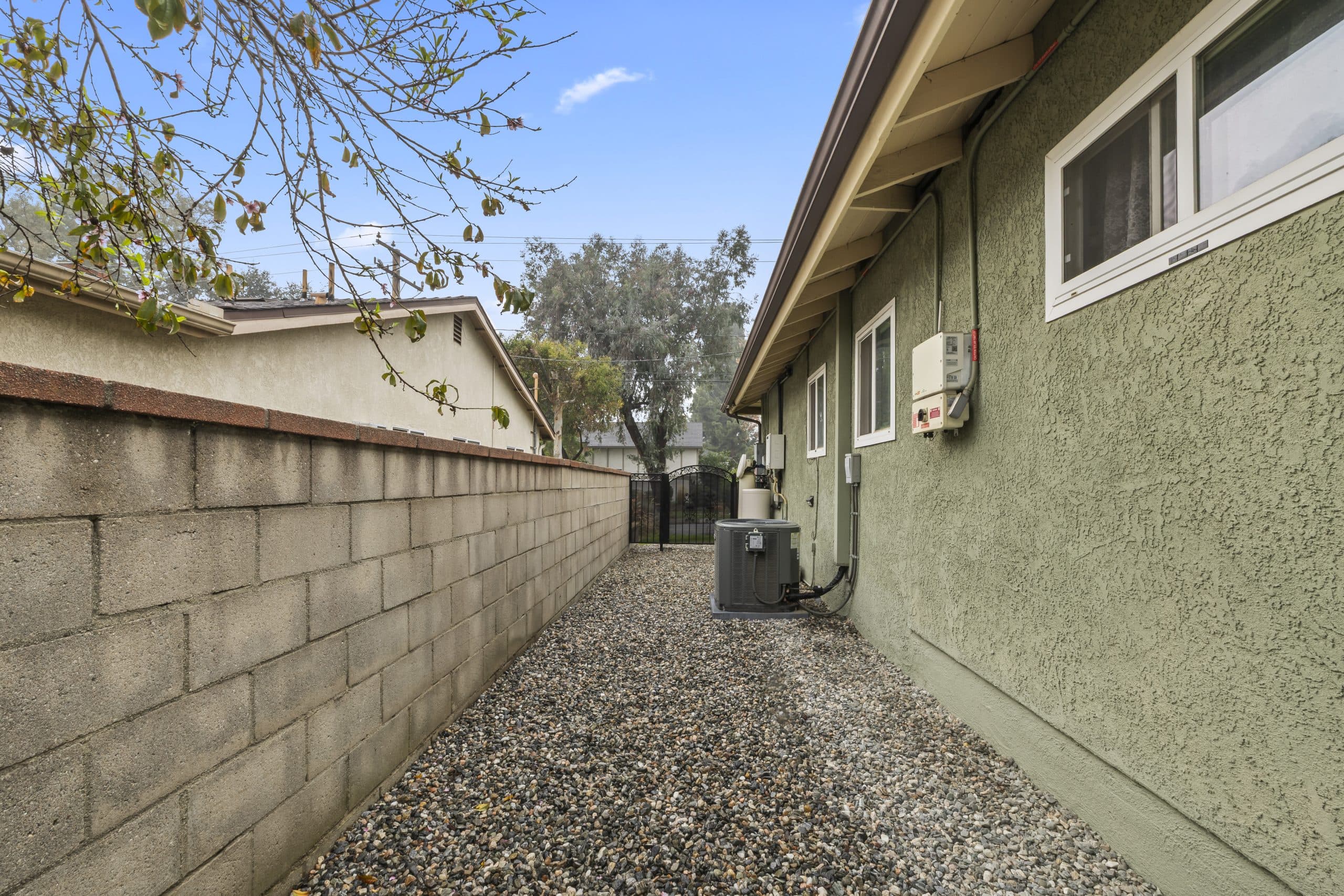
Be specific. How many covered spaces? How many uncovered? Is the driveway long enough for a second vehicle behind the first, and does that block anyone in? Is there any side yard access, and is the gate wide enough for anything with a hitch?
Then the rules. In a condo or townhome with an association, there is almost always a governing document that addresses parking, and it very frequently prohibits boats, RVs, trailers, and commercial vehicles from being stored in view. Sometimes it limits how many vehicles a household may have. Sometimes it restricts working on a car in the driveway.
Read that document before you are in contract, not after. This is one of the most common surprises in the move from a detached house to an association-governed home, and it is entirely avoidable by asking.
Street parking is the other half. Overnight restrictions, permit requirements, and street sweeping schedules vary by area, and the correct place to confirm what applies to a specific address is the City of Claremont rather than a neighbor's recollection.
The four honest options for each vehicle
Keep it, sell it, give it, or store it. Those are the choices, and the fourth one deserves suspicion.
Keep is correct when the thing gets used and the new property genuinely accommodates it. Confirm the accommodation before you commit rather than assuming you will figure it out.
Sell is right for most of the rest, and the honest advice is to start earlier than feels necessary. A specialty item - a boat, a camper, a partly restored car - can take months to find the right buyer, and a seller working against a closing date has very little leverage. The same dynamic applies to a lot of household goods, which is why the real timeline of a downsizing move is worth reading before setting any dates.
Give covers the ones where the value is emotional rather than financial. The project truck a son has always wanted. A trailer a neighbor would use. This is often the cleanest outcome, and it is worth being clear that you are handing over the registration and the responsibility along with the keys.
Store is where plans go quietly wrong. A monthly fee for something not being used, that you will not visit, that is depreciating, is a bill with no end date. It is occasionally the right call for a short bridge between homes. It is rarely the right call as a permanent answer, and it very often becomes one by default.
The project car and the boat are not really about transport
Worth naming, because the practical framing misses the point.
The half-finished car in the garage is frequently the last physical evidence of a plan someone made for their retirement. Selling it is not a logistics decision. It is a decision about whether that plan is still happening.
The boat is often the same. It represents summers with grandchildren, or a version of the next ten years, and letting it go can feel like agreeing to a smaller future.
Sometimes the honest answer is that it should go, and the person needs a little time rather than a better argument. Sometimes the honest answer is that it stays and the house search now includes a hard requirement, which narrows the field and is fine. What does not work is treating it as clutter and pushing.
If it is going, giving it a proper ending helps - a last outing, photographs, handing it to someone who will use it. The emotional side of this is the same as the rest of the move, and it is covered in the emotional side of leaving a longtime Claremont home.
Paperwork and practicalities
Find the titles now. This is the single most common delay. Titles for trailers and older vehicles have a way of being in a file nobody has opened in a decade, and replacing one takes time.
Confirm registration status on everything before listing it, and be straightforward with buyers about anything that is not current.
Notify insurance as vehicles leave. People routinely carry coverage on a car sold four months earlier.
And if a vehicle is genuinely dead - non-running, no title, no buyer - deal with it as its own small project rather than leaving it for the last week. A non-operational vehicle in a driveway is also a real problem for showing the house, because it reads to buyers as deferred maintenance everywhere else.
When the vehicles argue for staying
Occasionally they do, and that is a legitimate finding.
If the workshop and the vehicles are the center of someone's week, a move into a home with one garage space and rules against working on a car is not a downsize. It is the removal of a hobby, and that cost belongs in the decision honestly.
Sometimes the answer is a smaller home with a bigger garage, which exists and is worth searching for specifically. Sometimes the answer is staying where you are. Neither is a failure.
For the rest of the cluster, start at the Claremont downsizing guide. If you want help thinking through what a specific property can actually accommodate, that is a reasonable thing to ask before you make an offer rather than after.
Anthony Grynchal has been licensed in California since November 2009.
Frequently asked questions
What should I do with a boat or trailer when downsizing?
Decide early, because specialty items take months to sell and a seller working against a closing date has little leverage. Inventory everything with wheels, note how often it moved in the last year, confirm the title and registration are in order, then choose between keeping, selling, giving, or a genuinely temporary storage arrangement.
Can I keep an RV or boat at a condo or townhome?
Frequently not. Association governing documents commonly prohibit storing boats, RVs, trailers, and commercial vehicles in view, and some limit the number of vehicles per household or restrict working on a car in the driveway. Read the documents before you are in contract.
Is renting storage for extra vehicles a good idea?
It works as a short bridge between homes. As a permanent answer it is a monthly bill for something depreciating that you rarely visit, and it tends to become permanent by default rather than by decision.
How do I check parking rules for a specific Claremont address?
Confirm overnight restrictions, permit requirements, and street sweeping schedules with the City of Claremont rather than relying on what a neighbor remembers, and read the association documents separately if the property is governed by one.

Written by
Anthony Grynchal
Anthony Grynchal is a California real estate professional with eXp Realty, licensed since November 2009 (California DRE# 01873626), and the Designated Local Expert™ for Claremont — where he has lived for more than 33 years.
More about AnthonyPublished · Updated