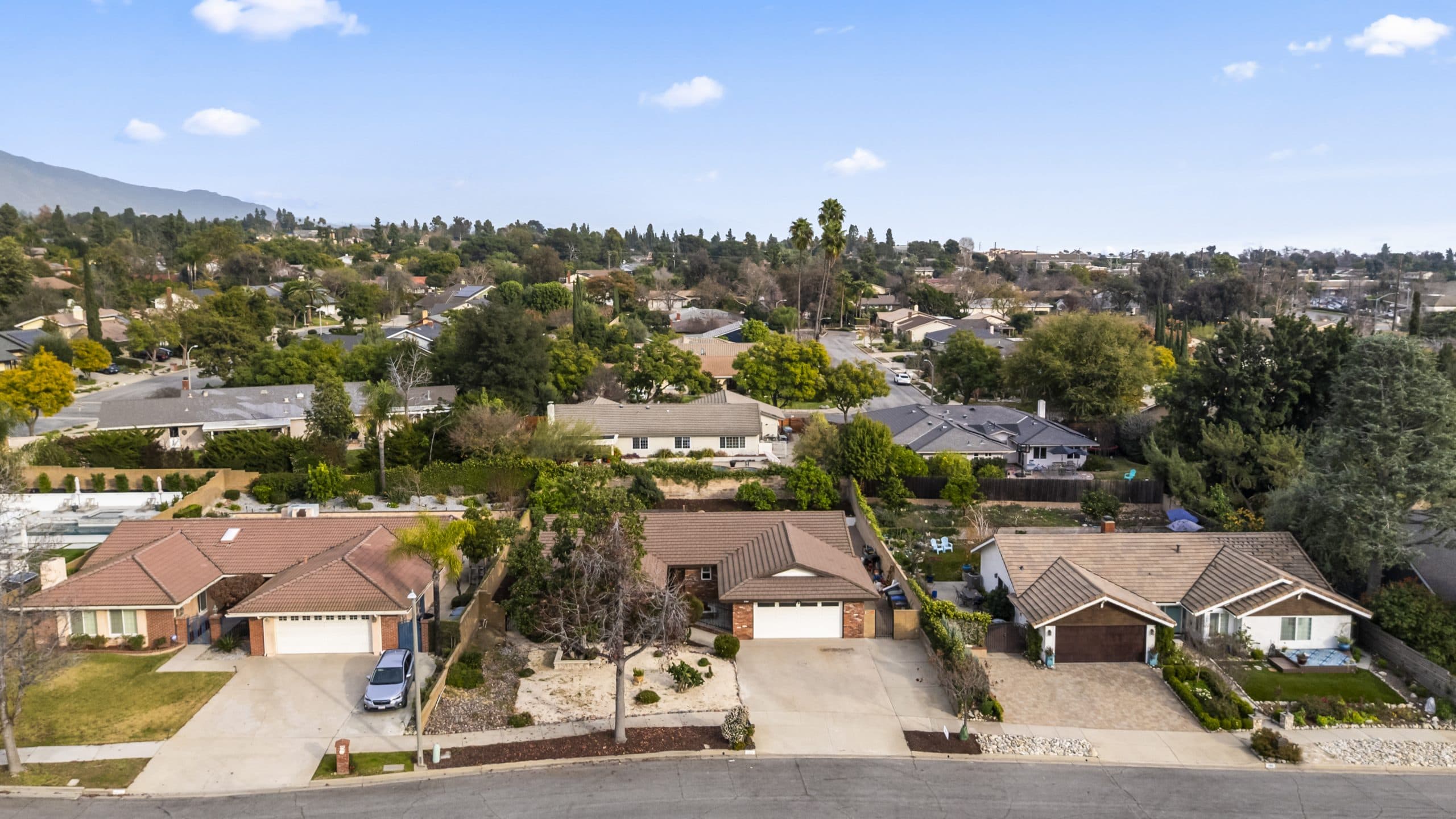
Two features on a Claremont home reliably add work to an escrow that would otherwise be routine: a solar system the seller does not own outright, and a home improvement financed through an assessment on the property tax bill.
Both are ordinary. Both are handled every day. Both fail the same way, which is late discovery. The obligations attached to them are not always obvious from looking at the house, and they involve outside companies that answer on their own schedule.
This article is about the escrow mechanics. Whether a particular arrangement is a good deal is a separate question.
First: what kind of solar is it?
Before anything can be planned, establish which of three situations applies, because they behave completely differently in escrow.
OWNED OUTRIGHT, paid in cash. The panels are part of the property and transfer with it. There is essentially nothing extra to do beyond warranty documentation and monitoring credentials.
OWNED BUT FINANCED with a loan secured against the property. There is a lien on title, and it behaves like any other monetary lien - obtained, demanded, paid, released, through the machinery the payoff and reconveyance guide describes.
THIRD-PARTY OWNED - a lease or a power purchase agreement. The seller does not own the equipment. A company does, and there is a contract with a remaining term that somebody has to be responsible for after closing.
The third case is the one that generates work, and the first task is simply to get the actual agreement. Not a summary, not the seller's recollection. The document.
Third-party solar: the transfer process
Solar providers have their own transfer or assumption process, and it typically involves an application, a credit review of the buyer, and a package of documents both parties sign. It runs on the provider's timeline, not the transaction's.
Start it the week escrow opens. This is the same principle the HOA document guide applies to associations: any workstream owned by an outside organization goes to the front of the calendar, because urgency from the agents does not change how fast that organization answers.
Two other items travel with it.
A UCC-1 FINANCING STATEMENT is often filed against the equipment, and it may appear on the preliminary title report. It is generally not a lien against the real property in the way a deed of trust is - it is a claim on the equipment - but title will still want it addressed, and the provider usually supplies a subordination or acknowledgment. Ask the title officer what they require and ask the provider for it in the same week.
The LENDER has an interest as well. A buyer's lender reviews the solar agreement and may have requirements about the payment obligation, the equipment, or the UCC filing. That is a lender question, and it should be asked in writing early, because the answer occasionally changes what the parties need to negotiate.
If the provider will not transfer, or the buyer does not qualify, the alternative is usually a buyout by the seller, funded from proceeds. That is a real possibility and it should be priced before contingencies are released rather than after.
PACE and similar tax-bill financing
Property Assessed Clean Energy financing pays for improvements - solar, windows, HVAC, water measures - and repays through an ASSESSMENT ON THE PROPERTY TAX BILL rather than a conventional loan.
That mechanism is what makes it distinctive in escrow. Because the obligation rides on the tax bill and attaches to the property, it does not simply follow the seller out the door.
Three practical consequences.
It is discoverable from the tax records and the title report, so ask about it explicitly rather than waiting for it to appear. Sellers sometimes do not think of it as debt at all, because they experience it as a larger tax bill.
Many mortgage lenders will not permit such an assessment to remain in a lien position ahead of their loan, which in practice means it is frequently PAID OFF THROUGH ESCROW at closing. The payoff amount is obtained from the administrator, and it is not the same as the remaining balance a homeowner might assume.
And it interacts with proration. Because it appears on the tax bill, the way it is handled has to be coordinated with the ordinary tax proration - the arithmetic in the proration guide. Ask escrow to show the treatment on the estimated settlement statement rather than assuming it nets out.
Disclosure runs both directions
A seller with third-party solar or a tax-bill assessment should disclose it plainly and early, with documents attached. It is not a defect and it is not embarrassing. What causes trouble is a buyer learning about a monthly obligation or an elevated tax bill late in the process, which converts a manageable term into a trust problem.
A buyer should ask directly in every case: is there solar, who owns it, is there any assessment on the tax bill, and may I see the paperwork. The answer shapes both the monthly cost of ownership and the escrow timeline.
Money and fraud
Both arrangements can involve payoffs to companies most people have never dealt with. Let escrow obtain the payoff figures and instructions directly from the provider or administrator, and let escrow send the funds.
Any payment instruction that arrives by email, from anyone, gets verified by telephone on a number obtained independently - the company's published number, not one in the message. Unfamiliar payees in a closing are exactly what wire fraud dresses itself as.
The sequence that works
Identify the arrangement in the first week. Get the actual documents. Start the provider's transfer process immediately. Ask title what it requires for any UCC filing. Ask the lender in writing what it requires. Order the assessment payoff figure early. Confirm the treatment on the estimated settlement statement. Then close.
Contract interpretation goes to an attorney. Loan requirements go to the lender. Payoff figures and settlement treatment go to the escrow officer.
The escrow guide covers the surrounding sequence. This is general information, not legal or tax advice.
Anthony Grynchal has been licensed in California since November 2009.
Frequently asked questions
What happens to a leased solar system when a Claremont home sells?
The provider owns the equipment, so there is a contract with a remaining term that someone must be responsible for after closing. Providers run their own transfer or assumption process, typically involving an application, a credit review of the buyer, and documents both parties sign on the provider's timeline.
Does solar show up on the title report?
Often, as a UCC-1 financing statement filed against the equipment. That is generally a claim on the equipment rather than a deed of trust against the real property, but title will still want it addressed, usually through a subordination or acknowledgment from the provider.
What is PACE financing and how does escrow handle it?
It finances improvements and repays through an assessment on the property tax bill rather than a conventional loan, so the obligation attaches to the property. Many mortgage lenders will not allow it to stay ahead of their lien, which in practice means it is frequently paid off through escrow.
When should solar and assessment questions be asked?
In the first week. Ask whether there is solar, who owns it, whether any assessment appears on the tax bill, and request the actual documents. Outside companies answer on their own schedule, so late discovery is what turns a routine item into a delay.

Written by
Anthony Grynchal
Anthony Grynchal is a California real estate professional with eXp Realty, licensed since November 2009 (California DRE# 01873626), and the Designated Local Expert™ for Claremont — where he has lived for more than 33 years.
More about AnthonyPublished · Updated