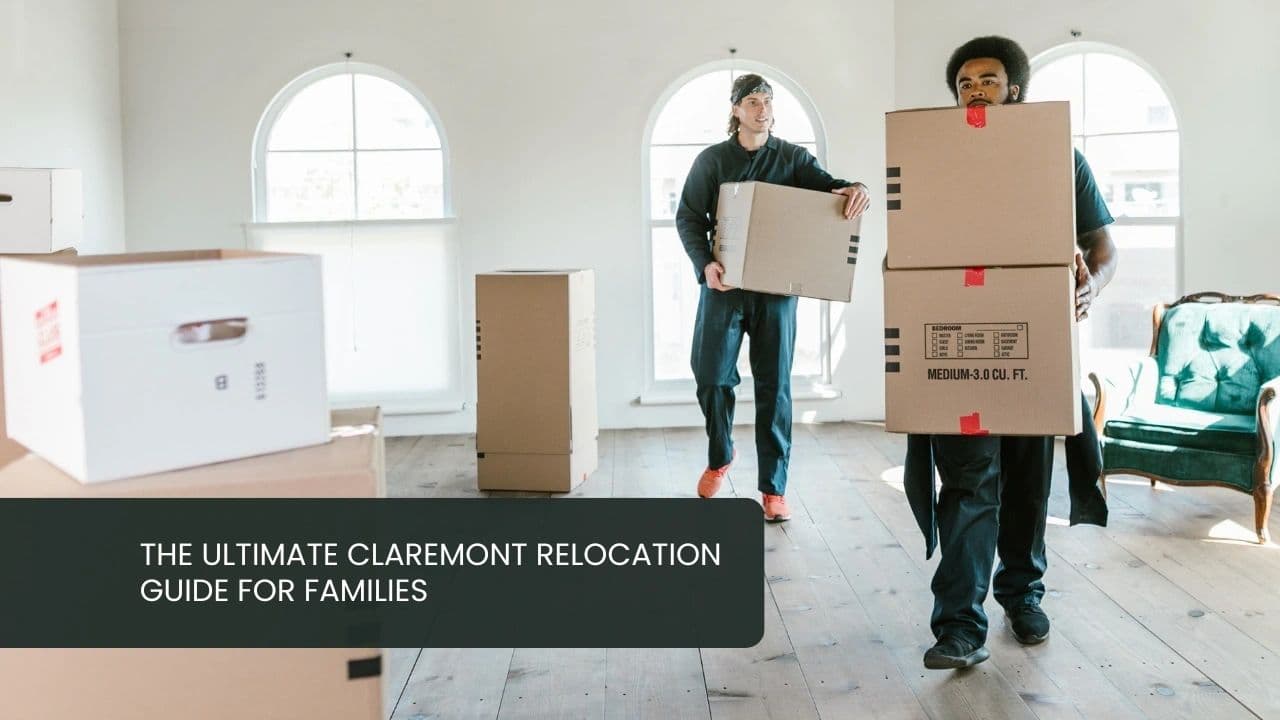
Relocating to Claremont, California is more than moving—it’s embracing a new lifestyle. With tree-lined streets, a charming Village, foothill views, and a strong sense of community, Claremont attracts families, professionals, and retirees seeking a peaceful life near Los Angeles and other Southern California employment centers.
Mr. Claremont Real Estate provides full-service relocation guidance, including neighborhood and school selection, financing, inspections, and market timing. Use this checklist to plan a smooth move and make informed decisions.
1) Quick Orientation: Living in Claremont
Claremont offers a unique day-to-day experience:
- Claremont Village: Walkable streets with restaurants, coffee shops, boutiques, and community events.
- College town energy: The Claremont Colleges bring culture, lectures, and arts programs.
- Outdoor lifestyle: Foothill trails and parks for weekend activities.
- Strong neighborhood pride: Impacts both quality of life and resale value.
A Claremont local realtor can translate these qualities into practical choices for schools, transportation, noise levels, and neighborhood atmosphere.
2) Jobs & Commute Planning
Before choosing a home, map out:
- Work locations and commute times
- School drop-off/pick-up schedules
- Gym, groceries, and weekend activities
- Freeway access frequency
Common relocation patterns:
- Residents often work near educational, healthcare, and professional hubs.
- Hybrid work arrangements are increasingly common.
- Reliable freeway access is essential but should not compromise Claremont’s small-town character.
Tip: A neighborhood that improves daily routines often provides higher long-term value than a slightly larger home in a less convenient area.
3) Housing Snapshot: Claremont Real Estate
Claremont offers diverse housing options:
- Village Area: Historic homes with charm and walkability.
- North & Central Claremont: Traditional single-family neighborhoods with space and privacy.
- Condos & Townhomes: Affordable entry points for first-time buyers.
- Foothill Areas: Spacious homes with panoramic views.
Market Trends for Relocating Buyers
- Turnkey homes command higher prices.
- Location impacts value as much as interior finishes.
- Competitive markets require strategic pricing and CMA guidance.
A local agent ensures you don’t overpay while crafting competitive offers.
4) Neighborhood Spotlights
Claremont Village
Best for: Walkability, coffee shops, community events Watch for: Maintenance needs of older homes
North Claremont
Best for: Spacious properties, peaceful living, foothill access Watch for: Higher costs across price segments
South Claremont
Best for: Convenient commuting, accessible routes Watch for: HOA considerations in condos/townhomes
Claraboya / Foothill Pockets
Best for: Views, privacy, premium lifestyle Watch for: Insurance requirements and hillside property considerations
5) Schools & Family Planning
Claremont attracts families for its top-rated schools and welcoming neighborhoods.
- School boundaries can change from street to street.
- Verify school assignments with official district resources before removing contingencies.
- Consider after-school programs and commute times.
A Claremont real estate broker helps match homes to your lifestyle before evaluating school zones.
6) Home Buying Checklist
Before Touring Homes
- ✅ Full pre-approval (ideally fully underwritten)
- ✅ Define must-haves vs. nice-to-haves
- ✅ True monthly budget (mortgage + taxes + insurance + HOA)
- ✅ Move timeline and flexibility
During the Search
- ✅ Compare micro-neighborhood pricing
- ✅ Check permits and upgrades for older homes
- ✅ Evaluate noise, parking, and weekend traffic
Making an Offer
- ✅ Use comp-driven strategy
- ✅ Plan for appraisal outcomes
- ✅ Prioritize inspections (safety & systems first)
7) Timing Your Sale + Purchase
For buyers selling a home elsewhere:
- Rent-back strategy: Stay temporarily in your sold home.
- Align closing schedules to avoid two mortgages.
- Stage your current home for a faster sale and better offers.
Proper coordination reduces stress and ensures smooth relocation.
8) Local Events & Attractions
New residents enjoy:
- Village events and seasonal gatherings
- Farmers markets and weekend dining
- Foothill trails and outdoor recreation
- College-area culture (arts, lectures, performances)
These lifestyle anchors influence where people choose to settle and maintain sustained market demand.
9) Home Improvement Ideas Post-Move
After moving in, focus on improvements that maximize comfort and value:
- Fresh paint and updated lighting
- Storage upgrades (closets, garage organization)
- Energy efficiency: smart thermostats, insulation checks, draft sealing
- Landscaping cleanup for immediate curb appeal
These adjustments provide a sense of stability and long-term property value.
10) Mortgage & Financing Options
Claremont buyers typically use:
- Conventional loans: Strongest for competitive offers
- FHA loans: Lower down payment options
- VA loans: For eligible veterans/service members
- Bridge strategies: For complex relocations
Discover Excellence in Real Estate: Your Ultimate Guide to the Best Agent in Claremont for Expert Advice!
Unlock the secrets to realtor success by overcoming common challenges with proven solutions! Learn more About How Much is My Claremont Home Worth? Understanding Appraisals
FAQs
Is Claremont a good place to relocate? Yes. The Village lifestyle, excellent schools, foothill location, and strong community attract residents seeking a balanced Southern California life.
What neighborhoods are best for relocation? Popular starting points: Claremont Village, North Claremont, South Claremont, and Claraboya/Foothill areas.
Should I buy a house or condo? Depends on budget, maintenance preferences, and lifestyle. Condos/townhomes are ideal entry points; single-family homes offer more space and outdoor living.
How do I find a reliable Claremont agent? Look for local experience, strong reviews, and comprehensive relocation services from financing to closing.
Do I need to verify school boundaries? Yes. Boundaries vary by street and may change. Always confirm with official district sources.
What costs should I budget for besides the mortgage? Include property taxes, insurance, HOA fees, utilities, maintenance, and future improvements.
Can I relocate and buy if I’m also selling a home? Yes. Proper timeline coordination and financial planning prevent duplicate moves and minimize stress.

Written by
Anthony Grynchal
Anthony Grynchal is a California real estate professional with eXp Realty, licensed since November 2009 (California DRE# 01873626), and the Designated Local Expert™ for Claremont — where he has lived for more than 33 years.
More about AnthonyPublished · Updated