Unlock the Secrets to a Fast Home Sale in Claremont
Selling your home quickly in Claremont starts with understanding the pulse of a dynamic and highly localized market. With neighborhoods ranging from the historic charm of The Village to the spacious estates of San Antonio Heights, each area operates under its own set of real estate rhythms. Recent trends show homes in prime locations often sell within weeks—but only when aligned with current buyer expectations and pricing intelligence.
In Claremont, success isn’t just about putting a “home for sale” sign in the yard. It’s about interpreting micro-market signals like days on market, pricing velocity, and inventory shifts that vary block by block. Whether you're near Pomona College or nestled in the foothills, seasonal demand, buyer demographics, and property type all influence how fast—and for how much—your home can sell.
This guide reveals the proven strategies top sellers use to stand out in competitive pockets of Claremont. You’ll learn how to assess your neighborhood’s market conditions, position your home for maximum appeal, and avoid common pricing pitfalls that lead to prolonged listings. By the end, you'll have a clear roadmap to selling faster—and smarter—in one of Southern California’s most sought-after communities.
Prepare Your Claremont Home for a Fast, Profitable Sale: A Step-by-Step Guide
Selling your home quickly in Claremont starts with meticulous preparation that appeals to discerning local buyers. Follow these proven steps to maximize appeal and accelerate your sale.
- Declutter Relentlessly Remove excess furniture, personal items, and décor to create spacious, neutral environments. Buyers in Claremont’s historic neighborhoods like Old Town and Claremont Hills look for homes that feel open and move-in ready. Store seasonal items, collections, and unused furniture off-site to enhance flow and perceived space.
- Deep Clean Every Corner A spotless home signals care and quality. Focus on high-touch areas: baseboards, light fixtures, appliances, grout, and windows. Consider professional carpet cleaning and window washing—especially important with natural light pouring into homes with mountain or valley views.
- Complete Essential Repairs Address visible flaws: replace cracked tiles, fix leaky faucets, repair stuck doors, and patch wall imperfections. Buyers closely inspect kitchens and bathrooms, so ensure countertops, sinks, and fixtures are in pristine condition. Smooth out driveway and walkway cracks to avoid red flags.
- Stage for Local Lifestyle Appeal Use neutral furniture arrangements that highlight room flow and natural light. Incorporate subtle nods to Claremont’s charm—a mission-style lamp, a rustic wood bench, or locally inspired art. Create inviting vignettes: a coffee setup in the kitchen, fresh linens in guest rooms.
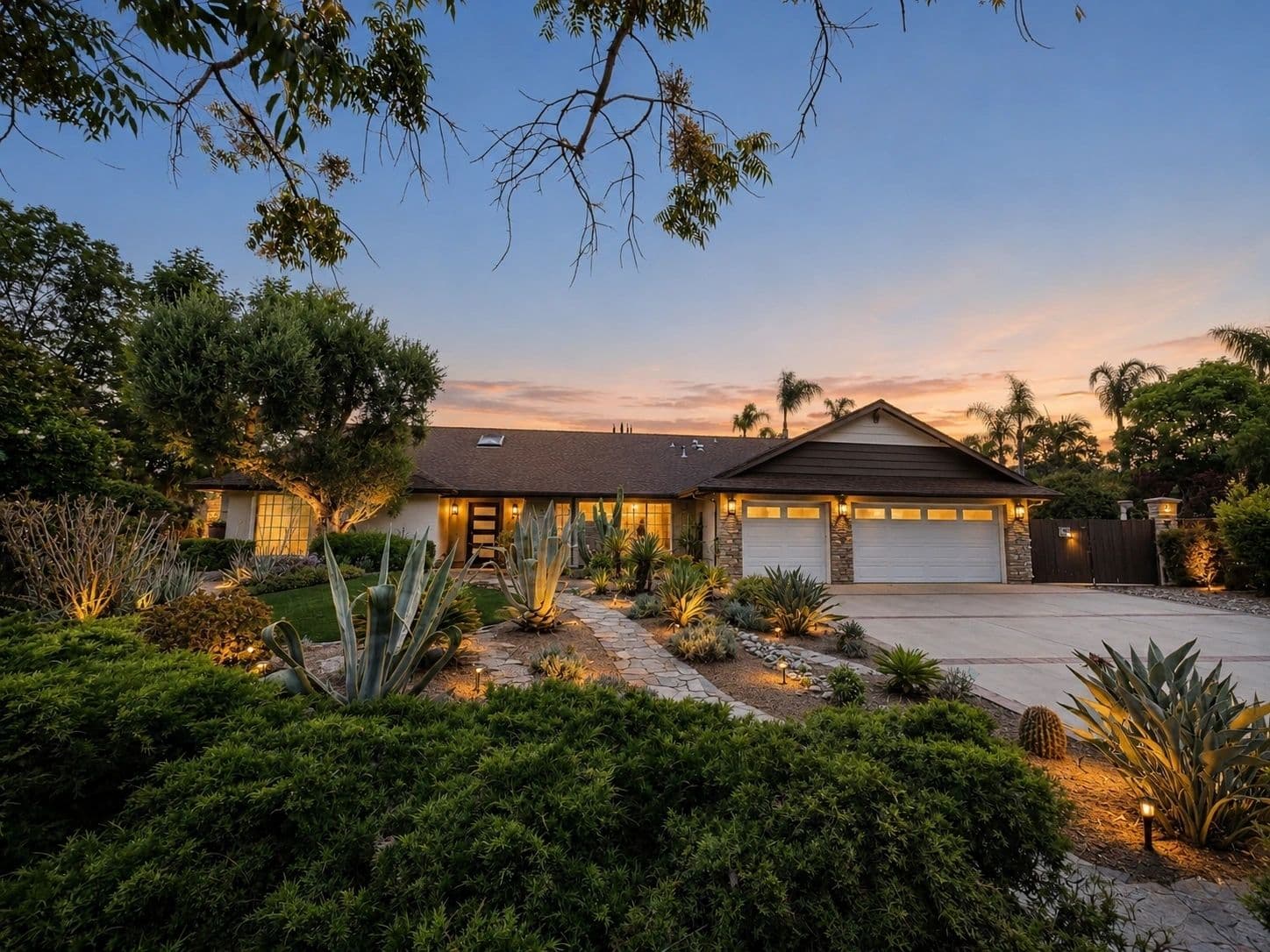
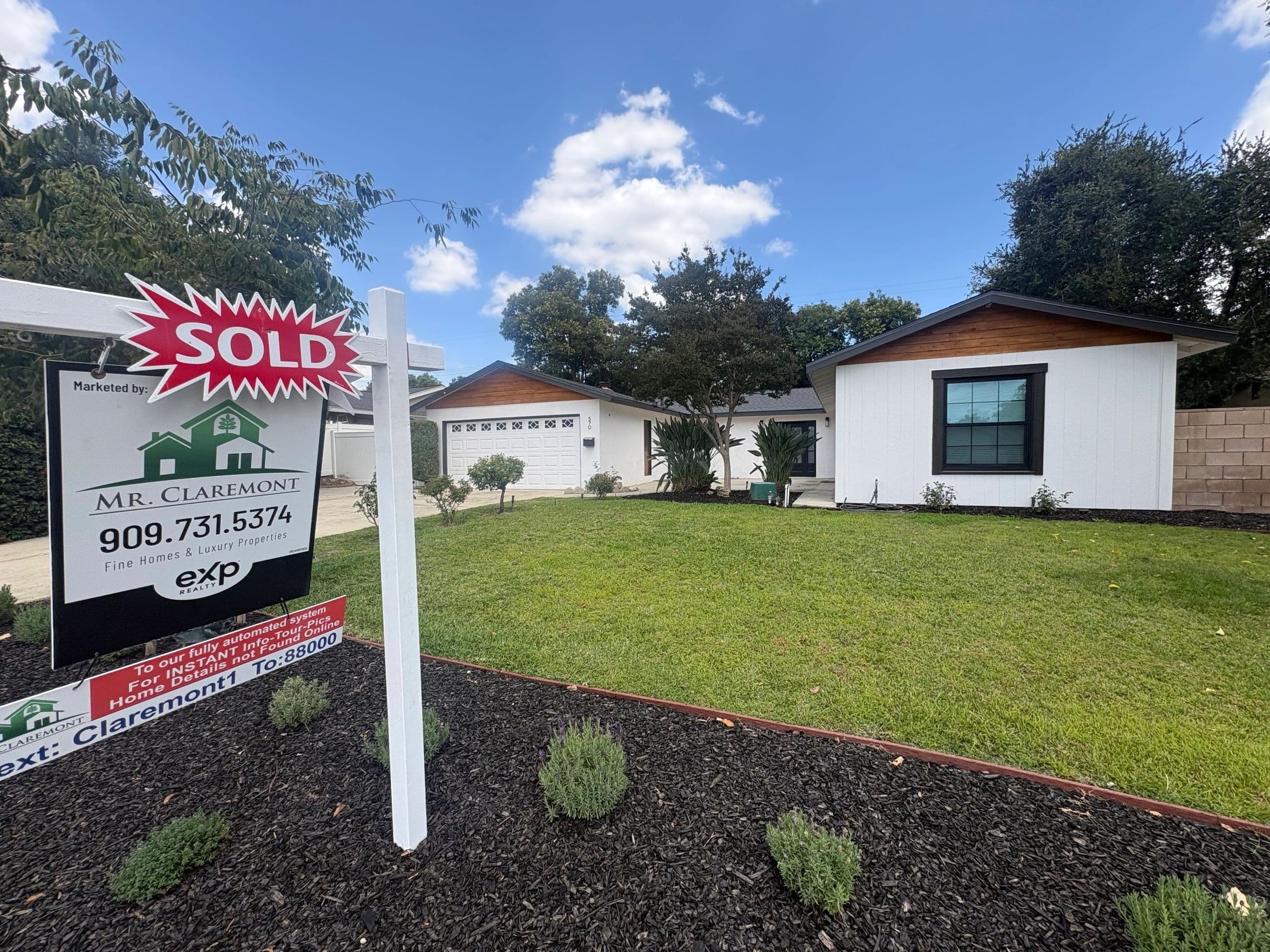
- Boost Curb Appeal with Native Touches First impressions matter on tree-lined streets. Trim landscaping, add drought-tolerant plants, pressure wash hardscapes, and paint the front door a welcoming hue. Ensure signage is clean and address numbers are visible—small details that signal move-in readiness.
Price It Right: How Strategic Pricing Drives Faster Sales in Claremont
In Claremont’s dynamic real estate market, pricing accuracy is the single most influential factor in how quickly—and for how much—your home sells. This is especially true in sought-after pockets like Historic Village, The Foothills, and Sycamore Cottage, where buyer demand fluctuates based on hyper-local trends. A well-executed Comparative Market Analysis (CMA) is your best tool for determining a competitive, data-backed price.
Unlike broad valuation algorithms, a CMA examines recent sales, active listings, and pending offers for homes comparable in size, style, and condition within your immediate neighborhood. This granular approach accounts for nuances like lot grading, proximity to parks or schools, and architectural appeal—features that significantly influence buyer decisions in Claremont.
Avoid these common missteps:
- Overpricing to leave room for negotiation—this can isolate your home from buyer searches and create perception issues
- Ignoring seasonal demand shifts—what sold in spring may not hold value in late fall
- Relying solely on county records or online estimates—they often miss micro-market dynamics
Homes priced within 3% of their CMA typically receive multiple offers within 14–21 days. Regularly reassess pricing if showings are low, adjusting swiftly based on market feedback. Partner with professionals who track neighborhood-specific absorption rates and can interpret real-time listing performance—this insight keeps your strategy agile and effective.
5 Marketing Strategies That Make Claremont Homes Stand Out
Selling your home quickly in Claremont demands more than just a listing—it requires a tailored marketing plan that speaks directly to local buyer preferences. In a community proud of its historic charm, tree-lined avenues, and proximity to top schools, targeted promotion can significantly shorten days on market and attract competitive offers. Here are five proven tactics specifically effective in this vibrant Inland Empire city.
- Invest in Professional Photography & Golden Hour Videography High-quality visuals aren’t optional—they’re essential. Claremont’s Craftsman bungalows, Spanish revivals, and sprawling estates deserve to be captured in ideal lighting. Schedule shoots during golden hour to highlight architectural details, lush landscaping, and outdoor living spaces. Include drone footage to showcase large lots, mountain views, and proximity to the foothills.
- Optimize for Local SEO with Neighborhood Keywords Buyers searching for a home for sale in Claremont often refine by submarkets. Use terms like “Historic Village homes,” “near Claremont Colleges,” or “San Antonio Heights charm” in your listing description and web content. This boosts visibility in hyper-local searches and connects you with buyers already drawn to the area’s lifestyle.
- Host Strategic Open Houses with a Community Vibe Turn showings into experiences. Offer local pastries or coffee from a Claremont cafe, display a map highlighting nearby trails, farmers markets, and art galleries, and consider weekend hours when foot traffic is highest. A welcoming atmosphere helps buyers envision life in the neighborhood.
- Launch Geo-Targeted Social Media Campaigns Use platforms like Instagram and Facebook to reach buyers actively exploring Claremont. Run targeted ads highlighting key features—updated kitchens, pool-ready yards, or home offices—and include virtual walkthroughs. Share posts that spotlight nearby attractions, from Padua Hills Theater to Mt. Baldy vistas.
- Advertise Through Community-Focused Channels Leverage hyper-local exposure by listing in neighborhood newsletters, HOA bulletins, or local event guides. Word-of-mouth still carries weight in Claremont—many sales begin with a neighbor’s recommendation or a sign seen on a familiar street.
What Every Claremont Home Seller Should Know: FAQs Answered
How long does it typically take to sell a home in Claremont? The average home in Claremont sells within 30 to 60 days, though timing depends heavily on pricing accuracy, property condition, and marketing visibility. Homes that are well-priced from day one, strategically staged, and marketed with professional visuals often see offers much faster—sometimes within the first week—especially during peak buyer seasons like spring and early fall.
What upfront costs should I expect when selling? Sellers generally pay for real estate commissions (typically split between both agents), transfer taxes, title insurance, and closing fees. Additional pre-sale investments may include minor repairs, deep cleaning, staging, and a pre-listing inspection. Planning for these expenses early helps provide a clearer picture of your net proceeds.
How do I choose the right real estate agent in Claremont? Focus on local expertise. Look for agents who actively sell in Claremont neighborhoods—like The Village, San Antonio Heights, or North Claremont—have strong track records of sale-to-list price ratios, and offer a customized marketing strategy. Interview multiple agents and ask about their communication style, local network, and past client experience.
Should I make repairs before listing my home? Yes—strategic repairs improve buyer perception and reduce negotiation friction. Prioritize visible, high-impact areas: kitchens, bathrooms, flooring, and curb appeal elements like the entryway and landscaping. A pre-listing inspection can uncover hidden issues that might delay escrow later.
What role does home staging play in Claremont’s market? Staging helps buyers emotionally connect and envision living in your space. In a competitive market like Claremont, well-staged homes attract more showings, generate stronger offers, and often sell faster. Even simple staging—like repositioning furniture and depersonalizing décor—can yield strong returns.
Do I need to disclose property issues when selling? Yes—California law requires full disclosure of known material defects through a Real Property Disclosure Statement. Transparency builds trust, minimizes legal risk, and prevents post-sale disputes. Disclose items like foundation issues, roof problems, or past water damage to keep the transaction smooth.
Sell Smart, Sell Fast: Your Action Plan for a Successful Home Sale in Claremont
Selling your home quickly and profitably in Claremont doesn't happen by chance—it’s the result of strategic planning, expert timing, and professional execution. From understanding the nuances of local neighborhoods like The Foothills and Historic Village to pricing with precision using real-time market data, every decision impacts your outcome. You’ve learned how essential preparation, professional staging, targeted marketing, and transparent disclosures are in building buyer confidence and driving competitive offers.
Now it’s time to act. Start by evaluating your home’s current condition and comparing it to recent sales in your micro-market. Schedule a pre-listing inspection to address potential red flags early. Optimize curb appeal with thoughtful landscaping and fresh, neutral accents that reflect Claremont’s charming aesthetic. Choose a real estate professional with proven experience in your specific neighborhood, not just the broader Inland Empire area.
Above all, remain proactive and informed. Align your timeline with peak buyer seasons, refine your marketing plan with high-quality visuals, and be ready to negotiate with clarity and confidence. Your home is more than a property—it’s a coveted piece of Claremont living. With the right approach, you’re not just selling a house; you’re securing your next chapter.

Written by
Anthony Grynchal
Anthony Grynchal is a California real estate professional with eXp Realty, licensed since November 2009 (California DRE# 01873626), and the Designated Local Expert™ for Claremont — where he has lived for more than 33 years.
More about AnthonyPublished · Updated