
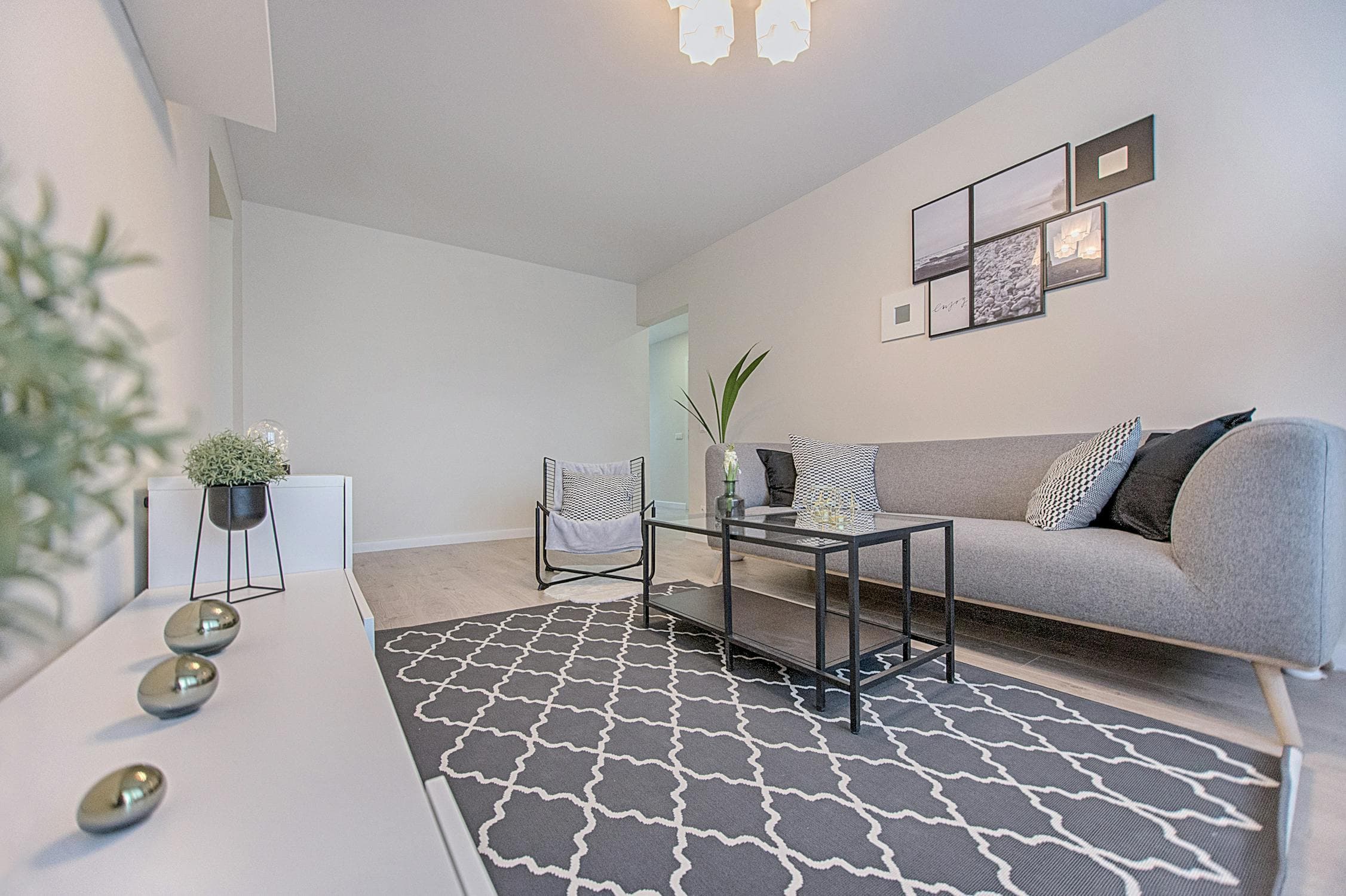
Home staging Claremont CA sellers pay for should make the property easier to understand in photos and easier to picture living in during a showing. It should not become an excuse to spend heavily on cosmetic theater while real condition issues, pricing, or poor listing photography remain unresolved.
The short answer: spend first on cleaning, editing, light, exterior presentation, and the few rooms that carry the listing. Then decide whether furniture rental or a full staging package solves a real marketing problem. A vacant home with awkward room proportions needs more help than an occupied, updated home near the Village with good furniture and clear architecture.
Staging is marketing. Repairs are condition. Keep those jobs separate.
If a roof leak, damaged flooring, failed appliance, worn-out paint, or neglected yard will distract a buyer, deal with it as a repair or preparation item. A staged sofa cannot make deferred maintenance disappear. But once the home is clean, functional, and accurately priced, staging can improve the buyer’s first impression at the exact moment they are comparing your home with alternatives.
That distinction matters in Claremont. A 1930s or 1950s house close to the Claremont Colleges may have original built-ins, wood floors, a brick fireplace, and compact rooms worth showing. A larger North Claremont property may have broad living spaces that need a clear purpose. A newer townhome or recently remodeled house may already have enough furniture to photograph well after a disciplined edit.
Is home staging Claremont CA worth paying for?
Usually, yes—but not automatically, and not at every level.
The most useful evidence for home staging Claremont CA is national rather than Claremont-specific. NAR’s May 2025 Profile of Home Staging says 83% of buyers’ agents reported that staging made it easier for a buyer to visualize the property as a future home; NAR surveyed 49,806 active REALTORS® in February 2025, received 1,266 usable responses, and reported a 2.5% response rate with a ±2.75% margin of error at the 95% confidence level. That is the core benefit. Staging most reliably helps buyers understand space and may reduce marketing time; it is not proof that a certain furniture package creates a guaranteed Claremont price premium. (nar.realtor)
NAR’s survey also found that 29% of sellers’ agents reported a 1% to 10% increase in the dollar value offered after staging. Forty-nine percent said staging reduced time on market, including 30% reporting a slight decrease and 19% reporting a greater reduction in selling time. Those are agent observations, not a promise for your property. Still, they point in the same direction: presentation affects how quickly and confidently buyers engage. (nar.realtor)
Cost needs the same caution. NAR reported a median cost of $1,500 for a staging service and $500 when the seller’s agent handled the staging. Those are nationwide survey medians published in May 2025, not current quotes for Claremont inventory, and they do not tell you what an occupied versus vacant house will cost. Get a written local scope before you treat any number as a budget. (nar.realtor)
Here is the practical test: staging is worth paying for if it removes a visible objection or makes the listing’s strongest feature legible in the first photos. It is less compelling if your rooms already read clearly, your furniture is scaled appropriately, and the home’s main issue is one staging cannot solve.
For example, a vacant dining room with no obvious function may need a table, chairs, art, and lighting so buyers stop asking whether the room is wasted square footage. A crowded but otherwise attractive living room may only need furniture removed, a rug repositioned, and better photographs. Those are different problems. Do not buy the same solution for both.
What does the evidence actually tell a seller to do?
Use the evidence to set priorities, not to chase a national percentage.
Buyer visualization comes first. NAR found that 60% of buyers’ agents said staging affected some buyers’ view of a home, while 26% said it affected most buyers’ view. That suggests staging is most useful where room use, scale, circulation, or furniture placement leaves buyers uncertain. (nar.realtor)
Marketing time is the next reason. A clean, coherent listing can earn stronger attention early. That matters because the first days of exposure are when buyers and their agents are deciding which homes deserve a tour. Staging cannot overcome a price that ignores competing homes, but it can prevent an avoidable presentation problem from weakening that first comparison.
Cost should match the gap. The right question is not, “Should I stage the whole house?” Ask, “What will a buyer fail to understand if I do nothing?” If the answer is the living room, primary bedroom, dining area, entry, or patio, target those rooms. If the answer is a dark kitchen, an overfilled garage, or an exterior that looks uncared for, spend on preparation before decorative accessories.
NAR’s room findings support that order. Buyers’ agents identified the living room as the most important room to stage at 37%, followed by the primary bedroom at 34% and kitchen at 23%. On the seller side, agents staged the living room in 91% of cases, the primary bedroom in 83%, the dining room in 69%, and the kitchen in 68%; guest bedrooms and children’s bedrooms were each staged in 22% of cases (NAR, May 6, 2025).
That does not mean every Claremont house needs all four. It means the first-photo rooms deserve a hard look before you spend money on a secondary bedroom, laundry room, or a formal office that will not drive the listing story.
A good staging consultation should end with a written scope: what stays, what leaves, what gets repaired, what gets cleaned, which rooms are staged, and what will be photographed. If the proposal cannot explain that sequence, it is probably selling inventory rather than solving your listing’s problem.
Which rooms should you stage first?
For home staging Claremont CA sellers, start where a buyer forms an opinion before they ever visit: the exterior, entry, living room, kitchen, primary bedroom, and the best outdoor area.
The exterior is not technically an interior staging room, but it earns its place at the top. Your first listing photo may show the front elevation, approach, porch, or a backyard view. Make sure the route from curb to front door feels maintained. Remove dead planters, store loose hoses and bins, replace a failed porch light, clean the glass, and keep the path open. Do not hide a broken gate or failing hardscape behind fresh mulch. Fix it, disclose it, or price for it.
Inside, stage the entry to answer one basic question: where do I go next? A narrow console, clear sight line, and proper lighting can do more than a collection of decorative objects. In older homes, that may mean exposing an original front door, an arched opening, or a built-in cabinet instead of covering it with oversized furniture.
The living room is the priority room because it establishes scale and daily use. Remove extra seating before adding anything. Buyers should see where a sofa sits, where a chair fits, and how someone crosses the room without sidestepping furniture. In a compact Village-area house, use fewer pieces with open legs and visible floor around them. In a large North Claremont room, group furniture tightly enough that the space does not feel like an empty hall.
Treat the kitchen differently. Buyers are looking at layout, storage, surfaces, and condition. Clear counters down to a few intentional items. Hide dish racks, pet bowls, bulky countertop appliances, refrigerator magnets, and open food packages. Then address the actual condition: burned-out bulbs, stained grout, damaged cabinet hardware, and worn caulk read louder than a bowl of lemons.
The primary bedroom should look restful and usable, not anonymous. A made bed, two clear bedside surfaces, edited furniture, and working window coverings are enough in many occupied homes. If the room doubles as a workroom, nursery, gym, or storage area, decide what story you are selling. A buyer can handle a smaller bedroom. They struggle with a room that appears to have no single purpose.
Finally, stage the outdoor space that best supports the home. That may be a shaded rear patio near Foothill Boulevard, a pool area, a view-facing terrace in the hills, or a modest courtyard closer to the Village. Show one use clearly: dining, sitting, or gathering. Do not scatter inexpensive furniture across every patch of concrete.
How should you stage an older Claremont character home?
Do not erase the reason many buyers came to see it.
Older homes around the Village, the Colleges, and central Claremont can require restraint. Original wood floors, built-ins, masonry fireplaces, divided-light windows, period tile, mature planting, and established proportions can carry more buyer interest than a generic, trend-driven makeover. Your job is to clean the frame around those features.
Start by identifying the architectural details worth photographing. If the living room has built-in shelves, remove most books and all personal collections. Keep a small number of neutral objects so the built-ins look useful rather than vacant. If there is a fireplace, clean the hearth, remove dated screens if appropriate, and keep the mantel nearly empty. If the floors are a selling point, use a rug that defines seating without covering most of the wood.
Be careful with paint and hardware decisions. Fresh, quiet paint can help a tired room photograph more evenly. But painting solid wood paneling, replacing old doors, or installing fashionable fixtures just before sale can remove character without fixing a buyer objection. Get a second opinion before altering something that may be original or significant.
That caution is more than aesthetic. Claremont has preservation resources, a register of historic structures, and review processes that can apply to designated cultural resources and qualifying properties. Before planning exterior alterations, demolition, relocation, or major changes to a potentially protected property, review the City’s Cultural Resource Preservation guidance and speak with the appropriate City staff or qualified professional. The City says its preservation framework addresses listed or qualifying resources and procedures affecting alterations and other impacts (City of Claremont, Cultural Resource Preservation guidance).
For selling purposes, preserve first and stage around it. A buyer who wants a central Claremont home may be paying attention to the built-in desk, the reading nook, or the original front porch. Let the listing show those elements plainly. Avoid props that make the home look like a themed rental.
What changes for North Claremont, foothill, and newer homes?
Different parts of Claremont create different photography and showing problems. Your staging plan should address the friction a buyer will actually see.
For larger North Claremont homes, define oversized rooms. Big family rooms, lofts, bonus rooms, and formal dining areas can look excellent in person yet confusing in photographs if furniture floats too far apart. Give each large room one clear job. A bonus room can be a media room, office, or exercise space. Pick one. A formal dining room should look ready for dining, not like overflow storage. Use enough furniture to show scale, but not so much that the room loses its open feel.
For foothill properties, make the approach and the view intentional. Buyers notice gates, driveways, retaining walls, slopes, landscaping, patios, and sight lines before they assess your throw pillows. Prioritize maintained approaches, operational gates, trimmed vegetation, clean hardscape, and a photograph that frames the property’s best outward view. The Claremont Hills Wilderness Park and the lower foothill setting are part of what distinguishes this area; do not let neglected exterior details distract from that setting (City of Claremont, Claremont Hills Wilderness Park history and master plan).
For newer builds and townhomes, edit before you rent. A recently updated property near major routes such as Foothill Boulevard may already have the neutral finishes and open-plan layout that a stager would try to create. First remove excess furniture, clear surfaces, improve lighting, and replace visibly tired textiles. Rent only what fills a real gap, such as a vacant dining area or a living room whose existing furniture is too large for the plan.
For occupied homes anywhere in town, protect the photo plan. You do not need to live in a museum for several weeks. You do need to pack early. Store family photos, hobby equipment, paperwork, children’s excess toys, pet supplies, medication, and off-season clothing before the consultation. Leave enough behind for normal living, but make it easy to reset the house before each showing.
A seller sometimes resists because the process feels impersonal. That is understandable. But marketing a home asks a buyer to imagine their own routines there. Your personal history belongs in the transaction; it does not need to fill every shelf in the listing photos.
When should you stage selectively, stage fully, or skip it?
Use this home staging Claremont CA decision guide before approving a scope. Match the spend to the problem buyers will actually see.
- Occupied, clean, updated, and furnished with appropriately sized pieces — Best approach: Stage selectively · Spend first on: Consultation, decluttering, cleaning, lighting, furniture edits, and a few rental pieces if needed
- Vacant home, oversized rooms, awkward layout, or a polished renovated property — Best approach: Stage fully · Spend first on: Furniture that defines room use, then photography of the lead rooms and outdoor space
- Visible repair issues, neglected exterior, weak pricing, or poor marketing plan — Best approach: Skip furniture rental for now · Spend first on: Repairs, exterior maintenance, price positioning, and professional photography
Stage selectively if the home is occupied and fundamentally presentable
This is often the best choice when your existing furniture is in good condition, rooms already have clear uses, and the home will photograph well after editing. Spend on a consultation, cleaning, decluttering, lighting, minor styling, and rental pieces only where they solve a visible problem.
This approach fits many updated Claremont homes where the kitchen, baths, floors, and exterior already show well. It can also work for a character home whose original details are stronger than a borrowed furniture package.
Stage fully if the home is vacant, unusually configured, or competing in a polished segment
Consider full staging when an empty home feels smaller than it is, a large room has no obvious function, or the property needs a more complete presentation against nearby competing inventory. Furniture can show scale, circulation, and intended use from the lead image through the showing.
Skip furniture rental when the problem is not furniture
Walk away from staging as the answer when the home needs material repair work, the listing price is out of step with current competition, or the photos and marketing plan are weak. Spend first on the issue buyers will notice repeatedly.
Also skip staging every room. A staged guest room will not rescue a cluttered kitchen, and decorative pillows will not make an unmaintained front yard feel cared for. Your objective is to make the home easy to understand, easy to photograph, and credible at its price.
What should you not spend money on before listing?
Four pre-sale choices can consume time without improving the buyer’s decision.
Do not begin with a full-house furniture package just because the word “staging” sounds comprehensive. Ask to see the proposed rooms and the specific photography problem each rental solves.
Do not renovate to chase a trend. Replacing a functional kitchen because a cabinet color feels dated can turn a focused preparation plan into an open-ended project. If a surface is visibly damaged, repair it. If a room is merely not fashionable, price and presentation may be the better tools.
Do not buy lots of small props. Artificial fruit, generic signs, excessive trays, and themed décor can make listing photographs feel less trustworthy. One clean, well-lit room with appropriate furniture is stronger than a room crowded with signals that someone tried too hard.
Do not stage storage areas while ignoring the primary listing sequence. Organize the garage, closets, and laundry area so they look functional, but do not spend your first dollars there. Lead photo rooms, exterior presentation, and the best outdoor area earn priority.
And do not confuse a staging quote with a full sale strategy. Before you list, make sure these decisions are aligned:
- Complete repairs that affect condition, safety, function, or buyer confidence.
- Remove enough furniture and personal property for rooms to read clearly.
- Choose the rooms and exterior areas that will carry the photography.
- Confirm that the staging scope matches the home’s occupancy and condition.
- Review price positioning against current competing and recent comparable properties.
- Schedule professional photography only after preparation is complete.
That is the order. It keeps money focused on the parts of the sale a buyer can actually see.
Use this final pre-photo checklist:
- Confirm repairs that affect condition, safety, or function are complete.
- Remove excess furniture, personal items, and visible daily clutter.
- Set the living room, kitchen, primary bedroom, and best outdoor area.
- Test every light, clean windows, and clear the route to the front door.
- Photograph only after the preparation and staging work are finished.
What is the practical staging plan before photos and showings?
Give yourself enough time to make decisions once, not repeatedly.
First, walk the home as if you are seeing it from a listing thumbnail. What would stop a buyer from clicking? Then walk it as if you have just arrived for a showing. What would make a buyer pause at the front door, in the living room, or in the kitchen?
Next, separate the work into three lists: repairs, removal, and staging. Repairs cover items that are broken or visibly worn. Removal covers clutter and personal belongings. Staging covers furniture placement, light, textiles, art, and functional room definition. Each list has a different purpose and budget.
Then photograph the property only after the work is finished. Do not send an agent a quick phone photo of a half-cleared living room and assume it represents the final result. The lead image, room order, exterior sequence, and copy should reinforce the same story.
For a home near Claremont Village, that story may be period detail and access to the shops and restaurants around Bonita Avenue. For a home close to Indian Hill Boulevard, it may be a central location and established streets. For a property farther north, it may be larger indoor-outdoor spaces, a generous lot, or a foothill setting. Let the home itself determine the emphasis.
If you are unsure where to spend, start with the visible basics: clean windows, working lights, edited rooms, an orderly exterior, and strong photographs. Then add rentals only if the home still fails to explain itself.
Note: Anthony Grynchal is a licensed California real estate agent (DRE #01873626) affiliated with eXp Realty and publishes under the Mr. Claremont Real Estate™ brand. He is the founder and CEO of MetaDLE™ Technologies, which operates the Designated Local Expert™ / UCI Coin™ products referenced in some posts. Articles are informational and are not legal, tax, or financial advice; market figures change and should be verified against current data before acting.
Frequently asked questions
Does staging a Claremont house guarantee a higher sale price?
No. NAR’s May 2025 survey reports agent observations, including that 29% of sellers’ agents saw offers rise by 1% to 10% after staging. That is not a guarantee for a particular property. Staging is most useful when it helps buyers understand the home and supports a sound price and marketing plan (NAR, May 6, 2025).
Should I stage a home that is already furnished?
Often, yes—but selectively. Start with a consultation and edit what you own. If your furnishings fit the rooms, are in good condition, and photograph well, you may only need decluttering, better placement, and a few targeted additions. Rent furniture when a room has no clear purpose or your existing pieces work against the scale of the space.
Which room should I spend on first?
Start with the exterior and the living room. Then look at the kitchen, primary bedroom, entry, and strongest outdoor area. NAR’s 2025 findings put the living room first at 37% among rooms buyers’ agents considered most important to stage, followed by the primary bedroom at 34% and kitchen at 23% (NAR, May 6, 2025).
Should I repaint original woodwork or remove built-ins before selling an older Claremont home?
Be careful. Original features may be part of the reason a buyer responds to the property. Clean, repair, and stage around those details before making irreversible changes. If the home may be historically designated or qualify as a cultural resource, review City guidance and obtain appropriate advice before major exterior or architectural work (City of Claremont, Cultural Resource Preservation guidance).
Is virtual staging enough for a vacant home?
It can help buyers understand online photos, but it does not improve the in-person showing. If you use virtual staging, keep it realistic and make sure the listing accurately discloses the edited images. For a vacant house with difficult room scale or frequent scheduled showings, physical staging may still be the stronger presentation choice.
If you are weighing repairs, selective staging, and price positioning for a Claremont sale, reach out to Mr. Claremont for a one-on-one consultation.

Written by
Anthony Grynchal
Anthony Grynchal is a California real estate professional with eXp Realty, licensed since November 2009 (California DRE# 01873626), and the Designated Local Expert™ for Claremont — where he has lived for more than 33 years.
More about AnthonyPublished · Updated