Every other residential purchase gives a buyer a way out. Inspections, disclosures, an appraisal, a financing contingency, a walkthrough — each is a checkpoint where new information can change the decision.
A trustee's sale gives you none of them. You bid on a property you have generally not been inside, using funds you must produce immediately, and the sale is final.
This article is the list of what you are actually taking on. It is not a discouragement. Experienced buyers do this work successfully. They do it by knowing exactly which risks they are accepting, and by pricing every one of them before they raise a hand.
Condition risk
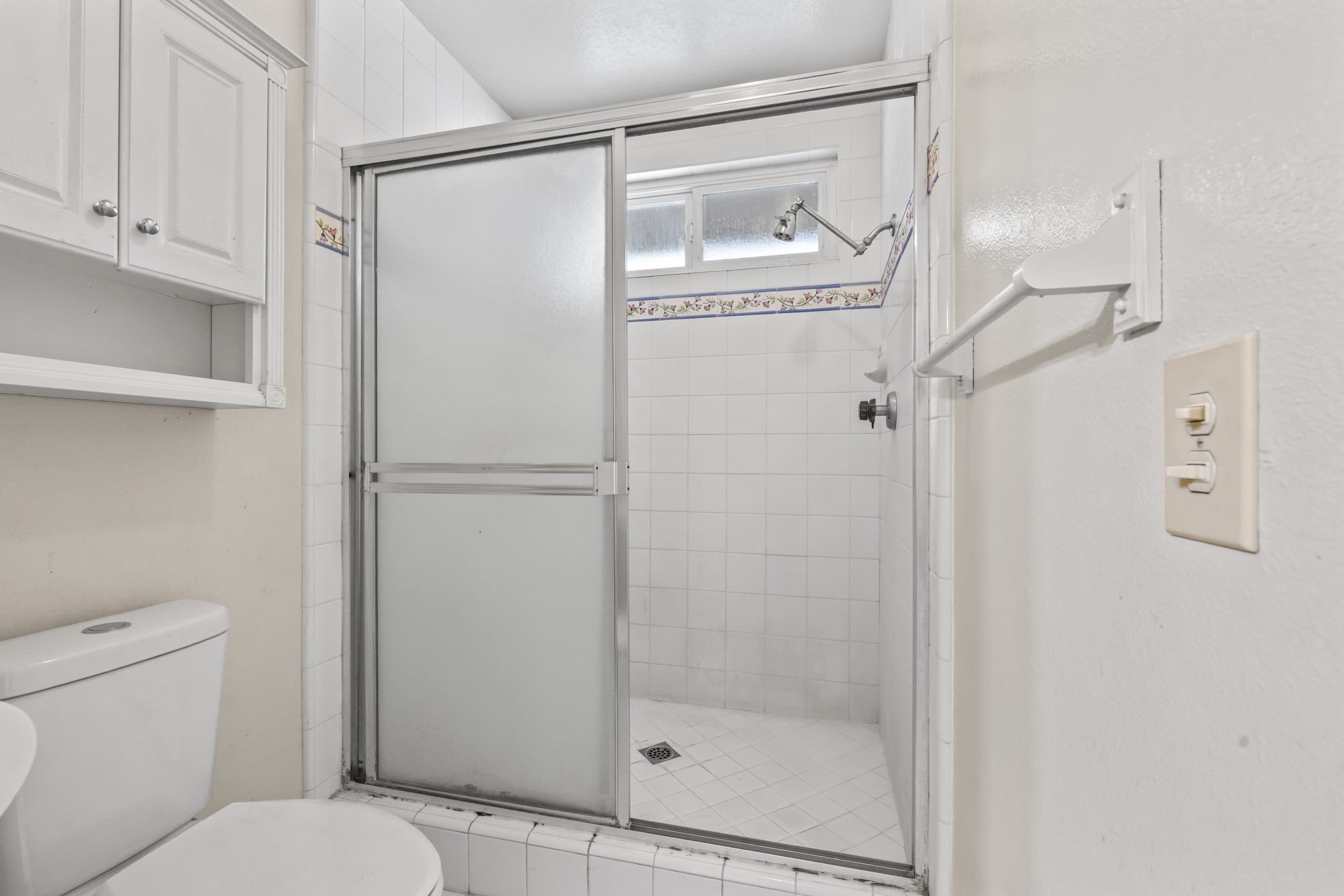
You are buying the interior sight unseen. A drive-by tells you about a roofline and a yard, and nothing about a foundation, a failed sewer lateral, an unpermitted addition, mold behind a wall, or a kitchen that has been removed.
Two patterns recur in distressed property. Deferred maintenance is nearly universal, because a household that could not make payments could not fund a new water heater either. And occasionally there is deliberate damage, done on the way out by someone losing a home.
The professional response is a repair reserve that assumes the worst plausible case rather than the expected one, and a walk-away number that includes it. Comparing this against the other two entry points is worth doing before committing to auctions at all.
Title risk
This is the risk that ends badly most often, because it is invisible from the street.
A foreclosure sale extinguishes some interests and leaves others in place, depending on priority and on the nature of the claim. Which lien is being foreclosed matters enormously. A buyer who assumes a first is being foreclosed, when in fact a junior lienholder is foreclosing, can end up owning a property still encumbered by a senior loan.
Property tax obligations, certain government liens, easements and recording defects add further complications, and title insurance is not automatically available in the way it is on a normal purchase.
The only defense is research done in advance of bidding, and the detail is covered in the article on title problems in foreclosed property. Read it before your first auction, not after.
Occupancy risk
Someone may be living in the house: the former owner, a family member, or a tenant with rights of their own.
Gaining possession is a legal process with notice requirements, a court action if the property is not vacated, and a sheriff as the only party who may carry out a lockout. It takes real time and real money, and self-help — locks, utilities, removing belongings — is unlawful in California and exposes the new owner to serious liability.
If a tenant is in place, an additional layer of protections may apply. The mechanics are set out in the article on possession after a sale, and they should be part of your cost model before you bid rather than a surprise afterward.
Money risk
Trustee sales are conducted on the trustee's terms. Funds requirements, acceptable forms of payment and deadlines are strict, and the details vary, so confirm them with the trustee for the specific sale rather than assuming.
Two related facts. Sales are postponed and cancelled routinely, sometimes repeatedly, and often at the last moment — because the owner reinstated, filed bankruptcy, or reached an arrangement with the servicer. A buyer must be prepared to have funds tied up for a property that never sells.
And the opening bid is the lender's credit bid, not an appraisal. It reflects the debt, not the value.
Information risk
No seller disclosures. No agent representing the seller with a duty to tell you anything. No natural hazard disclosure statement of the kind an ordinary California purchase provides. No permit history handed to you.
What you can do beforehand is public-record work: assessor records, recorded documents, permit history at the city, and a look at the neighborhood. It is genuinely useful, and it is still less than a normal buyer knows before removing a contingency.
Competition risk
The other bidders are frequently professionals who do this weekly, who have researched the same file, and who know precisely where their numbers stop. A newcomer bidding against them is not finding an overlooked property; they are being allowed to overpay.
Attending several sales without bidding is the cheapest education available in this field.
The discipline that makes it survivable
Set a maximum before the sale. Include purchase price, the worst plausible repair figure, the cost and duration of gaining possession, carrying costs, closing and resale costs, and a margin for the unknown. Then stop at that number, every time.
Nothing at an auction rewards competitive feeling. The properties that hurt people are the ones bought well past a limit that was set carefully the night before.
And one more thing
The property being sold is someone's home, and the sale is the end of a difficult chapter for a household. Bidding at a trustee's sale is a legitimate activity. Treating another person's loss as a windfall is not, and it is the mindset that leads buyers into the conduct described in the article on foreclosure scams.
Do the work, price the risk, behave decently to whoever is still in the house.
The wider landscape is at the foreclosures guide. Legal questions belong with an attorney and tax questions with a CPA. Anthony Grynchal has been licensed in California since November 2009.
Frequently asked questions
Can I inspect a property before bidding at a trustee's sale?
Generally no. Interior access is not provided, there are no seller disclosures, and the property is sold as it stands. Your research is limited to public records and what can be seen from outside.
Does a trustee's sale wipe out all liens?
No. A foreclosure sale extinguishes some interests and leaves others in place depending on priority and the nature of the claim. If a junior lienholder is foreclosing, a senior loan can survive the sale. Research the record before bidding.
What happens if someone is living in the property?
Gaining possession is a legal process with notice requirements and, if the property is not vacated, a court action ending with a sheriff. Self-help removal is unlawful in California. Build that time and cost into your bid.
Are trustee sales ever cancelled?
Frequently, and often at the last moment, because the owner reinstated, filed bankruptcy or reached an arrangement with the servicer. A bidder should expect to have funds committed to sales that do not happen.

Written by
Anthony Grynchal
Anthony Grynchal is a California real estate professional with eXp Realty, licensed since November 2009 (California DRE# 01873626), and the Designated Local Expert™ for Claremont — where he has lived for more than 33 years.
More about AnthonyPublished · Updated