
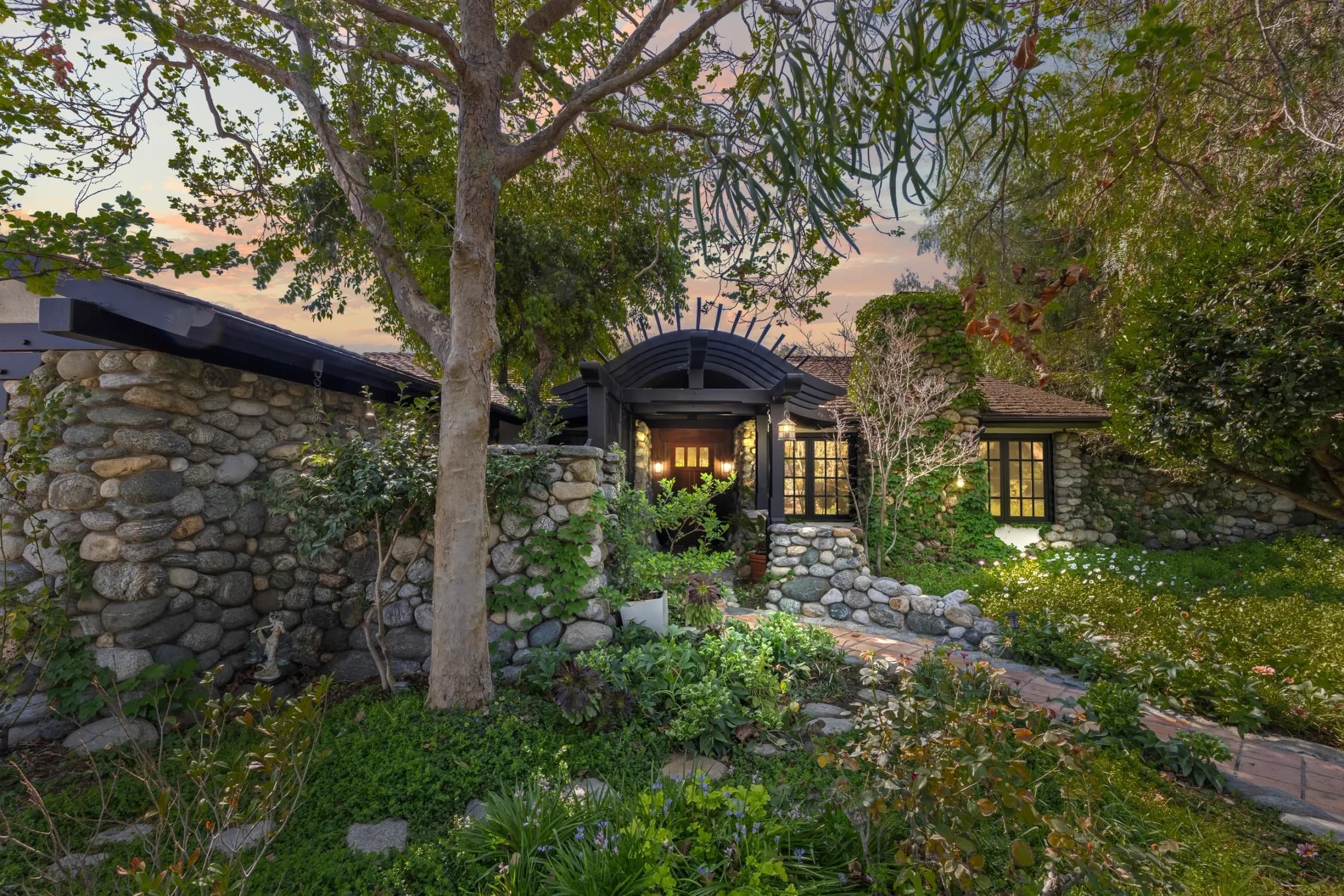
If Claremont's residential fabric has a signature, it is the Craftsman bungalow: the low-slung, wood-detailed, porch-forward houses of the town's early growth decades, still anchoring its older blocks a century on. Buyers fall for them on sight — the style was designed to be fallen for — and then discover that owning one is a distinct discipline with its own rewards, costs, and rules of thumb. This article covers the style as a BUYER'S subject: how to recognize the real thing, what a century-old bungalow asks of its owner, and how originality relates to value here. It deepens the historic homes guide; the town-wide architectural context these houses sit inside is the architecture guide's territory.
Reading the style: what makes a Craftsman a Craftsman
The Craftsman vocabulary is consistent enough to learn in an afternoon. Outside: a low-pitched roof with wide, overhanging eaves; exposed rafter tails and decorative brackets under the gables; a deep front porch carried on substantial columns — often tapered, often on stone or brick piers; and an emphasis on visible, honest materials, wood and stone showing as themselves. Inside: built-ins are the tell — window seats, bookcases flanking a fireplace, dining-room cabinetry with original hardware — along with boxed beams, wainscoting, and a floor plan more compartmented than modern taste expects. The style arrived as a philosophy as much as a look, a reaction against Victorian excess in favor of handcraft, and Claremont's early-twentieth-century growth years — the citrus-and-colleges era the town-history guide traces — happened to coincide exactly with its national peak. That timing is why the stock is genuinely period here rather than revival: many of these houses are originals, with a century of ownership decisions layered onto them.
What a century-old house asks of its owner
Every system in a period bungalow has had a hundred years to age, and the ownership discipline is knowing what has been renewed and what has not. The questions that matter: the FOUNDATION era and any retrofit history; the PLUMBING — original galvanized supply lines fail on the curve the repipe guide maps, and 'has it been repiped, with paper?' is the first question on any bungalow; the ELECTRICAL — original panels and knob-and-tube-era wiring histories need a specialist's eye and affect insurability; the SEWER LATERAL, which is exactly as old as the house and running under mature trees (the sewer guide's subject); and the ROOF and drainage details that protect all that original wood. None of this argues against the purchase — it argues for inspection DEPTH: a period home deserves the full specialist roster, and a seller's documentation folder answering these questions is worth more than any staging. Insurance belongs on the same list early: carriers price older systems and want to see updates, so the insurance guide's quote-early rule applies with force.
Originality and value: the preservation premium
Here is the dynamic that surprises newcomers: in this market, ORIGINALITY sells. The unpainted woodwork, the intact built-ins, the original doors and hardware — features a flipper's playbook would rip out — are precisely what the bungalow buyer is paying for, and houses that kept them typically command the premium over their remodeled-away neighbors. The corollary discipline for owners: renovate WITH the house, not over it. Kitchens and baths can be modernized sympathetically; systems should absolutely be renewed (nobody pays a premium for original galvanized pipe); but stripping the character features converts a signature property into a generic old house — the worst of both worlds. Sensitive renovation costs more care than demolition-grade remodeling, and rewards it. And if the specific house carries an official historic designation, alterations may involve review processes and potential benefits alike — the designation guide covers that machinery, which is a separate question from the style itself.
Buying one: the short checklist
- Verify the era and the claim. 'Craftsman' in a listing spans everything from period originals to loosely-inspired later builds; the vocabulary above, plus the county's records on the build year, sorts the claim.
- Inspect to the house's age, not the price bracket — foundation, electrical, plumbing, sewer, roof, all with specialists who know pre-war construction.
- Price the systems separately from the charm. The honest bungalow purchase is charm plus a systems budget; the painful one is charm minus the budget.
- Weigh originality as the asset it is — both in what you pay for and in what you preserve after.
The Spanish Revival guide covers the other signature style of Claremont's early fabric — a different vocabulary from the same decades, with its own ownership profile. Anthony Grynchal has been licensed in California since November 2009, and the bungalow transactions he has watched go best shared one trait: buyers who loved the character AND budgeted for the century. This is general information; the specific house's records, inspections, and any designation status govern.
Frequently asked questions
How do I know if a Claremont house is a real Craftsman?
Read the vocabulary: low-pitched roof with wide eaves, exposed rafter tails, a deep porch on substantial columns, and — inside — built-ins, boxed beams, and original woodwork. Then check the build year in county records: Claremont's early-1900s growth coincided with the style's national peak, so much of the stock is genuinely period rather than revival.
What should be inspected on a Claremont Craftsman bungalow?
Everything at the house's age: foundation era and retrofit history, plumbing (original galvanized fails on a known curve — ask for repipe paperwork), electrical panels and wiring history, the sewer lateral under mature trees, and the roof protecting the original wood. A period home deserves the full specialist roster, not a standard inspection.
Does remodeling a Craftsman hurt its value?
Stripping character features usually does — originality is what the bungalow buyer pays a premium for, and intact woodwork, built-ins, and hardware routinely beat remodeled-away versions. The winning pattern renews the SYSTEMS while preserving the character: modern plumbing behind original walls.
Are Claremont Craftsman homes expensive to insure?
Carriers price the age of systems, not the style — original electrical and plumbing raise questions, documented updates answer them. Quote the specific address early, bring the documentation of what has been renewed, and expect the insurance conversation to go exactly as well as the systems history deserves.

Written by
Anthony Grynchal
Anthony Grynchal is a California real estate professional with eXp Realty, licensed since November 2009 (California DRE# 01873626), and the Designated Local Expert™ for Claremont — where he has lived for more than 33 years.
More about AnthonyPublished · Updated