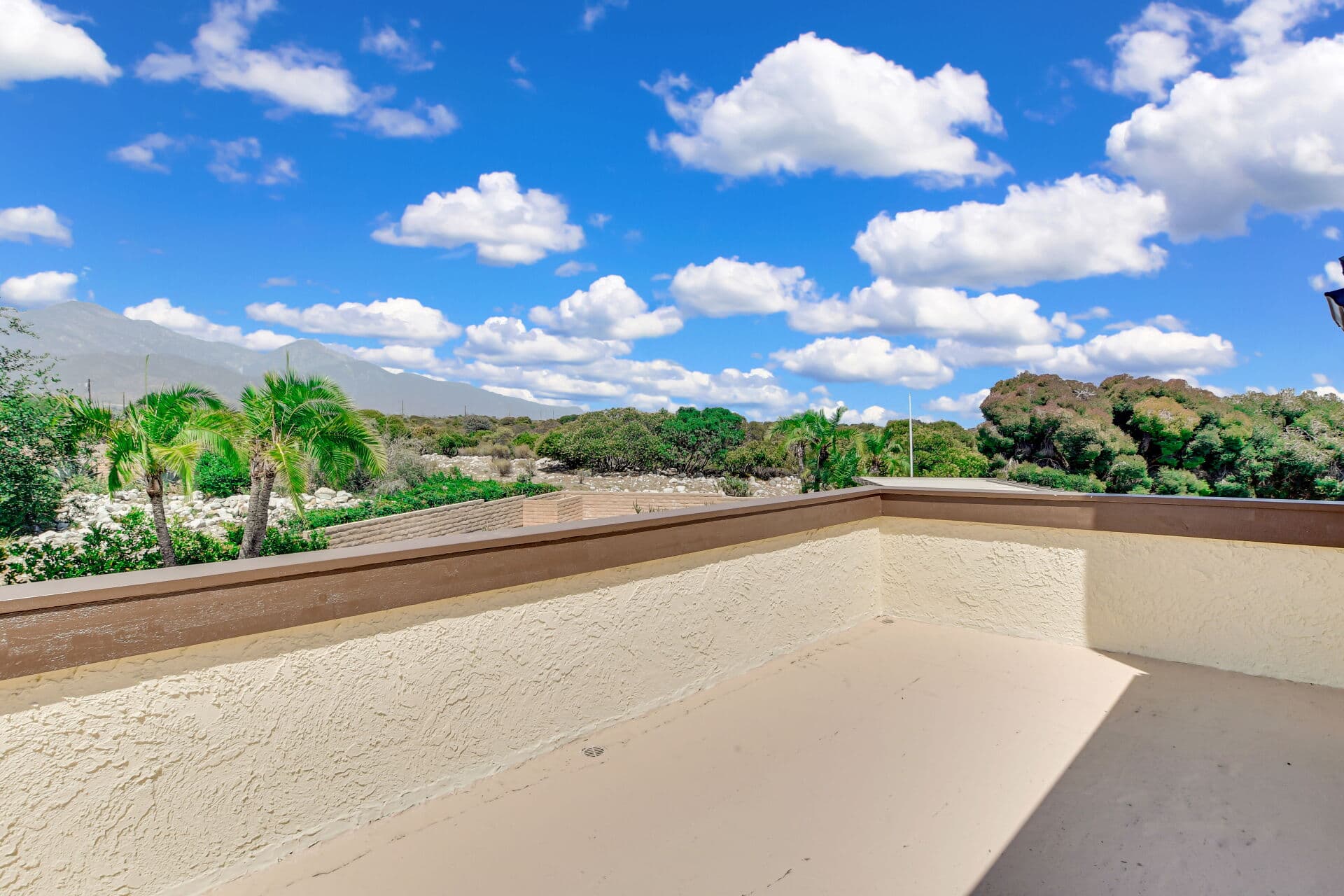
Of all the obligations California has placed on community associations in recent years, the elevated structure inspection requirement is the one with the sharpest physical consequences. It exists because balconies and exterior walkways built of wood can fail catastrophically when concealed water damage goes unfound, and the law's answer is straightforward in principle: associations must have qualified professionals inspect these structures periodically and act on what is found.
The legislation is commonly referred to by its bill number, SB 326, and it sits within California's common-interest statute. This article covers what the duty means for a board, how it interacts with reserves and assessments, and what an owner or buyer should ask. It deepens the HOA handbook; the reserve consequences are the subject of the reserves guide.
What the requirement is, in shape
The duty applies to associations with buildings containing elevated structures - balconies, decks, stairways, walkways and their railings - whose load-bearing elements are supported substantially by wood. A qualified professional, an architect or structural engineer, must inspect a statistically significant sample and report on the condition of the load-bearing components and their waterproofing, with findings delivered to the board.
The inspection runs on a repeating cycle, and where the inspector finds conditions posing an immediate threat, the law directs the association to act and to notify appropriately. Reports are retained and become part of the association's records.
This article states no intervals, deadlines, sample sizes or thresholds, deliberately. Those are statutory, they have been amended, and a board relying on a remembered number is exactly how a compliance failure happens. Verify the current statute with counsel and with the inspecting professional.
Why it matters more than it sounds
Three reasons, and boards underestimate all three.
It converts an unknown into a documented obligation. Before inspection, a deteriorating balcony is a suspicion. After, it is a written professional finding in the association's records. A board that receives a report identifying deterioration and does nothing has a documented failure to maintain, which is a materially worse legal position than not knowing - and it is precisely the fact pattern owners rely on in the neglected repairs scenario.
The cost is real and lumpy. Inspection costs money; repairs found by inspection cost considerably more. Communities that never carried elevated structures as a reserve component discover that they now must, and the funding has to come from somewhere - reserves if they were planned, a special assessment if they were not. That is the mechanism described in the special assessments guide, arriving here through a compliance obligation rather than through neglect.
Compliance is now a diligence item. Buyers, lenders and insurers ask. An association without a current inspection record in a building with wood-framed balconies has a gap that is easy to find and hard to explain.
What a board should be doing
- Determine whether the association is subject to the requirement at all. Not every community is. Construction type and building configuration decide it, and the answer should come from a professional rather than from a board discussion.
- Retain a qualified professional of the type the statute specifies. This is not a handyman inspection and not a property manager walk-through.
- Budget for it as a recurring obligation, not a one-off. It repeats, and so should the line item.
- Add elevated structures to the reserve study as a component with a life and a replacement cost, so future funding is planned rather than assessed. The reserve study guide covers how components enter the plan.
- Act on findings and document the action. Board minutes recording receipt of a report, the decision taken and the funding path are the record that protects the association later.
- Coordinate with insurance and counsel. Findings can affect coverage and can carry notification obligations.
Where owner and association responsibility divides
This is the recurring confusion. Owners often assume a balcony they use exclusively is theirs to maintain, and in many communities the structure itself remains the association's responsibility while the owner has exclusive use. The controlling answer is in the CC&Rs and the recorded map, not in intuition, and the general principle for reading that boundary is set out in the order of authority guide.
What owners can control is the part that causes most of the damage: what sits on the surface. Planters holding water against the deck, sealed floor coverings that trap moisture, drains blocked with debris, and unapproved modifications that penetrate the waterproofing are the classic contributors. Owners should also report soft spots, staining, rust at railing connections and water intrusion in writing - the written report is what starts the association's duty running.
For buyers
If the building has wood-framed balconies, decks or exterior walkways, ask directly: has the association completed the required inspection, what did the report find, what work was recommended, has it been funded, and is it in the reserve study? Ask in writing during your review period, and read the answers against the minutes and the budget.
An association that answers those five questions clearly is telling you something good about its governance generally. An association that cannot answer them has a compliance gap that will eventually become a bill, and the bill will arrive after you own the unit rather than before.
Whether the requirement applies to a particular building, and the current intervals and standards, are questions for a qualified California professional and for counsel. Do not rely on a summary, including this one.
Start at the HOA handbook, and read the reserves guide next, since this obligation lands squarely on the reserve plan. Anthony Grynchal has been licensed in California since November 2009.
Frequently asked questions
What does California's balcony inspection law require of an HOA?
Associations with buildings containing wood-supported elevated structures must have a qualified architect or structural engineer inspect load-bearing components and waterproofing on a repeating cycle, report findings to the board, and act on conditions posing a threat. Verify the current intervals and standards with counsel.
Who pays for balcony repairs found by an inspection?
Where the structure is a common area or exclusive-use common area maintained by the association, the association funds it, from reserves if planned or by assessment if not. The CC&Rs and recorded map control the boundary, not intuition.
Does every HOA have to do this?
No. Applicability depends on building construction and configuration, and the determination should come from a qualified professional rather than from a board discussion.
What should a buyer ask about balcony inspections?
Whether the inspection was completed, what it found, what work was recommended, whether that work is funded, and whether elevated structures appear in the reserve study. Ask in writing during the review period.

Written by
Anthony Grynchal
Anthony Grynchal is a California real estate professional with eXp Realty, licensed since November 2009 (California DRE# 01873626), and the Designated Local Expert™ for Claremont — where he has lived for more than 33 years.
More about AnthonyPublished · Updated