
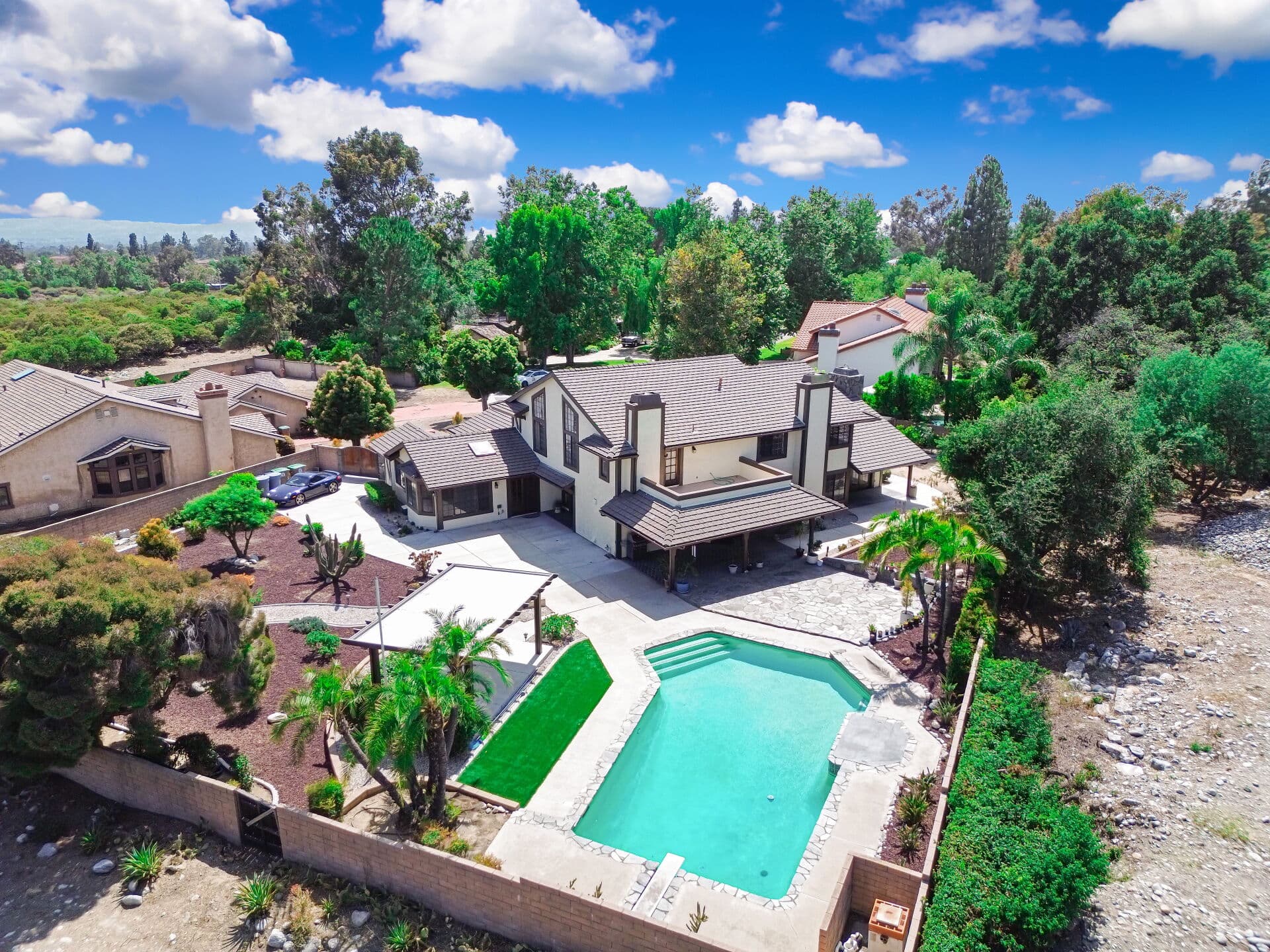
A meaningful share of the investors interested in Claremont do not live anywhere near it — the Bay Area owner diversifying south, the out-of-state buyer drawn by the college-town thesis, the former resident who knows the town from memory and the market not at all. Distance does not change the fundamentals of the investment (the investor guide covers those, honestly and without invented numbers), but it changes the RISKS: everything a local investor verifies with their own eyes and errands, the remote investor must verify through people, process, and paper. This article is the remote playbook — the local team, the diligence adaptations, and the management decision that distance forces. Standing frame: no figures, no yields; the market data lives with your agent and the current listings, and the tax and entity questions live with your professionals.
The team IS the strategy
A local investor's edge is presence; a remote investor's substitute is a bench, assembled BEFORE the search gets serious. THE LOCAL AGENT is the anchor — not any agent, but one who works investment transactions in this specific market and will tell you a hard no ('that street doesn't rent the way the listing implies') rather than a soft yes; interview for market fluency, responsiveness across time zones, and the willingness to be your eyes at properties you will never visit before offering. THE PROPERTY MANAGER comes second and EARLY — before purchase, not after — because a good one is also a diligence asset: they know which pockets rent fast, what tenant profile a given floor plan attracts (the rental-demand guide's map, embodied), and what a realistic rent range looks like from their own portfolio rather than a listing's optimism. THE INSPECTOR bench matters more remotely: the general inspector plus the age-appropriate specialists this older stock rewards — sewer, roof, foundation — because you cannot compensate for a thin report with your own walkthrough. AND THE PROFESSIONAL LAYER — lender familiar with investment underwriting, insurance broker, tax professional for the entity and reporting questions that cross state lines — rounds out a bench that, once built, makes the second purchase far easier than the first. The interview test for every seat: do they answer specifics with specifics, and do they push back? A bench that only agrees with you is a mirror, not a team.
Diligence at a distance
The adaptations that make remote diligence real rather than ceremonial. SEE THE PROPERTY HONESTLY: live video walkthroughs driven by your questions beat produced tour footage, which is marketing; ask for the unflattering angles — the electrical panel, under the sinks, the roofline, the neighboring properties in both directions, the street at evening. READ THE NEIGHBORHOOD REMOTELY: the strategy guide's tradeoffs land differently block by block, so use your agent's and manager's block-level knowledge deliberately — ask what side of which street, and why. LEAN ON THE PAPER: this site's standing documentation discipline — permits, disclosures, inspection reports, the seller's maintenance file — matters MORE remotely because paper travels perfectly; a home with a thin file deserves a thicker inspection bench. PLAN THE VISIT WHERE IT COUNTS: many remote purchases close successfully sight-unseen on a strong bench, but if you fly in once, spend it during the investigation period — walking the property with your inspector and your manager on the same afternoon is the highest-density diligence hour available. AND HARDEN THE WIRE PATH: remote closings run entirely on email and wires, which is exactly the surface wire fraud attacks — verify wiring instructions by phone at an independently found number, every time, no exceptions for urgency. Note also that remote NOTARIZATION and signing logistics are routine now — your escrow holder will map the current options — so the mechanics of closing from afar are the easy part; it is the judgment that has to travel well.
The management decision — and the honest arithmetic
Distance effectively decides the management question that local landlords get to debate: SELF-MANAGING FROM AFAR IS A TRAP for all but the most systematized owners — the midnight plumbing call, the showing calendar, the legal notices with statutory clocks, all executed through a phone from another time zone — and California's tenant-protection framework (statewide and evolving, with real procedural requirements) raises the cost of casual mistakes; professional management is the default remote answer, priced into the deal from the first analysis rather than discovered after the first vacancy. Choosing that manager deserves the same rigor as choosing the property: portfolio size and location concentration, maintenance-vendor bench, statement quality, how they handle the legal layer, and references from owners — remote owners specifically. The mechanics that keep the arrangement healthy from afar: monthly statements you actually read, a maintenance-approval threshold that matches your temperament, periodic photo or video condition reports, and an annual in-person visit if you can make one — the portfolio review that doubles as a market check with your bench. The honest closing note: remote investing in Claremont works, and works durably, when the owner accepts what distance means — you are buying the asset AND renting judgment through a team, and the returns of doing both well are what the strategy guide's tradeoffs describe. This is general information, not investment, legal, or tax advice; current law, your professionals, and the live market govern.
Anthony Grynchal has been licensed in California since November 2009 and has closed plenty of transactions with buyers he met in person only after escrow — the successful ones all shared one habit: they asked for the unflattering angles first.
Frequently asked questions
Can I buy an investment property in Claremont without living nearby?
Yes — remote purchases close successfully and routinely. The substitute for presence is a bench assembled before the serious search: an investment-fluent local agent willing to say hard nos, a property manager engaged pre-purchase as a diligence asset, a deep inspection bench for this older stock, and the lender, insurance, and tax layer. The bench IS the strategy.
How do I evaluate a property I can't visit?
Live video walkthroughs driven by your questions — ask for the unflattering angles: the panel, under the sinks, the roofline, the neighbors, the street at evening. Lean harder on paper (permits, disclosures, reports, the maintenance file), use your team's block-level knowledge deliberately, and if you fly in once, spend it walking the property with your inspector and manager during the investigation period.
Should a remote owner self-manage a Claremont rental?
Almost never — the midnight call, the showing calendar, and California's procedural tenant-protection framework are hard to execute well from another time zone, and casual mistakes carry real cost. Professional management is the default remote answer, priced into the analysis from the start and chosen with the same rigor as the property.
What are the biggest remote-buying risks?
Judgment that doesn't travel: trusting produced tour footage over interrogative walkthroughs, skipping the specialist inspections a walkthrough can't replace, and wire fraud — remote closings run on email and wires, so verify wiring instructions by phone at an independently found number, every time. A bench that only agrees with you is a mirror, not a team.

Written by
Anthony Grynchal
Anthony Grynchal is a California real estate professional with eXp Realty, licensed since November 2009 (California DRE# 01873626), and the Designated Local Expert™ for Claremont — where he has lived for more than 33 years.
More about AnthonyPublished · Updated