The loud part of the college-town story is students. The durable part is everyone else on campus.
Faculty, staff, administrators, postdoctoral researchers, and visiting scholars are a materially different tenant population from undergraduates, and for a certain kind of owner they are the most attractive stream in this town: settled adults with institutional employment, long horizons, and a strong preference for staying put. Nobody writes guru content about them because there is no drama in it. That is the point.
Who this stream actually is
It is not one group, and the differences matter when you are matching a property to a tenant.
LONG-TENURE FACULTY AND STAFF are people whose employment is anchored to a campus a few minutes away. Many eventually buy, but plenty rent for years — new hires establishing themselves, people who prefer not to own, households in transition. They want a normal, well-kept home and they want to be left alone.
NEW ARRIVALS ON APPOINTMENT are hired on a schedule and need housing on that schedule, often sight-unseen from another state or country. They tend to sign quickly when a property is clean, well-presented, and available on the date they need.
VISITING SCHOLARS AND SABBATICAL VISITORS come for defined stretches — a semester, a year — and often want the property furnished. That is a real and recurring niche here, and it is closer to a mid-term rental business than a standard lease.
What they want, in order
Ask this stream what matters and the answers are consistent and unglamorous.
PROXIMITY, first. Walking or short-cycling distance to campus is worth more to this tenant than square footage. The market thins fast as distance grows, which is why the same house a mile further out is a different property economically.
QUIET AND CONDITION. This is a household of people whose work happens at home half the time. Sound, light, a functioning heating and cooling system, and a landlord who fixes things promptly are the whole value proposition.
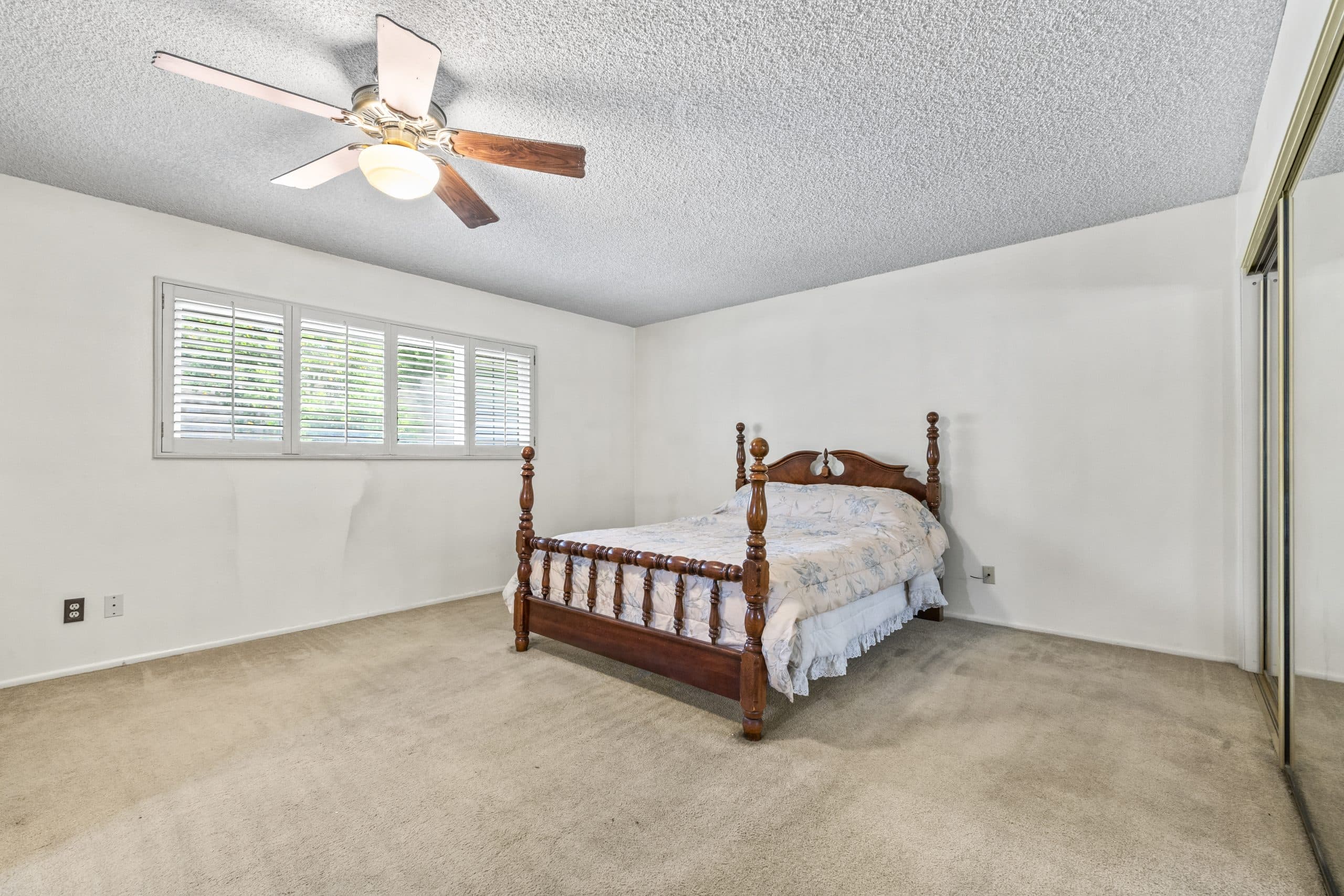
A REAL KITCHEN AND A WORKABLE STUDY SPACE. A spare bedroom that takes a desk is a genuine amenity here in a way it is not everywhere.
OUTDOOR SPACE AND PARKING, in the ordinary suburban sense. Nothing exotic.
STABILITY OF TERMS. They are not looking for a bargain so much as for predictability. An owner who raises rent thoughtfully and communicates early keeps these tenants for years.
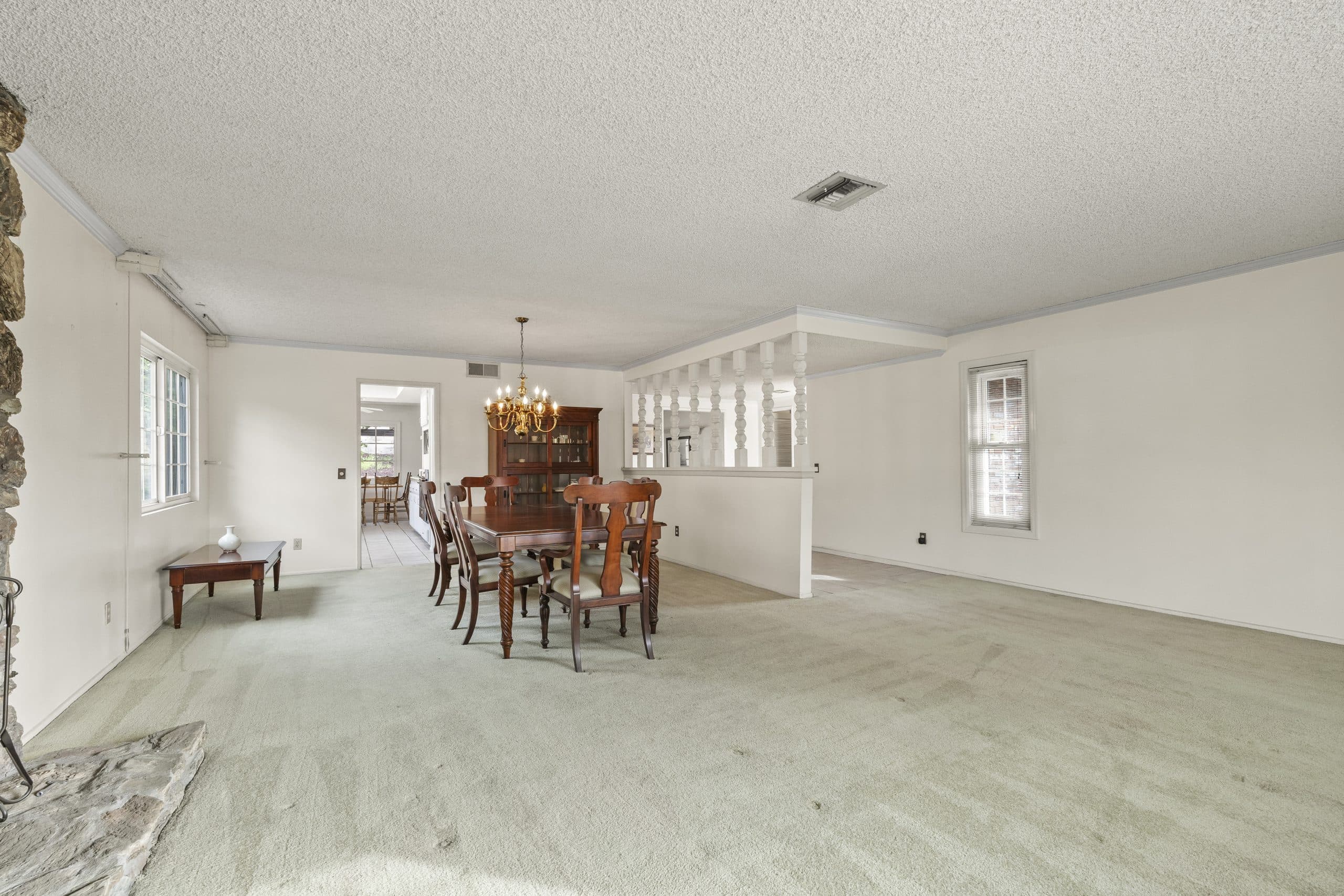
Notice what is not on that list: high-end finishes, staged aesthetics, luxury positioning. Over-improving a property for this stream is one of the more common ways to spend money you cannot recover in rent.
Why long tenancies change the economics
The arithmetic of a rental is dominated by two things people underestimate: vacancy and turnover cost. Every turn costs a cleaning, some painting, some repairs, some marketing time, and some empty days. A tenant who stays four years instead of one avoids three of those cycles entirely.
This is the whole case for the faculty-and-staff stream, and it is why an owner should be willing to price for RETENTION rather than for the last dollar of market rent. A modest, predictable annual adjustment with a tenant who stays and takes care of the place frequently outperforms an aggressive one that produces a turn — though whether it does in your specific case is arithmetic you should run on your own property with your own numbers, not a rule to take on faith.
It also means California's rules on rent adjustment and tenancy terminations are directly relevant to how you operate. Those rules have changed repeatedly and they apply differently depending on property type and tenancy start date. Verify the current statute and how it applies to your specific property with counsel before you plan any increase or non-renewal.
The rest of the operating picture — reserves, maintenance, management, insurance — is the same discipline as any rental, laid out in the operating budget guide. The day-to-day landlording craft sits in the rental owner material rather than here.
The furnished and mid-term corner
Visiting appointments create steady demand for furnished housing on defined terms, and that is a distinct business: higher rent per month, higher operating involvement, furniture as a real capital cost, more frequent turns, and a different legal posture depending on term length. It suits owners who are local, engaged, and willing to run it as an operation. It does not suit an owner who wanted a set-and-forget rental. Look at it deliberately rather than drifting into it.
How to match a property to this tenant
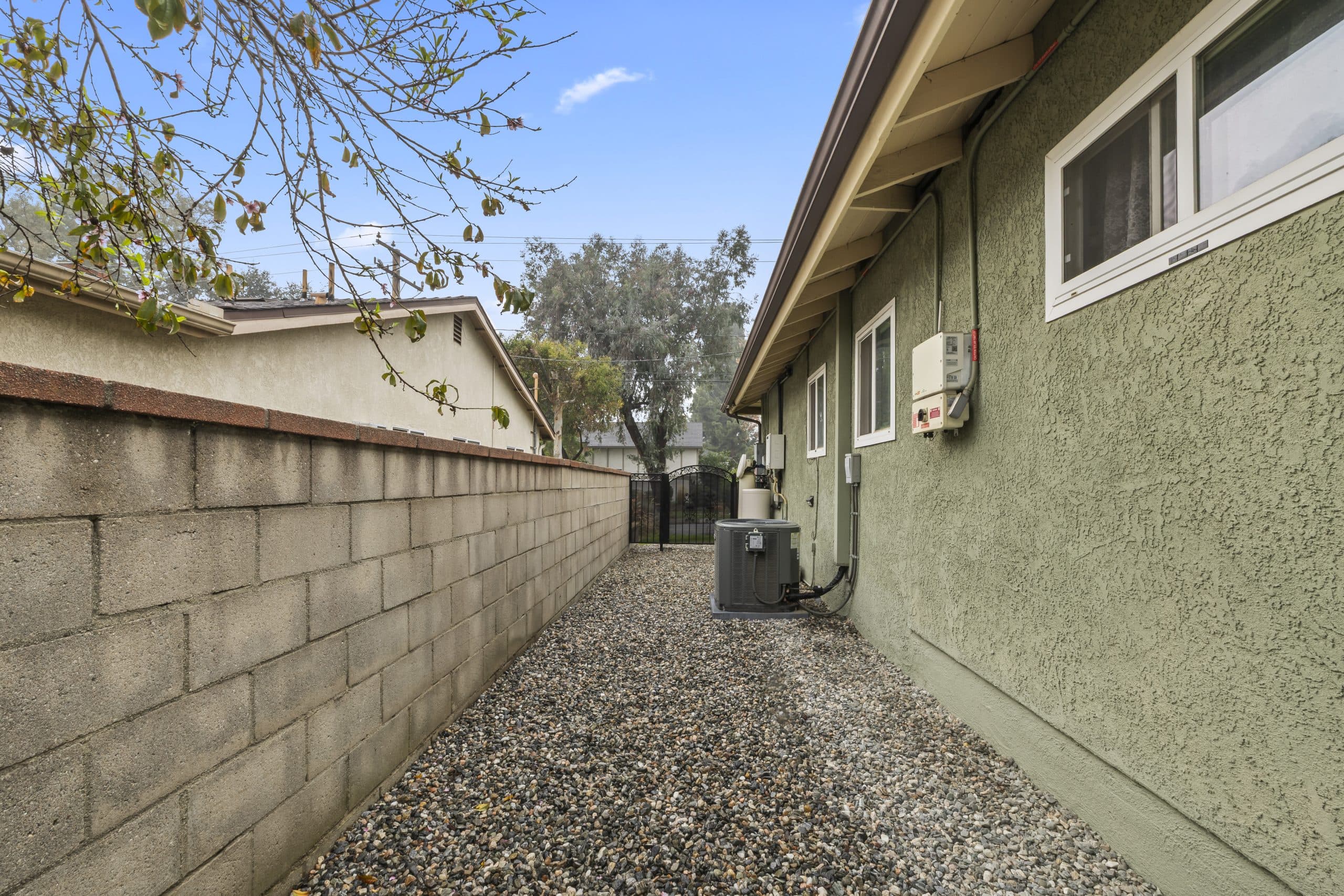
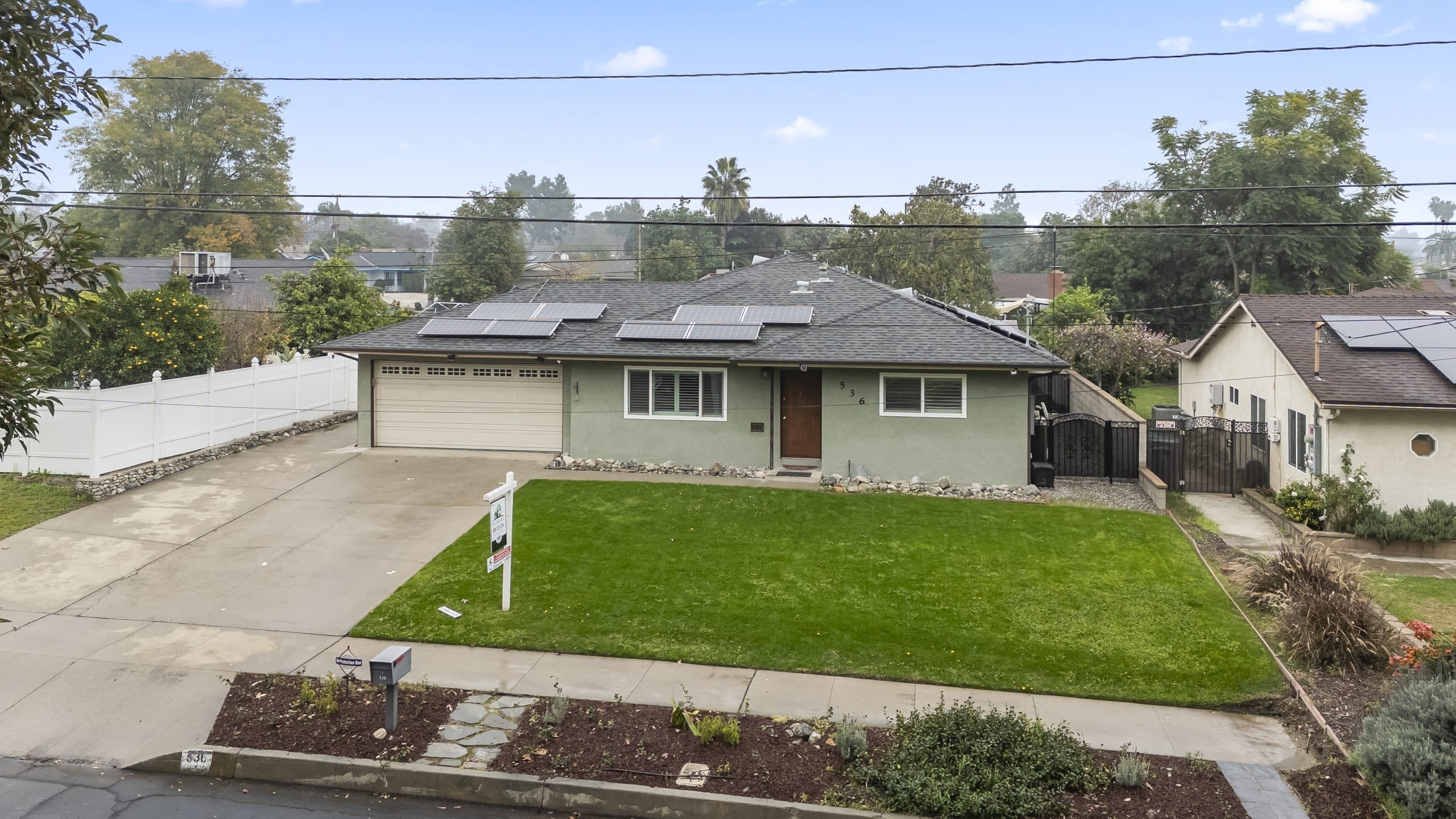
If this is the stream you want, buy for it. That means, concretely: a location within an easy commute of the campuses, on a quiet street; a floor plan with a room that works as an office; a house in genuinely good condition rather than one that needs a project; and systems — roof, plumbing, electrical, heating and cooling — that will not generate a stream of calls, because this tenant's tolerance for chronic problems is exactly as low as yours would be.
And be realistic about what you are buying. Proximity to campus is priced. You are not going to find an underpriced house next to the colleges because nobody noticed. What you can find is a property whose CONDITION or presentation is behind the market, which is the value-add path rather than a discovery.
None of this is a promise. Real estate can lose money, stable tenant base or not, and a good tenant does not rescue a bad purchase price.
For the broader map of who rents in this town and why, see the rental demand guide, and start from the investor guide if you are still deciding which segment fits you.
Anthony Grynchal has been licensed in California since November 2009.
Frequently asked questions
Why do investors like faculty and staff tenants?
Tenure. This stream tends to stay for years rather than one academic cycle, which avoids repeated turnover costs and vacancy. The trade is that they expect a well-maintained property and prompt, professional responses.
Does a property need luxury finishes to attract this tenant?
Generally no. Proximity to campus, quiet, condition, a room that works as a study, and reliable systems matter more than premium finishes. Over-improving for this stream is a common way to spend money that rent will not return.
Is furnished housing for visiting scholars worth doing?
It is a real niche near the colleges, but it is a different business: furniture is a capital cost, turns are more frequent, involvement is higher, and the legal posture varies with term length. Decide deliberately rather than drifting into it.
How should I handle rent increases with a long-term tenant?
Predictably, communicated early, and within current California law, which has changed repeatedly and applies differently by property type and tenancy start date. Confirm what applies to your specific property with counsel before planning any increase.

Written by
Anthony Grynchal
Anthony Grynchal is a California real estate professional with eXp Realty, licensed since November 2009 (California DRE# 01873626), and the Designated Local Expert™ for Claremont — where he has lived for more than 33 years.
More about AnthonyPublished · Updated