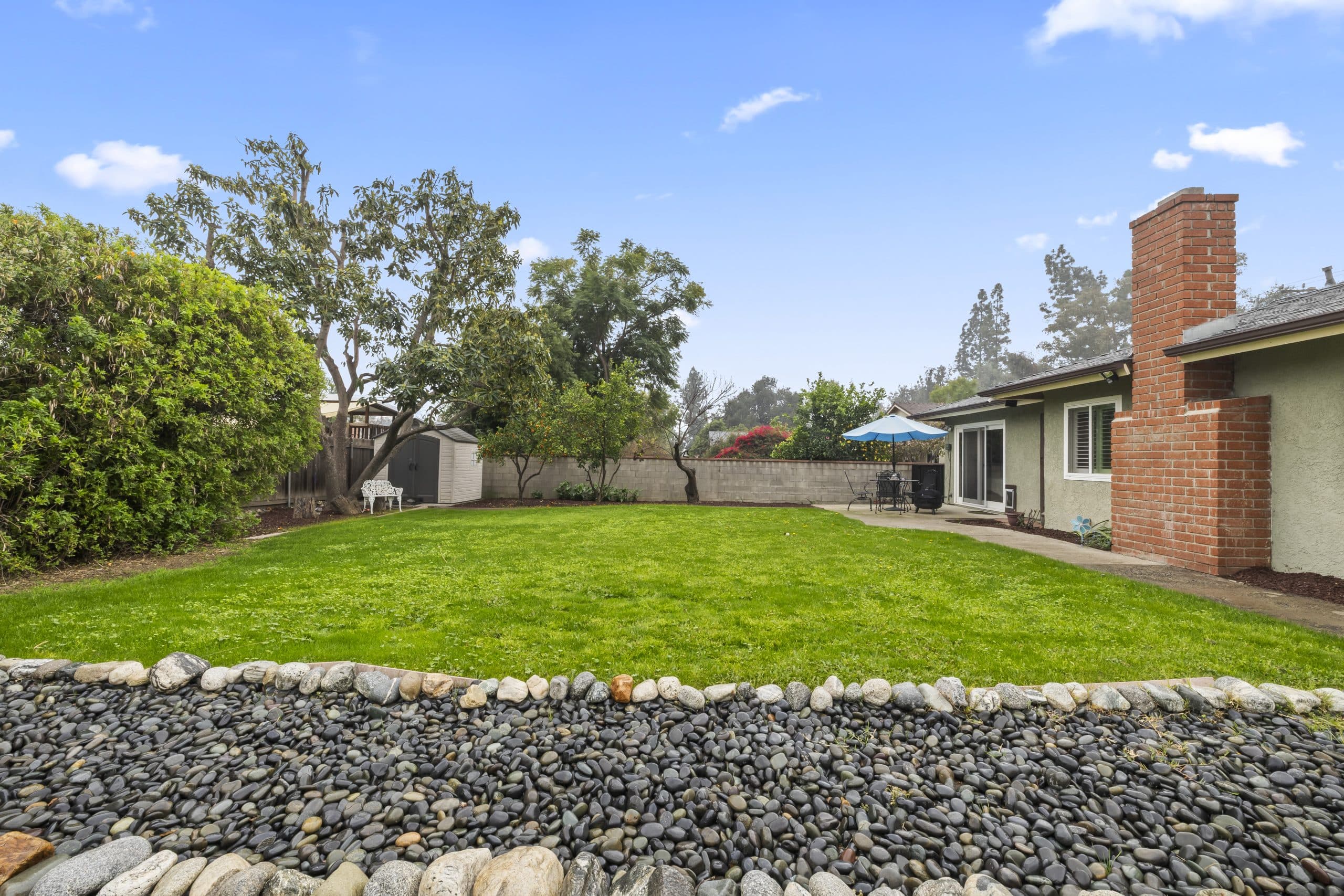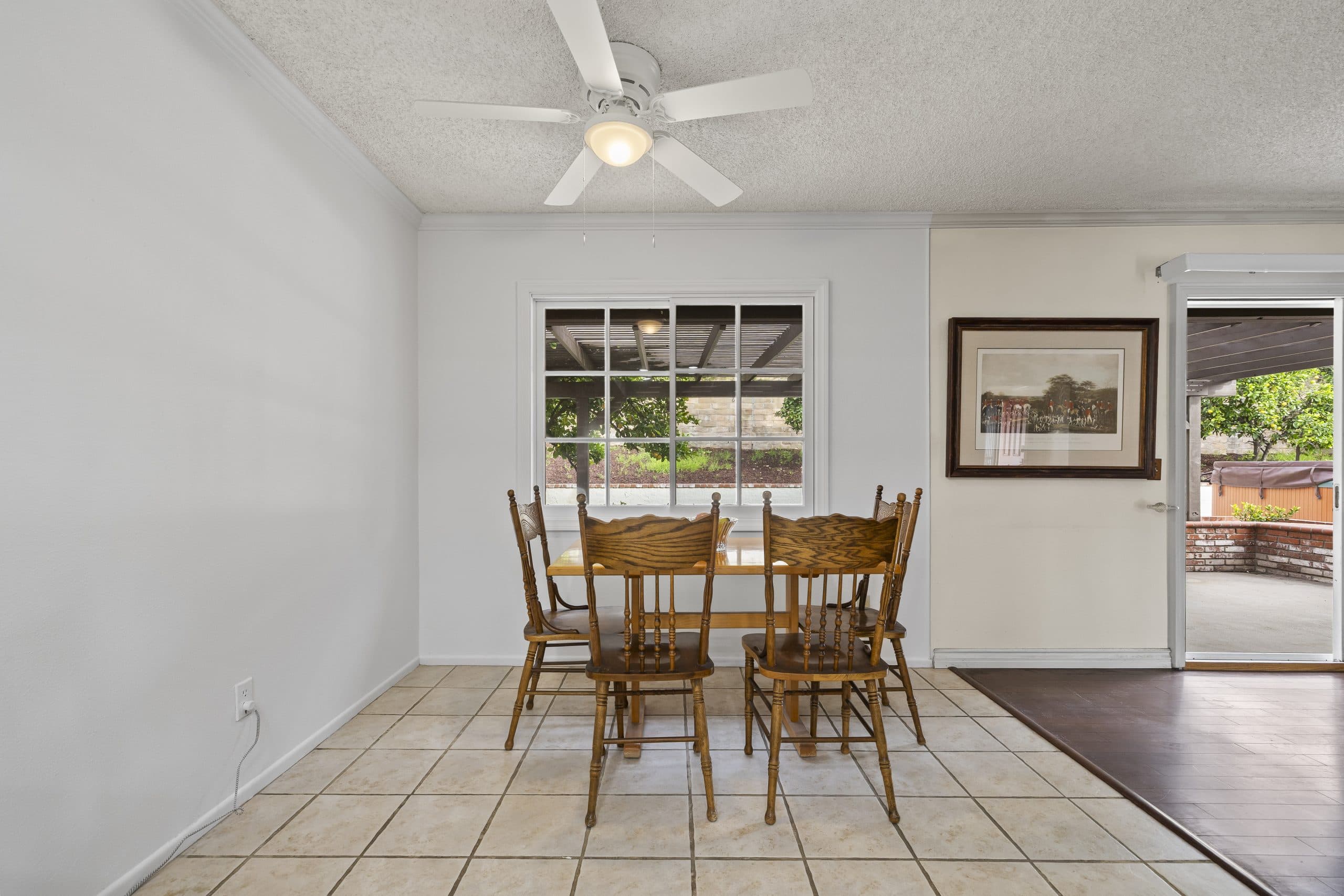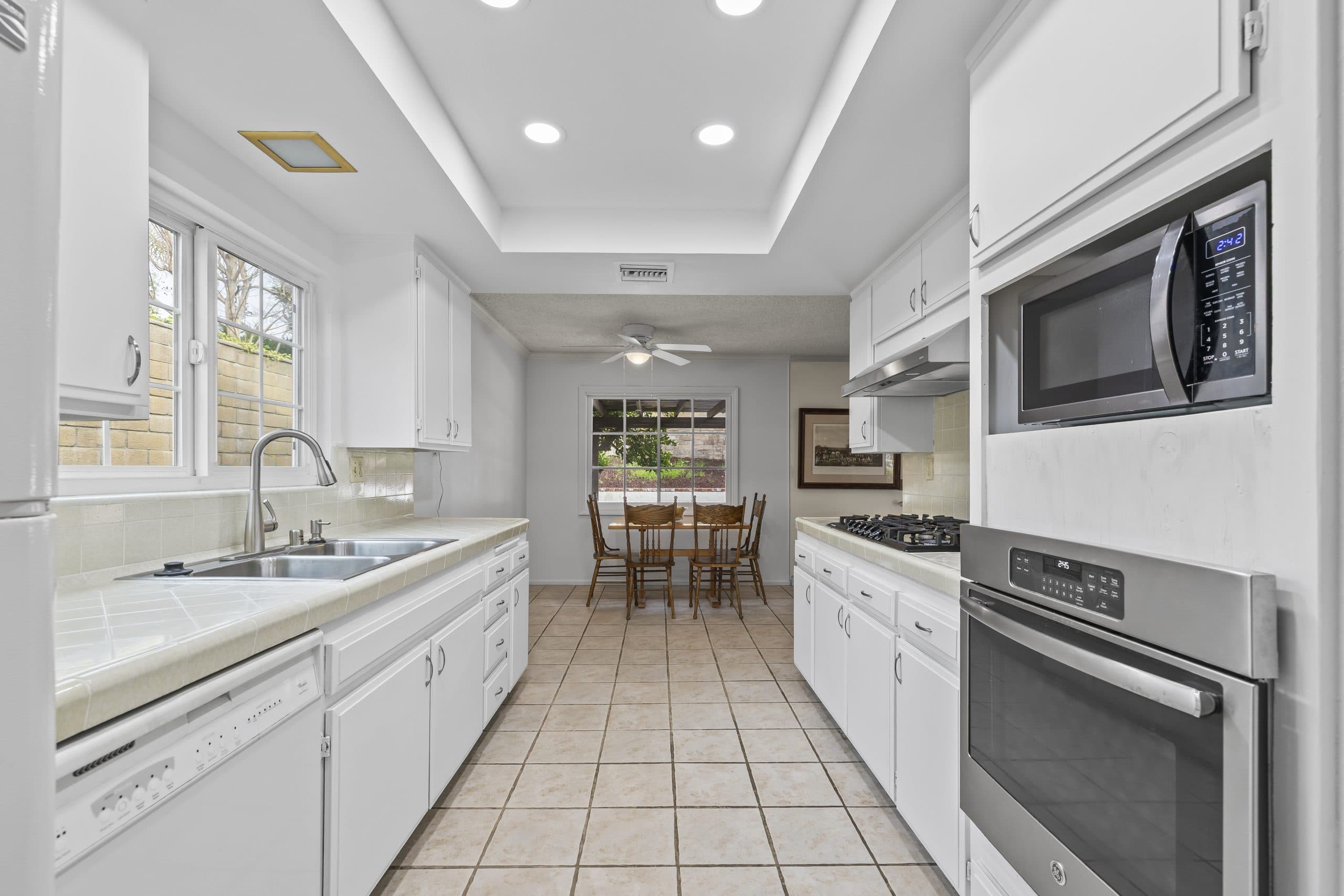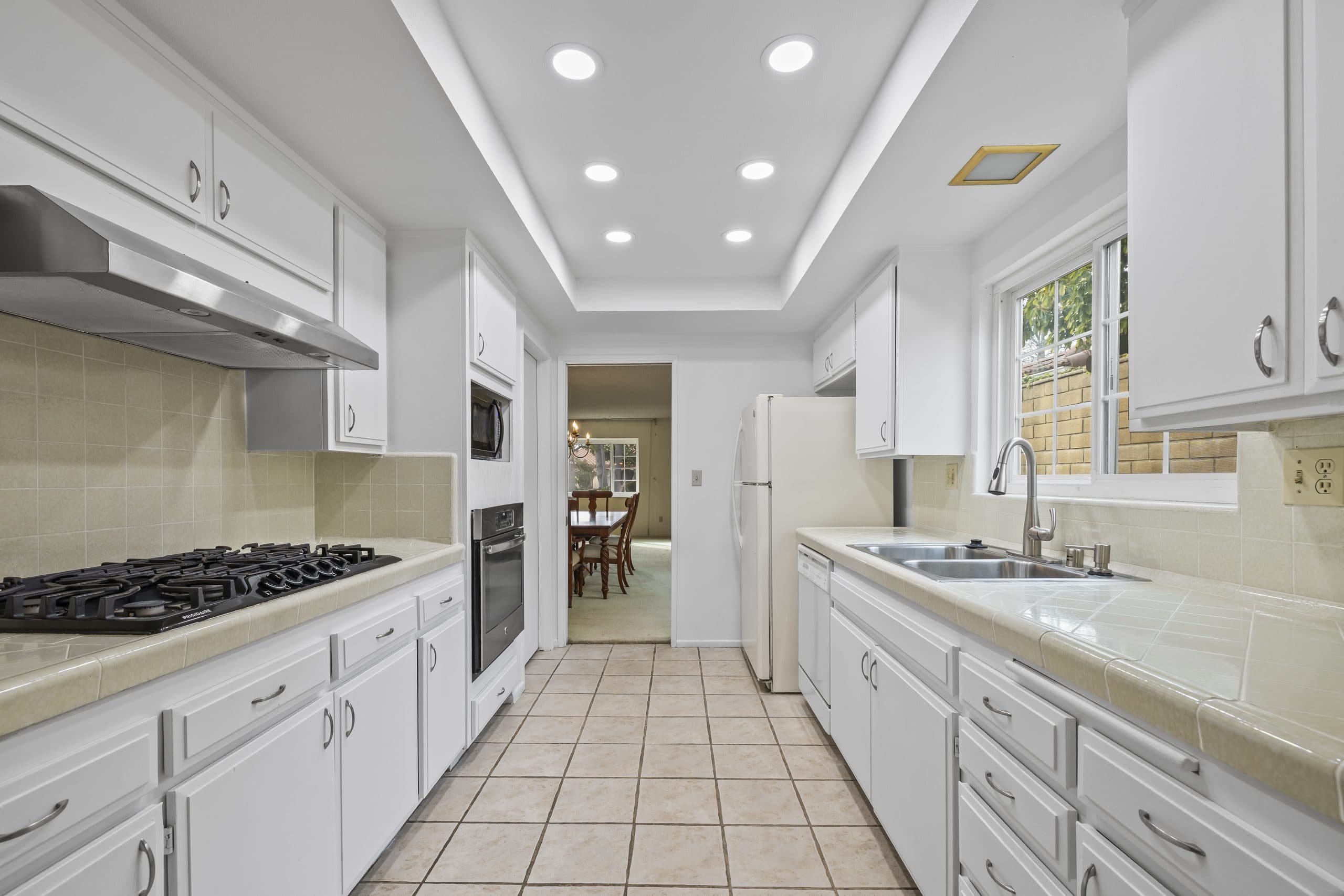
There is a version of investing that gets almost no attention because it is slow and unphotogenic: buy a property whose CONDITION is behind the market, improve it deliberately, lease it well, and hold it. No flip, no exit at the end of a six-month clock, no before-and-after reel.
In a town like Claremont, where the stock is older and where nothing is meaningfully underpriced by accident, this is often the only real value creation available. You are not going to discover a bargain nobody noticed. You may well be able to buy something tired and stop it being tired.
This article is about doing that with discipline. It sits alongside the fixer guide, which covers the acquisition arithmetic; here the focus is what happens after you own it.
Value-add is not flipping, and the difference is the whole plan
A flip converts work into a sale price and is judged on one transaction. A renovate-and-hold converts work into RENT, into REDUCED FUTURE MAINTENANCE, and into a property you will still own in ten years. Those goals reward different spending.
A flipper spends where a buyer's eye lands. A holder spends where the property will otherwise generate calls. The flipper can rationally put a nicer surface over an aging system. The holder cannot, because the holder is the one answering the phone when it fails.
So the ordering is fixed and it is not the fun ordering.
The sequence: systems first, surfaces second
STEP ONE, ALWAYS: the envelope and the systems. Roof, drainage, plumbing supply and drain lines, electrical service and panel, heating and cooling, water heater, sewer lateral. In older Claremont housing these are the items that determine whether the next decade is quiet or expensive, and several of them are invisible in a walkthrough. Sewer scope and a real systems inspection are not optional diligence on this strategy; they are the strategy.
STEP TWO: the things that produce recurring failure. Bad drainage against a foundation, failing windows, an undersized panel that trips, worn fixtures that leak. Every one of these is a maintenance annuity you are choosing to keep paying if you skip it.
STEP THREE: what a tenant actually notices and pays for. Kitchen and bathroom condition, flooring, light, paint, and the general sense that a place is cared for. This is genuine rent-affecting work — but it is worth much less on top of failing systems than it is on top of sound ones.
STEP FOUR, IF AT ALL: the discretionary tier. High-end finishes, premium appliances, elaborate landscaping. In a rental this is the tier where money most reliably fails to return. The rental demand guide is the relevant test: match the improvement to the tenant stream the property will actually serve, and stop.
The judgment nobody can outsource: how far to go
Over-improving is the characteristic failure of this strategy, and it is committed by intelligent people who are simply spending like homeowners.
The discipline is to renovate TO A STANDARD, not to a taste. That standard is set by what comparable rentals in the same submarket actually offer, which you establish by looking at real competing listings before you buy the materials — not after you have chosen them. A property finished materially above its competition does not command a proportional premium; it commands a modest one, at a cost that was not modest.
The mirror error is under-improving: leaving a property just tired enough that it attracts the tenant most likely to leave in a year. Turnover is expensive, and a cheap renovation that produces annual turns is not a saving.
Between the two, the honest answer is arithmetic, and it is yours to run: cost of the work against the rent and durability it credibly produces, with your own numbers, current comparable rents, and no assumption that spending returns anything. Real estate can lose money and renovation is one of the more efficient ways to spend more than a property will ever give back.
Practicalities that catch people
PERMITS. Work that requires them requires them, and unpermitted work becomes a disclosure problem, a lending problem, and sometimes an insurance problem later. If you plan to hold a decade and eventually sell, everything you do unpermitted today is a conversation you will have at that sale. Confirm what the City of Claremont requires for your specific scope before work begins.
OCCUPIED PROPERTIES. Renovating around a sitting tenant is a legally sensitive activity in California — entry rules, habitability obligations, and rules governing rent adjustment and terminations all apply, and they have changed repeatedly. Do not improvise. Have counsel confirm the current position for your specific tenancy before you plan work or any change in terms.
SCOPE CREEP AND CONTINGENCY. Older houses hide things. Open a wall and find knob-and-tube, galvanized supply, or a framing surprise. Carry a genuine contingency in the budget rather than a token one, and decide in advance which discoveries stop the project.
THE CARRY. Every month of renovation is a month of debt service, taxes, insurance, and utilities with no rent. That carry belongs in your cost of the work. On the tax point, remember the assessed value generally resets to your purchase price under the California Constitution's Proposition 13 framework — a one percent base levy with increases capped at two percent annually while ownership does not change — so budget your carry at YOUR basis, not the seller's.
What good looks like at the end
A property with sound systems, finishes appropriate to its market, a tenant who wants to stay, a maintenance load you can predict, and an owner who is not braced for the next failure. It is unglamorous and it is the version of this business that actually compounds.
How you eventually capture the value — sell, refinance, or simply keep holding — is a separate decision with real tax consequences that belong to your CPA. The exit strategy guide lays out the options, and the investor guide puts this strategy alongside the others available here.
Anthony Grynchal has been licensed in California since November 2009.
Frequently asked questions
How is renovate-and-hold different from flipping?
A flip converts work into a sale price; a hold converts work into rent, reduced future maintenance, and a property you keep. That changes the spending priorities: systems and durability come before finishes, because you are the one who answers the phone when something fails.
What should I fix first in an older Claremont rental?
The envelope and the systems: roof, drainage, plumbing, electrical service, heating and cooling, water heater, and the sewer lateral. Cosmetic work on top of failing systems buys much less than the same work on top of sound ones.
How do I avoid over-improving a rental?
Set the standard from real competing rentals in the same submarket before you choose materials, and finish to that standard rather than to your own taste. Finishes materially above the competition rarely command a proportional rent premium.
Can I renovate while a tenant is living there?
Sometimes, but it is legally sensitive in California, with entry rules, habitability obligations, and rules on rent adjustment and terminations all in play. Have counsel confirm the current position for your specific tenancy before planning the work.

Written by
Anthony Grynchal
Anthony Grynchal is a California real estate professional with eXp Realty, licensed since November 2009 (California DRE# 01873626), and the Designated Local Expert™ for Claremont — where he has lived for more than 33 years.
More about AnthonyPublished · Updated