Every remodel has two budgets. One is materials and scope, which the homeowner controls. The other is LABOR AVAILABILITY, which the homeowner does not control at all, and which quietly decides whether a project takes four months or fourteen. In a small city embedded in a very large construction region, the second budget is the one that surprises people.
This article explains how construction labor reaches a Claremont job site, why its availability swings, and how to plan a project around a queue set somewhere else. As throughout this cluster, no figures appear here. Wage levels, permit volumes, and backlog measures are published live by state labor agencies and by municipal building departments, and they move faster than a permanent page can track.
The queue is not local
A remodel in Claremont competes for labor with every other project the same crews could take, and those projects are spread across the eastern San Gabriel Valley, the foothill cities, and the inland corridors beyond. General contractors, framers, electricians, plumbers, drywall crews, tile setters, and finish carpenters all move within that radius.
So when regional construction demand rises, a Claremont homeowner feels it as a scheduling problem, not a local news story. Bids come back slower. Start dates drift. Subcontractors who confirmed in writing turn up two weeks late because a larger job ran long. None of that is misbehavior. It is the ordinary consequence of a small number of skilled crews serving a very large area.
The same regional gravity that sends Claremont residents outward to work, described in the commuter-economy article, pulls construction labor across the region in the other direction. The town does not have its own construction labor market. It has an address inside one.
What actually moves availability
Several forces push and pull on the crew supply, and they are worth naming because they explain most scheduling frustration.
REGIONAL BUILDING CYCLES. When large residential or commercial projects break ground nearby, they absorb crews for extended periods at predictable pay, which is more attractive to a subcontractor than a scattered set of small residential jobs. Small remodels are the flexible part of a crew's calendar and get treated accordingly.
FINANCING CONDITIONS. When borrowing costs shift, both homeowner projects and developer projects respond, though not on the same schedule. That linkage is covered separately in the interest-rate article, and it is one of the clearer channels through which national conditions arrive at a specific Claremont driveway.
DISASTER AND WEATHER DEMAND. A significant regional event that damages housing pulls crews toward reconstruction work for months afterward. Storm seasons do the same on a smaller scale. Neither has anything to do with your project, and both change your start date.
THE SKILLED-TRADES PIPELINE. The supply of people entering the trades relative to those retiring out of them is a slow-moving structural factor rather than a cyclical one. It is the reason experienced crews in specialized trades tend to be scarcer than general labor, and why specialty work is often the schedule bottleneck.
Older houses lengthen every timeline
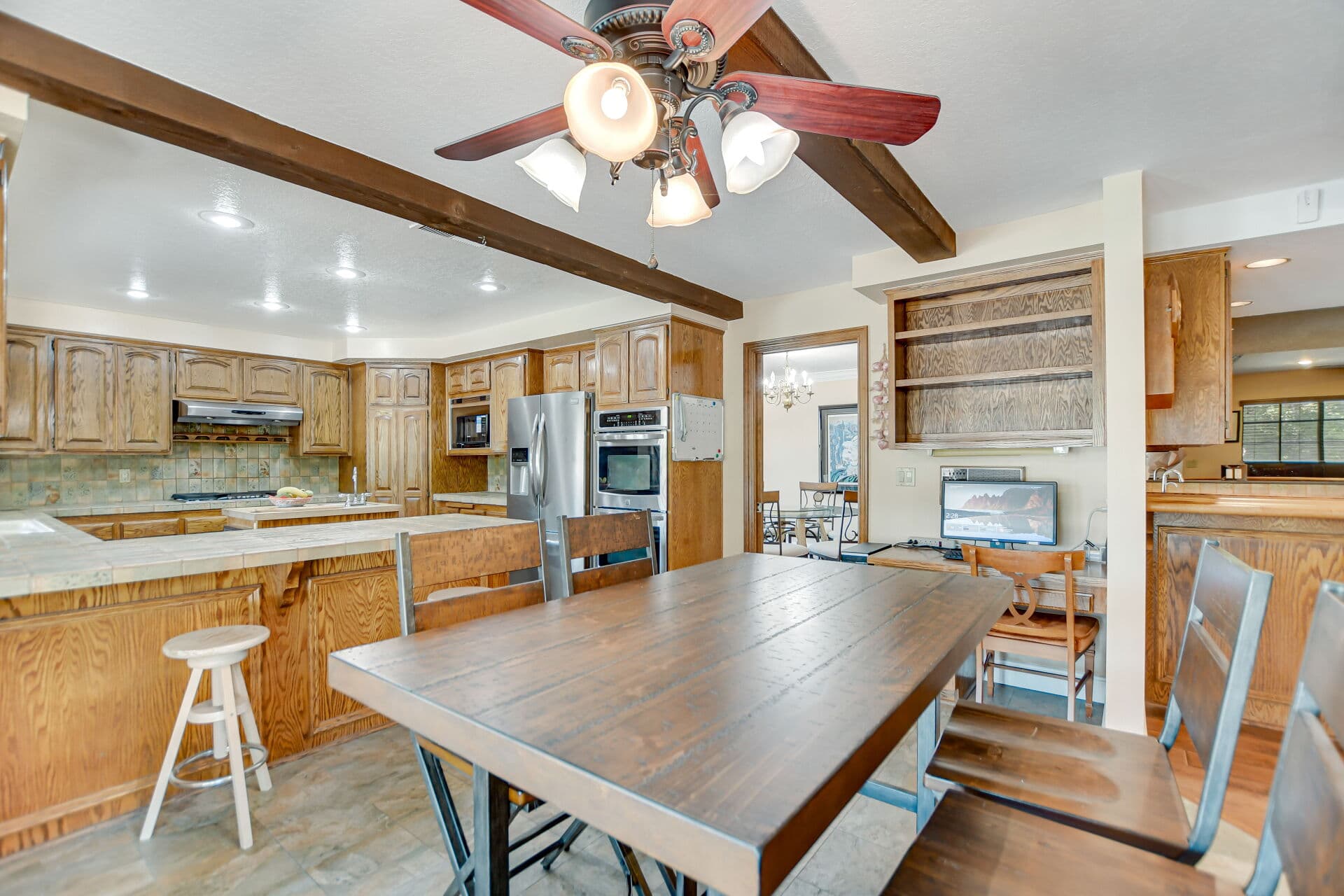
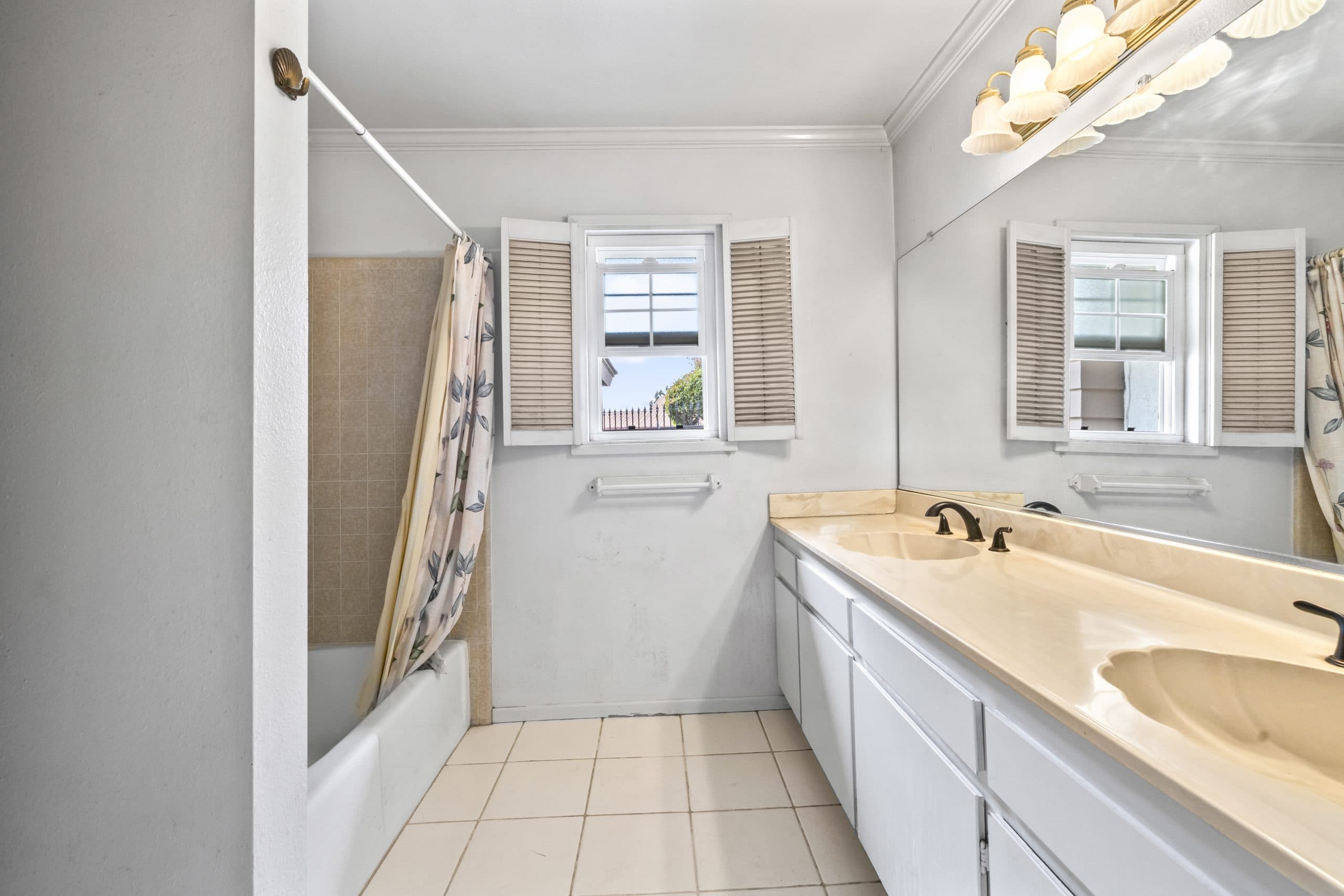
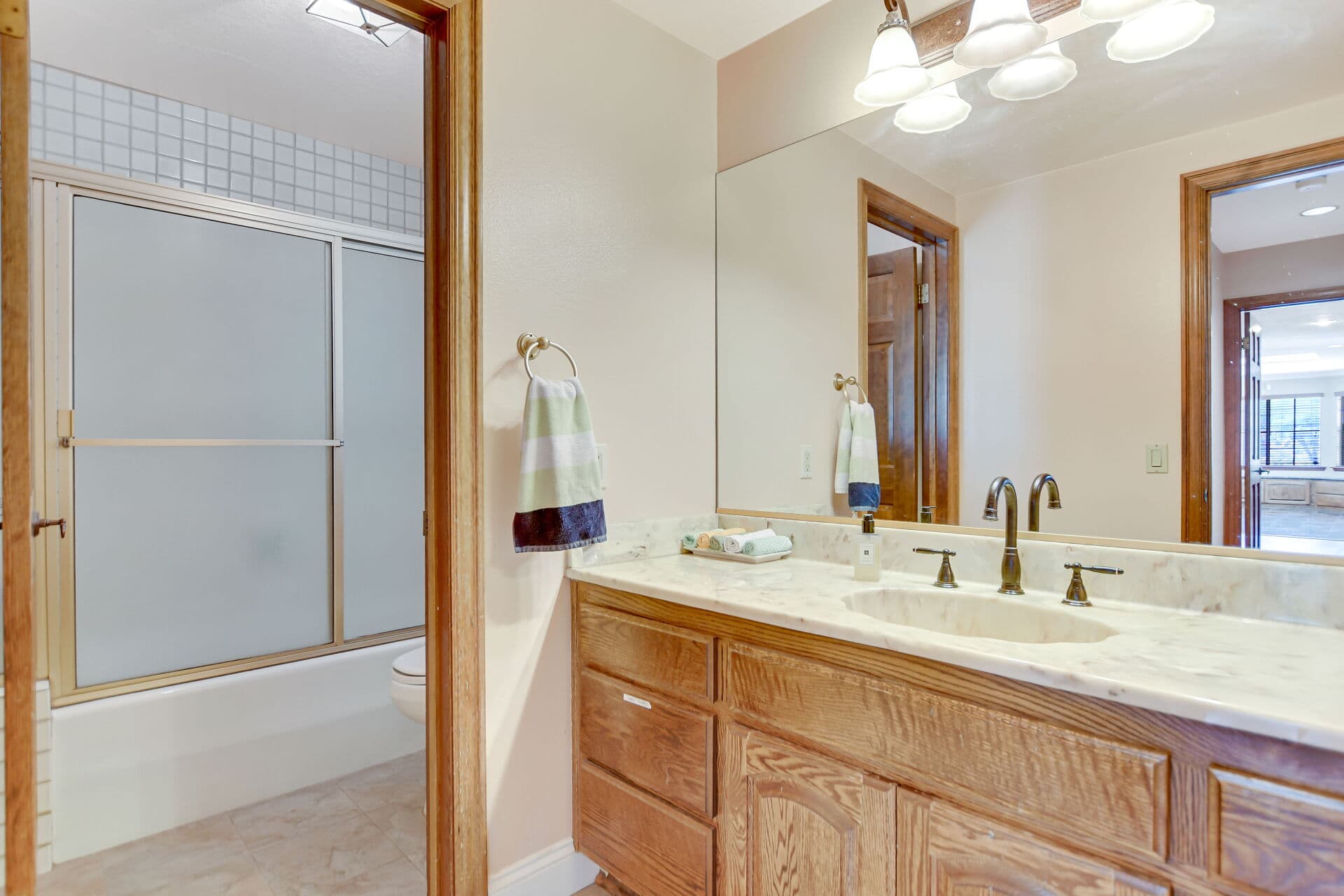
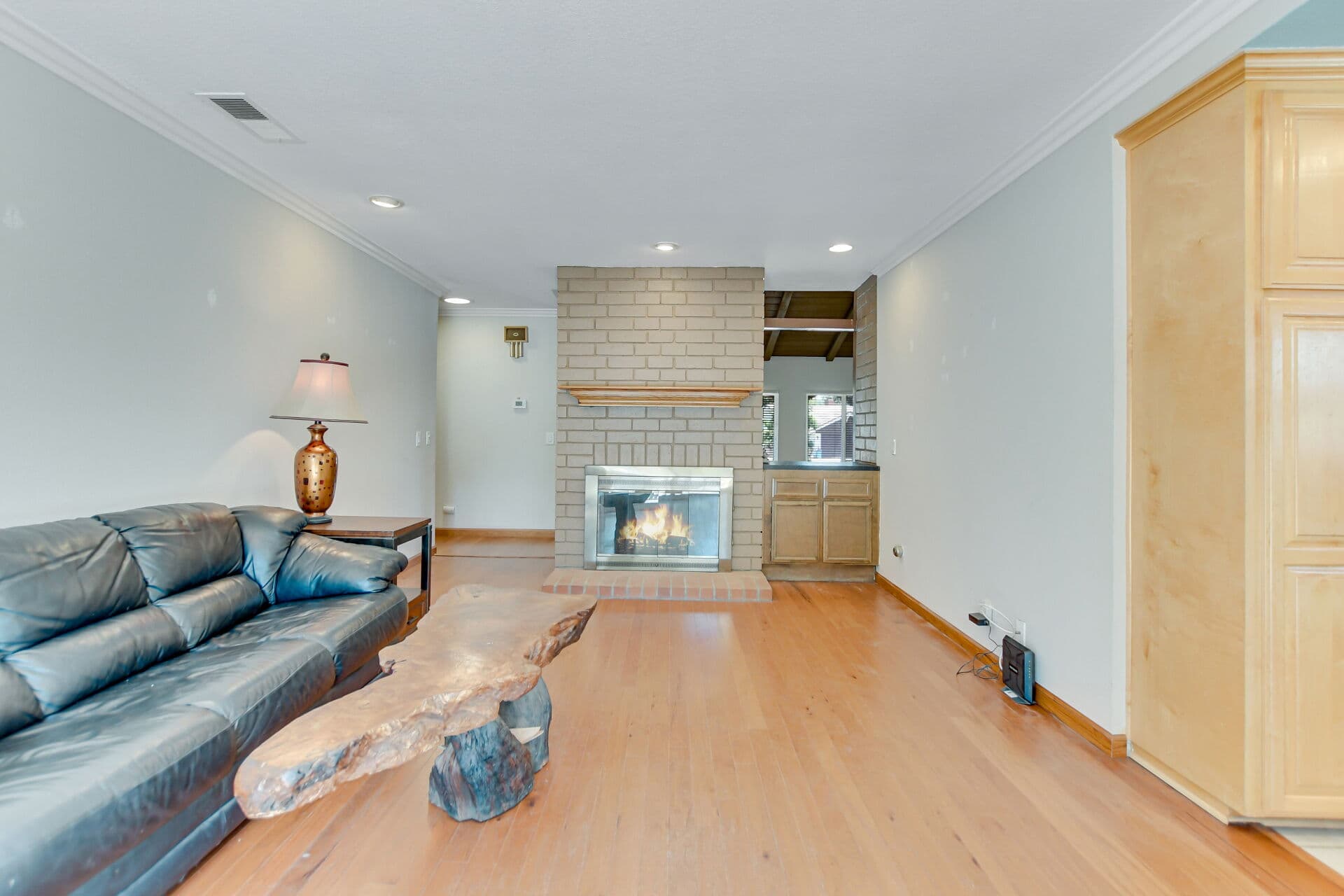
Claremont's inventory adds a specific complication. Remodeling an older house involves discovery: what is behind the wall is not known until the wall is open, and what is found frequently expands the scope.
That matters for scheduling more than for cost. A scope change mid-project does not simply add work at the end. It can send the job back to a trade that has already left and is now booked elsewhere, and re-entering that trade's calendar is the delay. The classic version is a discovery during demolition that requires the electrician back before the drywall can go up, at which point the whole downstream sequence waits on one calendar.
Experienced contractors price and schedule for this. Inexperienced ones do not, which is another reason a bid that looks efficient on paper can produce the longest actual project.
Permits sit inside the same queue
Plan review and inspection are their own scheduling layer, run by the city rather than the market, and they have their own busy periods. A project timeline that assumes instant plan approval and same-week inspections is a fiction. Build realistic review and inspection windows into the plan, and confirm current expectations directly with the city's building division rather than relying on what a neighbor experienced two years ago.
How to plan against a queue you do not control
Four habits do most of the work.
First, decide scope BEFORE bidding, not during construction. Every mid-project change re-enters you into a calendar you have already left.
Second, treat a start date as a range and hold a contingency in both money and time. Owners who plan for the optimistic case experience an ordinary schedule as a crisis.
Third, bid outside peak periods where you can. The same crew quoting the same work has different marginal value for it in a busy season and a slow one.
Fourth, if the remodel is tied to a transaction, sequence honestly. A pre-sale improvement plan that assumes fast trade availability can strand a seller mid-project with a listing date that no longer works. In many cases selling as-is with clear disclosure is the better economics, and that comparison should be run before demolition, not after.
The connection back to value
Labor availability is one of the reasons improvement costs and improvement VALUE diverge. A project that takes twice as long absorbs carrying costs, disrupted living, and often scope creep, none of which appears in the finished appraisal. That gap is why the honest question about a remodel is not only what it costs but what it costs to WAIT for, and why the answer depends on conditions in a region far larger than this town.
Anthony Grynchal has been licensed in California since November 2009. Across that period, construction labor in this region has gone through several tight and slack stretches, and homeowners who planned for the queue rather than against it consistently had the calmer projects. For current conditions, use the live labor and permit sources. For the surrounding economic picture, the Claremont local-economy hub and the employment map article are the right companions to this one.
Frequently asked questions
Why do Claremont remodel start dates slip so often?
Because the crews are drawn from a large regional labor pool and small residential projects are the flexible part of their calendar. When larger nearby projects run long or absorb subcontractors, smaller jobs move. Treating a start date as a range rather than a promise is the realistic approach.
Does an older house really take longer to remodel?
Usually yes, and the reason is sequencing rather than effort. Discoveries behind walls in older construction can require a trade that has already finished to return, and re-entering that trade's booked calendar is where the delay comes from. Experienced contractors schedule for that possibility.
How long do permits and inspections add to a project?
It varies with the city's workload and the complexity of the plans, which is why no permanent page should quote a number. Ask the city's building division directly about current plan review and inspection timing at the point you are planning, and build a realistic window into the schedule.
Should I remodel before selling if labor is tight?
Run the comparison before demolition. A pre-sale project that assumes quick trade availability can strand a seller mid-work with a listing date that no longer functions. Selling as-is with clear disclosure is frequently the better economics when the queue is long.

Written by
Anthony Grynchal
Anthony Grynchal is a California real estate professional with eXp Realty, licensed since November 2009 (California DRE# 01873626), and the Designated Local Expert™ for Claremont — where he has lived for more than 33 years.
More about AnthonyPublished · Updated