Utilities are the ownership cost people estimate worst. A mortgage payment is fixed and known, taxes are calculable, insurance is quotable, and then the utility line gets a guess. In an older housing stock in a hot inland valley, that guess is frequently wrong by a large enough margin to matter.
This article explains the STRUCTURE of a household utility bill here: who provides what, what drives each line, and where the variation between two similar houses actually comes from. No rates, no monthly amounts, and no percentages appear. Every provider publishes its own current tariffs, and those are the only trustworthy numbers.
Know which providers serve the address
The first practical step, and one buyers routinely skip, is establishing which entities actually serve a specific property. Service territories do not follow city boundaries neatly, and neighboring houses can occasionally have different providers for the same commodity.
The categories to identify are electricity, natural gas, water, sewer, and refuse and recycling, plus telecommunications. Each is provided by either an investor-owned utility regulated by the state, a municipal or district provider, or a franchised private hauler operating under a city agreement. The regulatory regime differs among them, which affects how rates are set and how disputes are handled.
Ask the seller for recent statements, and confirm the providers with the city and directly with each utility. Do it during the contingency period. This is a ten-minute task that removes an entire category of post-closing surprise.
What drives each line
Once you know the providers, the drivers are reasonably predictable.
ELECTRICITY. Dominated by cooling in an inland valley with real summer heat. The house's insulation, window performance, roof and attic condition, orientation, shade from mature canopy, and the age and efficiency of the HVAC equipment do most of the work. Rate structures increasingly vary by time of day, which means WHEN a household uses power matters as well as how much. Solar, where installed, changes the picture substantially and brings its own contractual questions.
NATURAL GAS. Heating, water heating, cooking, and any gas appliances. Older, poorly insulated houses and older water heaters drive this line, and it is seasonal in a way electricity here is not.
WATER. Landscape is usually the largest determinant, well ahead of indoor use. A mature landscape on a larger lot is a different water proposition from a small, drought-adapted yard, and that difference persists year after year. Irrigation system condition matters enormously, because a leaking or badly zoned system wastes continuously and invisibly.
SEWER AND REFUSE. Typically structured charges rather than usage-driven ones, and worth confirming because their billing arrangement varies by jurisdiction.
Why two similar houses differ so much
This is the part that surprises people. Two houses of comparable size on the same street can have materially different utility costs, and the reasons are physical rather than behavioral.
Envelope quality is the biggest factor: insulation levels, window type and condition, attic ventilation, and air sealing. In an older housing stock these vary enormously depending on whether and when an owner upgraded.
Equipment age and efficiency is next. Systems near the end of their life consume more to deliver the same comfort, and they fail at the least convenient moment.
Then shade and orientation, which in a town known for its canopy is a genuine variable. A well-shaded west elevation is worth real money every summer.
Then landscape, which decides the water line, and household composition and schedule, which decide when demand occurs.
None of that is visible in a listing photograph. All of it is discoverable if you ask.
How to actually verify before buying
Request twelve months of actual statements from the seller. A single month tells you nothing, because these costs are seasonal and a spring bill in an inland valley is not a summer bill.
Ask specifically about the age of the HVAC and water heating equipment, whether the attic has been insulated, whether windows have been replaced, and how the landscape is irrigated. Have the home inspector comment on envelope and equipment condition rather than only on function.
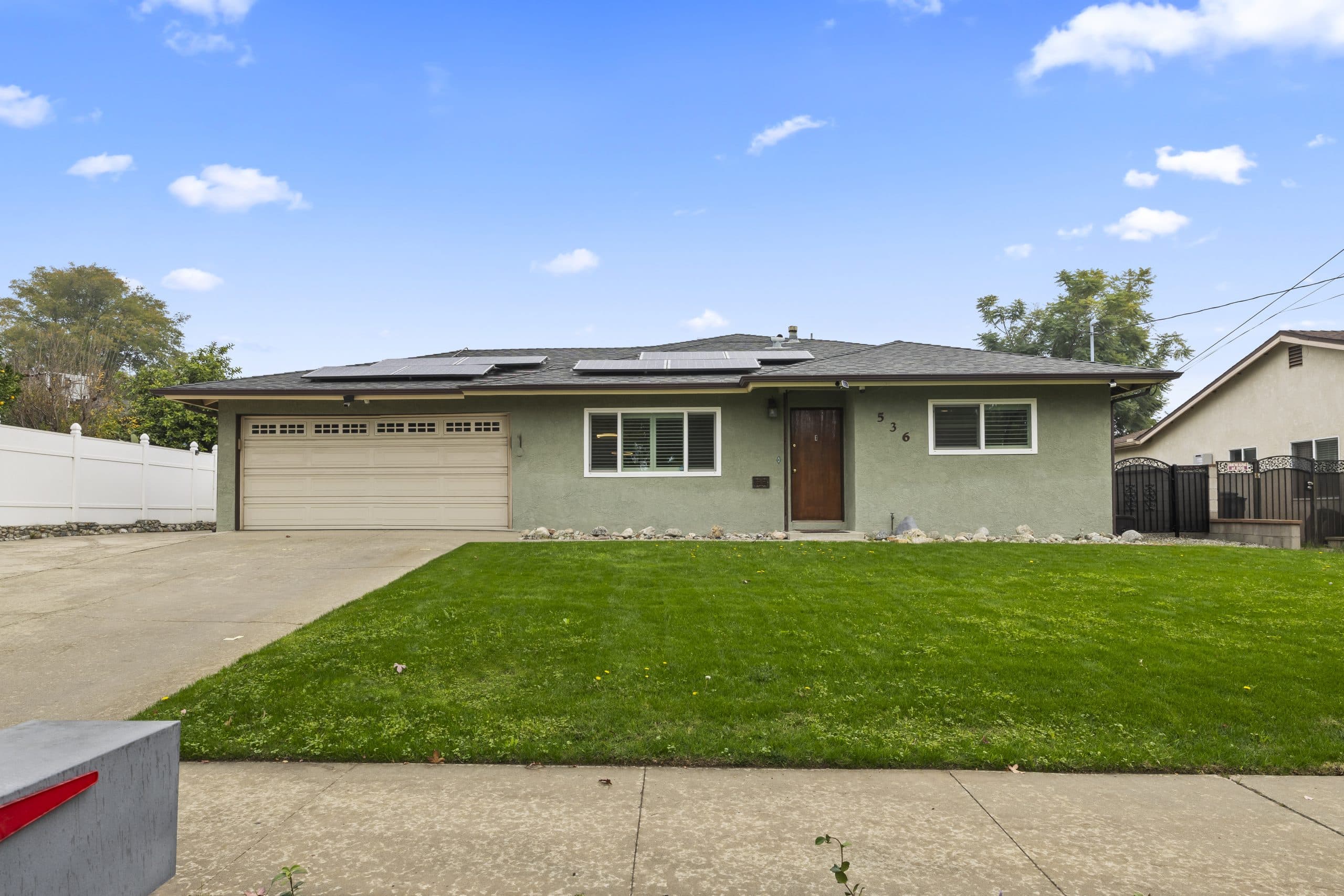
If solar is present, get the documentation and understand precisely what is being conveyed: owned, financed, or leased, and what transfers to you. That is a contractual matter with real financial consequences and it should be resolved before closing, not discovered after.
Then read the providers' current rate schedules directly. They are published, they change, and they are the only figures worth relying on.
Where this fits in the local economy
Utility costs are a household line item, but they are also a piece of local economics. They are set by regulated entities and districts whose decisions arrive from outside the household entirely, they represent a steady outflow from local households to those providers, and they shift the effective cost of ownership without touching the value of the asset.
That makes them the same class of thing as the insurance question this cluster covers elsewhere: an ownership cost transmitted from outside, capable of changing affordability while home prices do nothing at all. Anyone reasoning carefully about what it costs to live here should treat them together rather than treating one as a real number and the other as a guess. The same logic runs through the article on how the economy shows up in listings, where costs that never appear in a price still shape what a buyer can do.
Anthony Grynchal has been licensed in California since November 2009. In that time the widest utility cost gaps between otherwise comparable houses have almost always traced back to envelope and equipment condition rather than to household habits. Keep the Claremont local-economy hub alongside the tax base article for how municipal and district charges fit the wider picture, and get current rates from the providers themselves.
Frequently asked questions
How do I find out who provides utilities to a specific home?
Service territories do not follow city boundaries neatly, so confirm each one. Ask the seller for recent statements, and verify electricity, gas, water, sewer, and refuse providers directly with the city and with each utility during the contingency period rather than assuming.
Why are two similar Claremont homes so different on utilities?
Mostly physical rather than behavioral factors: insulation and air sealing, window type and condition, attic condition, HVAC and water heater age and efficiency, shade and orientation, and landscape irrigation. In an older housing stock these vary enormously depending on past upgrades.
How many months of utility bills should I ask for?
Twelve. Costs here are strongly seasonal in an inland valley, and a single spring statement tells you almost nothing about a summer cooling load. A full year is the only sample that shows the actual range you would be taking on.
What should I check if the house has solar?
Get the documentation and establish precisely whether the system is owned, financed, or leased, and exactly what transfers to you at closing. That is a contractual question with real financial consequences and it should be resolved before closing rather than discovered afterward.

Written by
Anthony Grynchal
Anthony Grynchal is a California real estate professional with eXp Realty, licensed since November 2009 (California DRE# 01873626), and the Designated Local Expert™ for Claremont — where he has lived for more than 33 years.
More about AnthonyPublished · Updated