Sellers of distinctive houses often arrive with a timeline borrowed from the ordinary market, and it does not transfer. The arc at the upper end is longer at nearly every stage, and the reasons are structural rather than a reflection on the property or on the work being done for it.
Knowing that in advance changes how a listing is planned, priced, and endured. The neighborhood context is in the Claremont luxury neighborhoods guide.
The pool is smaller, and it is not local
An ordinary house is sold to whoever is shopping in that range this month, and there are many of them. A distinctive house is sold to the smaller set of people who want that particular thing, and that set is not standing by.
Some of them are not in the market yet. Some are relocating on a schedule set by something other than your listing. Some are looking across several towns at once. A house of this kind waits for its buyer more often than it chooses between several.
That waiting is not a failure of marketing. It is arithmetic, and it is why the useful measure at this level is whether the right people have seen the property, not how many people have.
Preparation takes longer than sellers expect
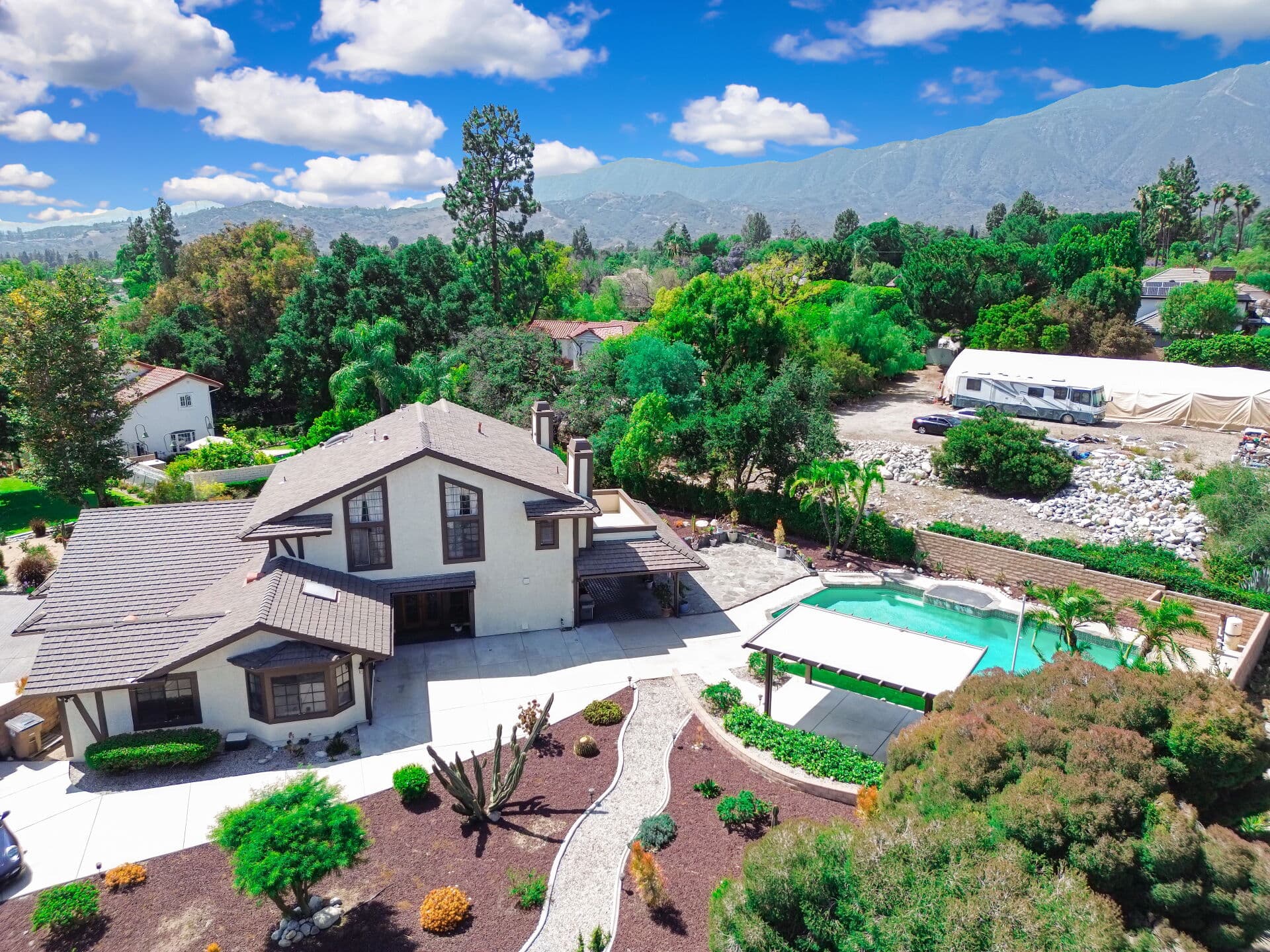
Before the listing goes live there is real work: repairs on a large property, landscape brought to condition, the document file assembled, and photography that suits the house rather than a template.
Photographing a big house takes multiple sessions, because the rooms are good at different hours and the exterior wants a specific light. Add a twilight session where a view is central to the property. None of this is optional at this level and none of it can be done in an afternoon.
Then there is the material that shortens the escrow later: permits, system ages, tree work, and anything documenting a durable feature. Sellers who skip this stage pay for it during the inspection period instead, which is discussed in the inspection guide.
Showings work differently
Fewer showings, longer showings, more of them by appointment with qualification handled first. A serious buyer for a large property will want a second and third visit, at different times of day, sometimes with a contractor or an architect.
Open houses have a limited role here and some sellers decline them entirely for reasons of privacy, discussed in the discretion guide. That is a legitimate choice and it does reduce foot traffic, which is usually the point.
Escrow is longer too
Specialist inspections book out. Appraisals on unusual properties take longer to schedule and longer to complete, for the reasons set out in the comparables guide. Insurance placement on a foothill address can take weeks rather than days. Financing on a large loan involves more documentation and more review.
Any one of those can be absorbed. All of them together mean a thirty-day escrow written on a complicated property is a schedule nobody will meet, and everyone knows it by week two.
The pricing consequence of a thin market
With few comparable sales, the market corrects an ambitious price slowly. An overpriced ordinary house is told within two weeks; an overpriced distinctive house can sit for months before the silence becomes an argument.
This is the trap. Because feedback is slow, sellers can spend a long season learning something the first month could have told them if the price had been set against evidence rather than hope. And a listing that has been available a long time invites a different conversation from buyers, regardless of why.
The practical answer is to price against what can actually be supported at the start, and to decide in advance what you will do at defined intervals if the response is quiet. A plan made before the listing is calmer than one made in month four.
What a realistic arc looks like
Preparation measured in weeks, not days. A marketing period measured in months rather than weeks. An escrow longer than a routine one, with the inspection period negotiated to fit the property rather than the calendar.
None of that is bad news. It simply means the seller who needs to be out by a fixed date should start considerably earlier than they think, and the seller who can be patient holds a real advantage.
What a buyer should take from this
The same structure that slows a sale gives a prepared buyer room. Fewer competitors, more time to investigate properly, and a seller who values a clean, well-organised offer with a realistic timeline over a fast one that will not hold.
Being ready, in funds and in documentation, is worth more at this level than moving quickly.
What actually shortens the arc
Very little of it is marketing spend. Three things move the timeline more than anything else.
A SUPPORTABLE PRICE AT LAUNCH. The first weeks are when the largest number of the right people look, and a listing that meets them at a defensible figure uses that attention instead of wasting it.
A PROPERTY THAT IS GENUINELY READY. Not staged, ready: repairs done, landscape in condition, documents assembled. A buyer who tours a finished property is deciding whether to buy. One who tours an unfinished property is estimating what it would take, which is a slower and less generous frame of mind.
A REALISTIC ESCROW PLAN. Agreed in advance with the inspection period and closing date fitted to the property rather than to habit. Extensions are where terms get reopened, and the way to avoid extensions is to not need them.
Living with a long listing
The hardest part is usually psychological rather than practical. A house maintained in showing condition for months is a strain on a household, and the temptation after a quiet stretch is to make a large decision on a bad day.
The defense is to set the review points at the start: dates on the calendar, with a defined response at each. Then quiet weeks are simply weeks, rather than evidence.
Where to go next
For how offers are evaluated at the top of the market, see the offer vetting guide. Anthony Grynchal has been licensed in California since November 2009.
Frequently asked questions
Why does a distinctive home take longer to sell?
It is sold to a smaller set of buyers who want that particular thing, and that set is not always in the market at the same moment. Preparation, showings, and escrow are all longer as well, so the whole arc extends for structural reasons.
Does time on market hurt an upper-end listing?
A long availability period does change the conversation buyers open with, which is why setting a supportable price at the start matters more here than in a fast-moving segment. Thin comparable data means the market corrects an ambitious price slowly.
How long should an upper-end escrow be?
Longer than a routine one. Specialist inspections, an appraisal on an unusual property, insurance placement on a foothill address, and a larger loan all take time, and a compressed schedule tends to fail in the second week.

Written by
Anthony Grynchal
Anthony Grynchal is a California real estate professional with eXp Realty, licensed since November 2009 (California DRE# 01873626), and the Designated Local Expert™ for Claremont — where he has lived for more than 33 years.
More about AnthonyPublished · Updated