Separate from the home loan benefit, the VA administers grant programs intended to help veterans with certain service-connected disabilities buy, build, or modify a home so that it works for them. They are commonly referred to by their initials, SAH and SHA.
They are not loans, they are not part of the mortgage, and they run on their own application and approval process. This article explains how they fit alongside a Claremont purchase. Every eligibility question, amount, and current rule belongs to the VA.
What the programs are for
The purpose is adaptation. The grants exist so that a home can be made suitable for a veteran whose disability creates specific requirements for how a house has to work: getting through doorways, using a bathroom independently, entering the home without stairs, operating in a kitchen from a seated position.
The two programs address different circumstances and have different eligibility criteria. Which one applies, if either does, is determined by the VA from your record. Do not rely on a summary, including this one, to tell you where you fall.
The sequencing problem, which is the real content here
THE MOST COMMON MISTAKE IS ORDER OF OPERATIONS. Buyers find a house, get into escrow, and then start the grant conversation. The grant process is its own timeline with its own approvals, and it does not accelerate to match a thirty-day escrow.
Start with the VA first. Understand whether you qualify, what the program covers, and what its process actually looks like from application to funds. Only then decide what kind of house to look for, because the answer changes the search.
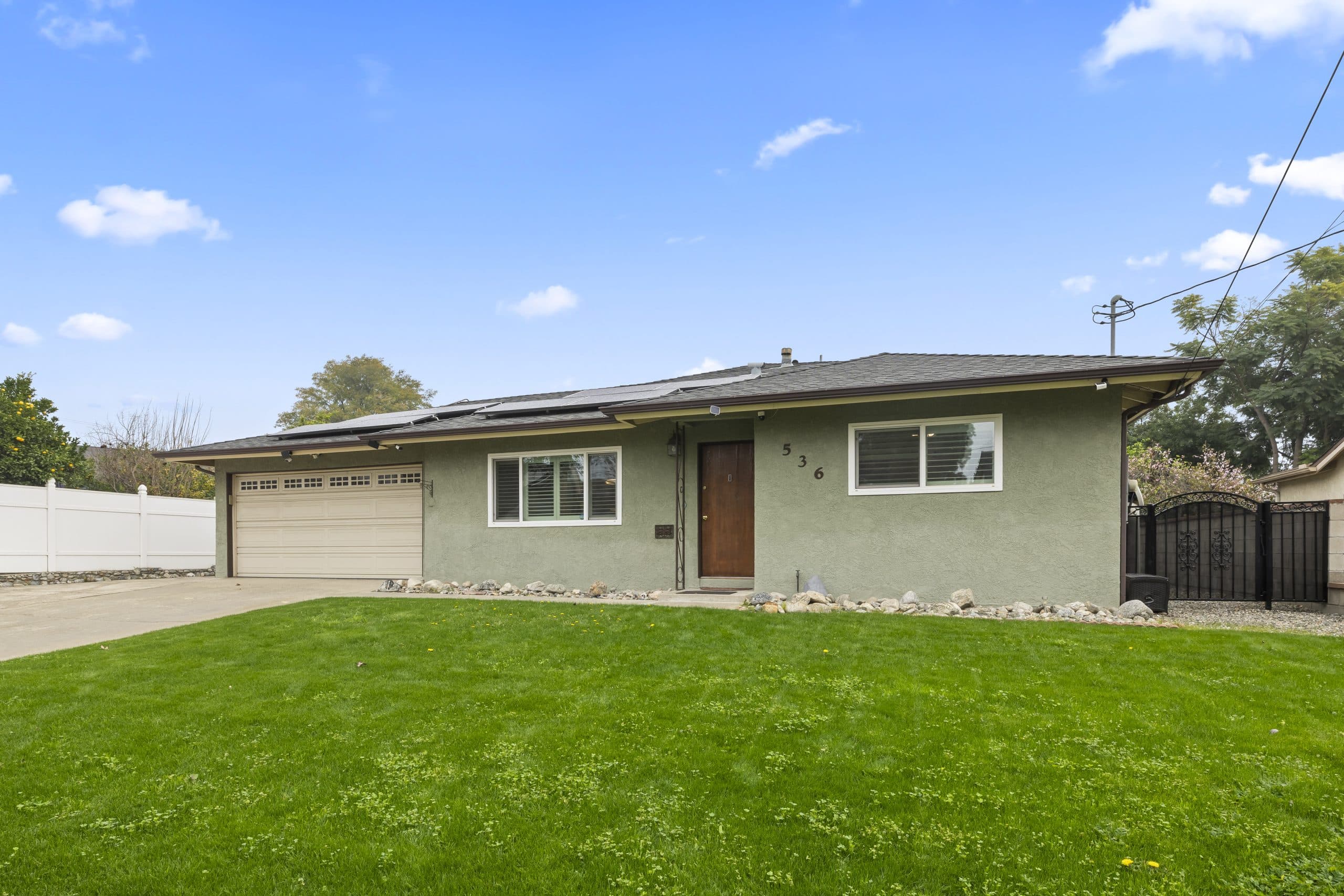
That is not a small change. A veteran who knows adaptation is part of the plan should be looking at single-story homes, wider layouts, and lots where an accessible entry is achievable without rebuilding the front of the house. A veteran who discovers this in week two of escrow on a two-story house with a steep approach has a problem that money does not solve quickly.
What to look for in Claremont's housing stock
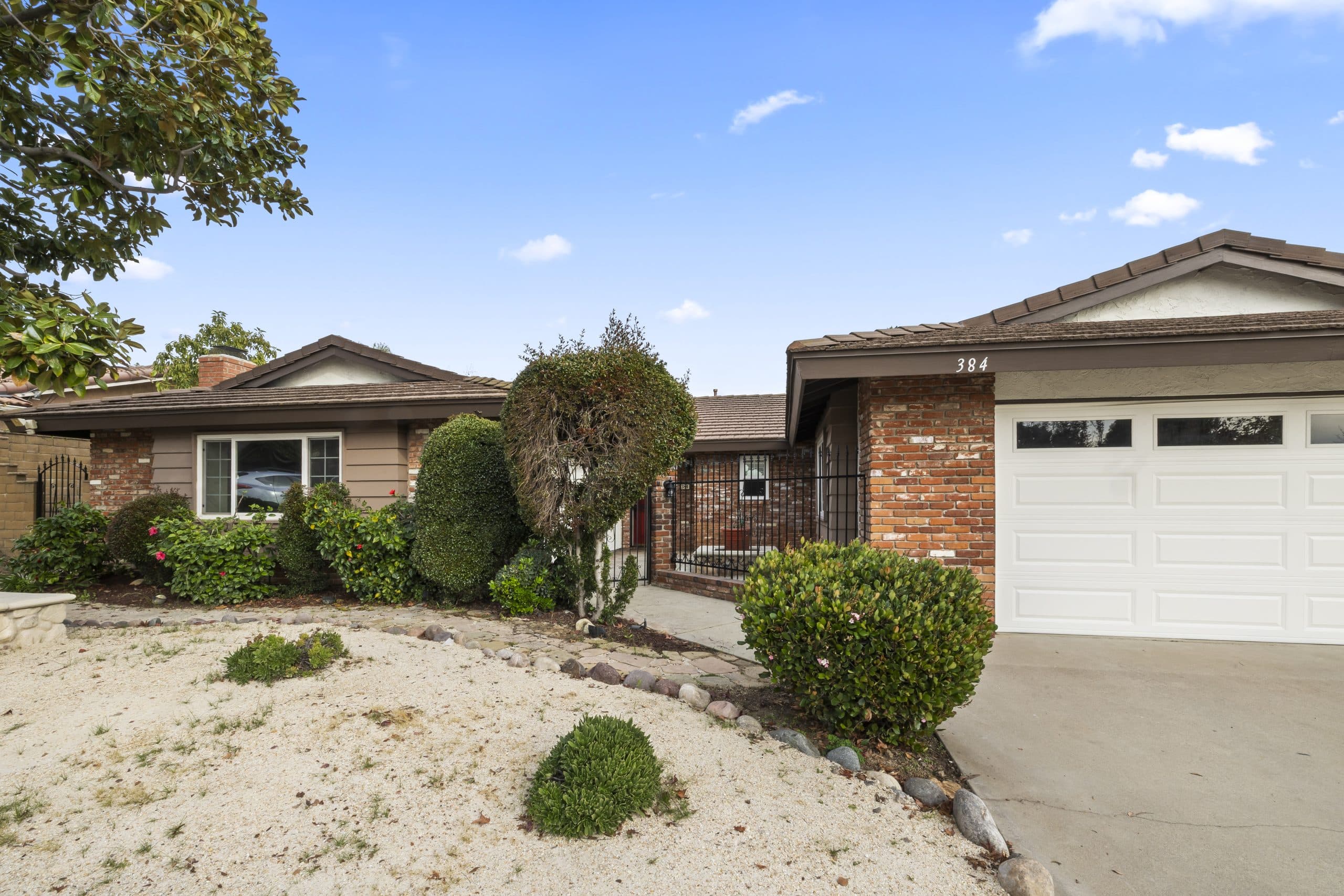
The local stock has genuine variety, and that works in your favor here. There are single-story ranch homes on flat lots that adapt readily. There are also older houses with narrow hallways, small original bathrooms, tight door openings, and multiple interior level changes, which adapt only with substantial work.
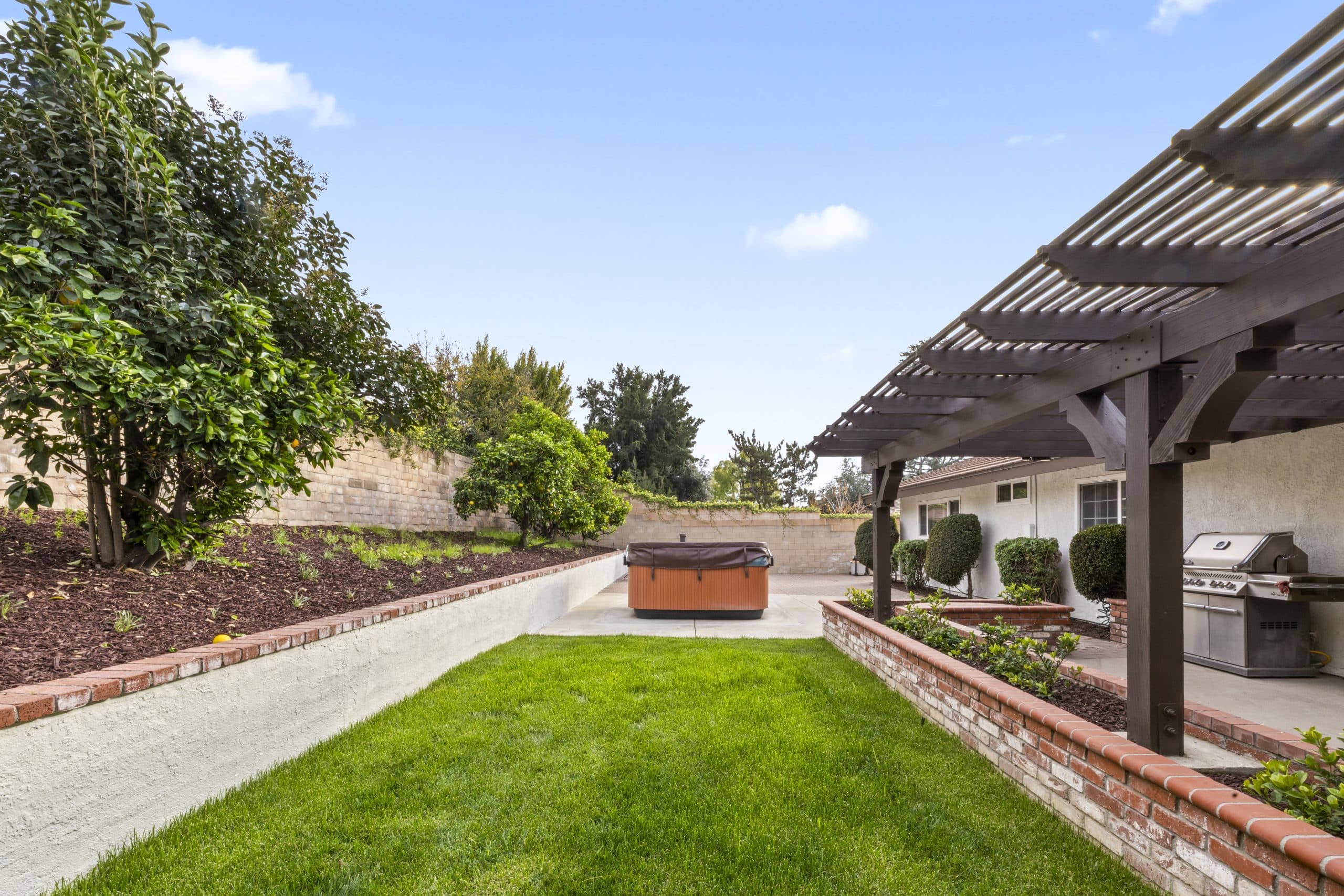
Practical things to look at on a tour, before anyone talks about a grant: whether there is a route into the house without steps or with a manageable grade change, whether the primary bedroom and a full bathroom are on the same level, how wide the hallways and door openings actually are, and whether the bathroom has any usable space to work with rather than being a closet with fixtures in it.
Lot topography matters too. Some Claremont streets sit on a grade, and an accessible entry on a sloped lot is a different project from an accessible entry on a flat one.
How it interacts with the loan
The grant is administered separately from the mortgage. Your lender is not the decision-maker on it and generally does not control its timing. That means two processes running in parallel, and it means somebody has to keep them coordinated.
Tell your lender the grant is part of your plan at the first conversation. Tell your agent as well, because it affects which listings are worth your time and how an offer should be structured. And keep the VA's own guidance as the authority on what the grant covers, since the answer determines what you are actually funding yourself.
If the property will also need work to meet the loan's own condition standards, that is a separate matter with its own rules, covered in the VA appraisal and property review process.
Contractors and permits
Adaptation work is construction. In Claremont that means permits, and on an older house it can mean discovering conditions that were not visible. Structural changes to widen an opening, a bathroom reconfiguration, or a ramp with a real grade requirement are all permitted work.
Build the timeline honestly and use contractors who have done accessibility work rather than general remodelers learning on your house. Ask for references from projects with the same requirements as yours.
Where to start
Contact the VA directly about eligibility and the application. A local VA regional office can direct you to the right specialist rather than leaving you to interpret a website. Do that before you start touring houses, so the search reflects what your plan actually requires.
Then build the team around the plan: an agent who understands you are screening for layout and access rather than finishes, and a lender who knows a parallel process is running.
Think past the first year
Adaptation work should be planned for how the home has to function over a long period, not only for the immediate requirement. Circumstances change, and modifications that were designed narrowly can need redoing.
Practical version: where a wall is coming out or a bathroom is being reconfigured anyway, ask the contractor what it would cost to make the change more generous than the minimum. Blocking in a wall for future grab bars, a wider door than strictly needed, or a level entry that works with a wheelchair as well as a walker are cheap decisions during construction and expensive ones afterward.
The same logic applies to which house you buy. A layout with room to adapt further is worth more to you than one that has exactly enough space for today.
For the wider picture, start at the Claremont military and VA buyer hub, and for the loan sequence itself, read the full path of a Claremont VA purchase.
Anthony Grynchal has been licensed in California since November 2009.
Frequently asked questions
What are the VA adapted housing grants?
They are grant programs, separate from the home loan benefit, intended to help veterans with certain service-connected disabilities buy, build, or modify a home so it accommodates their requirements. Eligibility is determined by the VA.
When should I start the grant process?
Before you start touring houses. The grant runs on its own timeline and does not accelerate to match an escrow, and knowing what it covers changes which homes are worth looking at.
What should I look for in a Claremont home if adaptation is part of the plan?
Single-level layouts, a bedroom and full bathroom on the same level, genuinely wide hallways and door openings, usable bathroom floor area, and a lot where an accessible entry does not require rebuilding the approach.
Does my mortgage lender handle the grant?
No. It is administered separately by the VA, and your lender generally does not control its timing. Tell both your lender and your agent early so the two processes stay coordinated.

Written by
Anthony Grynchal
Anthony Grynchal is a California real estate professional with eXp Realty, licensed since November 2009 (California DRE# 01873626), and the Designated Local Expert™ for Claremont — where he has lived for more than 33 years.
More about AnthonyPublished · Updated