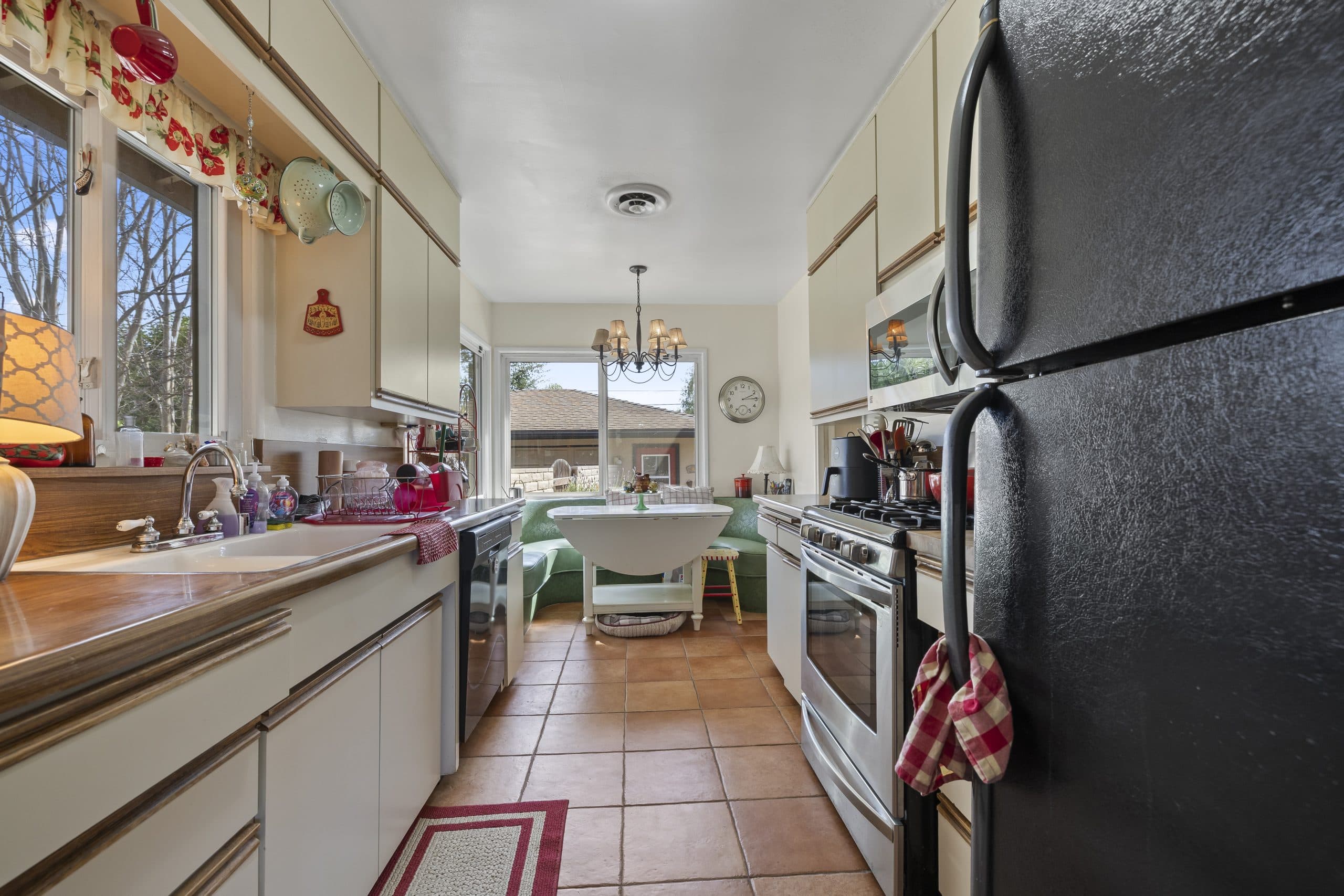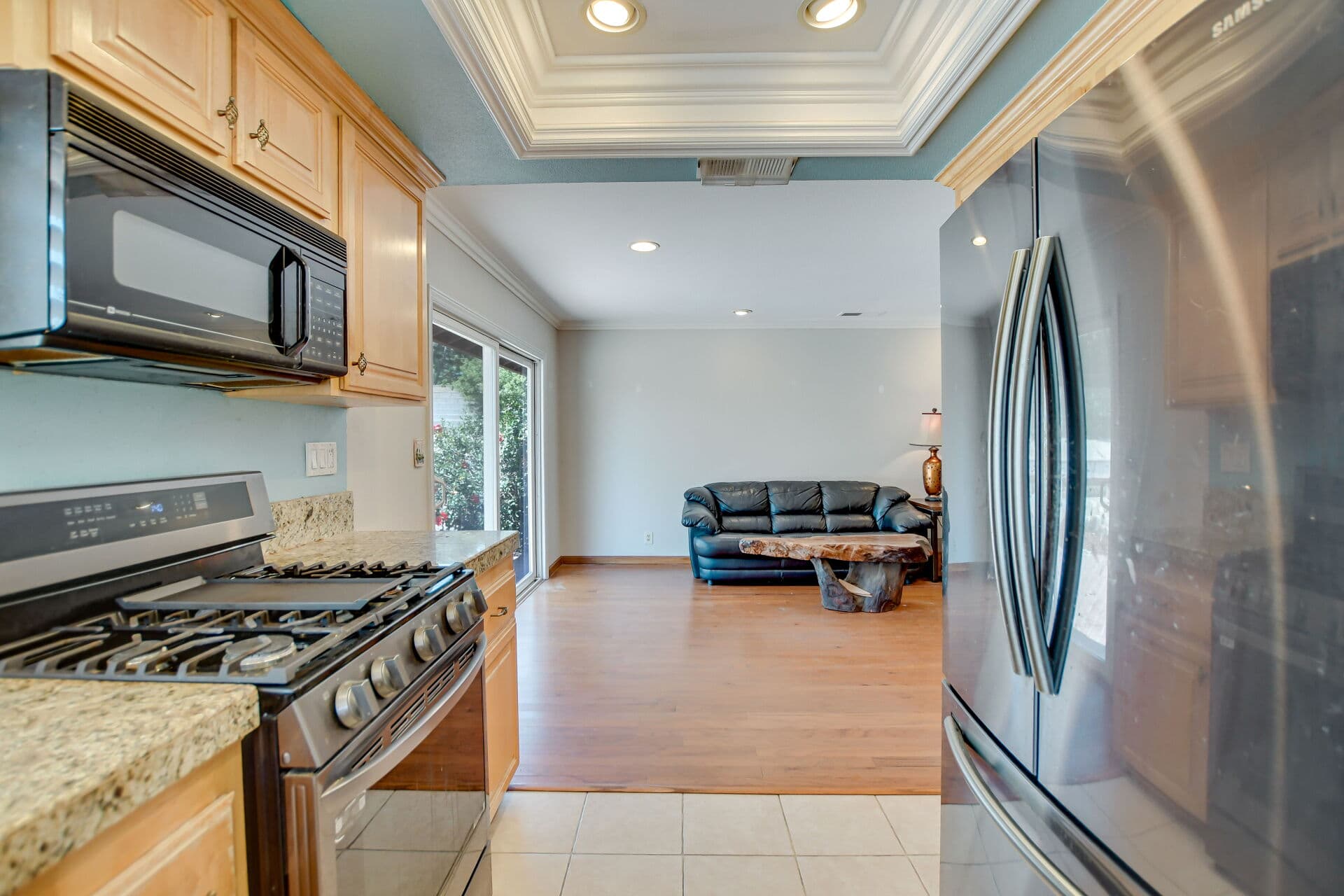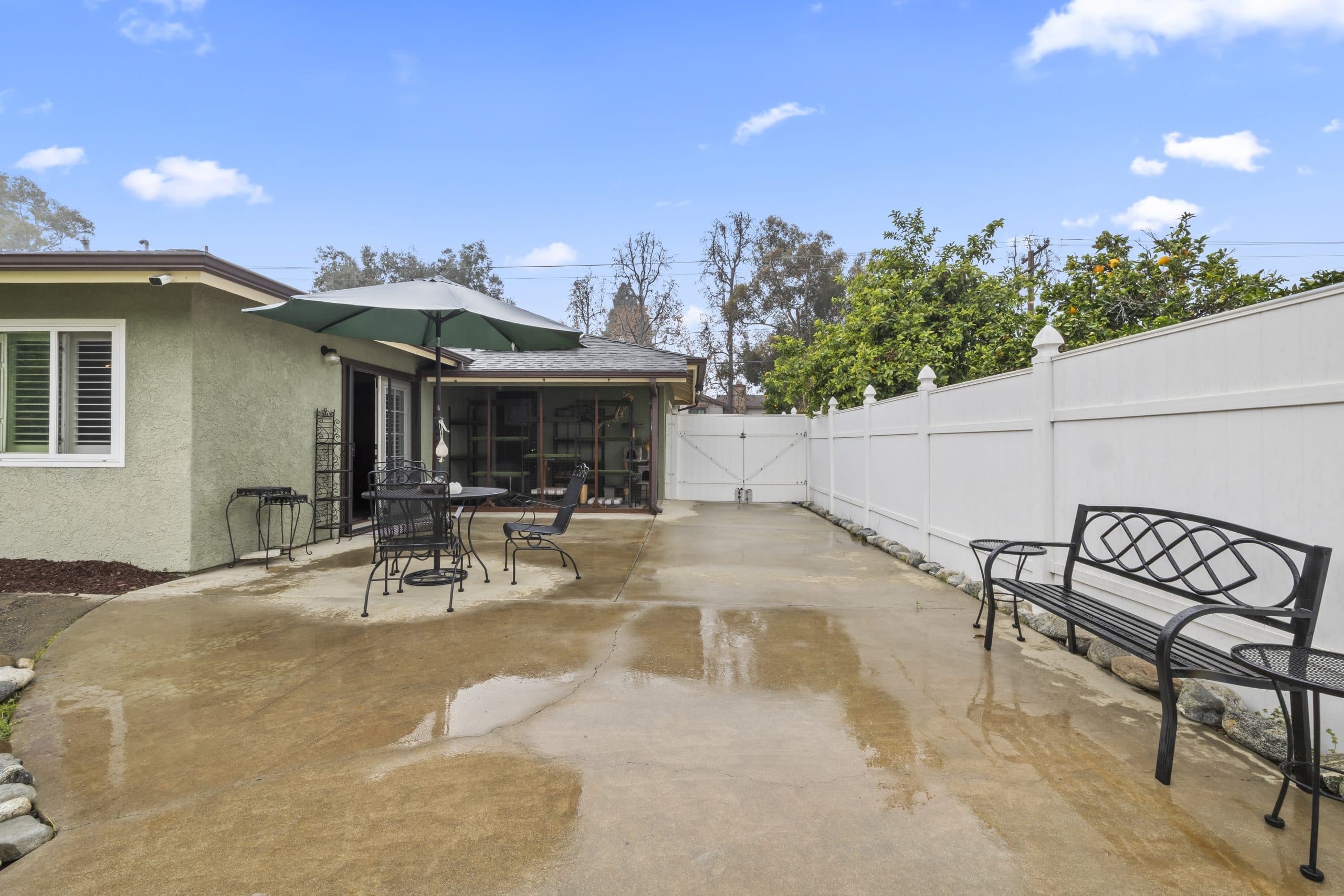
A growing share of Claremont listings mention a second living space. A converted garage. A permitted accessory dwelling unit in the back. A studio over a workshop. A large lot with something on it that has a kitchen and its own door.
VA buyers ask the same question about all of them, and it is the right question: does the loan still work here?
The honest answer is that it depends on what the structure actually is, how it is permitted, how the appraiser treats it, and what your lender will approve. Those are four separate things, and buyers get into trouble by assuming a yes to one of them is a yes to all four.
The first question is not a VA question
Before anyone talks about the loan, find out what the second space legally is. A permitted accessory dwelling unit and an unpermitted conversion look similar from the driveway and are entirely different in a transaction.
Permit history is a city record. Claremont's building and planning staff hold that record, and it is the source, not the listing remarks. A listing that says permitted is repeating what someone told the agent. Verify it directly with the city rather than at the closing table.
THE PERMIT QUESTION COMES FIRST. Everything downstream, the appraisal, the underwriting, the insurance, the resale, moves depending on the answer.
How the second unit interacts with a VA file
Two things happen in parallel on a VA purchase, and both of them look at the property.
One is the appraisal, which is where a VA-assigned appraiser forms a value opinion and also observes the property against the program's condition standards. What those standards cover in practice is laid out in what VA checks on a Claremont property. A second living space with a kitchen, a bathroom, and its own systems is more property to observe, and unpermitted work in it is more likely to be noticed than it is on a plain three-bedroom.
The other is underwriting, which is your lender deciding what it will actually write. Whether a property with an additional unit fits a particular VA product, how the unit is classified, and whether any income from it can be considered at all are lender and program questions with real answers. Get them from a VA-approved lender before you write, not after.
Do not count rent you have not confirmed
This is where buyers most often plan wrong. A listing implies the back unit brings in money. A buyer mentally applies that money to the payment and stretches the offer accordingly.
Whether any rental income from an additional unit can be used in qualifying, and on what evidence, is a lender question governed by program rules. It is not automatic, it is not universal, and it is not something to assume from a conversation with a seller. Ask your lender directly, early, and in writing.
Plan the purchase on income you have confirmed you can use. If the answer turns out to be more favorable than that, good. A purchase built the other way around has no room in it when the answer comes back narrower.
Occupancy still applies
A VA purchase is built around a home the borrower lives in. A property with a second unit does not change that. It changes what else is on the lot.
What that means for a specific plan, living in the main house and renting the back unit, living in the back unit, family in one and the buyer in the other, is a question for your lender and the VA rather than for an assumption. The related paperwork is covered in occupancy certification on a VA purchase.
What to check before you write an offer
Ask the listing agent for the permit history in writing, then verify it with the city yourself. The two answers are not always the same.
Look at how the unit is built, not how it is described. Its own electrical panel or subpanel, its own water heater, plumbing that was done properly rather than run from a hose bib, a real path for the appraiser to see it. Older Claremont properties carry decades of work by different hands, and the quality of that work varies widely across one street.
Ask your insurance agent early. A second unit changes the conversation, and it is cheaper to have that conversation before you are in contract.
Ask your lender the three specific questions: will you write this property, how will the second unit be treated, and can any income from it be considered. Write down the answers.
When it is worth the extra work
Plenty of these purchases are excellent. Multigenerational households in Claremont are common, and a home that can house a parent, an adult child, or a caregiver with real separation solves a problem money alone does not.
What buyers should not do is treat the second unit as free upside on top of a house they already wanted. It is a feature with permits, condition, insurance, and financing attached, and each of those needs a real answer before the offer goes out.
If the answers come back clean, write with confidence. If the permit history is murky and the seller cannot resolve it, that is information, and there are other houses.
Getting the offer right
A VA offer on an unusual property needs the listing side to understand it, otherwise the complexity of the house gets blamed on the loan. That problem, and its fix, is covered in why some listings fear VA offers.
Every eligibility, entitlement, and property-approval question in this article belongs to the VA and to a VA-approved lender who has seen your file. Nobody can promise you an approval on a property before it has been reviewed.
For the rest of the picture, start at the Claremont military and VA buyer hub.
Anthony Grynchal has been licensed in California since November 2009.
Frequently asked questions
Can a VA loan be used on a Claremont home with an ADU?
It can depend on what the second unit legally is, how the appraiser treats it, and what your lender will approve. A permitted accessory dwelling unit and an unpermitted conversion are very different in a transaction. Confirm permit status with the city and financing with a VA-approved lender before writing.
Can I use the rental income from the back unit to qualify?
Whether any income from an additional unit can be considered, and on what evidence, is a lender and program question. It is not automatic. Ask your lender directly before you build an offer around it.
How do I confirm a unit is permitted?
Permit history is a city record. Ask Claremont's building and planning staff directly rather than relying on listing remarks, which repeat what someone told the agent.
Does the occupancy requirement change on a two-unit property?
The VA benefit is still built around a home the borrower lives in. How a specific living arrangement is documented is a question for the VA and your lender, not something to assume from the property type.

Written by
Anthony Grynchal
Anthony Grynchal is a California real estate professional with eXp Realty, licensed since November 2009 (California DRE# 01873626), and the Designated Local Expert™ for Claremont — where he has lived for more than 33 years.
More about AnthonyPublished · Updated