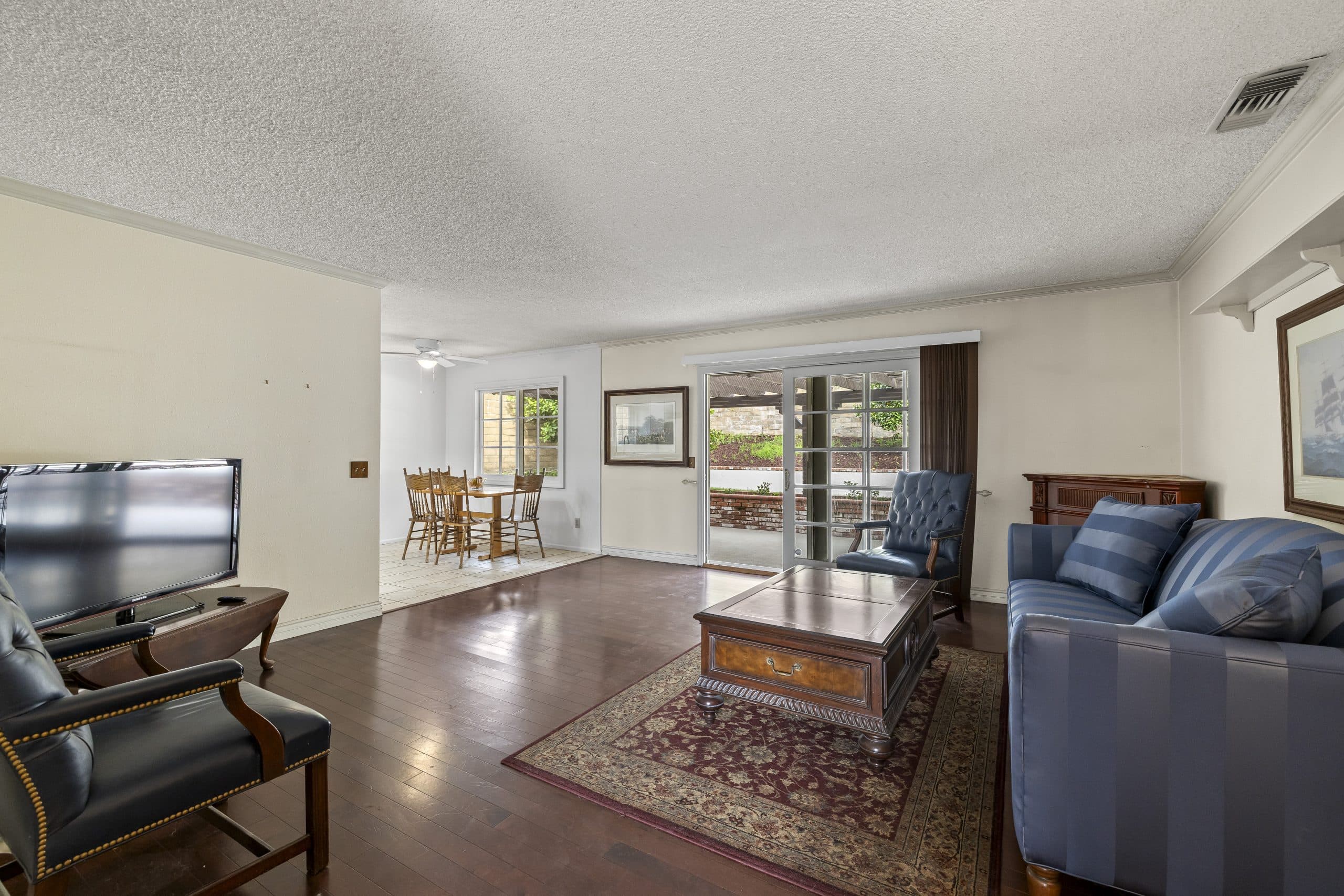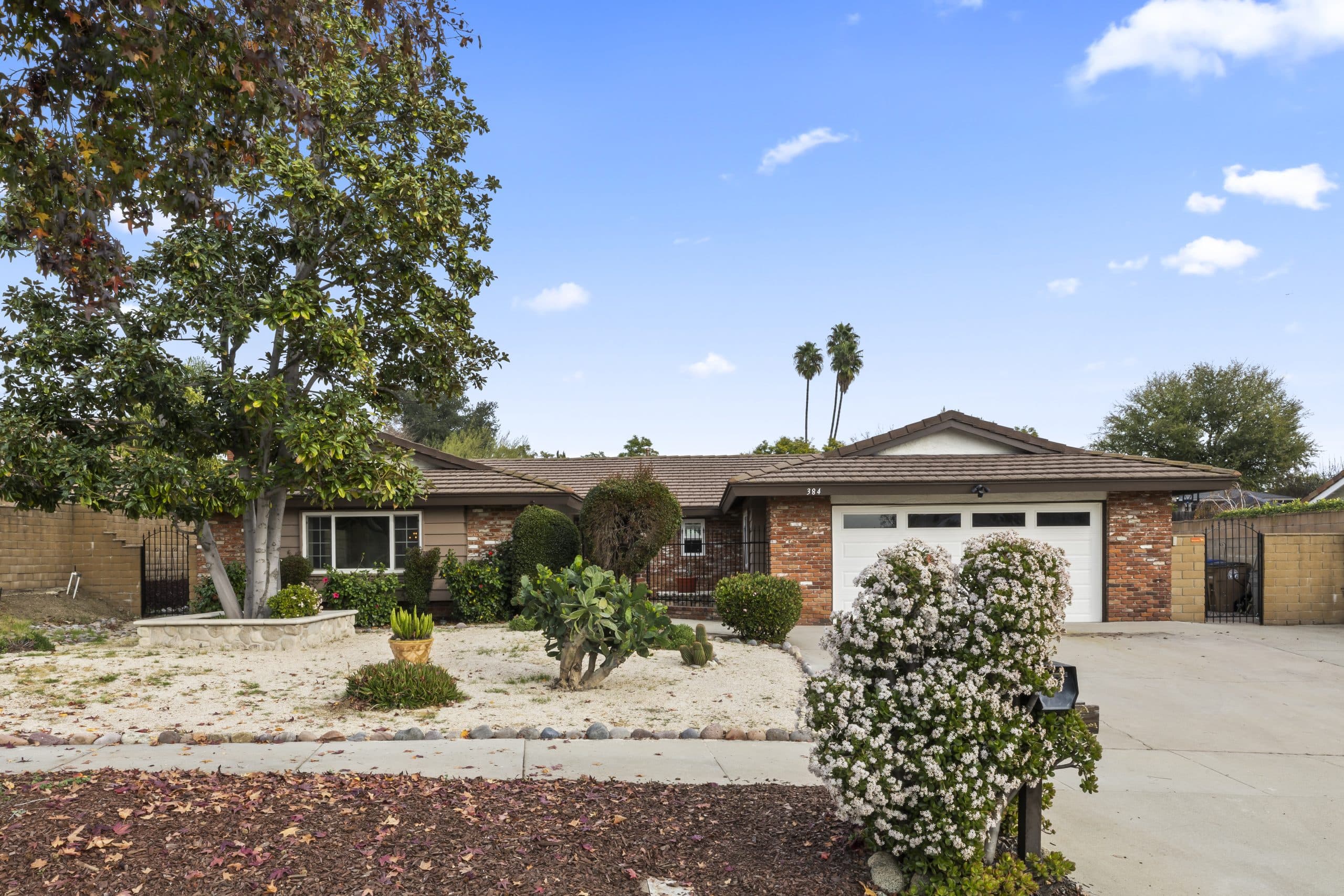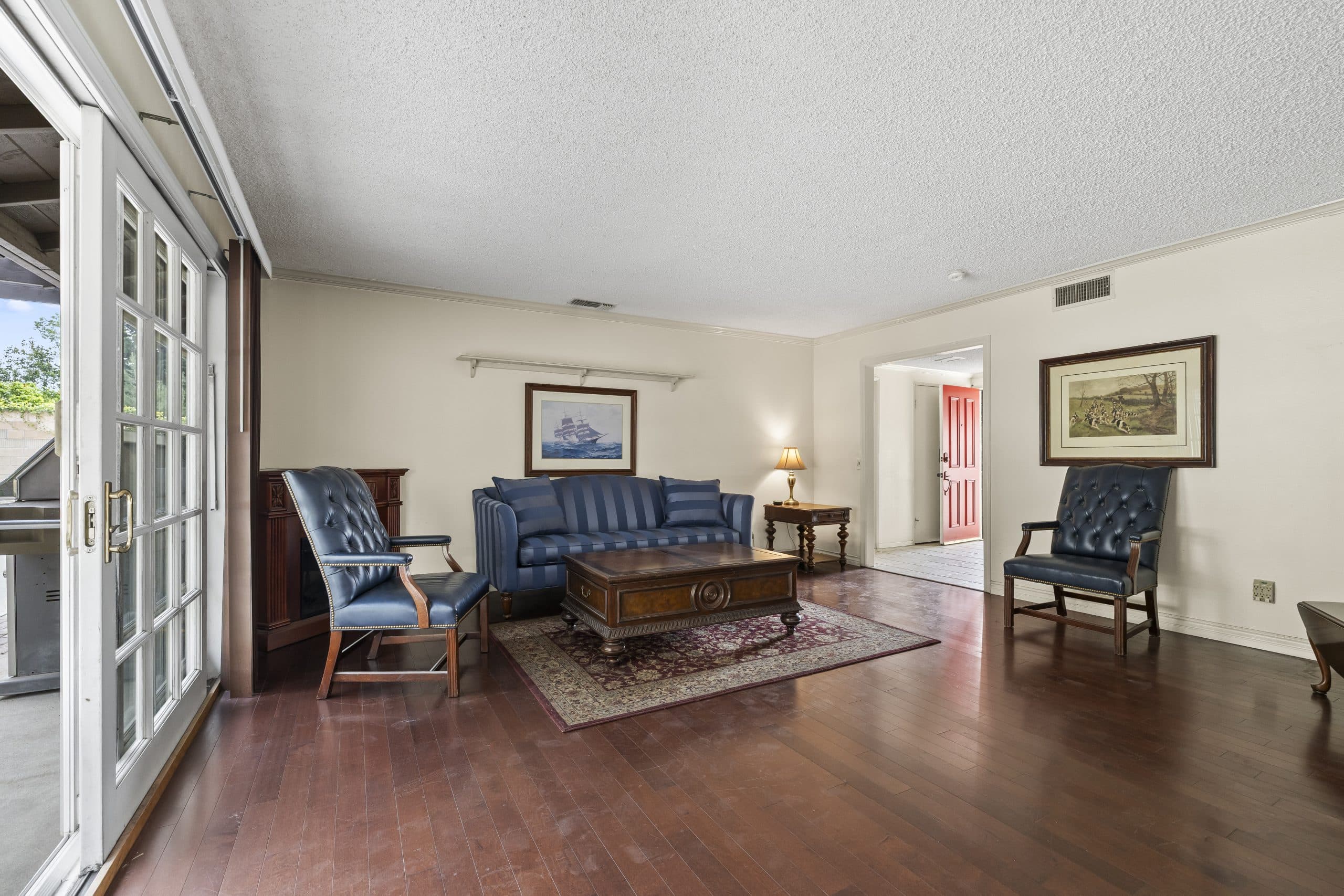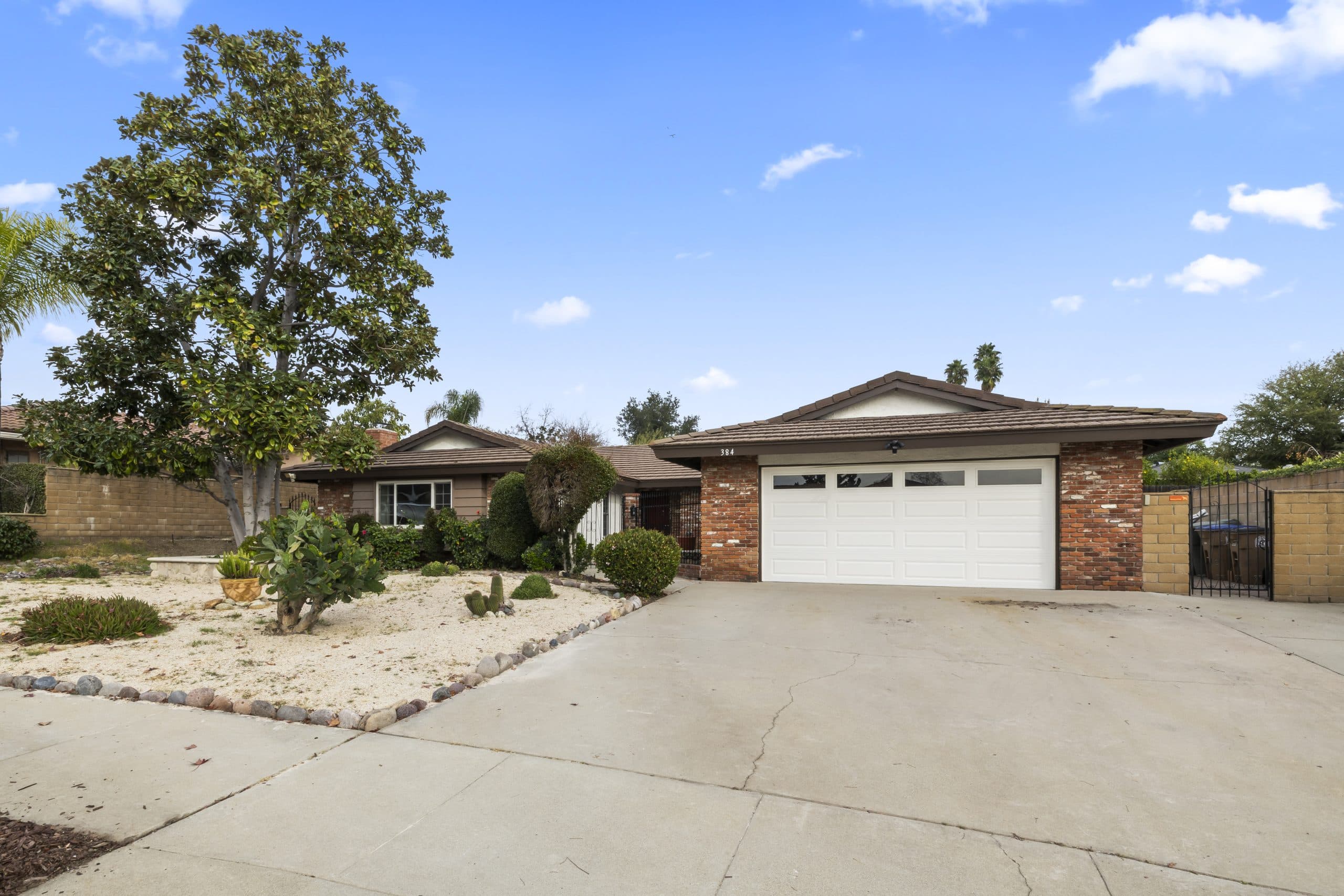
Claremont has houses that need work. Some of them are on good streets, held a long time, and priced accordingly. A veteran buyer looking at one of those has a specific question: can the VA benefit be used on a house that is not in move-in condition, and if so, how.
The short answer is that there is a renovation path within the program, that it is narrower and slower than buyers expect, and that it is not always the right tool even when it is available. Here is how to think about it.
The tension you are working against
The program requires the property securing the loan to meet condition standards for safety, soundness, and sanitation. A fixer, by definition, may not. That is the tension, and every renovation route is a mechanism for resolving it.
So the first question on any fixer is not what you would like to do to the house. It is which of the existing problems are condition items that have to be resolved for the loan at all, and which are improvements you simply want. Those are different categories with different consequences. The condition side is covered in the program's appraisal and property review process.
The renovation route, in concept
The program contemplates financing that includes funds for improvements to the property being purchased. Conceptually it works by underwriting the loan against the property's condition after the planned work, with the work itself scoped, documented, and completed under a controlled process using approved contractors.
Everything about that sentence is administered by the VA and by the individual lender. What is eligible, what documentation is required, which contractors qualify, how funds are disbursed, and how completion is verified are questions with real answers, and the answers come from a VA-approved lender who actually offers the product. That last clause matters more than anything else here.
The practical obstacle nobody mentions first
NOT EVERY VA LENDER OFFERS RENOVATION FINANCING. This is the thing that ends most fixer plans, and it ends them late.
A buyer gets preapproved, finds a house needing work, and only then discovers that their lender does not write that product. Now they are trying to change lenders mid-search, or trying to make a plain purchase loan work on a property that will not pass the condition review.
If a fixer is genuinely part of your plan, ask the renovation question in your very first lender conversation. Ask whether they offer it, how many they have closed, and how long their process takes from acceptance to funding. A lender who does two a year is a different proposition from one who does not offer it at all, and both are different from one who runs them routinely.
Timeline, and what it does to your offer
Renovation financing takes longer than a standard purchase. There is scoping, contractor documentation, and a review process that has to happen before funding. That extra time is real and it has to appear honestly in the offer you write.
In a competitive situation that is a genuine disadvantage, and it is worth naming rather than hiding. If your timeline is longer, the rest of the offer has to be stronger, and the listing agent has to understand why the timeline is what it is. The approach is the same as in competing with a VA offer in Claremont: explain the process rather than letting it be guessed at.
The alternatives, which are often better
Option one is the seller handles the condition items. On a house that has been sitting, a seller who wants to close is sometimes willing to fix the specific items that block financing, especially when the alternative is relisting and meeting the same problem with the next buyer.
Option two is to buy a house that already meets the standards and do your improvements afterward with your own money, on your own schedule, with contractors you chose without a documentation process attached. This is what most buyers should probably do. It preserves the simplicity of a standard purchase loan and it keeps the renovation out of the transaction entirely.
Option three is to be honest that the house is beyond what your plan supports and to move on. That is not a failure. Some houses need a cash buyer or a builder, and competing for them with financing that does not fit is a way to lose money on inspections.
Budget discipline on an older house
Whatever route you take, the arithmetic on a Claremont fixer deserves respect. Older houses reveal themselves. Opening a wall in a house with decades of additions frequently turns up work that was not in the plan, and permit history on this stock is often incomplete.
Build a reserve beyond the scoped work. A buyer who has spent every available dollar the day escrow closes has no capacity to absorb the first surprise, and on this kind of house the first surprise is not a hypothetical.
How to sequence it
Confirm eligibility and get your Certificate of Eligibility handled. Have the renovation conversation with lenders before you shop, not after. Get clear on which lenders in your area actually run these. Then look at houses knowing what your financing can and cannot absorb, and write offers with a timeline you can perform.
For the wider picture, start at the Claremont military and VA buyer hub, and if you are still at the beginning, read the full path of a Claremont VA purchase.
Anthony Grynchal has been licensed in California since November 2009.
Frequently asked questions
Can a VA loan be used on a Claremont house that needs work?
Sometimes. The program contemplates financing that includes improvement funds, underwritten against the property's condition after the work. Whether it is available to you depends on the VA's current rules and on whether your lender actually offers the product.
Why do fixer plans usually fall apart?
Because many VA lenders do not offer renovation financing, and buyers discover that after they have found the house. Ask the question in your first lender conversation, and ask how many they have actually closed.
Is renovation financing slower than a standard purchase?
Yes. Scoping, contractor documentation, and review all take time. That timeline has to appear honestly in your offer, which is a real disadvantage in a competitive situation.
What is the simpler alternative?
Buy a home that already meets the condition standards and improve it afterward on your own schedule, or negotiate for the seller to resolve the specific items that block financing. Both keep the renovation out of the transaction.

Written by
Anthony Grynchal
Anthony Grynchal is a California real estate professional with eXp Realty, licensed since November 2009 (California DRE# 01873626), and the Designated Local Expert™ for Claremont — where he has lived for more than 33 years.
More about AnthonyPublished · Updated