Sellers are usually told that an agent will hold the home open on Sunday. That sentence hides everything that matters. Two open houses can happen in the same house on the same afternoon and be completely different events depending on what was decided in the days before and who is standing where once the door opens.
So here is the version with the decisions left in. It deepens the open house guide and picks up where the pre-showing setup leaves off.
The week before: decide whether it should happen at all
Not every Claremont home benefits from a public open. A tenanted property, a home with a security-sensitive occupant, a listing already under strong offer pressure, or a house whose value is in a garden that will be dark by two in the afternoon are all cases where private showings do more with less exposure. That conversation happens first, in writing, and the seller decides.
If the answer is yes, the calendar gets set against the neighbourhood rather than against a habit. A window that collides with a major local event will halve the traffic, and a window that follows one can inherit it.
Forty-eight hours out: the two sweeps that run together
There are two lists, and running them at the same time is the only way both actually get done. The presentation sweep clears surfaces, opens the light, sorts the entry sightline and gets the outdoor rooms usable. That is the staging checklist's territory.
The SECURITY sweep runs the same route with different eyes, and it is not optional. Medications leave the house or go into a locked space, including the ordinary cabinet nobody thinks of as a valuables drawer. Jewellery, watches, cash, spare keys and garage remotes go with the seller. Documents go with them too: mail on the counter, statements, passports, insurance paperwork, anything with a full name and an account number on it. Laptops, tablets and phones leave or are locked and logged out. Any FIREARM is secured properly, and secured means a safe, not a drawer and not a high shelf.
A closed door is not a locked door. At an open house a closed door is an invitation to a percentage of visitors, and one host cannot be in every room. Anything that must not be entered is locked, and the key is not in the house.
The camera decision, made out loud
Nearly every listed home now has a doorbell camera and many have interior cameras. This is where sellers most often create a problem for themselves without meaning to.
The rule is simple and it is not negotiable on a listing I run. Interior AUDIO recording is DISARMED for the event, because California is a two-party consent state for confidential communications and buyers talking candidly in a house they are considering reasonably expect that nobody is listening. Video that keeps running is DISCLOSED plainly: a notice at the entry and a line in the listing remarks, so no visitor is surprised.
There is a second reason beyond compliance, and sellers should hear it. Recorded buyer commentary is negotiating information, and reaching for it colours the whole transaction. The advantage is small and the exposure is not. If a seller is unwilling to disarm audio, that is a conversation to have before the event is scheduled, not after somebody complains.
The hour before
Signage goes out early enough to catch drive-by traffic and is placed legally, which in practice means knowing which corners and parkways are actually available rather than putting an arrow wherever it will stand up. Lights on, every one, including the ones that feel unnecessary at two in the afternoon. Doors to the outdoor rooms open if the weather allows, because the connection between inside and out is this town's signature and it does not photograph as well as it lives.
Then the host walks the route a visitor will walk, from the kerb inwards, and fixes what a visitor would see first. The entry sightline is the frame every later impression sits in, and it is the one thing nobody living in the house can see any more.
The door: registration, applied identically
Everyone who comes in is greeted the same way, by name and eye contact, and asked to sign in the same way. That consistency is the whole point. Registration exists for two honest reasons: a record of who was inside a seller's home, and a route for follow-up. It is applied to every visitor identically, without exception, and nothing about a visitor's background, appearance, family situation or any other protected characteristic has any bearing on how they are greeted, what they are asked, or how much of the house they see.
That is not a formality. Fair housing law is the floor here, and the practical version is easy to hold in your head: the property is presented the same way to everyone who walks in, the questions are the same questions, and the sheet records names and agent details rather than commentary about people. The sign-in sheet article covers what a visitor should and should not be asked for.
The sheet is kept with the host, not left face-up on a table where every arriving visitor can photograph the names and phone numbers of everyone before them. That failure is common and it is entirely avoidable.
Managing the room
A host is not a receptionist. The job is to see the entry and the main circulation at once, to know how many groups are in the house at any moment, and to be findable when someone has a question about the roof.
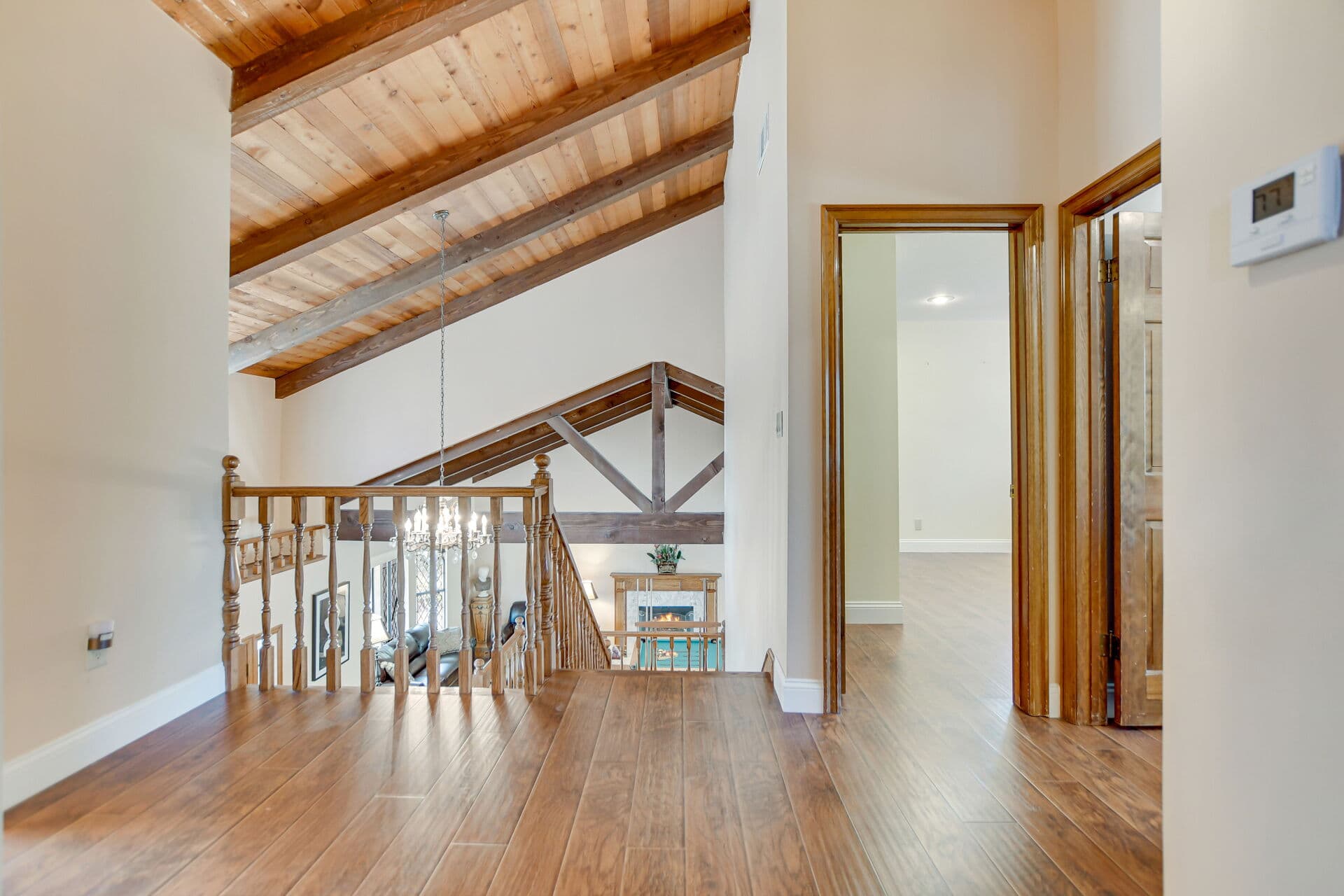
Large or multi-level homes get TWO people. This is not an upsell. One person cannot cover an upstairs, a back garden and a front door simultaneously, and everybody in the business knows it. If the house has a second exit, a detached structure, or a garden that goes out of sight, that is a second host by default.
Visitors are given the house rather than a sales pitch. Answer what is asked, offer what is relevant, and let people look. Manufactured urgency produces resistance in a browsing visitor; an unhurried, well-presented home produces the feeling you actually want.
Buyer letters, and why they do not get passed on
A buyer sometimes hands over a letter about themselves and their family, hoping it will move the seller. Those letters are a fair housing hazard: they routinely disclose characteristics that must not factor into a seller's decision, and once a seller has read one it becomes very hard to demonstrate that the decision was made on terms alone. The clean practice is to keep the decision on price, terms, financing and timing, which are the things a seller can lawfully compare. Offers are evaluated on their contents.
After the door closes
The house is closed down in reverse: windows and sliders secured, back gate latched, lights and heating returned to normal, and everything that was locked away stays locked away until the property is off the market, because there will be another showing.
The seller gets a written debrief rather than a phone call and a shrug. Groups through the door, which agents came and who they represent, the questions that repeated, the objections that repeated, and any specific feedback worth acting on. Repeated objections are the useful part, and the feedback article covers how to read them without overreacting to a single opinion.
Follow-up goes out to the agents who attended within a day, while the house is still fresh in their minds. Everything the event produced is the seller's: the record, the feedback, the count.
Compensation for any of this is negotiable and set out in writing in advance. There is no standard rate, and any conversation that implies otherwise is one to walk away from.
None of this is complicated. It is just decided in advance rather than improvised at the door, which is the entire difference between a managed event and an open door. For the security half in depth, read the security guide.
Anthony Grynchal has been licensed in California since November 2009. This is general information, not legal advice; recording, privacy and fair housing questions belong with your own counsel.
Frequently asked questions
What should a seller lock away before an open house?
Medications, jewellery, watches, cash, spare keys and garage remotes, documents such as mail, statements, passports and insurance paperwork, and any devices, which should be locked and logged out. Firearms go into a proper safe. Remember that a closed door is not a locked door, and the key should not stay in the house.
Can a seller record buyers at their own open house?
Video that continues to run should be disclosed plainly, with a notice at the entry and a line in the listing remarks. Interior audio should be disarmed, because California is a two-party consent state for confidential communications and buyers talking candidly inside a home reasonably expect nobody is listening. Ask your own counsel about specifics.
Does a large home need two people hosting?
Yes. One host cannot watch an upstairs, a back garden and a front door at the same time, and a home with a second exit, a detached structure or a garden that goes out of sight needs a second person by default. It is a security requirement rather than an upsell.
Are buyer letters passed on to the seller?
No. Letters describing a buyer and their family routinely disclose characteristics that must not factor into a seller's decision, and once read they make it very hard to show the decision rested on terms alone. Offers are compared on price, terms, financing and timing.
What should a seller receive after an open house?
A written debrief: how many groups came through, which agents attended and who they represent, the questions and objections that repeated, and any specific feedback worth acting on. Repeated objections are the useful signal. The sign-in record belongs to the seller as well.

Written by
Anthony Grynchal
Anthony Grynchal is a California real estate professional with eXp Realty, licensed since November 2009 (California DRE# 01873626), and the Designated Local Expert™ for Claremont — where he has lived for more than 33 years.
More about AnthonyPublished · Updated