
An open house is a piece of theater performed for strangers walking through your actual life, and the sellers who get the most from one understand both halves of that sentence: it is THEATER — staged, lit, and scripted toward a feeling — and it is YOUR ACTUAL LIFE, which means security, privacy, and the family calendar are part of the production. This article is the seller's preparation sequence: the repairs-first foundation, the depersonalizing pass, the final 48 hours, and the security layer nobody should skip. It deepens the open house guide; whether an open house belongs in YOUR sale strategy at all is the honest-question guide's territory, and this article begins after that yes.
Repairs first, cosmetics second — because visitors hunt
The preparation instinct runs to flowers and cookies; the preparation VALUE runs to the list of small defects a room full of strangers will find in ninety minutes. Open-house visitors hunt — this cluster's own red-flags guide literally trains buyers to test what sellers neglect — so walk your home as that visitor first: the sticking door and the drippy faucet, the light switches that do nothing, the cracked switch plates, the window that will not open, the gate that drags. Fix the small honest stuff, because each unfixed annoyance is a silent invitation to wonder what else was neglected — the deferred-maintenance inference is the most expensive impression a visitor can leave with, and it is triggered by cheap things. On this housing stock, sweat the SENSORY layer the same way: older homes carry odors their owners stopped smelling years ago (ask your agent for the honest answer — it is their job to give it), and the moving-parts fleet — garage door, gates, sliders — should operate smoothly because visitors will operate them. What does NOT belong in open-house prep: the renovation. An open house rewards condition and presentation, not last-minute remodeling; the money conversation about what is worth doing before sale belongs upstream with your agent and the selling cluster's counsel.
The depersonalizing pass — and its limits
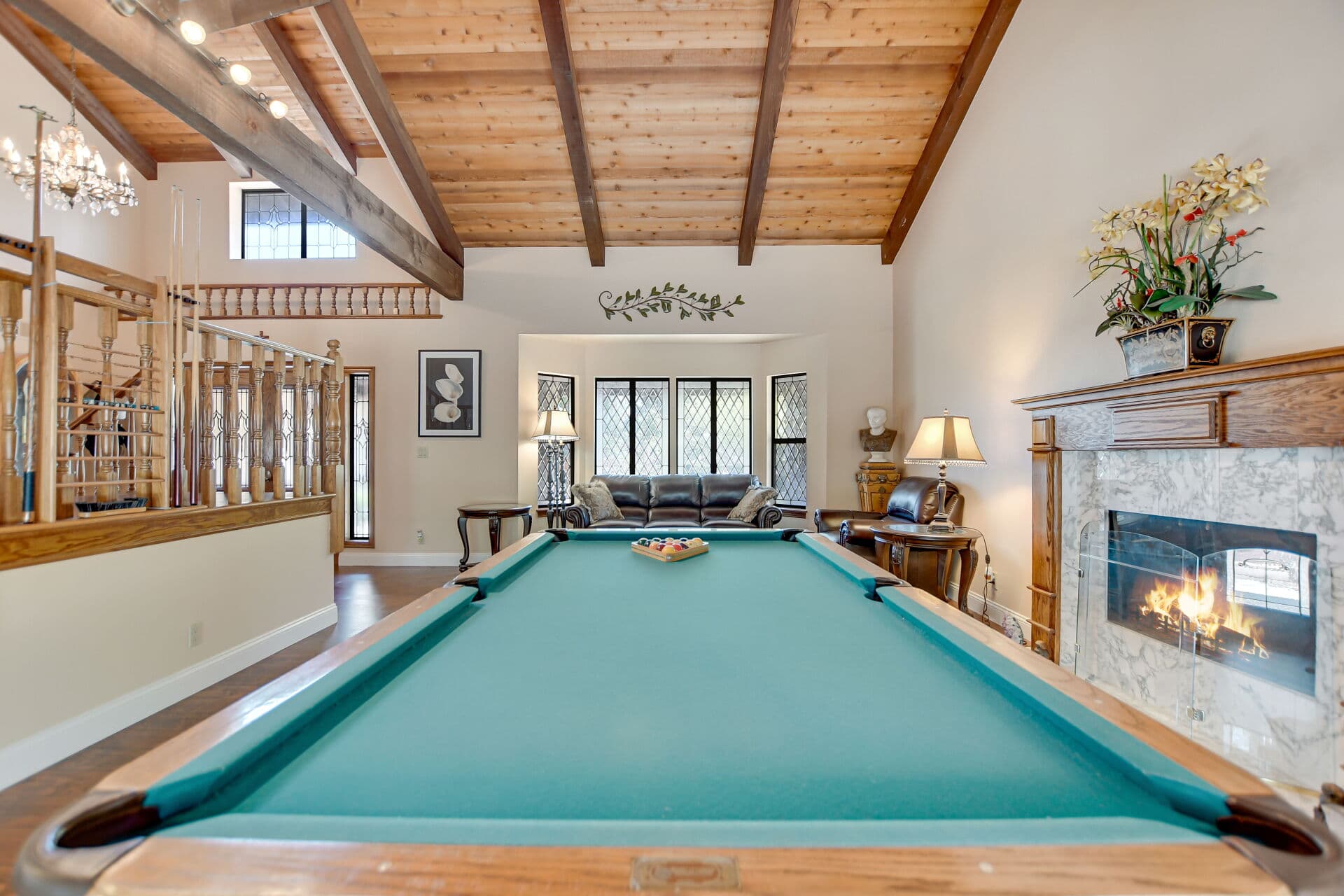
The staging goal is a home visitors can project THEMSELVES into, which is why the standard advice says depersonalize: family photos thinned, collections corralled, the refrigerator gallery retired, closets and garages half-emptied (storage reads as abundant only when it is not full), and surfaces cleared until rooms breathe. Do the DEEP CLEAN as a professional-grade event — it is the highest-return cosmetic dollar in the whole process — and let light in everywhere: blinds up, lamps on, the indoor-outdoor connection this town's homes live by staged open and inviting. But know the limits of neutralization: a home scrubbed of every trace of life can read as sterile, and Claremont buyers in particular respond to the authentic virtues of this stock — the built-ins, the mature garden, the way afternoon light lands in a breakfast nook. Stage toward the home's own character rather than toward a furniture catalog: the goal is 'someone loved this house and you could too,' not 'nobody lives here.' Your agent's staging judgment — full staging, partial, or a skilled edit of what you own — is a strategy call that varies by price point and vacancy, and it is exactly the kind of decision the listing consultation exists for.
The final 48 hours — and the security layer
THE COUNTDOWN: the last two days are logistics, not projects — final clean, landscape touch-up (mowed edges and swept hardscape read louder than new plantings), every light working, temperature set comfortably, pets relocated for the event (for their stress and your liability both), and the household's morning-of exit planned so the agent stages the final details in an empty house. Sellers themselves should NOT attend — visitors go quiet and polite around owners, and quiet-and-polite is the opposite of the candid browsing an open house exists to create. THE SECURITY LAYER is the part this article insists on, because an open house is, structurally, an invitation for strangers to walk your home: remove or lock away medications (bathroom cabinets get opened), jewelry, small electronics, spare keys, mail and any documents showing personal information — identity paper is a bigger real-world target than valuables — and firearms, which must be properly secured, full stop. Disable or bag anything you would not want handled, note that your agent's sign-in process exists for accountability as well as follow-up, and if the home has cameras, the disclosure etiquette both directions is worth a conversation with your agent (recording strangers raises its own questions; the smart-home cluster's privacy guide maps that terrain). After the event, the debrief is the payoff: traffic count, the questions visitors asked, the rooms where people lingered, and the feedback themes — an open house is also market research, and a seller who reads its results with their agent learns things the listing data cannot say. This is general information; your agent's strategy for your specific sale governs.
Anthony Grynchal has been licensed in California since November 2009 and preps every open house with the same two lists: one for the stagers, one for the lockbox drawer — because the sale depends on the first, and the client's peace of mind depends on the second.
Frequently asked questions
What should I fix before an open house?
The small honest stuff visitors will find: sticking doors, dripping faucets, dead switches, cracked plates, dragging gates, sliders that fight. Each unfixed annoyance invites the deferred-maintenance inference — the most expensive impression a visitor can leave with, and the cheapest to prevent. Save renovation questions for the upstream strategy conversation with your agent.
What should I remove from my house before an open house?
Two categories: the staging pass (thinned photos, corralled collections, half-emptied closets, cleared surfaces) and the security pass — medications, jewelry, small electronics, spare keys, mail and documents with personal information, and firearms properly secured, full stop. Strangers will open cabinets; plan for it rather than hoping otherwise.
Should sellers be home during their open house?
No — visitors go quiet and polite around owners, and candid browsing is the entire point of the event. Plan the household's morning-of exit (pets relocated too, for their stress and your liability), let the agent stage the final details in an empty house, and get the value afterward in the debrief: traffic, questions, lingering rooms, feedback themes.
Is deep cleaning really worth it before an open house?
It is the highest-return cosmetic dollar in the process — a professional-grade clean changes how every room reads, especially in older homes carrying odors their owners stopped smelling years ago. Ask your agent for the honest sensory answer; it is their job to give it.

Written by
Anthony Grynchal
Anthony Grynchal is a California real estate professional with eXp Realty, licensed since November 2009 (California DRE# 01873626), and the Designated Local Expert™ for Claremont — where he has lived for more than 33 years.
More about AnthonyPublished · Updated