
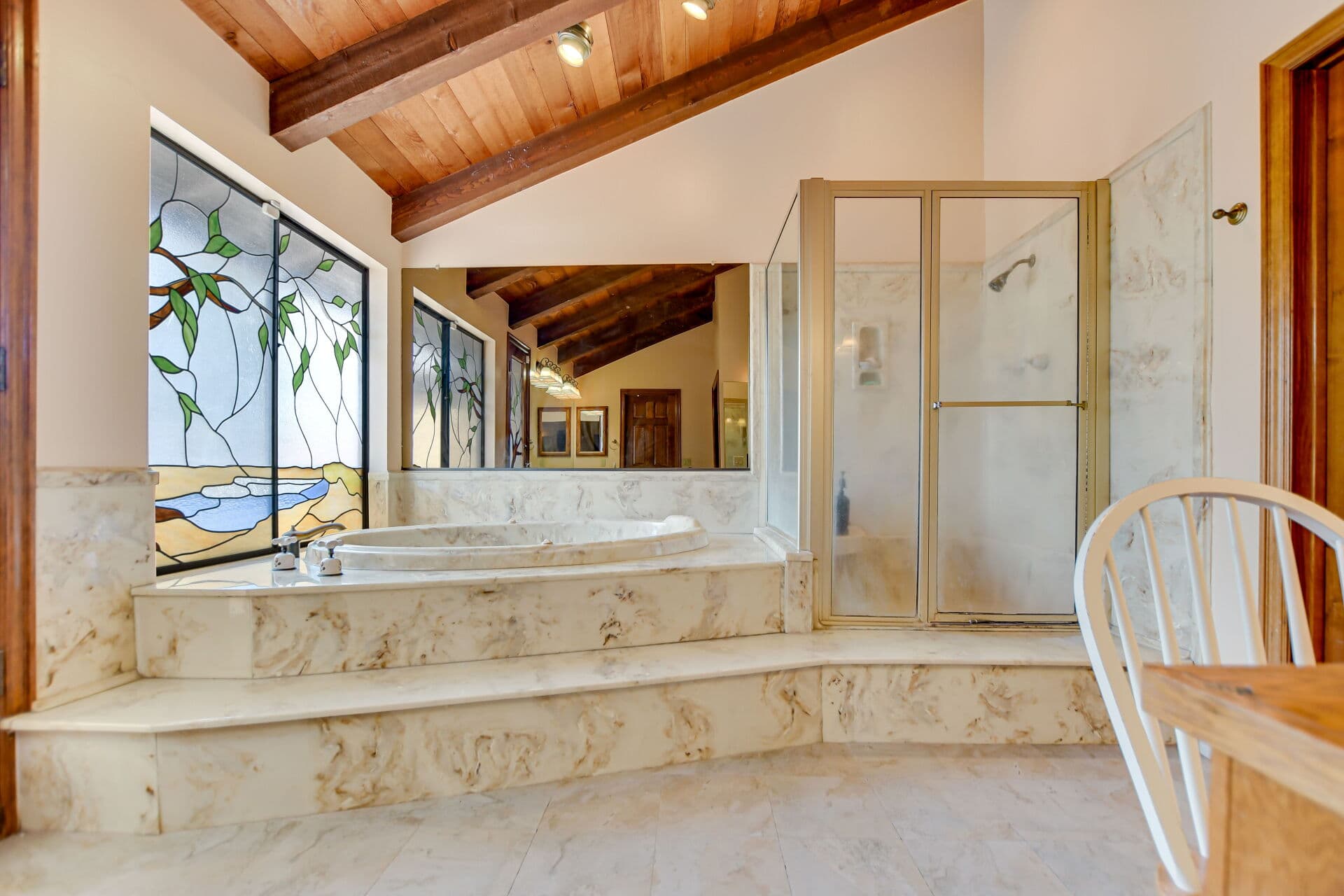
Ask anyone who has bought a home and they will describe a moment: the house they walked into and simply knew. That experience is real, it happens fast, and it is far less mysterious than it feels. A visitor's impression is assembled in the first half-minute from a small number of inputs — light, air, sound, sightlines, and whether the space makes immediate sense — and everything afterwards tends to be rationalisation of that first read. Understanding this is useful to both sides of a Claremont open house, and for opposite reasons: sellers can present a home so it is judged fairly, and buyers can notice when they are being moved by atmosphere rather than by the house. This article covers both. It deepens the open house guide; the seller's execution is the staging checklist's subject and the buyer's discipline is the touring guide's.
What actually forms the first impression
LIGHT does more than anything else. Bright, even, natural light reads as spacious, clean, and cheerful; dim rooms read as small and neglected regardless of their dimensions. This is why the staging advice about blinds and bulbs is not fussiness — it is the highest-leverage variable in the building. AIR AND SMELL bypass reasoning entirely. Odour is processed fast and emotionally, and it attaches to the whole house rather than to its source; fresh, neutral air is worth more than any decorative gesture. THE ENTRY SEQUENCE sets expectations that are hard to reverse: what a visitor sees in the first three seconds — a clear sightline into a bright room, or a cramped hall with shoes in it — becomes the frame everything else is judged in. SOUND is the one sellers most often forget: a quiet house feels calm and expensive, while traffic noise, a barking dog, or a rattling fan makes people uneasy without their identifying why. AND ORDER: cleared surfaces and obvious room purposes let a visitor imagine themselves in the space, which is the actual mechanism of a home sale. Cluttered rooms force people to look at your life instead of their own.
The Claremont-specific version
This town's homes have particular strengths, and presenting them is simply telling the truth well. THE CANOPY AND THE OUTDOOR ROOM: Claremont's tree cover and climate mean the connection between inside and out is the local signature — open the doors, set the patio, and let the garden be part of the view rather than something behind glass. PERIOD CHARACTER: original details are the thing buyers cannot get in newer construction, and homes that let them show — rather than burying them under generic updates — hold attention. The architecture guide is a good corrective to the instinct to neutralise everything. THE SHORT WALK: proximity to the Village, to a park, or to a school is felt rather than read, and a visitor who arrived on a pleasant tree-lined street has already had part of the pitch. AND THE HONEST CAVEAT for both sides: atmosphere is not condition. A house can feel wonderful and need a roof; a house can feel dated and be mechanically flawless. That gap is exactly why the touring guide's second, mechanical pass exists.
How each side should use this
SELLERS: your job is to remove the friction between a visitor and the house — light, air, quiet, clear paths, obvious purposes — and then get out of the way. Two specific restraints matter. Do not over-neutralise: a home stripped of every trace of life reads as sterile and forgettable, and the goal is 'someone loved this and you could too'. And do not manufacture urgency; pressure produces resistance in a browsing visitor, while an unhurried, well-presented house produces the feeling you actually want. BUYERS: notice the effect, then check it. Ask yourself what specifically is producing the good feeling — is it the light and the layout, which come with the house, or the furniture, the music, and the coffee, which do not? The discipline is simply to run the mechanical pass anyway, on the houses you love most of all, because enthusiasm is exactly when people skip the panel and the water heater. And apply the same scepticism in reverse: a poorly presented house with good bones is where value hides, and the buyer willing to look past bad staging is competing against fewer people. The composed summary for both: feelings are real data about how a home lives, and they are not data about what it costs to own. Collect both. This is general information; your own agent and a licensed inspector govern the decisions.
Anthony Grynchal has been licensed in California since November 2009 and has learned to trust the thirty-second reaction and verify it afterwards — the buyers who regret a purchase are almost never the ones who felt something, they are the ones who never checked.
Frequently asked questions
Why do some houses just feel right?
Because a visitor's impression forms in about thirty seconds from a few inputs — light, air and smell, sound, the entry sightline, and whether rooms make immediate sense — and most later reasoning rationalises that first read. Light does more work than anything else; odour bypasses reasoning entirely.
What matters most when presenting a home?
Removing friction between the visitor and the house: bright even light, fresh neutral air, quiet, clear paths, and obvious room purposes. Two restraints matter — do not over-neutralise into sterility, and do not manufacture urgency, which produces resistance in a browsing visitor rather than enthusiasm.
How do buyers avoid being swayed by staging?
Notice the effect, then interrogate it: is the good feeling coming from light and layout, which come with the house, or from furniture, music, and coffee, which do not? Run the mechanical inspection pass anyway — especially on the homes you love most, because enthusiasm is exactly when people skip the panel and water heater.
Can a badly presented house be a good buy?
Often — a poorly staged home with good bones is where value hides, because the buyer willing to look past presentation competes against fewer people. Atmosphere is not condition: a house can feel wonderful and need a roof, or feel dated and be mechanically flawless.

Written by
Anthony Grynchal
Anthony Grynchal is a California real estate professional with eXp Realty, licensed since November 2009 (California DRE# 01873626), and the Designated Local Expert™ for Claremont — where he has lived for more than 33 years.
More about AnthonyPublished · Updated