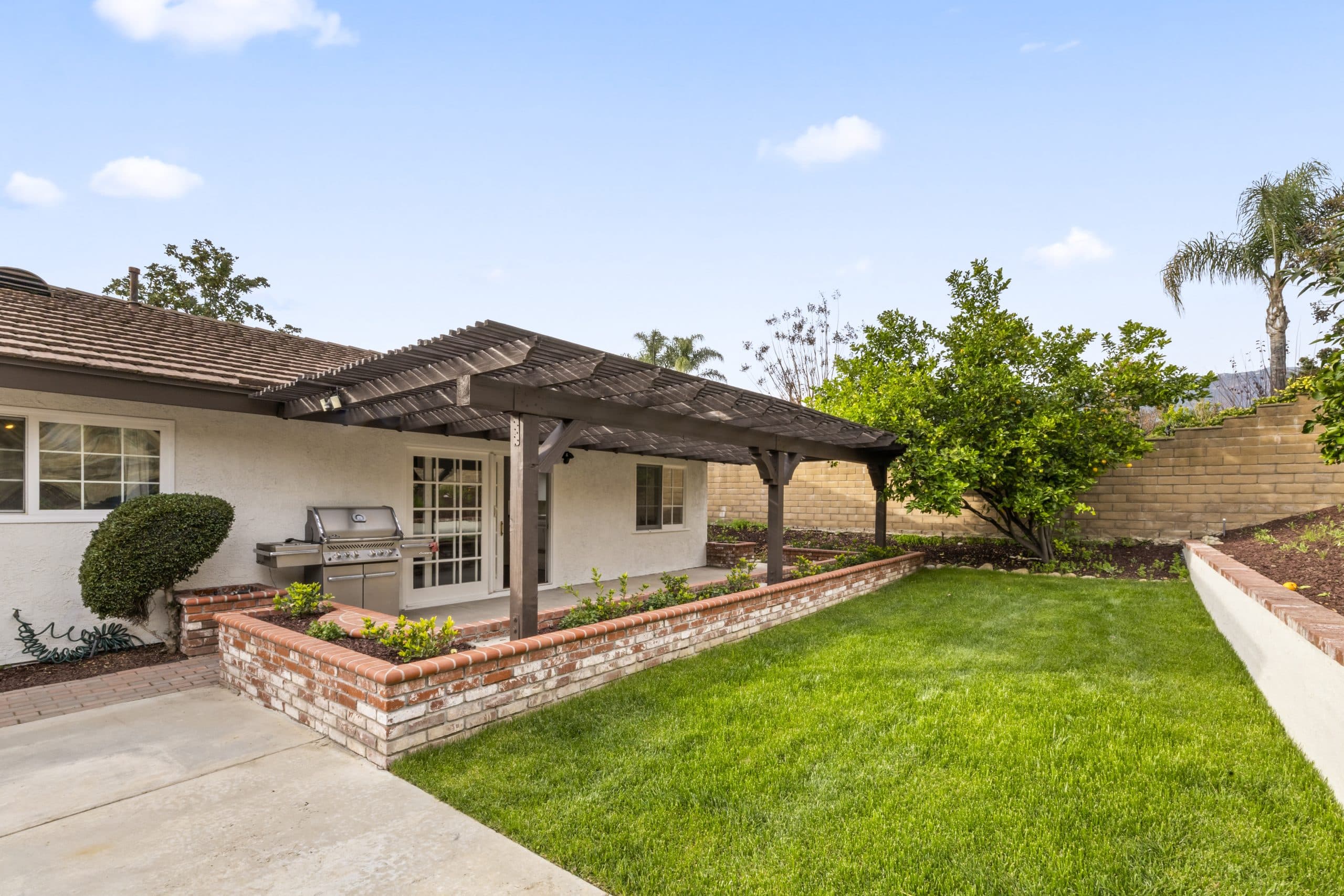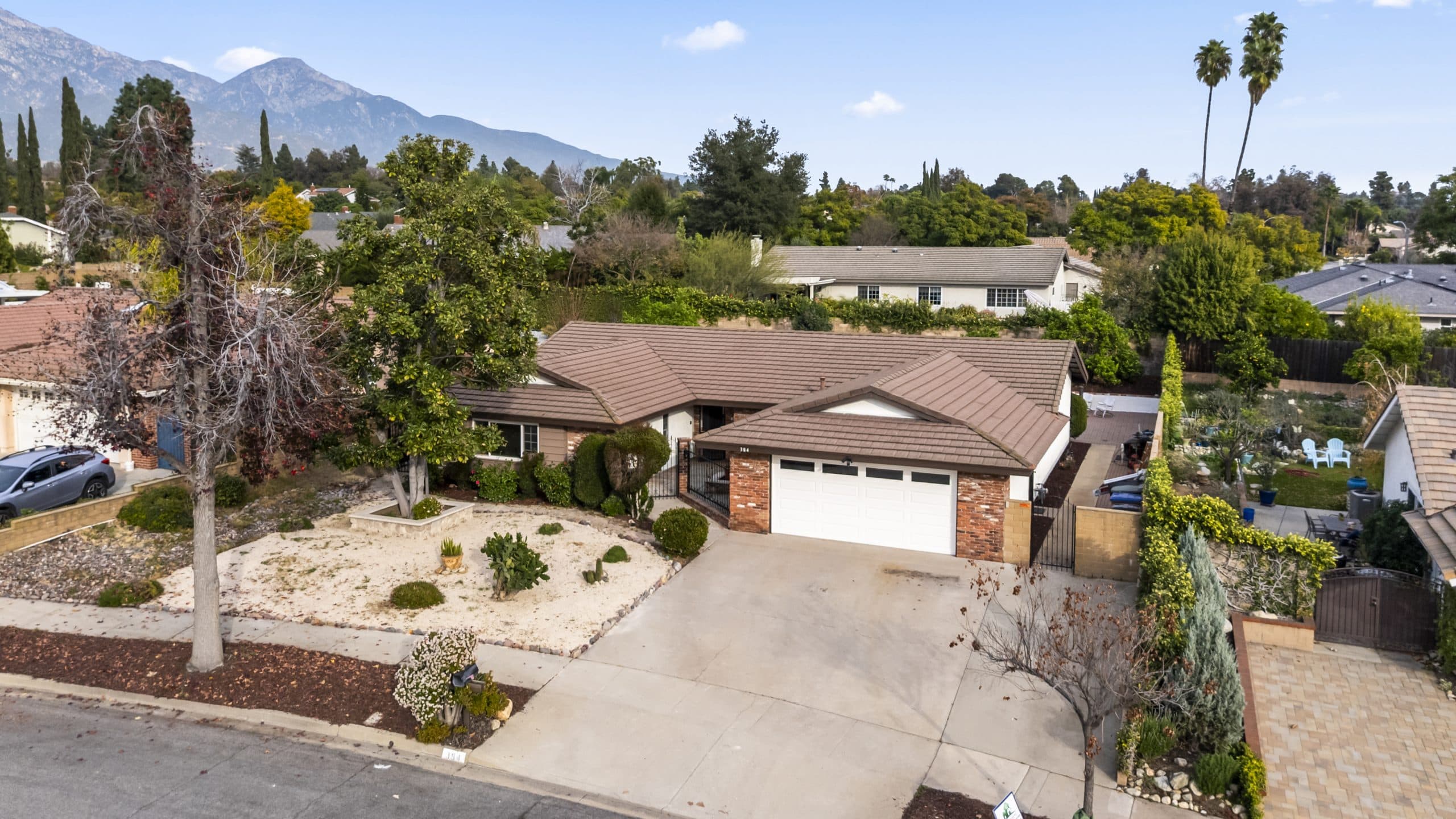
A listing photo taken from the back yard tells you the view. It does not tell you who owns the ground on the other side of the fence, who maintains it, who may walk it, or what happens when a limb comes down across the line.
In Claremont, a surprising number of lots touch public land. Some back onto a neighborhood park. Some meet a paved trail corridor. Some end where the flatland stops and open country begins. Each of those is a different ownership situation with different obligations, and buyers routinely treat them as one thing.
This guide belongs to the parks and recreation cluster and covers the fence line specifically: what to verify, what to expect, and what the trade is.
First, find out what is actually behind you
Start with the question of ownership, because everything downstream depends on it. Public land around Claremont is held by several different bodies, and the guide to who owns the open land around Claremont walks through the difference between city parkland, flood-control and water-district property, college land, conservancy holdings and county open space.
Those distinctions are not academic. They determine who you call about a fallen tree, whose rules govern access, who is responsible for brush on the far side, and how likely the use of that land is to change over a twenty-year hold.
The tools are the preliminary title report, the assessor parcel map and the city. Order the title report early and read the exceptions, not just the vesting page.
The line on the ground is often not the line on paper
This is the single most common surprise on a lot that backs public land.
Fences get built where it was convenient, not where the survey said. Retaining walls get poured to the slope rather than to the boundary. Over years, a shed, a hedge, a raised bed or a patio migrates a few feet past the line. The result is an ENCROACHMENT onto public property, and the fact that it has been there for decades is not by itself a defense.
Encroachment onto public land is a different animal from a neighbor dispute. A private neighbor may not care. An agency has a mandate, an inspection cycle and no authority to give public property away. When it eventually gets noticed, removal is generally at the owner's expense.
If the rear boundary matters to you, get a survey. Not a title report, not a plat sketch, a survey by a licensed land surveyor who sets the corners. On a flat interior lot that is often skippable. On a lot whose back yard is the reason you are buying, it is cheap relative to what it protects.
Easements: the right to cross your land
Where a lot meets public open space, there is frequently an easement in the picture. It might be for drainage, for a utility, for a maintenance vehicle to reach a channel, or for public access.
An easement does not take ownership away. It takes exclusive USE away in the described area, which practically means you may not build there, may not block it, and may have to accept periodic entry. Owners who assume the fenced area is entirely theirs to do as they like with are the ones who get an unhappy letter.
Read the easement language and map its footprint onto the lot before you make plans for a pool, an accessory building or a wall.
Maintenance runs both directions
The fence itself is the first question. A boundary fence between two private lots is normally a shared obligation. A fence between a private lot and public land usually is not; the private owner tends to carry it, and the agency may have design or height requirements for what faces its land.
Then vegetation. Trees on public land drop leaves, limbs and seed into your yard. Trees on your land lean over public land. Neither side gets to unilaterally remove the other's tree, and on agency land there may be protected plantings or habitat considerations that turn a routine trim into a permitted operation rather than a Saturday chore.
Where the land behind is undeveloped wildland, brush management becomes a standing obligation rather than an occasional one. That is a fire-interface question, and it carries insurance and inspection consequences. Route the current standards to the fire authority and to the City of Claremont rather than assuming last decade's rules still apply.
Drainage, the part nobody looks at in July
Water moves downhill and does not respect boundaries. A lot that sits below open ground receives whatever that ground sheds in a heavy season, and the amount can be considerable after a burn upslope.
Walk the rear of the property looking for the evidence: cut channels, silt lines against the fence, sandbag staging, a v-ditch, a drain outlet, a wall with weep holes. Then ask the seller directly what happens back there in a wet winter, and ask the neighbors, who tend to be more forthcoming.
The wider pattern of how water moves through this landscape is covered in the guide on reading water in the Claremont landscape, and it is worth understanding before you commit to a downhill lot.
People, light and sound
Public land means public access, on the public's schedule rather than yours.
A rear fence on a busy trail means conversation, footfall and dogs passing a few feet from a patio. A fence on a lit sports area means evening light and whistles. A fence on a quiet pocket park means almost nothing most of the week and a great deal on the one afternoon somebody books the space.
None of that is a defect. It is a trade, and different households price it very differently. The only reliable diligence is presence: stand in that back yard at the amenity's busiest hour, and again after dark, before you decide which kind of household you are.
What you get in return
It is worth stating the other side plainly, because the diligence list above can read as a warning and it is not one.
A lot backing public land cannot be built out behind you. The sight line is durable in a way a neighbor's roofline is not. Light and air on that side are effectively permanent. The amenity is at the door rather than at the end of a drive, and daily use is what makes an amenity worth paying for at all. How that shows up in value is covered in the guide to how park proximity prices into Claremont homes.
Where to go next
Verify ownership, survey the line if the yard is the reason you are buying, read the easements, and stand there at a peak hour. Then work through the rest of the parks and recreation cluster and the guide to the park-rich neighborhoods of Claremont to see how the different edges compare. For a candid read on a specific rear boundary, ask someone who has walked a lot of them. Anthony Grynchal has been licensed in California since November 2009.
Frequently asked questions
How do I find out who owns the land behind a Claremont property?
Start with the preliminary title report and the assessor parcel map, then confirm with the City of Claremont. Open space around town is held by several different bodies, and each has its own rules for access, maintenance and vegetation.
Is an old fence that sits on public land a problem?
It can be. Long use does not create a right against a public agency, and removal is generally at the owner's expense once it is identified. If the rear boundary matters, a licensed surveyor setting the corners is the way to know.
Who trims a tree that straddles the boundary?
Neither side removes the other's tree unilaterally, and on agency land a trim may require permission or a permit. Ask the managing agency before any work, and confirm current brush-clearance standards with the City and the fire authority.
Does backing onto a park always add value?
It usually protects the view and light permanently, which buyers pay for. It also brings public access, noise and sometimes drainage from above. Whether the trade is favorable depends on the specific amenity and the household.

Written by
Anthony Grynchal
Anthony Grynchal is a California real estate professional with eXp Realty, licensed since November 2009 (California DRE# 01873626), and the Designated Local Expert™ for Claremont — where he has lived for more than 33 years.
More about AnthonyPublished · Updated