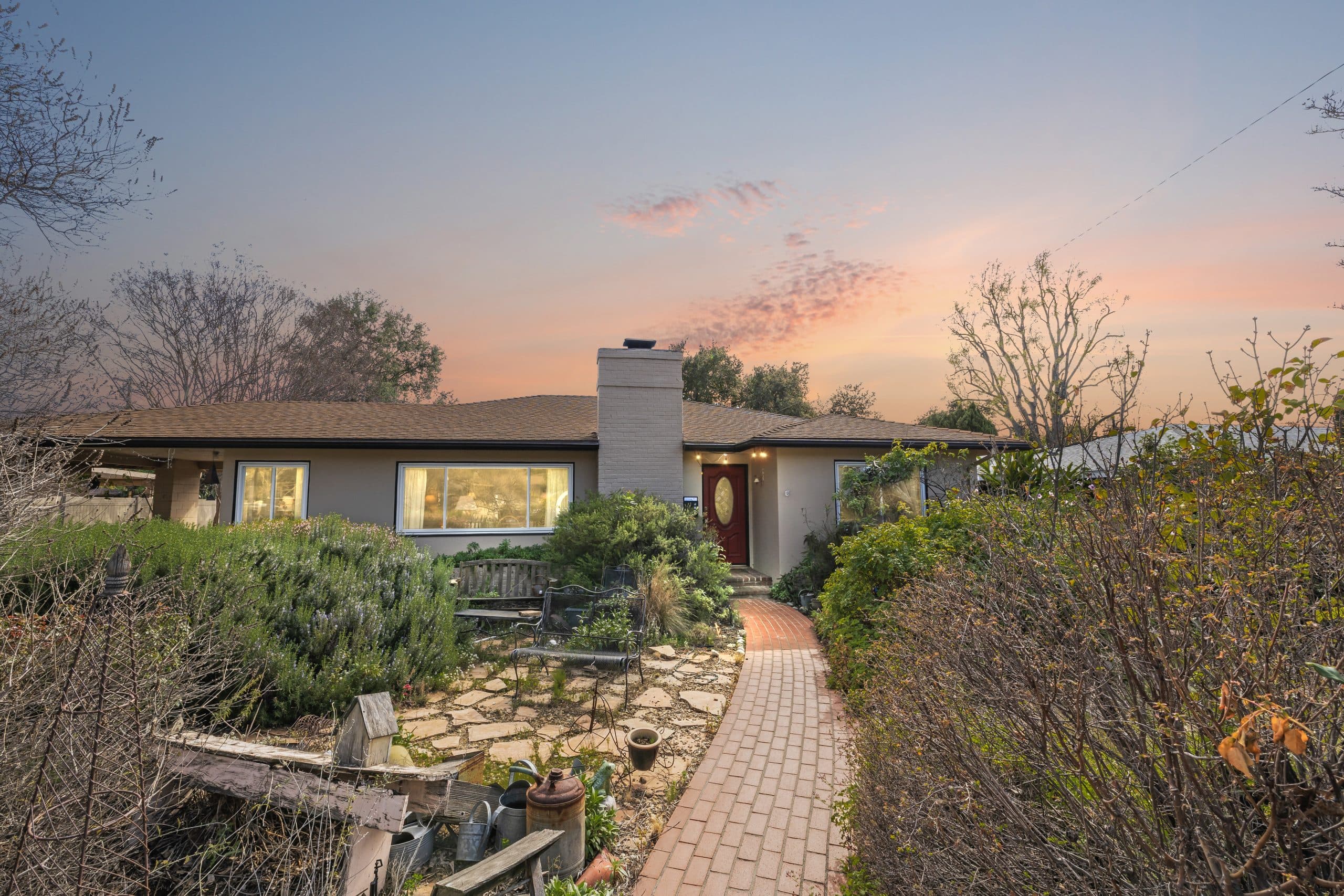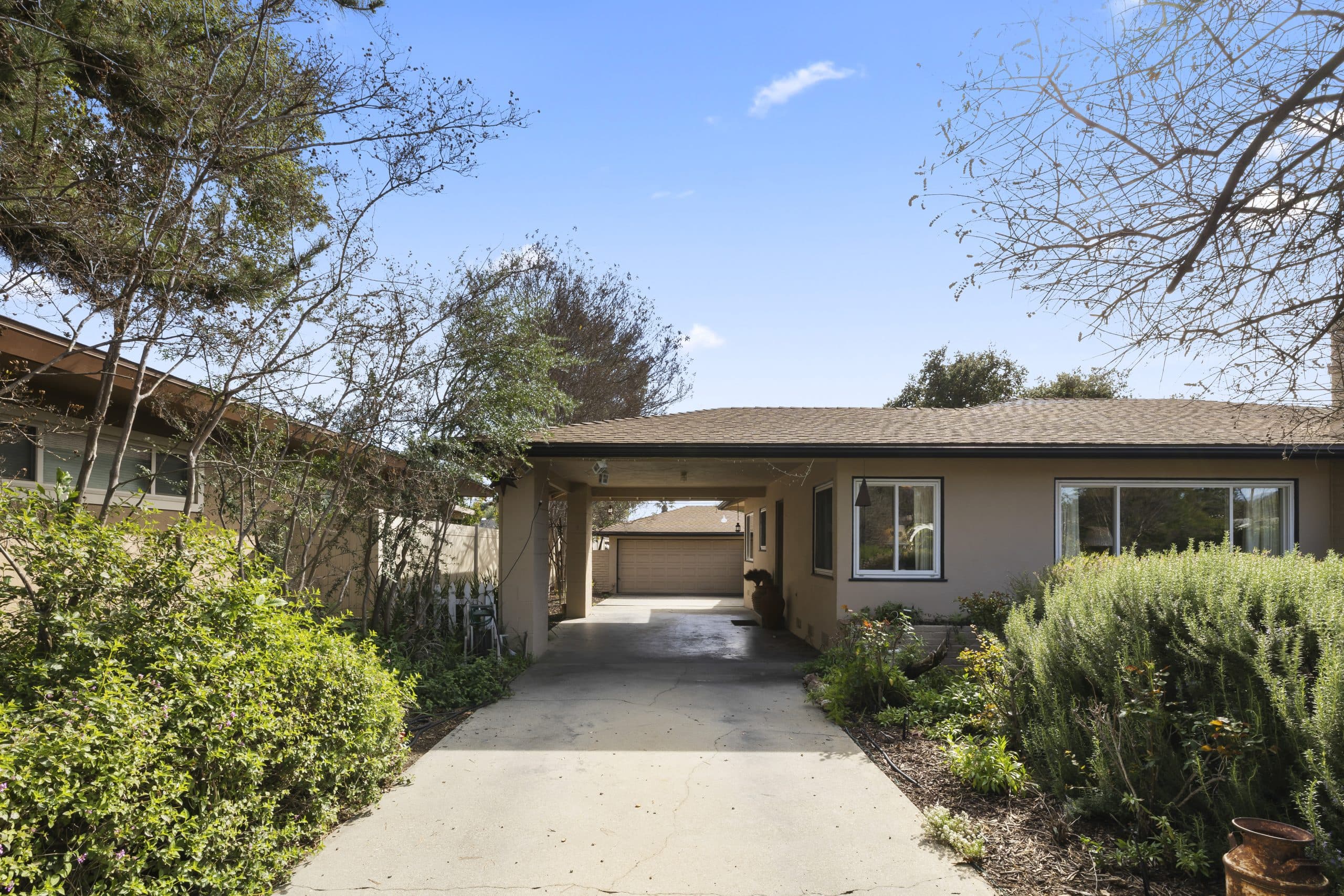
Somewhere in the Los Angeles County records is a description of your Claremont house. Square footage. Bedroom and bathroom counts. Year built. Lot size. Whether there is a pool, a garage, a second structure.
That description is the basis on which your property is valued.
Most owners have never seen it. A meaningful number of those descriptions contain something that is not true, and the errors run in both directions.
Why the record exists
An assessor cannot walk through every house every year. The office maintains a record of what each property consists of and works from that.
The record gets built and updated from what the county learns: what was described when the property last changed hands, what permits were pulled, what appeared in filings over the years. Between those events, it sits.
Which means the record can drift from reality quietly, over decades, without anyone noticing.
How errors get in
WORK DONE WITHOUT A PERMIT. A converted garage, an enclosed patio, a finished basement space. If no permit existed, the record may not show it. The owner knows. The record does not.
WORK PERMITTED BUT MEASURED DIFFERENTLY. A permit describes intent; the finished result can be larger, smaller or different in kind.
SOMETHING THAT NO LONGER EXISTS. A structure that burned, was demolished or was removed, still carried on the record because nothing told the county otherwise.
TRANSCRIPTION AND CARRYOVER. Old records were transcribed and migrated. Digits move. A description written decades ago propagates forward unchanged because nothing ever challenged it.
THE WRONG PARCEL ENTIRELY. Rare, but it happens, and it is the one that produces the most confusing conversations.
Why an owner should care in both directions
The instinct is that an overstated record costs money and an understated one is a lucky break. Both halves deserve a second look.
IF THE RECORD OVERSTATES THE PROPERTY, you may be carrying value that does not correspond to anything real. That is a value question with a forum. The appeals article explains how a challenge works, and a record error is a strong kind of evidence because it is factual rather than a matter of opinion.
IF THE RECORD UNDERSTATES THE PROPERTY, that is not free. Value that should have been on the roll and was not can be added retroactively for prior years. The reassessment triggers article covers what events bring a property back into view, and a sale is one of the most reliable of them. Discovering the discrepancy yourself, with your CPA, is a better setting than discovering it in escrow.
Reading the record without misreading it
Two cautions, because they cause most of the confusion.
ASSESSED VALUE IS NOT MARKET VALUE. The framework set by Proposition 13 caps the general levy at one percent of assessed value and limits annual growth in assessed value to two percent, so a long-held home carries a value anchored to when it was last established. That number was never intended to describe today's market. Do not read it as an appraisal.
THE CHARACTERISTICS ARE NOT AN INSPECTION. The record says a structure exists. It says nothing about whether it is sound, permitted, or built the way it should have been. Buyers sometimes treat the county record as verification of legality. It is not.
What to do with what you find
If the record matches your house, you have spent an hour and gained certainty. That is a good outcome.
If it does not match, take it in order.
DOCUMENT WHAT IS ACTUALLY THERE. Measurements, photographs, permits, prior appraisals if you have them.
WORK OUT WHEN IT DIVERGED. The date matters, because assessment consequences are tied to when things happened.
TALK TO A CPA BEFORE YOU TALK TO THE COUNTY, particularly if the discrepancy is in your favor. There may be a right way and a wrong order to raise it, and the right advisor for that is not a real estate agent.
THEN CONTACT THE ASSESSOR with the parcel number and the specifics. A correction request that names measurements and dates gets further than one that says the record looks off.
When it matters most
Two moments make this urgent rather than interesting.
BEFORE LISTING. If you plan to advertise a square footage that the county record contradicts, resolve it beforehand. Disclosure obligations are real, and a buyer's lender or appraiser will find the discrepancy at the worst possible moment.
BEFORE BUYING. Compare the record against what you are being shown. A permitted addition and an unpermitted one look the same at an open house and are very different things to own.
The habit worth having
Look at your own record once. Look at it again after any significant work. Look at it before you sell.
It is a description of your house held by an office that will act on it. Knowing what it says is not an advanced move. It is basic ownership hygiene.
The disclaimer that belongs here
I am a real estate salesperson, not a tax professional. Nothing in this article is tax or legal advice, and none of it is a prediction about your situation. The Los Angeles County Assessor is the authority on the assessment, and a CPA or tax attorney is the person to talk to about what any of it means for you.
Where to go next
For the wider picture of how a Claremont bill is built, start at the property taxes hub. To connect the record to the bill itself, the bill-reading guide is the next step.
Anthony Grynchal has been licensed in California since November 2009.
Frequently asked questions
Where does the assessor's description of my house come from?
From what the county learned over time: how the property was described when it last changed hands, permits pulled, and filings made. Between those events the record simply sits.
What if the record says my house is bigger than it is?
That is a factual error affecting value, and factual errors make strong evidence. Document the real measurements and raise it with the Assessor.
What if the record understates my house?
It is not free. Value that should have been on the roll can be added for prior years. Discuss it with a CPA before raising it, and expect a sale to surface it eventually.
Is assessed value the same as market value?
No. Assessed value is anchored to when it was last established and grows within constitutional limits. It was never meant to describe today's market.

Written by
Anthony Grynchal
Anthony Grynchal is a California real estate professional with eXp Realty, licensed since November 2009 (California DRE# 01873626), and the Designated Local Expert™ for Claremont — where he has lived for more than 33 years.
More about AnthonyPublished · Updated