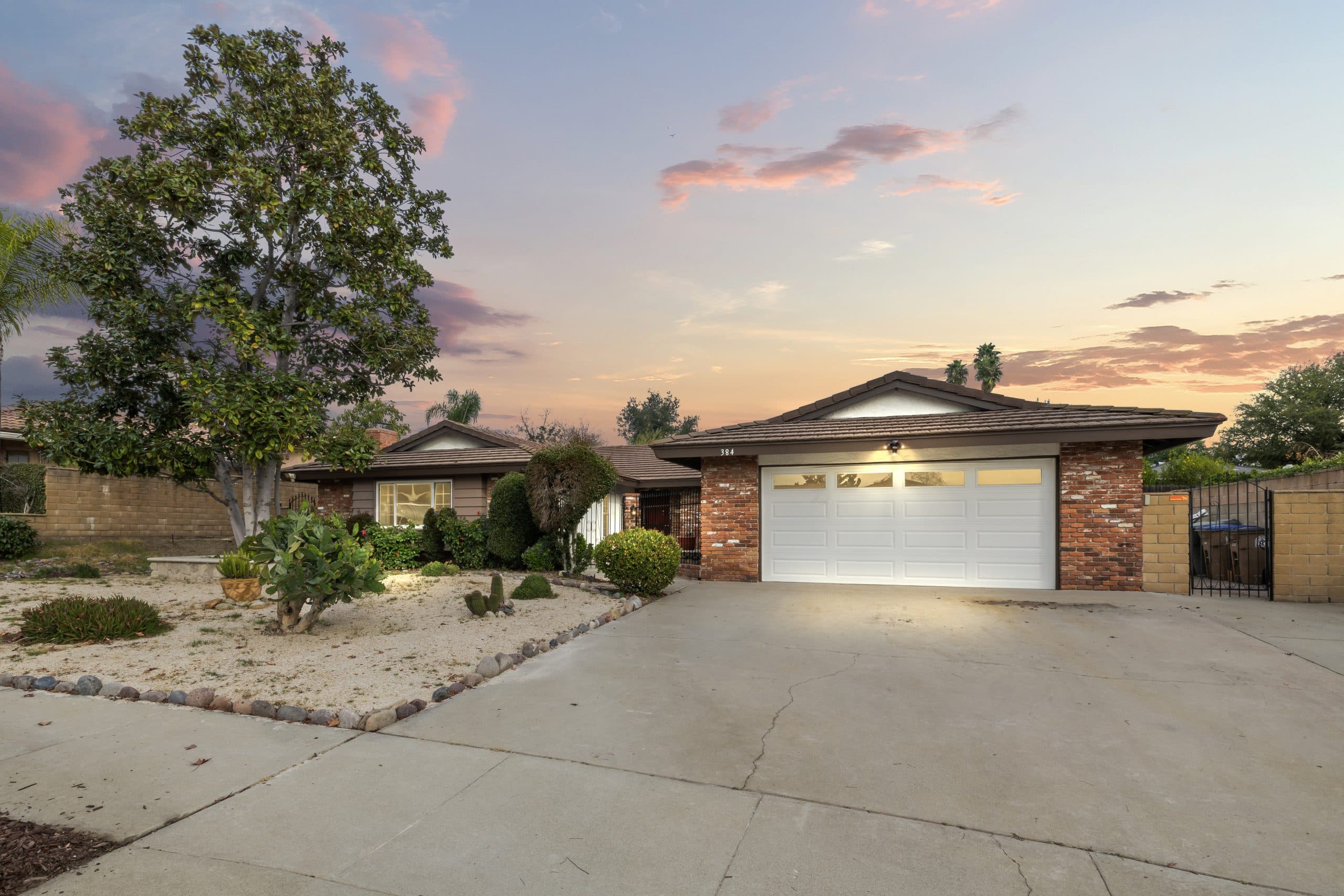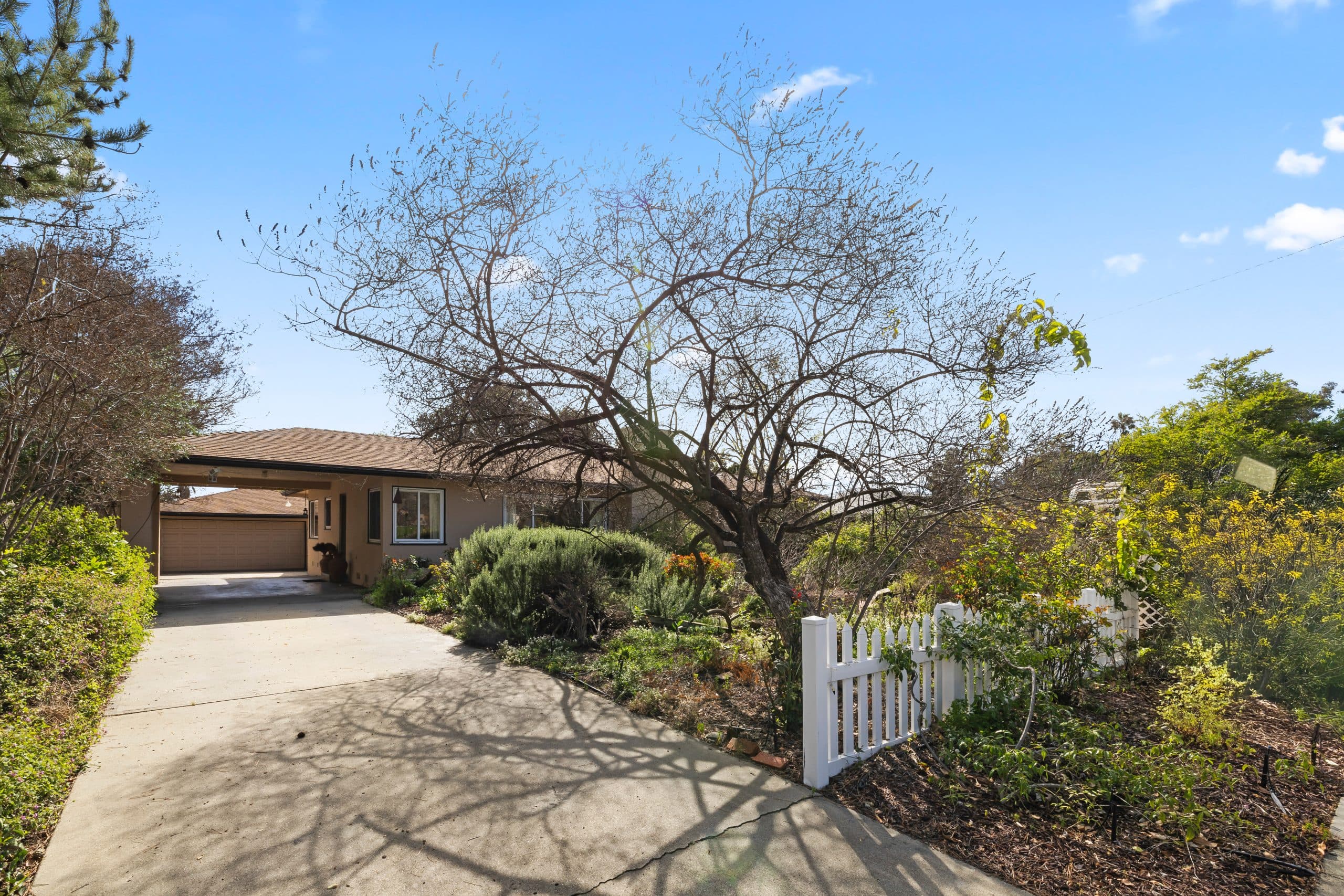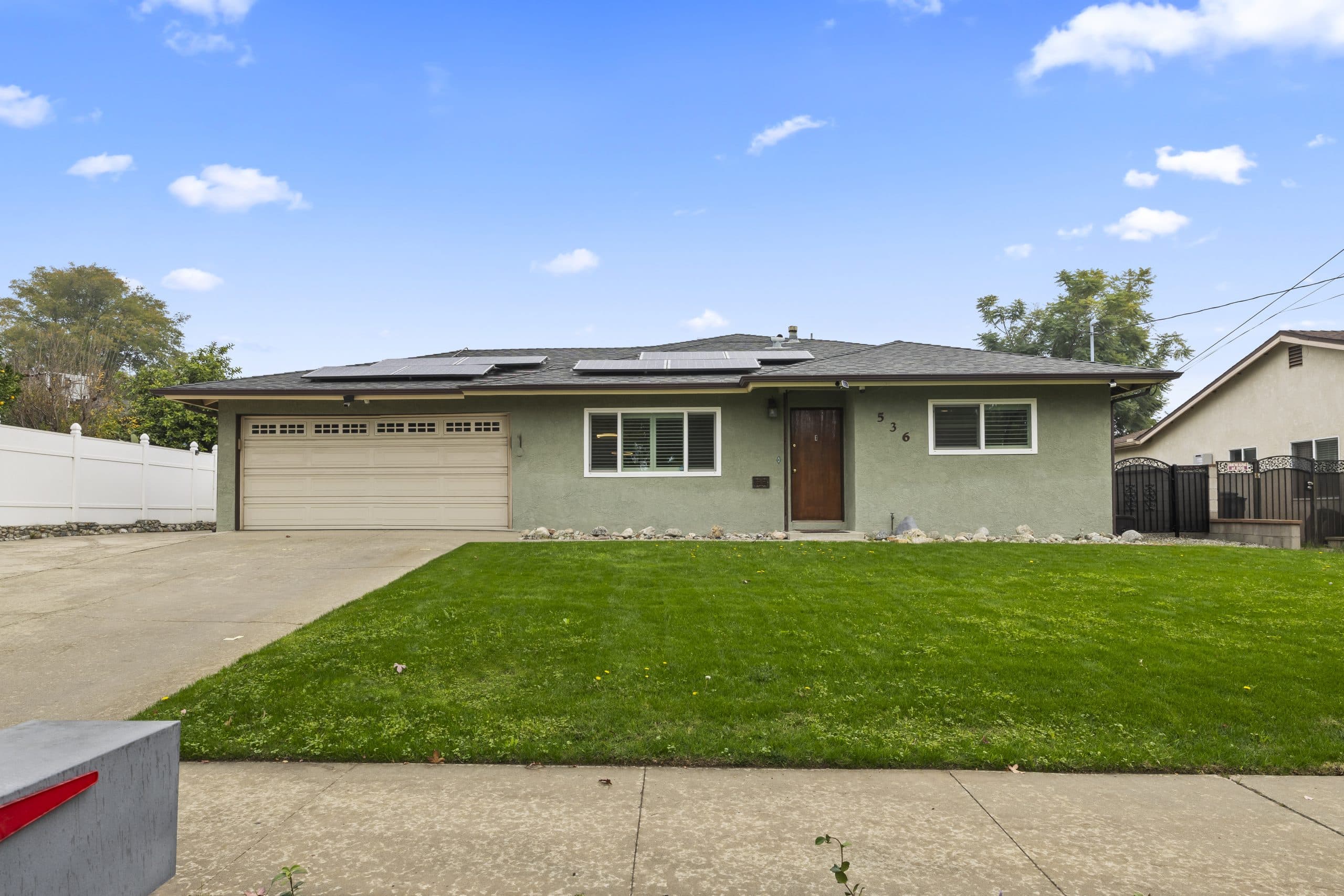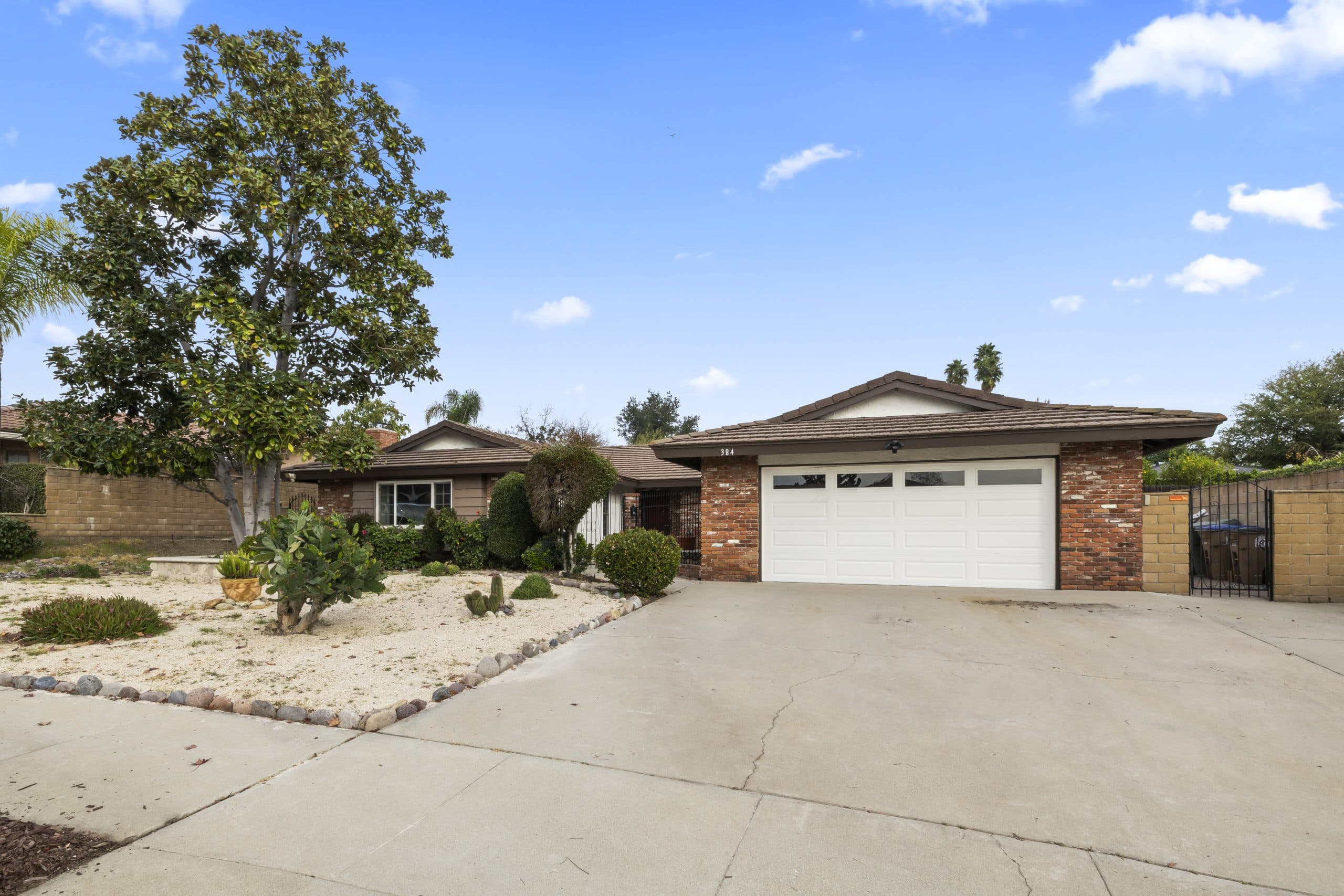
Look at enough older yards in a citrus town and you notice how many still have the trees. A lemon by the back door, an orange in the corner, sometimes a whole row along a fence line that was clearly planted with intent.
They are the survivors of what the land used to do, and they are a genuine feature of the house rather than decoration. A household with mature producing trees eats slightly differently, and it is worth knowing that before you decide a tree is in the way of a patio.
What a mature tree is actually worth
Not in money - in habit. A producing citrus tree changes small daily decisions. You stop buying the thing it makes. You cook with it because it is there rather than because you planned to. You give the surplus away, which is one of the more reliable ways neighbors on a street get to know each other.
The important word is MATURE. A tree planted today is a decade from doing this properly. A tree that has been in the ground for thirty years is producing on a scale a household cannot use alone, and that is not a condition you can buy quickly at any price.
So when a listing shows an established tree, that is worth pausing over, and it is worth understanding its condition before you assume it is either an asset or an obstacle.
What to check before you count on it
- Sun. Fruit needs it. A tree that was planted in an open yard forty years ago may now sit under a neighbor's canopy, and it will show that in its production.
- Irrigation. Established trees usually have their own line or their own basin. If the yard has been re-landscaped around them, check that they were included in whatever replaced the old system.
- Root zone. Hardscape, a new driveway, or a pool that came close to a mature tree may have taken more of its roots than the surface suggests. Distress shows up years later.
- Whose tree it is. A tree on or near a property line is a conversation with a neighbor, not a private asset. Find out where the trunk actually sits.
- The work. Fruit falls. It stains hardscape, it attracts insects, and somebody has to pick up what is not picked. That is a real chore, not a hypothetical one.
The garden question is separate
Growing fruit on an established tree is nearly free. Growing vegetables is not - it is a hobby with a real time cost, and it needs different things from a yard.
What a productive vegetable garden actually needs is a sunny patch of reasonable size, water within reach of it, and proximity to the kitchen door. That last one decides everything. A bed at the far end of a yard gets planted in spring and abandoned by July. A bed ten steps from the door gets used.
If growing food is genuinely part of the life you are picturing, look for that near-door sun rather than for total yard size. Plenty of small lots have it and plenty of large ones do not.
How this interacts with buying groceries
Home production does not replace shopping. What it does is change the pattern - fewer small trips for a specific item, more cooking around what is available, and a seasonal rhythm to what appears on the table.
That rhythm pairs naturally with weekly market shopping, which works the same way: you buy what is good rather than what was on a list. Households that adopt both tend to find the supermarket becomes a top-up rather than the main event. The habit side of that is described in the farmers market as a weekly habit.
None of it removes the need for a reachable grocery anchor, though. That remains the backbone of a household's provisioning, and how far it sits from the door is still one of the more consequential facts about an address, as set out in the grocery anchor piece.
The neighborhood effect
There is a small social mechanism here worth naming. Surplus fruit gets given away, and giving things away across a fence is how a lot of neighbor relationships actually start.
On streets where several houses have producing trees, this happens routinely, and it is one of the quieter reasons older residential blocks in a citrus town often feel more connected than newer ones. It is not something a developer can install.
Reading a yard for food potential
When you tour, spend two minutes on this specifically.
Find where the sun actually lands in the afternoon - not where the yard is biggest, but where it is brightest. Look at what is already growing well, because that tells you what the soil and exposure support. Note the distance from the kitchen door to that spot. Check that a hose or a valve reaches it.
Then be honest about your appetite for maintenance. A yard with four mature fruit trees is a small ongoing job. Some households find that job pleasant and some find it a burden, and there is no correct answer - only a fit.
What this page will not tell you
It will not tell you what varieties to plant, when to prune, or how to treat a specific problem. Those are horticultural questions that depend on the individual tree and the specific site, and they are better answered by a local nursery or an arborist who can look at it.
What it can tell you is that an established tree is a genuine and slow-to-replace feature of a property, that the near-door sun matters more than the yard's size, and that both are easy to assess on a tour if you know to look.
Start with the Claremont restaurants guide for the wider picture. Anthony Grynchal has been licensed in California since November 2009. If a productive yard is part of what you want, say so early and we will look at exposure as carefully as square footage.
Frequently asked questions
Are mature fruit trees actually a feature worth valuing?
They are, mostly as a matter of habit rather than money. A producing tree changes what a household buys and cooks, and surplus given across a fence is a reliable way neighbors get to know each other. The key word is mature, because a newly planted tree is many years from producing at that scale.
What should I check about an existing tree before relying on it?
Sun exposure, since a neighbor's canopy may have grown over it; whether it was included in any re-landscaped irrigation; whether hardscape or a pool cut into its root zone; and where the trunk actually sits relative to the property line. Also budget honestly for the work of fallen fruit.
What does a vegetable garden really need from a yard?
A sunny patch of reasonable size, water within reach, and proximity to the kitchen door. The last one decides whether it gets used. Beds at the far end of a yard tend to be planted in spring and abandoned by midsummer, while a bed ten steps from the door gets tended.
Does growing food reduce the need for a nearby grocery store?
It changes the pattern rather than removing the need. Households with productive yards make fewer small trips for specific items and cook more around what is available. A reachable grocery anchor is still the backbone of provisioning, and its distance from the door remains a consequential fact about an address.

Written by
Anthony Grynchal
Anthony Grynchal is a California real estate professional with eXp Realty, licensed since November 2009 (California DRE# 01873626), and the Designated Local Expert™ for Claremont — where he has lived for more than 33 years.
More about AnthonyPublished · Updated