People who host a lot tend to buy for it. An extra bedroom, a larger dining table, a second bathroom - real square footage, bought and paid for so that a few weekends a year go smoothly.
It is worth asking whether the neighborhood can do part of that job instead. In a walkable district it often can, and the substitution is cheaper than an extra room by a very wide margin.
What hosting actually requires
Break a visit into its parts and most of them are not bedrooms.
- Somewhere for guests to sleep. The only part a house genuinely has to supply, and even that has flexible answers.
- Somewhere to eat together. Can be your table or can be a table five minutes away.
- Somewhere for people to be during the day without being on top of each other.
- Coffee in the morning before the house is really awake.
- Something to do that does not require you to be a tour guide for three straight days.
A walkable district covers four of those five. That is the whole argument.
The morning problem, solved on foot
The hardest hour of hosting is early. Guests wake at different times, somebody wants coffee before anybody wants to talk, and a small kitchen with four people in it becomes an obstacle course.
A cafe within a short walk dissolves that entirely. Early risers go out, come back, and the household reconverges when it is ready. It costs nothing, it gives everyone a small errand, and it removes the pressure of producing breakfast for a crowd in a kitchen sized for two.
The distance that works here is tighter than for dinner. Morning walks fall off sharply past about eight minutes, which is why the coffee radius is a genuinely different measurement from the dinner radius. That threshold is discussed in the breakfast test.
Dinner without the production
Cooking for guests is enjoyable once. Cooking for guests three nights running, while also hosting them, is work that removes the host from the visit.
Walking out for one or two of those meals is the standard fix, and it works better on foot than by car. Nobody has to drive, nobody is watching their drinks, and the walk itself becomes part of the evening rather than logistics attached to it. A group of six that would need two cars and a parking plan simply leaves the front door.
The version of this that people remember is the multi-stop evening - a drink in one place, dinner in another, dessert or a walk on the way back. That is only available where the district is compact enough to do it on foot, and it is the closest thing a neighborhood has to an entertaining feature. The shape of that kind of evening is set out in the progressive dinner piece.
Daytime, without being a tour guide
The other quiet cost of hosting is the obligation to entertain. A district with shops, cafes, and somewhere to sit gives guests an independent afternoon. They go out, you get your house back for two hours, and everybody is better company at dinner.
This is much harder to arrange from a car-dependent address, where any independent activity requires either a car or a lift from you. The difference shows up as fatigue by the second day.
So what does the house still need?
Beds and bathrooms, essentially, and less of both than most hosts assume.
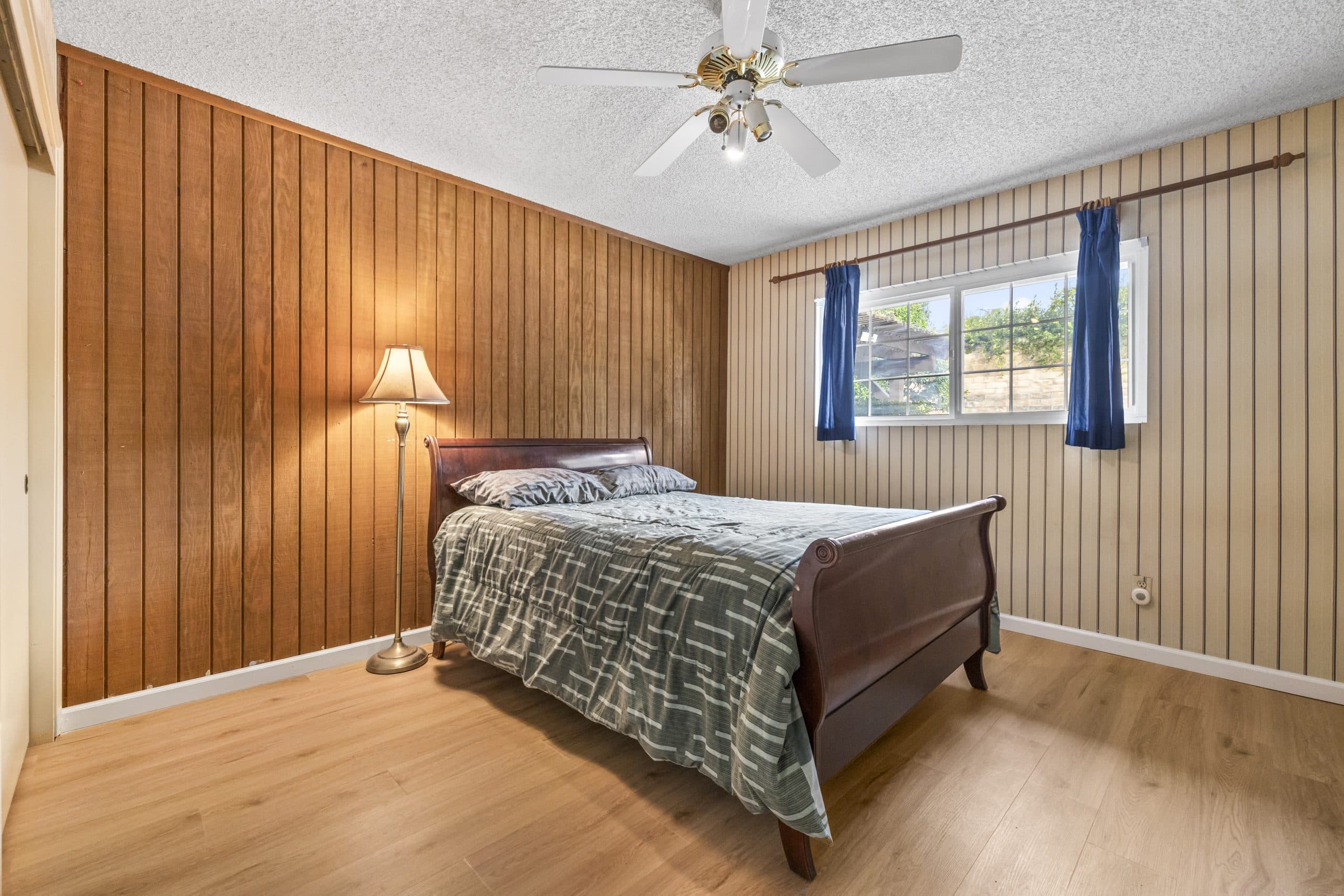
A dedicated guest room used six weekends a year is expensive real estate. A flexible room - office, den, or study with a proper sleeping arrangement - covers the same weekends and earns its keep the other three hundred days. That is usually the better buy, especially when the neighborhood is absorbing the eating and the daytime.
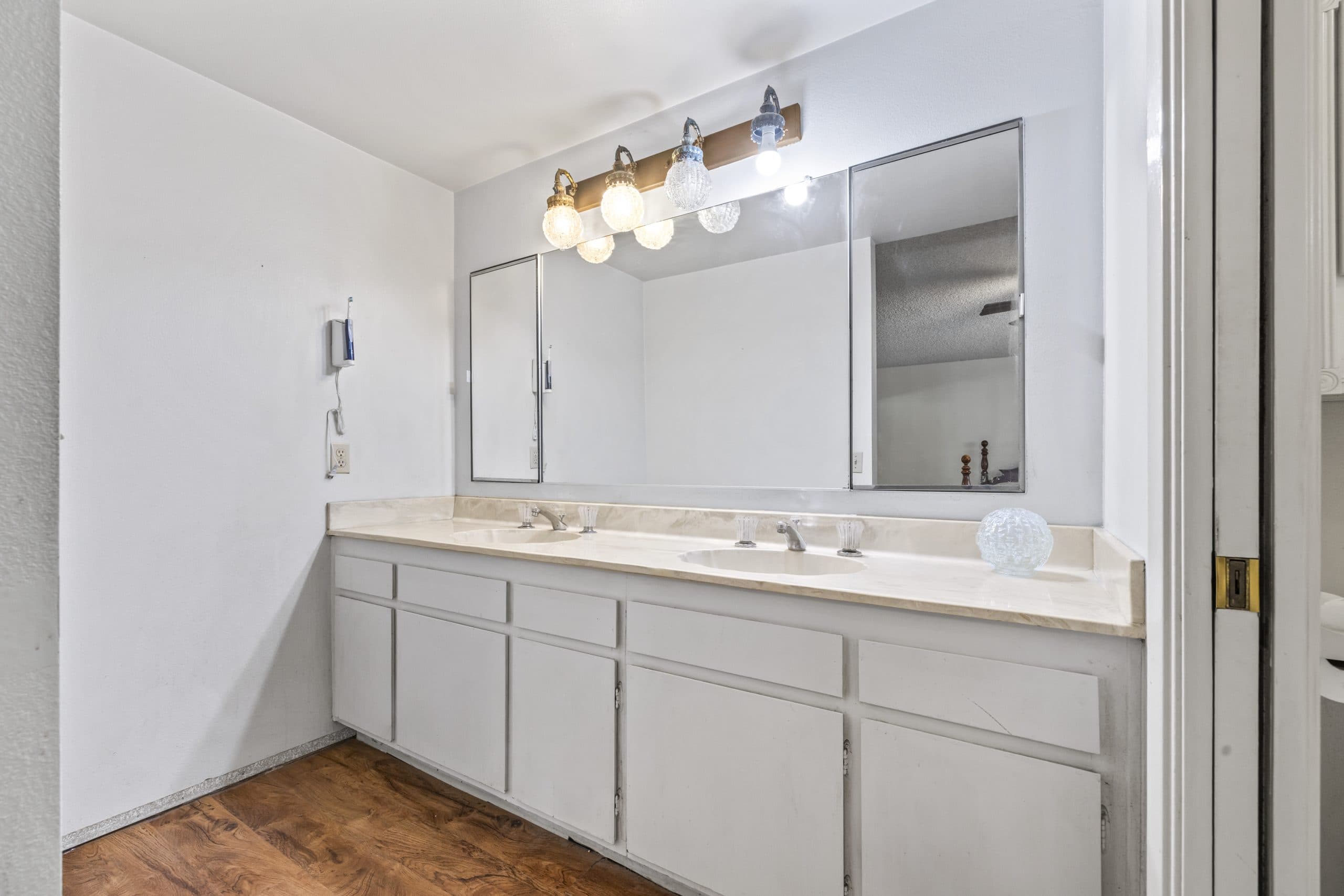
Bathrooms are the one place not to economize. A second full bath does more for a hosting household than an extra bedroom does, because it is the fixture that creates queues and awkwardness. If the budget allows exactly one upgrade for hosting, that is the one.
Seating matters more than dining-room size. A table that seats six comfortably plus somewhere for four people to sit and talk afterwards will serve better than a formal dining room that seats ten and a living room nobody wants to be in.
The trade, stated plainly
You can buy a larger house further out, or a smaller house in a district that does part of the hosting for you. Both work. But the larger house is paid for every month, forever, for a function used a handful of weekends a year, while the district is available every day for everything else you do.
For frequent hosts who also want a walkable everyday life, the second arrangement usually wins. For hosts who need to sleep six regularly, or who host in a style that genuinely requires a big table and a big kitchen, the first one does. Knowing which you are is the useful part, and it is worth deciding before you start touring rather than in the middle of one.
What this page will not tell you
It will not name places to take visitors. Restaurants, cafes, and bars change, and a permanent page that listed them would mislead within a season. Use current sources - the businesses' own pages, current reviews, and the town's business directory - when you are actually planning a weekend.
What it can tell you is which parts of hosting a neighborhood can absorb, and therefore which rooms you can stop shopping for.
Start with the Claremont restaurants guide for the wider picture. Anthony Grynchal has been licensed in California since November 2009. If your house needs to work for visitors several times a year, tell me that early and we will shop the walk as carefully as the floor plan.
Frequently asked questions
Can a walkable neighborhood really replace a guest room?
Not the sleeping part, but it can absorb most of the rest. Meals out, morning coffee, and independent afternoons for guests are the parts of hosting that consume a house, and a compact district covers all three. That usually means a flexible room with a good sleeping arrangement beats a dedicated guest bedroom.
What is the single best hosting upgrade in a house?
A second full bathroom, ahead of an extra bedroom. Bathrooms create the queues and the awkwardness that make a full house feel crowded. Comfortable seating for conversation after a meal comes next, and it matters more than the formal capacity of the dining table.
Why does walking to dinner work better than driving with guests?
Nobody has to drive, nobody is managing a parking plan, and a group of six leaves the front door instead of coordinating two cars. The walk itself becomes part of the evening. It also makes a multi-stop evening possible, which is the version of a night out people tend to remember.
How close does morning coffee need to be to be useful?
Tighter than dinner. Most people stop making a routine morning walk once it passes roughly eight minutes each way, whatever they intended. Dinner comfortably absorbs twelve minutes or more. When you are judging an address for hosting, measure the coffee walk separately from the dinner walk.

Written by
Anthony Grynchal
Anthony Grynchal is a California real estate professional with eXp Realty, licensed since November 2009 (California DRE# 01873626), and the Designated Local Expert™ for Claremont — where he has lived for more than 33 years.
More about AnthonyPublished · Updated