Most advice about food and location assumes a household that can eat anywhere and is choosing on preference.
A meaningful number of households are not in that position. A serious allergy, celiac disease, a renal or cardiac diet, a religious requirement, a child with a narrow range of foods they will actually eat - any of these turns eating from a preference into a logistics problem, and logistics problems are geographic.
For those households, the usual questions about a neighborhood are the wrong questions. What matters is not how good the restaurants are. It is how the whole food system around the house behaves when a constraint is non-negotiable.
Groceries matter more than restaurants
Start here, because it is the part people underweight.
A household with a real dietary constraint cooks more than an average household, by necessity. That makes the shopping trip the load-bearing trip, and the relevant questions become mundane: how far is the store, how often can you go, and does the store carry what you need or is it a special trip somewhere else.
The difference between a store you can reach in a few minutes and one that requires planning is the difference between buying fresh three times a week and running a stockpile. If the specialist item comes from one place across town, that is a fixed monthly errand that a location either makes easy or makes tiresome.
The general shape of this - how the everyday food and errand trips cluster - is worked through in groceries, coffee, and the errand radius. For a constrained household, that radius is not a convenience. It is the plan.
Variety is worth more than quality
Here is the counterintuitive one.
If you can eat anything, a district with three excellent places is better than one with eight ordinary ones. If you cannot, the arithmetic inverts. Three places means three menus, and if none of them can accommodate the constraint, the district does not exist for you.
Eight places means eight chances. More importantly, it usually means a wider spread of cuisines, and cuisines differ enormously in how naturally they accommodate a given restriction. A kitchen whose tradition is built largely around rice, or vegetables, or grilled meat is structurally easier for some restrictions than one built on wheat and dairy, regardless of how good either is.
So count the RANGE, not the ratings. A district with many price points and many traditions is a district where somebody with a constraint can find two or three reliable options, which is all anyone actually needs. How to read that spread is discussed in corridor or core.
The house has to carry more of the work
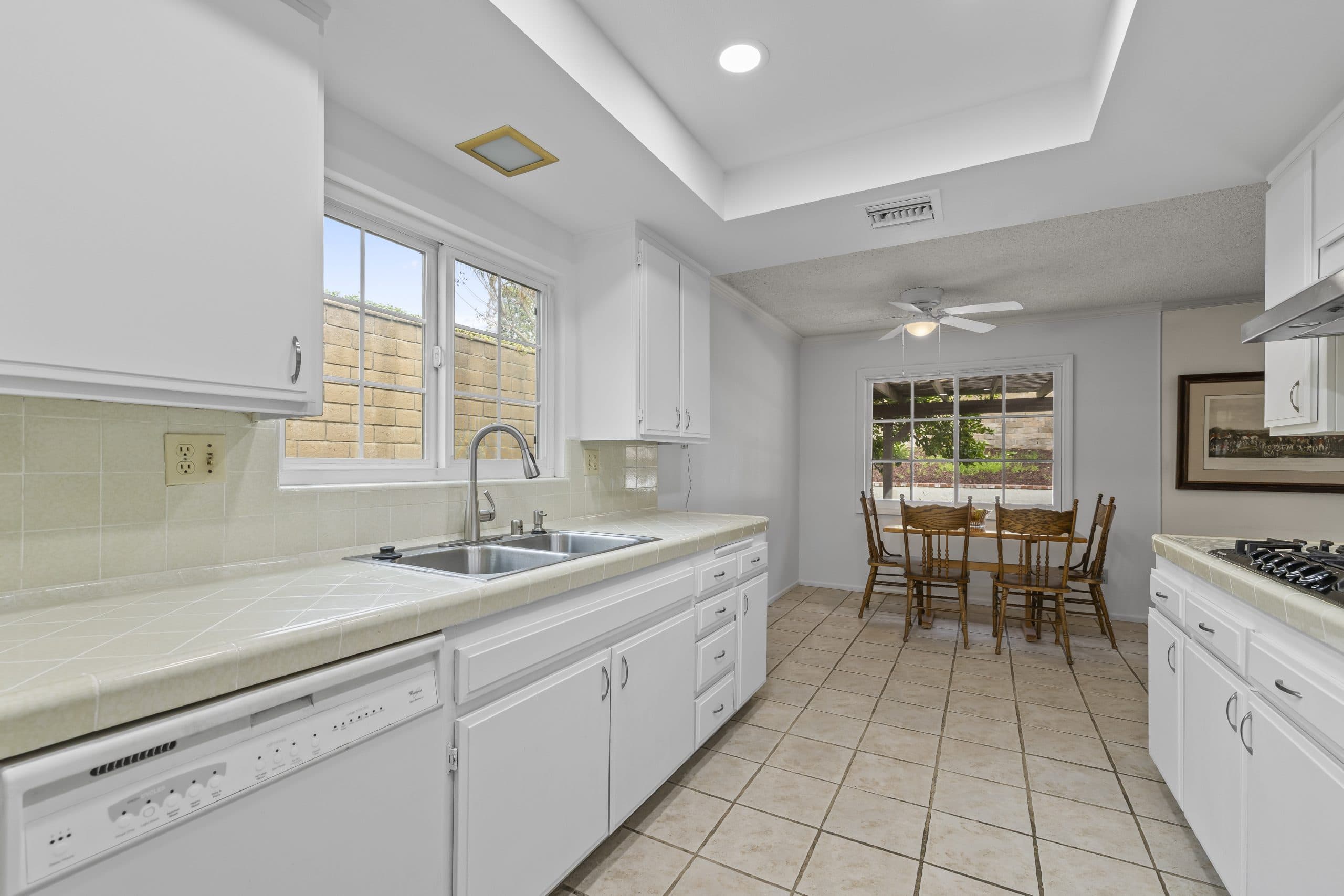
If most meals are cooked, the kitchen is not a lifestyle feature. It is infrastructure, and specific things about it start to matter:
- Storage. Pantry depth, freezer capacity, and somewhere to keep bulk quantities of things you cannot buy locally.
- Separation. Households managing a severe allergy often need genuinely separate preparation space, which is a floor plan question, not a cosmetic one.
- Counter run. Cooking most nights from scratch needs working surface more than it needs an island with stools.
- A second refrigerator. Space and power for one, usually in a garage, is worth checking rather than assuming.
None of this is exotic, and all of it is easy to check at a showing if you know to check it. It is also the part a buyer can control, unlike the district.
Delivery is not the safety net people assume
It is tempting to conclude that delivery solves the problem, and for some constraints it partly does.
But delivery inherits every limitation of the kitchens it draws from. If no nearby kitchen can safely handle a severe allergy, ordering from them does not change that. Delivery also adds a handling step and reduces the ability to ask a question and get a straight answer, which for a serious restriction is the opposite of what is wanted.
Where delivery does help is with groceries and specialist ingredients, which can genuinely widen what a location supports. That is worth knowing, and it is worth confirming for a specific address rather than assumed for a town.
How to test a location honestly
Do it as a week, not as a survey.
Pick a candidate neighborhood and plan seven days of real meals for the actual household, with the actual constraint. Where does each ingredient come from? Which nights would realistically be eaten out, and where? What is the fallback on the night nobody wants to cook?
If the plan holds together, the location works. If it depends on one store or one restaurant, the location is fragile, because that one thing can close and the plan has no depth behind it.
And then verify, for anything medically serious, with the businesses themselves rather than with an article. Kitchens change, staff change, and cross-contact practices vary by establishment and over time. No general guide - including this one - is a substitute for asking directly and asking again.
What this page cannot do
It cannot tell you which kitchens can accommodate any particular restriction, which stores stock any particular product, or what is available near a given address today. Those are current, local, and specific questions, and the answers come from the businesses and from a clinician, not from a real estate article.
What it can do is reframe the search. Judge a neighborhood on grocery access, on the range of its food, and on what the kitchen can carry. Those three hold up when everything else changes.
Start with the Claremont restaurants guide for the wider picture. Anthony Grynchal has been licensed in California since November 2009. If a dietary constraint is shaping your search, it belongs in the brief from the first conversation.
Frequently asked questions
What should a household with dietary restrictions prioritize in a location?
Grocery access first, because such households cook more by necessity and the shopping trip becomes the load-bearing trip. After that, the range of nearby food rather than its quality, and a kitchen with the storage and preparation space to carry most meals. Menus matter less than the system around them.
Why does variety beat quality when there is a restriction?
Because a district with a few excellent places offers only a few menus, and if none can accommodate the constraint the district is effectively unavailable. More places usually means more culinary traditions, and traditions differ greatly in how naturally they suit a given restriction. Two or three reliable options is all most households need.
Does delivery solve the problem?
Only partly. Delivery inherits the limits of the kitchens it draws from, adds a handling step, and makes it harder to ask a direct question about preparation. It helps most with groceries and specialist ingredients, which can genuinely widen what a location supports.
How can I test a neighborhood before committing?
Plan a full week of real meals for the actual household in that location. Trace where each ingredient would come from, which nights would be eaten out, and what the fallback is when nobody wants to cook. If the plan depends on a single store or a single restaurant, the location is fragile.

Written by
Anthony Grynchal
Anthony Grynchal is a California real estate professional with eXp Realty, licensed since November 2009 (California DRE# 01873626), and the Designated Local Expert™ for Claremont — where he has lived for more than 33 years.
More about AnthonyPublished · Updated