Homeschooling families search for houses differently, and the difference is easy to state: the house has to be the school.
That single fact reorders the whole brief. Rooms matter more, attendance areas matter less, the daily map changes shape, and the criteria that dominate an ordinary family search drop several places down the list.
Where the rules live, and it is not here
First, the boundary of what this page can tell you. California sets the legal framework for educating a child outside a conventional public school placement, and there are several distinct legal routes families use. Which route applies to a given family, what each requires, what records must be kept, and what the filing and reporting obligations are, are questions for the state's own published requirements and for someone qualified to advise on them.
This page is about the HOUSE. Get the legal picture from the proper sources before you rely on anything, and treat any real estate site, including this one, as the wrong place to learn it.
What the house actually has to do
Homeschooling families come to me with a brief that a conventional buyer would find strange, and it is usually the right brief.
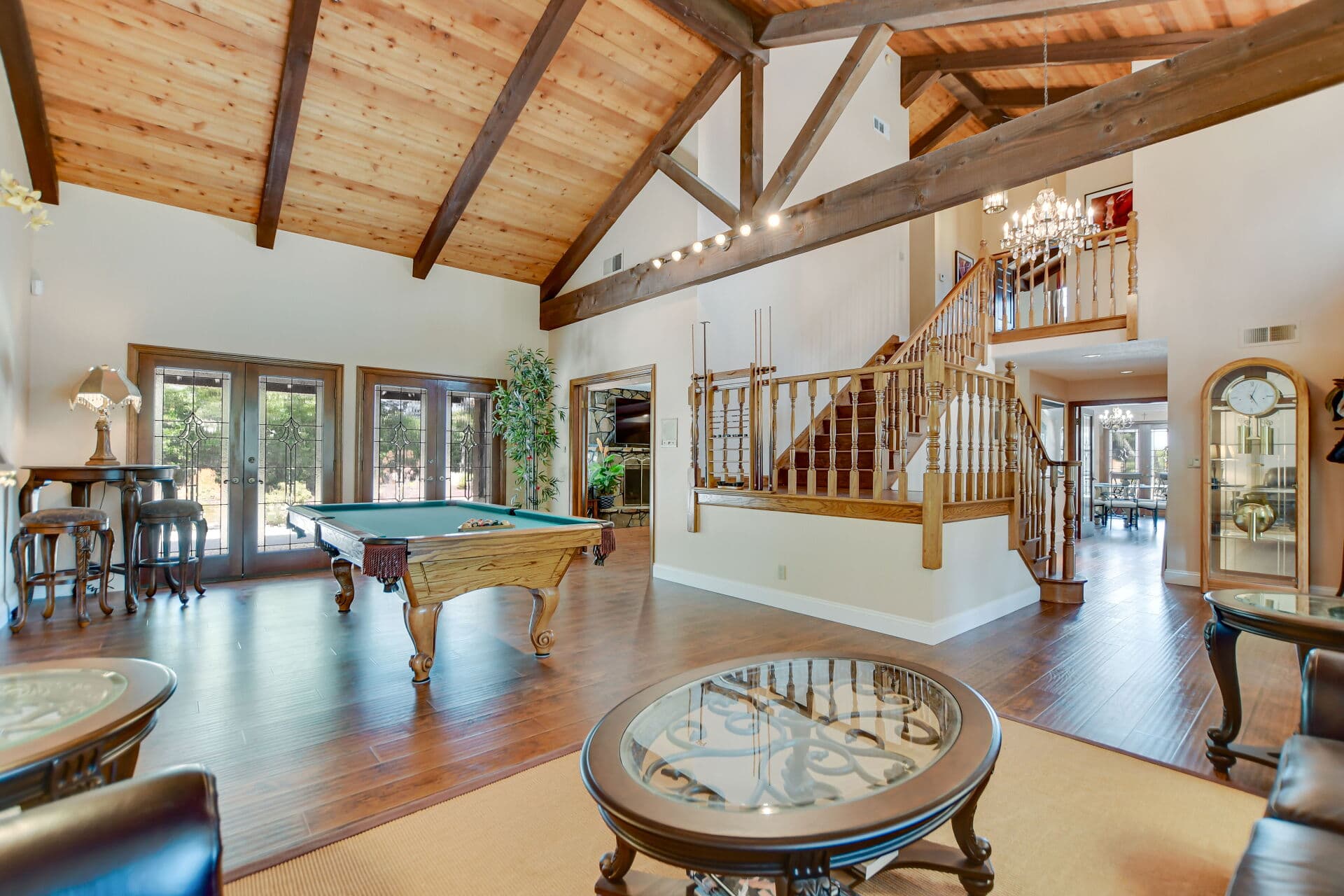
A dedicated room, or a room that can become one. Not a corner of a living room. Something with a door, because the door is what separates school hours from household hours in a building where both happen. A fourth bedroom, a den, a converted garage, a bonus room over a garage.
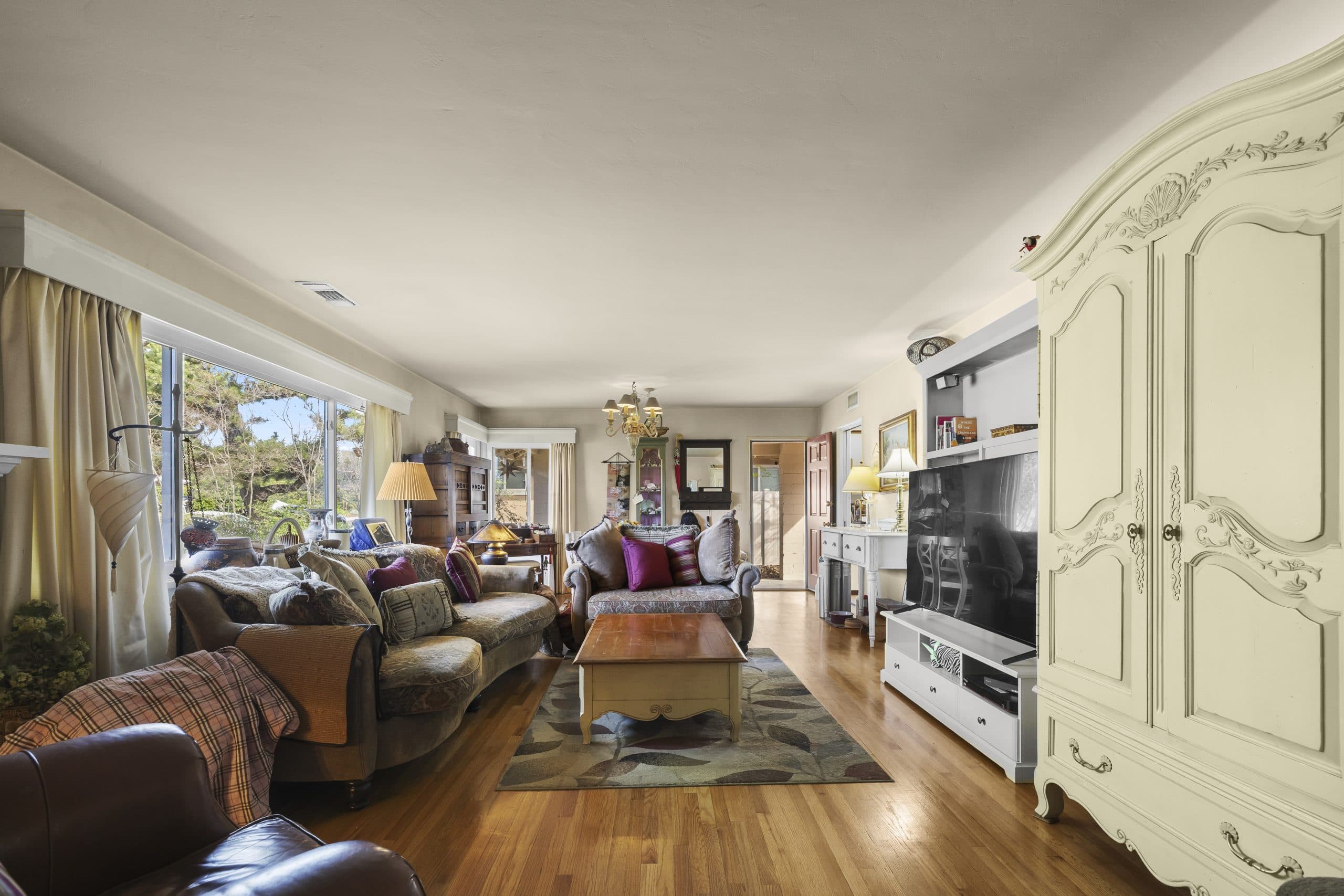
Storage that is real. Curriculum materials, books, supplies, and projects accumulate at a rate that surprises people. Built-ins, closets, and wall space matter more than they do in an ordinary house.
A table, not a desk. Multi-child households run on a surface large enough for several people and a mess. That usually means a dining space that can be dedicated or a room that can hold a large table without ruining the flow of the house.
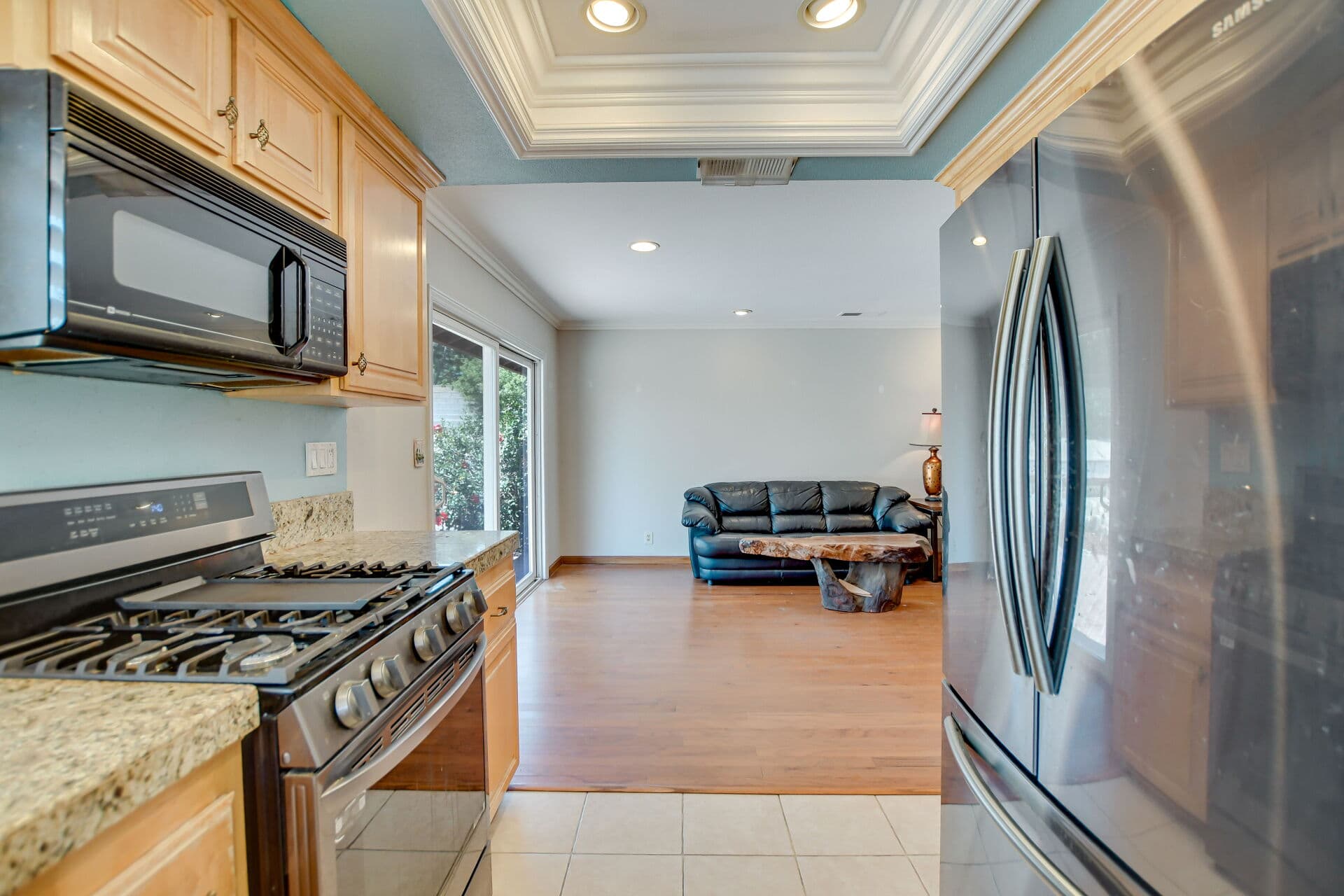
Somewhere the noise goes. Homeschooling households are home all day, often with an adult working. Two quiet zones beat one large one, and a single-volume open plan that looks wonderful at a showing can be difficult to actually work in.
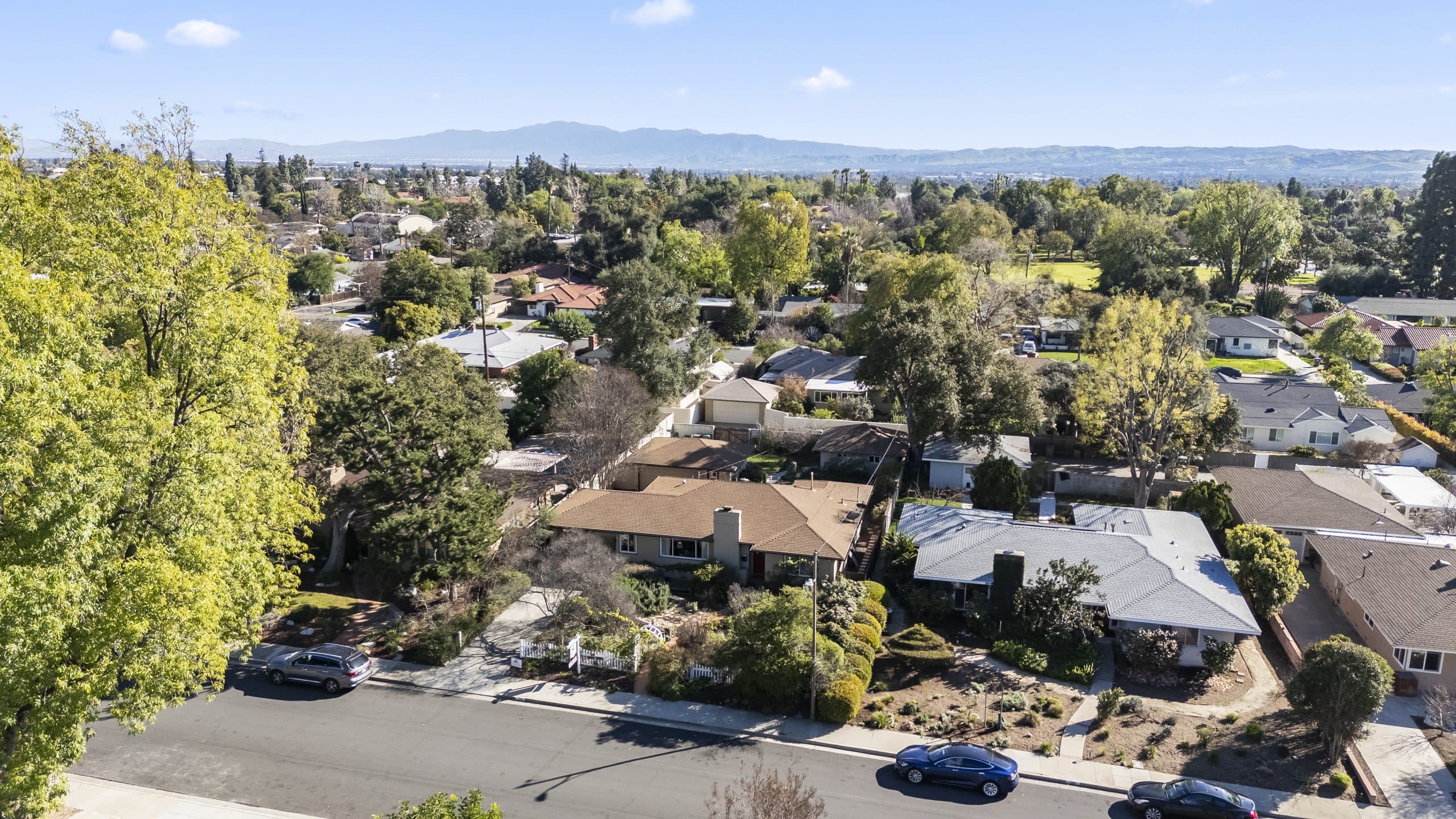
Usable outdoor space. Not for resale reasons. For the middle of the day, every day, which is when this yard gets used and most yards do not.
Light and connectivity. A room that is dim at eleven in the morning is a poor classroom, and a household running instruction, resources, and possibly a parent's work over one connection wants that connection to be sound.
The map opens up, which is the financial upside
Here is the genuine advantage, and homeschooling families should take it deliberately.
School-driven demand is one of the strongest forces in the Claremont market, and homes that serve family buyers well carry that demand in their pricing. A household not searching within an attendance area is not competing for that premium, which frequently means the same money buys a larger house, a better lot, or a home in a part of town a school-constrained family would not consider.
Since the extra room and the bigger table are exactly what this household needs, that trade lands well. The constraint that costs other families money is one this family simply does not have.
Verify anyway
With one caveat I give every homeschooling buyer.
Plans change. Children change. A family homeschooling a seven-year-old may enroll a thirteen-year-old, and the reverse happens too. So confirm the address's current attendance area with Claremont Unified before you write an offer, even though it does not matter today, because it costs one phone call and preserves the option.
Attendance areas are set by the district and can change, and a listing description or portal badge is not an authority on them. That discipline is set out in full in the homebuyer's guide to the district, and it is worth observing even when the school is not the reason for the purchase.
Families who might later enroll should also understand what the district needs from an arriving student, which is covered in records, immunizations, and proof of residency for Claremont enrollment. Districts handle these transitions routinely, and the families who ask early are the ones who are not improvising.
Community, which is the thing this town actually offers
The concern I hear most is not academic. It is social, and Claremont answers it better than most towns its size.
The Claremont Colleges make higher education a visible everyday presence here, with public lectures, concerts, galleries, and science events woven into ordinary life. For a household educating at home, that ambient intellectual infrastructure is genuinely usable rather than decorative, and newcomers can get oriented through the Claremont Colleges for newcomers.
Beyond that: the library, the parks, the Village on a Sunday morning, the trails at the north edge of town, community classes and recreation programs, and the co-ops and groups that homeschooling families form. Where those groups meet and what they currently run is something to ask the groups themselves rather than a website, since they change.
Public school districts in California also administer several arrangements relevant to families educating at home, including independent study options. What Claremont Unified currently offers and what participation involves is a district question worth asking directly, particularly if you want a hybrid rather than a fully independent path.
Testing a house for the actual day
The most useful thing a homeschooling buyer can do at a showing is stop imagining evenings and start imagining eleven in the morning.
Stand in the proposed schoolroom and look at the light. Listen for the road. Work out where a second child goes when the first is being taught. Find the storage. Sit at the table you would actually use. Ask where an adult takes a work call.
Then look at the neighborhood at that same hour, because a household that is home all day experiences a street differently from one that leaves it at eight and returns at six. Traffic, noise, and the rhythm of the block all matter more, and school-run congestion is worth understanding even here, as set out in school drop-off reality and traffic patterns in Claremont.
The order that works
Get the legal requirements from the proper sources. Write the house brief around the actual school day: room with a door, storage, table, quiet zones, yard, light. Search wider than a school-constrained family would, and take the value that opens up. Verify the attendance area anyway. Then view at eleven in the morning rather than six in the evening.
The rest of the school picture for buyers sits on the Claremont schools hub. If your family educates at home and wants a search built around the room rather than the boundary, call me at (909) 731-5374. Anthony Grynchal has been licensed in California since November 2009.
Frequently asked questions
What should a homeschooling family look for in a Claremont house?
A dedicated room with a door rather than a corner of a living room, genuine storage for curriculum and materials, a large work surface rather than a desk, two quiet zones so an adult can work while a child is taught, usable outdoor space for the middle of the day, good light at mid-morning, and a sound connection.
Does homeschooling widen where we can buy in Claremont?
Yes, and it is a real financial advantage. School-driven demand is one of the strongest forces in this market, so a household not searching inside an attendance area is not competing for that premium. The same money often buys a larger house or a better lot, which happens to be exactly what a homeschooling household needs.
Should we still check the school assignment?
Yes. Plans change and children change, and a family homeschooling now may enroll later. Confirming the address's current attendance area with Claremont Unified costs one phone call and preserves the option. Attendance areas are set by the district and can change, and listing descriptions and portal badges are not authorities on them.
Where do I find the legal requirements for homeschooling in California?
From the state's own published requirements and from someone qualified to advise you, not from a real estate site. California provides several distinct legal routes for educating a child outside a conventional public placement, each with its own requirements, records, and reporting. Claremont Unified can also explain any independent study arrangements it currently administers.

Written by
Anthony Grynchal
Anthony Grynchal is a California real estate professional with eXp Realty, licensed since November 2009 (California DRE# 01873626), and the Designated Local Expert™ for Claremont — where he has lived for more than 33 years.
More about AnthonyPublished · Updated