There is a year in a family's life when the house question and the school question fuse into one decision, and in Claremont it is usually the year before kindergarten.
I can predict it in the calls. A family who rented happily for three years suddenly wants to buy. A couple who were relaxed about location suddenly have a map with lines on it. Nothing about their finances changed. Their oldest child turned four.
Why this particular year concentrates so much
Kindergarten is the first moment the address stops being merely where you live and becomes where your child goes. Up to that point a move is logistics. From that point it has a cost measured in friendships and continuity, and families feel that shift keenly even when they cannot articulate it.
So the year before kindergarten becomes the year to get the address right, and a large share of Claremont's family-buyer demand is families doing exactly that at exactly the same time. It is worth naming plainly: you are not the only household organizing a purchase around a five-year-old, and spring and early summer are when that competition is thickest. The wider pattern is covered in why families move here for the district.
The age question, and where to ask it
California sets the rules on kindergarten age eligibility, and the state has also built out a transitional kindergarten pathway whose eligibility has been expanding over recent years. The specifics of who is eligible for what, in which year, are exactly the kind of thing that changes, and getting them slightly wrong can cost a family a whole year of planning.
So ask the district. Claremont Unified can tell you what applies to a child with your child's birthday in the year you are planning for, what the registration window looks like, and how transitional kindergarten fits. Do this BEFORE you build a house search around an assumed start date, because the start date is the thing every other decision hangs from.
The verification that has to happen before the offer
Here is where kindergarten families take the most damage, because the emotional stakes make it easy to skip a phone call.
Attendance areas are set by Claremont Unified. They can change. Two homes on nearby streets can be served by different campuses. A listing that names a school is telling you what the seller or their agent believes, and a portal badge is telling you what a data feed guessed.
None of that is authority. Before you write an offer on a house you are choosing for a specific elementary campus, confirm the address's current attendance area and enrollment requirements with the district directly. One call. It is the cheapest insurance in the entire transaction, and it is the single most common thing families skip.
The same caution applies in reverse. Do not rule out a house because a website assigned it to a school you had not considered, without confirming that too.
Sequencing the purchase against the registration window
Two clocks again, and they run at different speeds.
Registration windows for the coming year sit on the school calendar, often well before the year begins. Escrows sit on the market. A family who wants a child starting kindergarten in a specific attendance area is trying to have a residency they can document by the time the district needs it, which is not the same date as their closing.
The practical move is to ask the district for two things at once: the registration timeline and the residency documentation requirements. Then set them against a realistic closing and possession date. If they conflict, say so out loud during the offer, because possession dates and rent-backs negotiate far better as a stated need at the start than as a complication three weeks in. The interaction between the academic year and a transaction is mapped in the school calendar and family move timeline.
Buying now versus renting one more year
This is a genuine fork and I do not push families down either branch.
Buying before kindergarten gets the address settled at the start, which is worth a great deal to some families. Renting one more year buys information: a year of living in town, seeing campuses at drop-off, learning which streets you actually like, and settling the school question without a mortgage attached to a guess. Families relocating from a distance in particular often find the second path calmer, and the trade is worked through in renting versus buying for school access.
What I do push families away from is the middle: a rushed purchase in an unfamiliar part of town, on an assumed school assignment, in the four weeks before a registration deadline. That combination produces the regrets I hear about years later.
What to look at in the house itself
Kindergarten families weight a house differently, and the weighting is worth being deliberate about.
The morning route matters more than the map distance, and it deserves an actual drive at an actual school-run hour rather than a glance at a listing. Whether a route can eventually be walked, and under what conditions, is a question of sidewalks and crossings rather than radius, and it is examined properly in walk-to-school homes in Claremont.
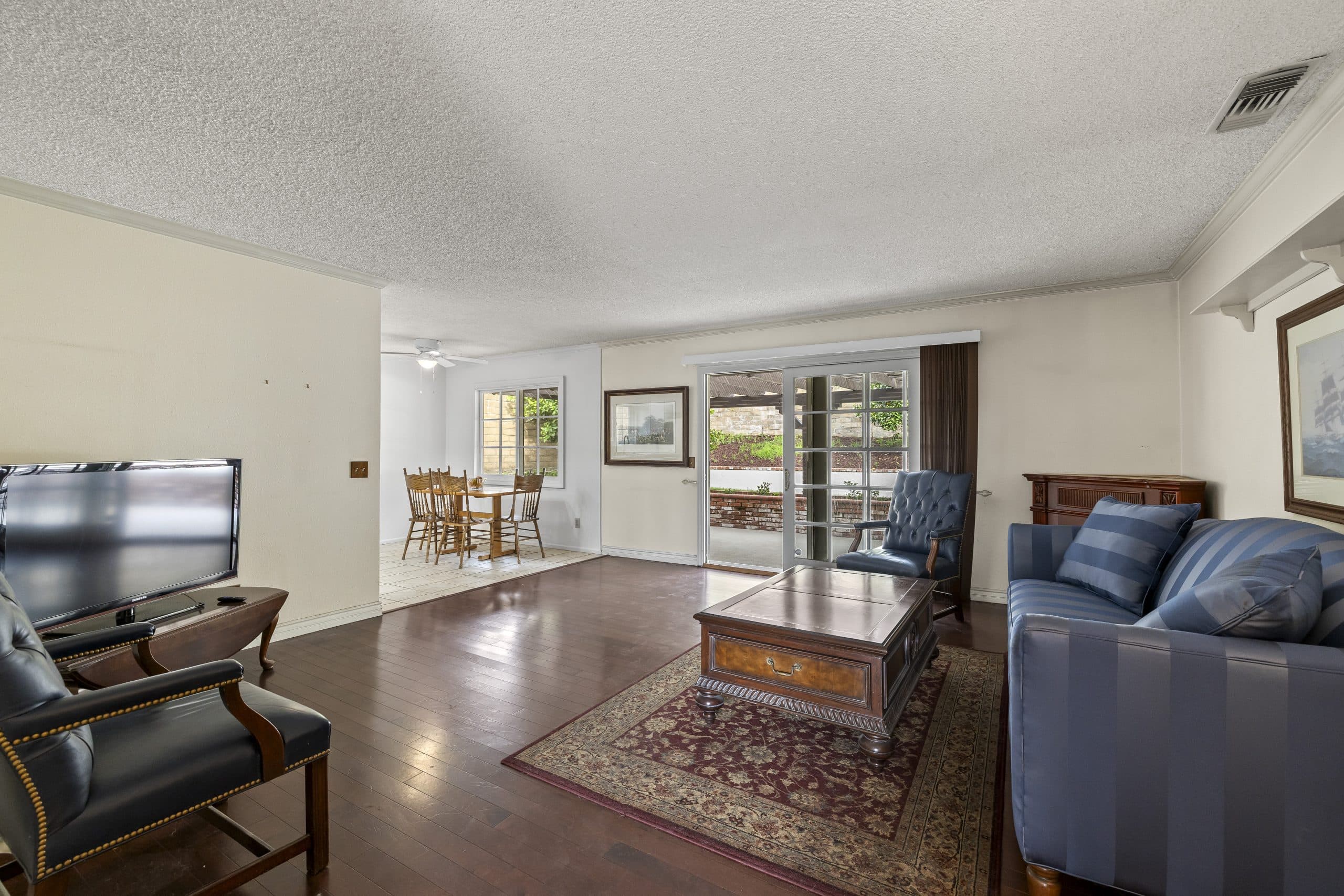
Then the ordinary things that a family with a five-year-old will live with for a decade: where a child does homework, where the noise goes, whether the yard is usable, how the house handles two adults working and one child at home on a sick day.
The order that prevents regret
Ask the district about age eligibility and the registration window. Decide honestly between buying now and renting a year. Shortlist by neighborhood, then verify each candidate address's assignment with the district. Drive the school run at school-run time. Negotiate possession around the residency documentation, not the other way round. Then write the offer.
The rest of the school picture for buyers is on the Claremont schools hub. If you are planning a kindergarten-year move and want the timeline built properly, call me at (909) 731-5374. Anthony Grynchal has been licensed in California since November 2009.
Frequently asked questions
When should a family move if a child is starting kindergarten?
Work backwards from two district dates rather than from a preferred month: the registration window for the coming year and the point at which the district needs documented residency. Ask Claremont Unified for both, then set them against a realistic closing and possession timeline. Families often aim for a summer move, which is also when family-buyer competition is heaviest.
How do I know which elementary school a Claremont house feeds?
Confirm it with Claremont Unified before you write an offer. Attendance areas are set by the district and can change, nearby addresses can be served by different campuses, and a listing description or portal badge is not an authority. One call to the district's enrollment office settles it, and it is the cheapest insurance in the whole purchase.
What about transitional kindergarten?
California has a transitional kindergarten pathway and its eligibility has been expanding in recent years, so what applies to a child with a particular birthday in a particular year is exactly the sort of detail that changes. Ask the district what applies to your child in the year you are planning for, before you build a house search around an assumed start date.
Should we rent for a year instead of buying before kindergarten?
It is a legitimate choice, particularly for families relocating from a distance. Renting a year buys information: time in town, campuses seen at drop-off, and the school question settled without a mortgage attached to a guess. Buying first settles the address sooner. What is worth avoiding is a rushed purchase on an assumed assignment weeks before a deadline.

Written by
Anthony Grynchal
Anthony Grynchal is a California real estate professional with eXp Realty, licensed since November 2009 (California DRE# 01873626), and the Designated Local Expert™ for Claremont — where he has lived for more than 33 years.
More about AnthonyPublished · Updated