
Somewhere in the middle of a short-sale review, a stranger walks the property with a clipboard or a phone camera and spends less time there than a home inspector would. That visit produces the document the whole approval quietly turns on: the lender's own opinion of what the house is worth.
Sellers usually hear the acronym before they hear the explanation. BPO — a BROKER PRICE OPINION — is a valuation prepared by a licensed real estate broker or agent for the lender, and it is the lender's way of testing whether the offer on the table reflects the real market or a bargain arranged between friends. Sometimes a full appraisal is ordered instead. Either way, the principle is identical: the lender does not take the seller's word for the value, and it does not take the buyer's.
This article explains how that valuation works, what it does and does not consider, and what a seller can legitimately do about it. It deepens the short-sale guide. The standing rules hold: a HUD-approved housing counselor is free and is the first call, no one legitimate charges an upfront fee for foreclosure or short-sale help, and legal and tax questions belong with an attorney and a CPA rather than with an article.
Why the lender orders one at all
A short sale asks a lender to accept less than it is owed. Before agreeing, it has to satisfy itself of two things: that the shortfall is real, and that the price is genuinely what the market will pay.
Those are the same question from two directions, and the valuation answers both. If the opinion of value lands near the offer, the file makes sense — the market spoke, the offer reflects it, and the loss is the loss. If the opinion lands materially above the offer, the reviewer's reasonable conclusion is that the home was underpriced, undermarketed, or sold to the wrong person, and the counter-offer that follows will reflect that.
This is also why the marketing evidence in the seller's file matters so much. Days on market, price history, showing activity and other offers received are the record that says the price was tested. A price arrived at without exposure to the market is a price the lender has no reason to believe.
What a broker price opinion actually is
A BPO is prepared by a licensed broker or agent, not by a state-licensed appraiser, and it is a narrower product than an appraisal. It typically involves recent comparable sales, current competing listings, a description of the property's condition, and an opinion of value both as-is and, sometimes, as repaired.
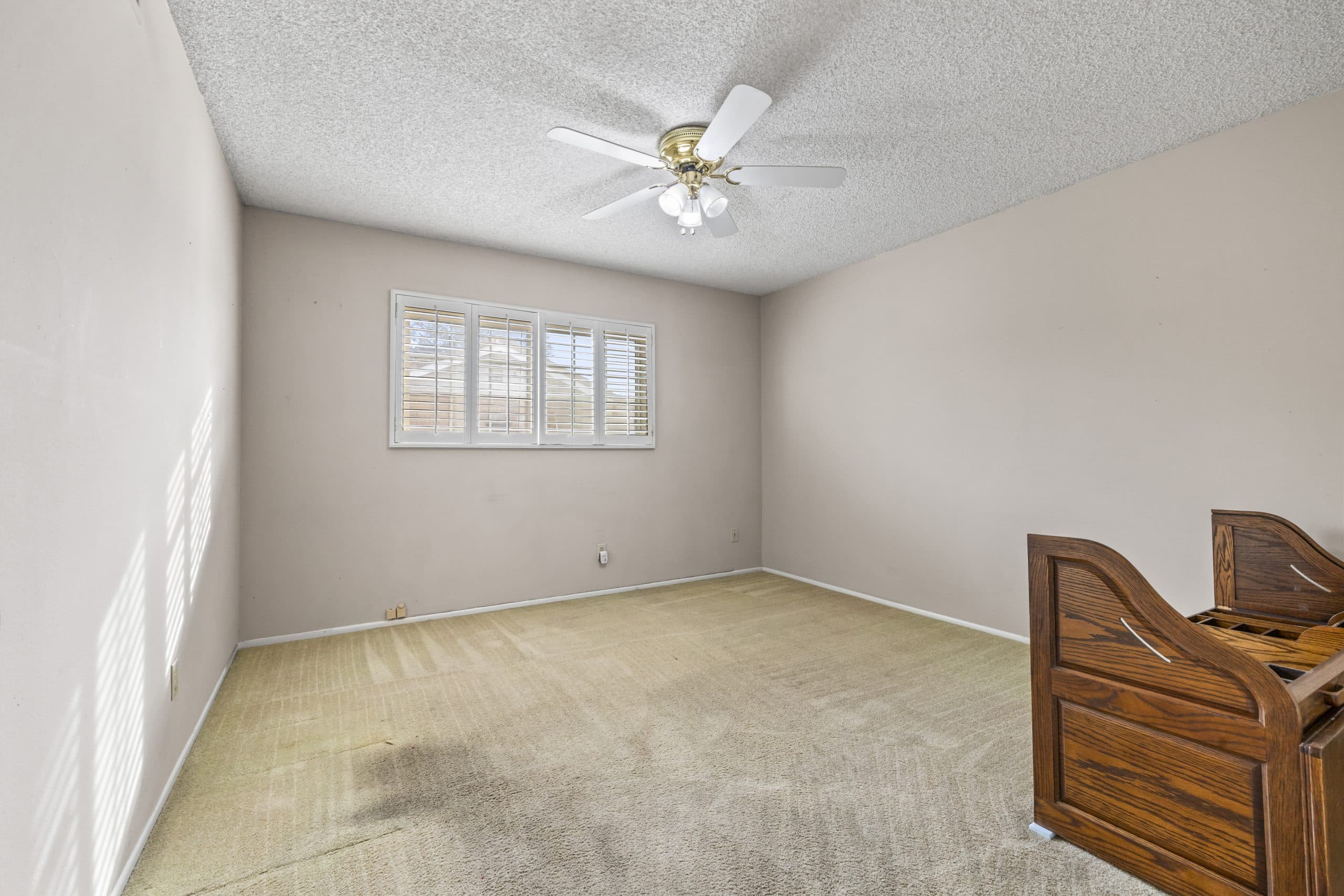
Some are EXTERIOR ONLY — a drive-by, with the value drawn from the outside of the home and from data. Others are INTERIOR, with a walk-through. Which one is ordered is the lender's decision, not the seller's, and an interior visit is generally the better outcome for a seller whose home has genuine condition issues, because those issues are otherwise invisible.
An appraisal, when one is ordered instead, is a more formal and more thoroughly documented product prepared by a licensed appraiser. Neither is a negotiation. Both are opinions of value, and both can be reconsidered when there is a factual reason.
What a seller can honestly do
The line here is worth stating plainly, because the internet's advice on this topic drifts across it constantly. A seller may not stage the impression of distress, may not exaggerate defects, and may not attempt to talk the valuation down. That is misrepresentation aimed at a lender, and it sits close to the conduct described in the fraud article.
What a seller may absolutely do is make sure the person forming the opinion has ACCURATE INFORMATION. That is not a loophole; it is the entire legitimate contribution available.
Be present, or have your agent present. Provide a written list of the property's real condition issues — deferred roof work, plumbing that has failed before, foundation or drainage concerns, permit history that is incomplete — with any contractor estimates you actually hold. A defect that exists but is not seen is a defect the value does not reflect.
Provide the comparable sales your agent used to price the home, with a note on why each one is relevant. A visiting broker who does not work this pocket of Claremont daily may not know that two streets can behave differently, or that a nearby sale involved a lot with a constraint yours does not have.
Provide the marketing history. Showings, feedback, price adjustments, offers received and lost. It is evidence, and it is yours.
Do not clean the house into a different property, and do not let it decay to make a point. Present it accurately. Accuracy is the whole strategy.
When the number comes back high
It happens, and it is not the end of the file. A valuation can rest on comparables that are genuinely inapt, on an exterior view that missed a real condition problem, or on a simple data error about square footage or bedroom count.
The response is a written, factual reconsideration request: the specific comparables you believe are wrong and why, the specific comparables you believe are better, the condition evidence with estimates attached. Servicers vary in how they handle these, and some will order a second opinion. An experienced listing agent has done this before, which is one of the practical reasons short-sale experience matters more than enthusiasm.
What nobody can offer is a promise. No one can guarantee that a reconsideration succeeds, that the lender will approve the sale, or that any particular figure will be accepted. The approval machinery involves the servicer, the investor behind the loan, possibly a mortgage insurer, and every junior lienholder, and the valuation is one input into that machine.
Keeping perspective
A valuation that comes back above the offer sometimes carries genuinely good news buried inside it. If the home is worth more than the seller believed, the household may not be short at all — and an owner with equity has an ordinary sale, keeps the proceeds, and does not need a lender's permission for anything. That is a materially better outcome than a short sale, and it is worth confirming before anyone assumes the worse case.
The other alternatives stay open too. Reinstatement, a modification, a forbearance plan, or simply selling may each be the better answer, and a housing counselor will walk through them without a commission at stake.
To continue, the short-sale guide is the map, and the step-by-step process shows where the valuation sits in the wider sequence.
Anthony Grynchal has been licensed in California since November 2009.
Frequently asked questions
What is the difference between a BPO and an appraisal?
A broker price opinion is prepared by a licensed real estate broker or agent and is a narrower product: comparable sales, competing listings, condition and an opinion of value. An appraisal is a more formal, more fully documented product prepared by a state-licensed appraiser. A lender may order either when reviewing a short sale.
Can I be present when the lender's valuation is done?
Usually, and it is generally worth doing, or having your agent attend. The legitimate purpose is to make sure the person forming the opinion has accurate information about condition, comparable sales and marketing history. Misrepresenting the property to influence the value is fraud, not strategy.
What happens if the valuation comes back above our offer?
The lender will typically counter or decline at that price. The response is a written reconsideration request setting out factual errors, better comparables and documented condition issues with estimates. Servicers handle these differently and no outcome can be promised.
Does a high valuation mean the short sale is dead?
Not necessarily, and sometimes it carries good news. If the home is genuinely worth more than assumed, you may not be short at all, in which case an ordinary sale with equity intact is a better outcome and needs no lender approval. Confirm the numbers before assuming the harder path.

Written by
Anthony Grynchal
Anthony Grynchal is a California real estate professional with eXp Realty, licensed since November 2009 (California DRE# 01873626), and the Designated Local Expert™ for Claremont — where he has lived for more than 33 years.
More about AnthonyPublished · Updated