The business nobody drives to
An online business is the one small business where visibility is worth nothing. No customer will ever see the premises, which means every dollar spent on frontage, charm, or district identity is a dollar spent on the wrong thing.
What an e-commerce operation needs instead is space that works: somewhere to hold stock, somewhere to pack, a door that a courier can reach, and a legal basis for doing it there. Those are unglamorous requirements, and they are exactly the ones that get overlooked because the business feels like it lives on a laptop.
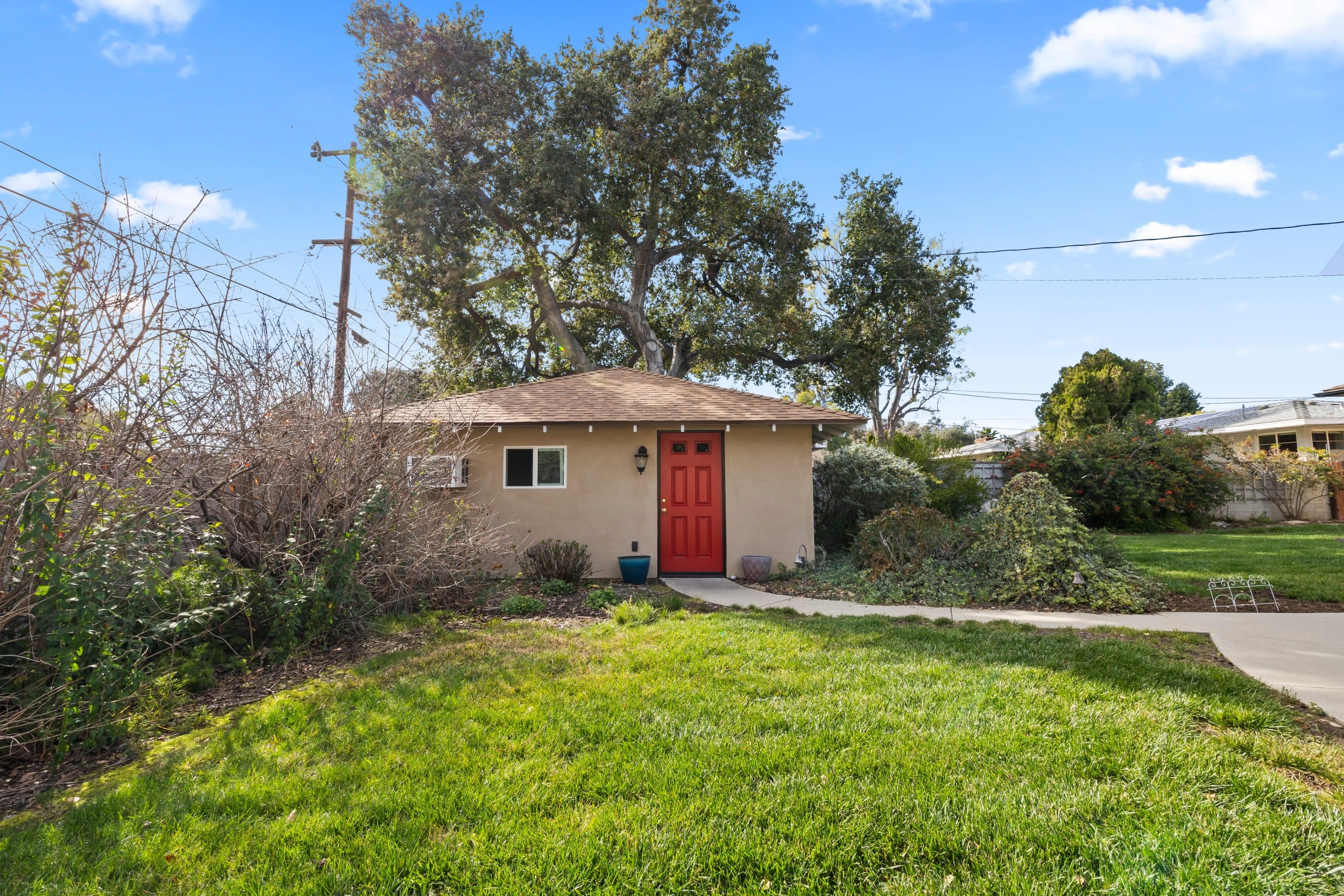
It starts at home, and that is fine until it is not
Most online businesses begin in a spare room. Home occupation rules generally permit that, within limits covering customer visits, signage, employees, storage, and the impact of deliveries and pickups on the neighbourhood.
Those limits are where online businesses trip. Freight deliveries, daily courier collections, stock filling a garage, and packing operations running late can move an activity from quiet to conspicuous without any decision being made. Read the actual rules rather than assuming, and see home-based businesses for how those boundaries usually work.
Registration still applies. Operating a business from a home does not exempt it from a city business licence, a state seller's permit for taxable sales, or employer registration if you hire. Our licences and permits checklist covers the categories.
The signals that you have outgrown the house
You do not need a formal analysis. Watch for these.
Stock has taken a room the household needed. Pallets or freight cannot be received without blocking something. You are collecting parcels rather than having them collected. Somebody who is not family is working there. Vehicles associated with the business are parked on the street daily. You are turning down volume because there is nowhere to put it.
Any two of those together usually mean the next step is space, and it is better to plan it than to be forced into it.
What to look for in fulfilment space
The brief is different from a shop or an office, and it is worth writing down before you tour anything.
Loading. Can a delivery vehicle actually get to the door? A roll-up door or a loading area is worth more than the same square footage with three steps and a narrow entry.
Clear height and racking. Storage is a volume problem, not a floor-area problem. Height is often the cheapest capacity you can buy.
Floor and access. Pallet jacks and hand trucks need level, sound floors and doorways that accommodate them.
A packing area with power and light. Printers, scales, and label equipment need a workspace, not a corner.
Security and climate. Inventory is money sitting still. Some of it will not tolerate summer heat in an uninsulated unit.
Parking for staff, not customers. A rare case where street presence is irrelevant and worker access is not.
Because visibility is worthless, this is the use best served by the least glamorous, most workable space available. The district characteristics are compared in choosing a location.
Confirm the use is permitted
Storage and fulfilment are not the same use as retail, and a landlord's enthusiasm is not an approval. Ask the City of Claremont whether warehousing, storage, and shipping activity are permitted at the specific address, and disclose what you actually intend to do, including hours, freight, and any equipment.
If you intend to sell to walk-in customers at the same site, say so, because adding a retail component changes the analysis and brings accessibility obligations with it.
Third-party fulfilment as an alternative to a lease
Outsourcing storage and shipping to a fulfilment provider is a legitimate alternative to taking space, and for some businesses it is the better one. It converts a fixed commitment into a variable cost and removes the property problem entirely.
It also introduces a contract, so read it. Term, fees, minimums, liability for loss or damage, insurance, what happens on termination, and how quickly you can retrieve your inventory all matter. Have an attorney look at anything with real money or real stock behind it.
The comparison is not just cost. It is control, flexibility, and how much your product tolerates being handled by someone else.
Short-term and shared storage
Between a spare room and a warehouse there is a middle: shared warehouse space, small industrial units, and storage arrangements. These can be useful bridges, but confirm what is actually permitted at the facility, whether business operations rather than pure storage are allowed, and whether your insurance covers stock held there.
Do not run a fulfilment operation out of a facility whose rules do not allow it. It works until it does not, and then your inventory is the hostage.
Lease terms that matter when the business is inventory
Have an attorney check the permitted use language, the hours of access, whether the landlord permits racking and any modifications, who is responsible for the roof and for water intrusion, the insurance requirements, and the condition you must return the unit in.
Water damage deserves special mention. In a space full of cardboard, a roof leak is not an inconvenience, it is a loss, and the lease decides who carries it. Our leasing guide covers how those responsibilities are usually allocated.
Tax and multi-state selling are professional questions
Selling online to customers in other states can create obligations beyond your home state, and those rules are technical and change. This is a CPA question and it should be asked before the volume arrives rather than at the first filing deadline that goes wrong.
The same goes for how you hold the business. Structure is an attorney and CPA question, and it is easier to set up correctly than to unwind.
Where to route it
Permitted use, home occupation limits, and building questions go to the City of Claremont. Seller's permits, employer registration, and sales tax go to the state. Contracts, structure, liability, and accessibility go to an attorney. Multi-state tax and books go to a CPA.
My part is the space: whether a building suits fulfilment lawfully and practically, and whether leasing, sharing, or outsourcing serves you better at your current volume.
More on the small business hub, and if you make what you sell, read makers and artisans. Anthony Grynchal has been licensed in California since November 2009.
Frequently asked questions
Can I run an online business from a Claremont home?
Often yes, within home occupation rules covering customer visits, signage, employees, storage, and delivery impacts on the neighbourhood. Freight, daily collections, and stock overflowing into shared areas are what typically exceed those limits.
Do I still need a licence if I only sell online?
Operating from a home does not exempt a business from registration. A city business licence, a state seller's permit for taxable sales, and employer registration if you hire may all apply. Confirm the specific list with each body.
What should I look for in fulfilment space?
Loading access a delivery vehicle can use, clear height for racking, sound level floors, a lit and powered packing area, security and climate suitable for your stock, and staff parking. Street visibility is worth nothing here.
Is third-party fulfilment better than leasing space?
It can be, since it converts a fixed commitment into a variable cost and removes the property problem. Read the contract carefully for term, fees, liability for loss, insurance, and how quickly you can retrieve inventory.

Written by
Anthony Grynchal
Anthony Grynchal is a California real estate professional with eXp Realty, licensed since November 2009 (California DRE# 01873626), and the Designated Local Expert™ for Claremont — where he has lived for more than 33 years.
More about AnthonyPublished · Updated