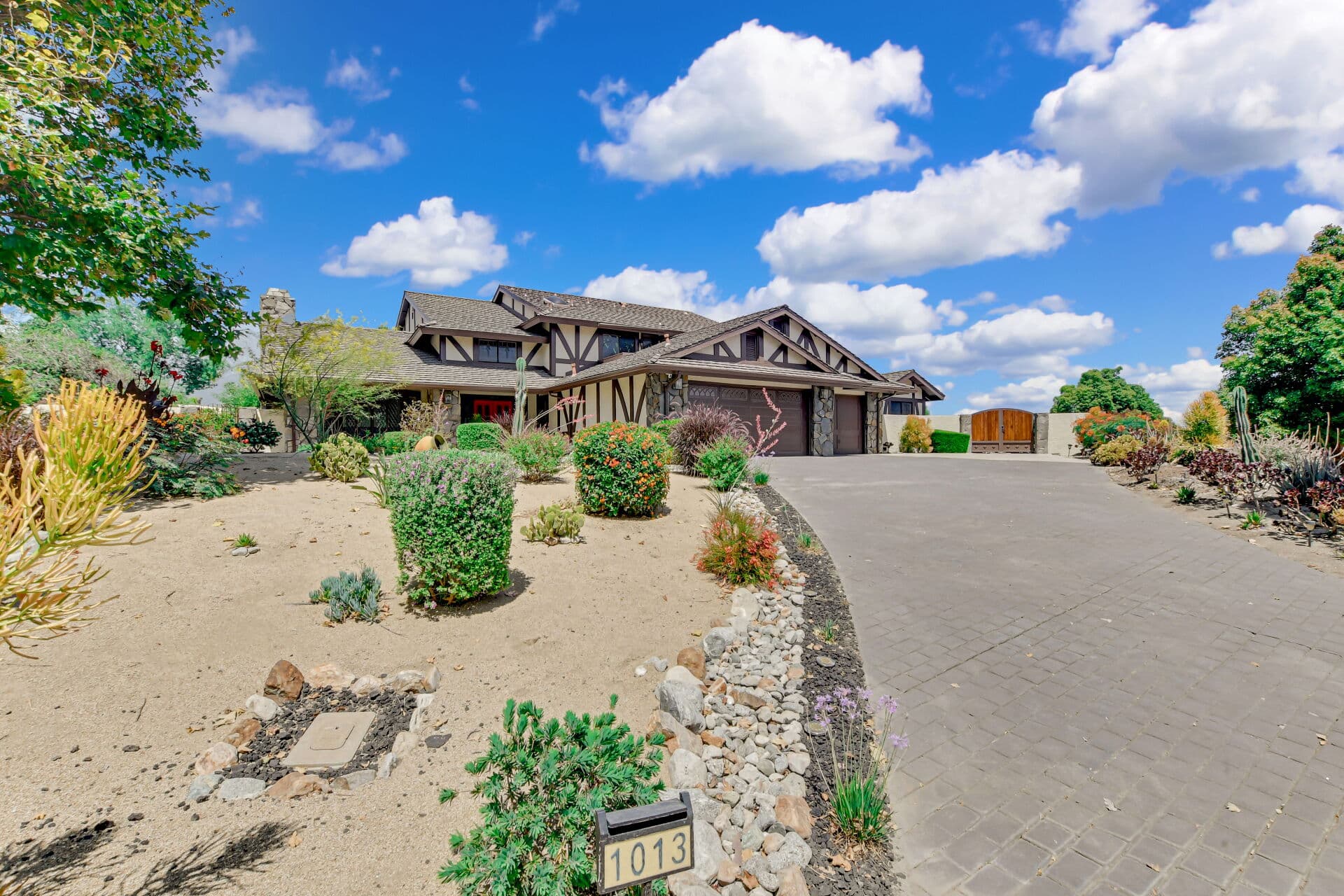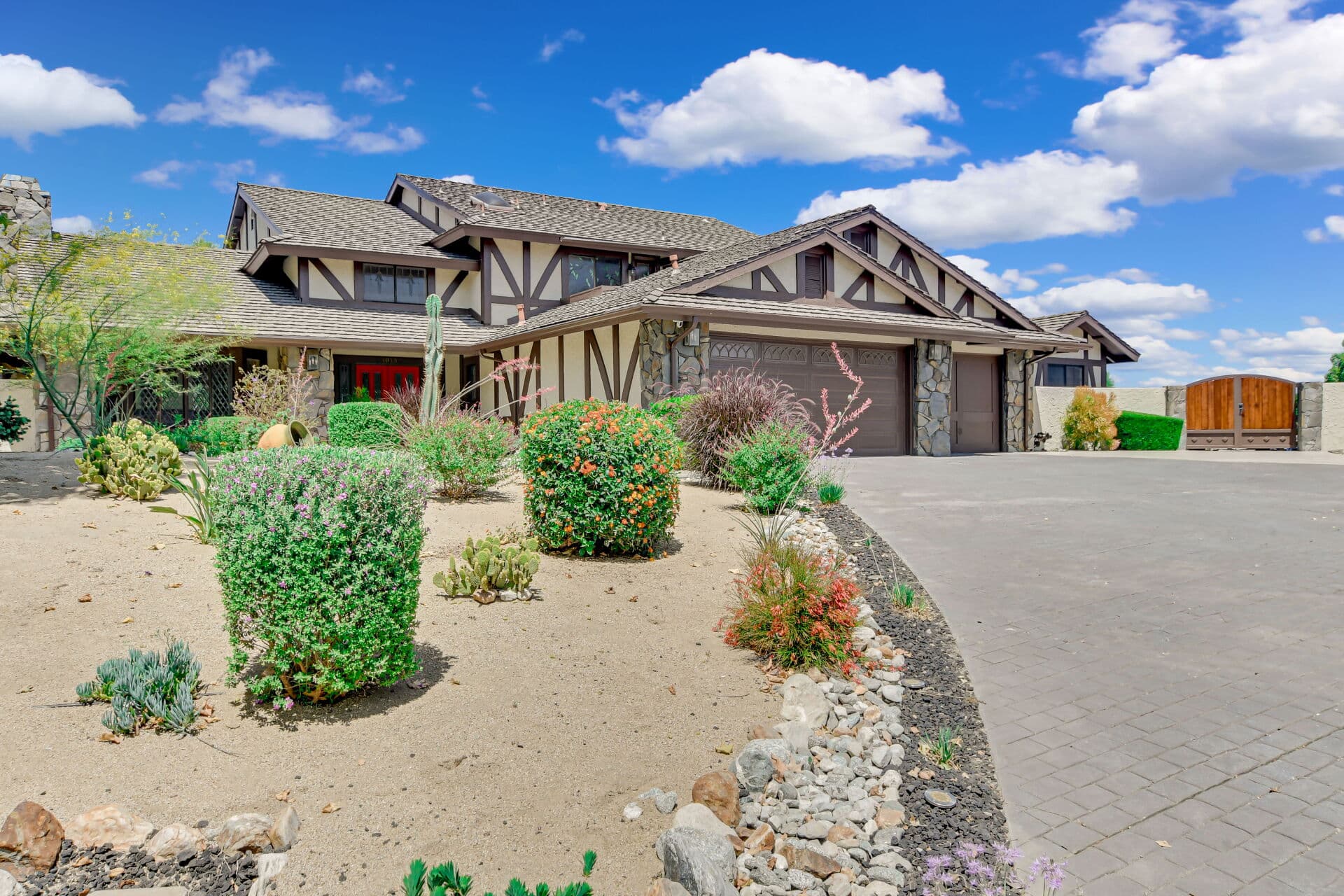
Claremont lots grow old landscapes. Mature trees, decades-old shrub beds, lawn that was installed when lawn was the default, and an irrigation system that has been patched by four owners in sequence. Into that arrives a connected controller, promising to water the yard correctly.
It can. But the controller is the newest and smallest part of the system it is joining, and the honest framing is that a smart controller manages an irrigation system - it does not repair one.
What the controller actually does
Weather-based scheduling is the core. Instead of running a fixed program regardless of conditions, the controller adjusts to recent and forecast weather, skipping or shortening cycles after rain and stretching them during heat. On a landscape that has been running the same program on a mechanical timer for twenty years, this alone is most of the benefit.
Zone-aware programming is the second half, and it is the half owners neglect. A good controller asks about each zone: what is planted, what kind of emitter, what soil, what slope, how much sun. Answer those honestly and the schedule becomes specific. Skip the questionnaire and accept the defaults, and you have an expensive timer.
Remote control matters more than it sounds. Shutting the system off from a phone while a plumber is working, or while the house sits vacant during a listing, is a real convenience. So is a notification that a cycle did not run.
The parts it inherits
VALVES are the first constraint. The controller sends a low-voltage signal; a solenoid on an in-ground valve opens. Those valves are often as old as the landscape, and a valve that weeps or sticks will do exactly that under smart control. A new controller frequently exposes valve problems that a crude schedule was masking.
WIRING is the second. Multi-conductor irrigation wire buried decades ago corrodes at splices, and a zone that works intermittently is usually a wire fault, not a controller fault. Diagnose before replacing.
EMITTERS are the third. A zone that mixes spray heads with drip line cannot be scheduled correctly by anyone, smart or not, because the two deliver water at wildly different rates. Sorting mixed zones is landscape work, not technology work, and it is usually the single highest-value fix on an older Claremont yard.
Sensors worth adding, and one worth skipping
A rain or weather sensor is the cheapest honest addition, and many local water agencies expect one on a modern install; confirm current requirements with your provider rather than assuming.
A FLOW SENSOR is the one that earns its keep on an older system. It measures how much water is actually moving and can shut a zone down when flow spikes - which is what a broken lateral line or a sheared sprinkler head looks like. On a large lot where a break can run unnoticed for days, that is meaningful protection, and it belongs in the same mental category as the indoor devices covered in the leak sensor guide.
Soil moisture probes are the ones to be skeptical about on a mixed landscape. A single probe reports one spot; a yard with turf, mature trees, and a shaded bed has three different moisture stories. They are useful on uniform zones and misleading everywhere else.
Mature trees are the local complication
Claremont's canopy is one of the reasons people buy here, and established trees do not want the same water schedule as anything else on the lot. Their roots are deep and wide, often extending well past the visible canopy edge, and they generally want infrequent, deep, slow irrigation rather than the short frequent cycles that keep lawn green.
When a lawn zone is the only thing watering a mature tree, an aggressive water-saving schedule can stress a tree that took decades to grow. That is a real risk of enthusiastic automation. If a controller is being installed on a lot with significant trees, treat the tree water as a deliberate decision rather than a byproduct of the lawn program, and get an arborist's read if the trees are important.
Connectivity at the side yard
The controller is usually mounted in a garage, a side yard, or an exterior enclosure - which is to say, at the edge of the wireless coverage of a house whose router sits in the middle. Controllers that lose their connection fall back to a stored schedule, which is fine, but they stop adjusting to weather and stop reporting, which defeats the purpose. This is a coverage problem with a coverage solution; the mesh network guide covers how larger lots get signal to their perimeter.
What happens at a sale
The controller is mounted and wired, so it reads as part of the irrigation system and stays. The account behind it is a separate object and has to be released, along with the zone programming that represents the only record of what is planted where.
A seller who hands over a zone map - even a hand-drawn one on paper - gives the buyer something genuinely valuable. Zone 4 is the front lawn, zone 7 is the drip in the raised beds, zone 9 has not worked in years. That page is worth more to the next owner than the controller.
Also disclose honestly if a valve is known bad or a zone is dead. An automated system that appears to work and quietly does not is a worse handover than a manual one that is understood.
The order of operations
Fix the system, then automate it. Walk every zone with the water on, mark the broken heads, sort the mixed zones, replace the failing valves, and only then install a controller that can schedule a system worth scheduling. Doing it in the other order is how people conclude that smart irrigation does not work.
For the rest of the cluster - what buyers notice, what transfers, and what to check before you buy a house full of it - start with the smart-homes guide, and read the pre-purchase inspection walkthrough if you are inheriting someone else's system. Anthony Grynchal has been licensed in California since November 2009.
Frequently asked questions
Will a smart controller save water on an old irrigation system?
Only if the system underneath is sound. Weather-based scheduling helps, but broken heads, weeping valves, and zones mixing spray with drip waste far more water than a schedule can recover. Repair the system first, then automate it.
Do I need a flow sensor?
On a large or older lot it is the most useful addition. It measures actual water movement and can shut down a zone when flow spikes, which is what a broken lateral line looks like. On a big property a break can otherwise run unnoticed for days.
Can aggressive water saving hurt mature trees?
Yes. Established trees want infrequent, deep, slow watering and often depend on a lawn zone that a water-saving program cuts back. Treat tree water as a deliberate decision, and consult an arborist if the trees matter to the property.
What should a seller hand over with an irrigation controller?
The account released, plus a zone map naming what each zone waters and which zones have known problems. That page is worth more to the next owner than the controller itself, and it prevents an automated system quietly failing unnoticed.

Written by
Anthony Grynchal
Anthony Grynchal is a California real estate professional with eXp Realty, licensed since November 2009 (California DRE# 01873626), and the Designated Local Expert™ for Claremont — where he has lived for more than 33 years.
More about AnthonyPublished · Updated