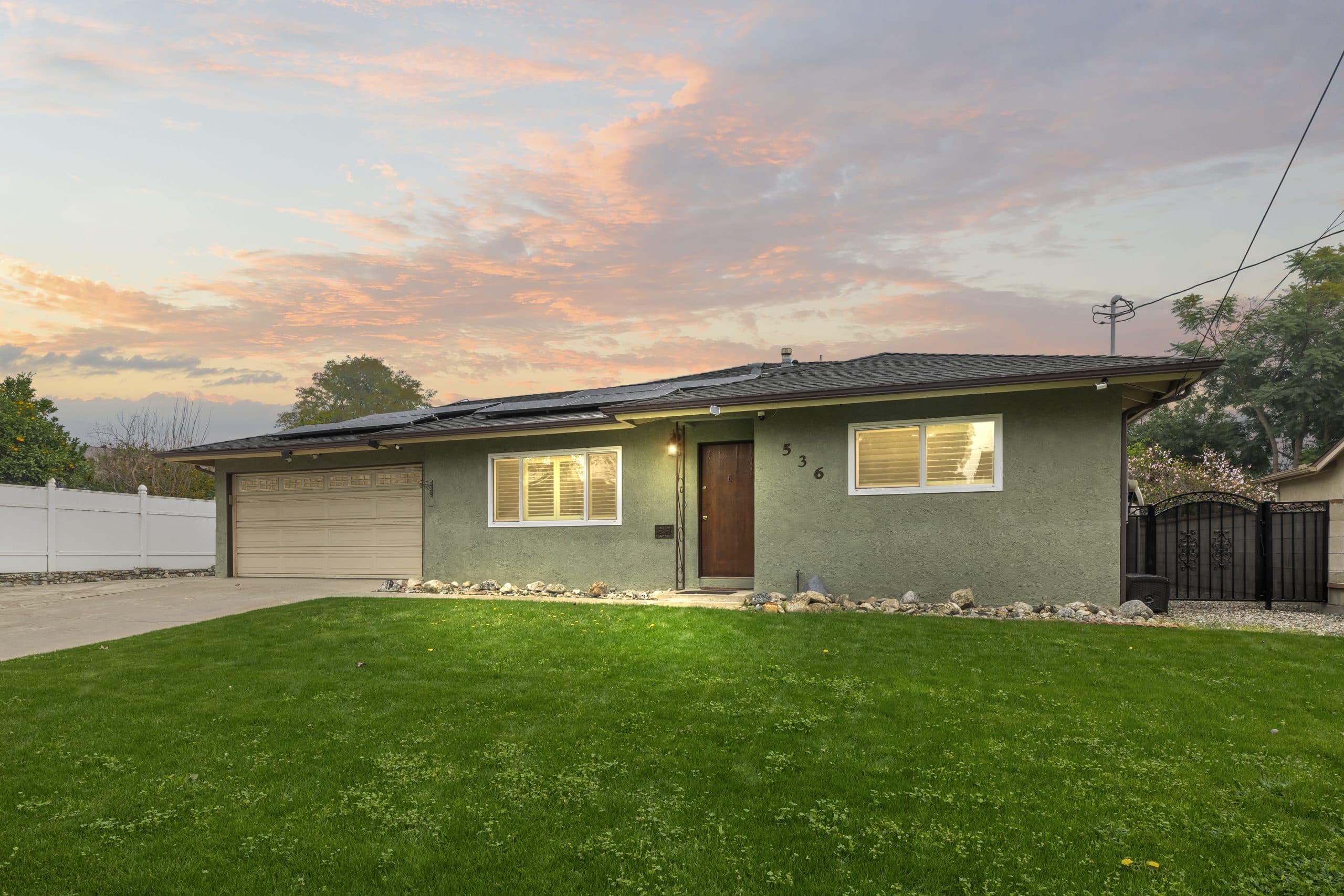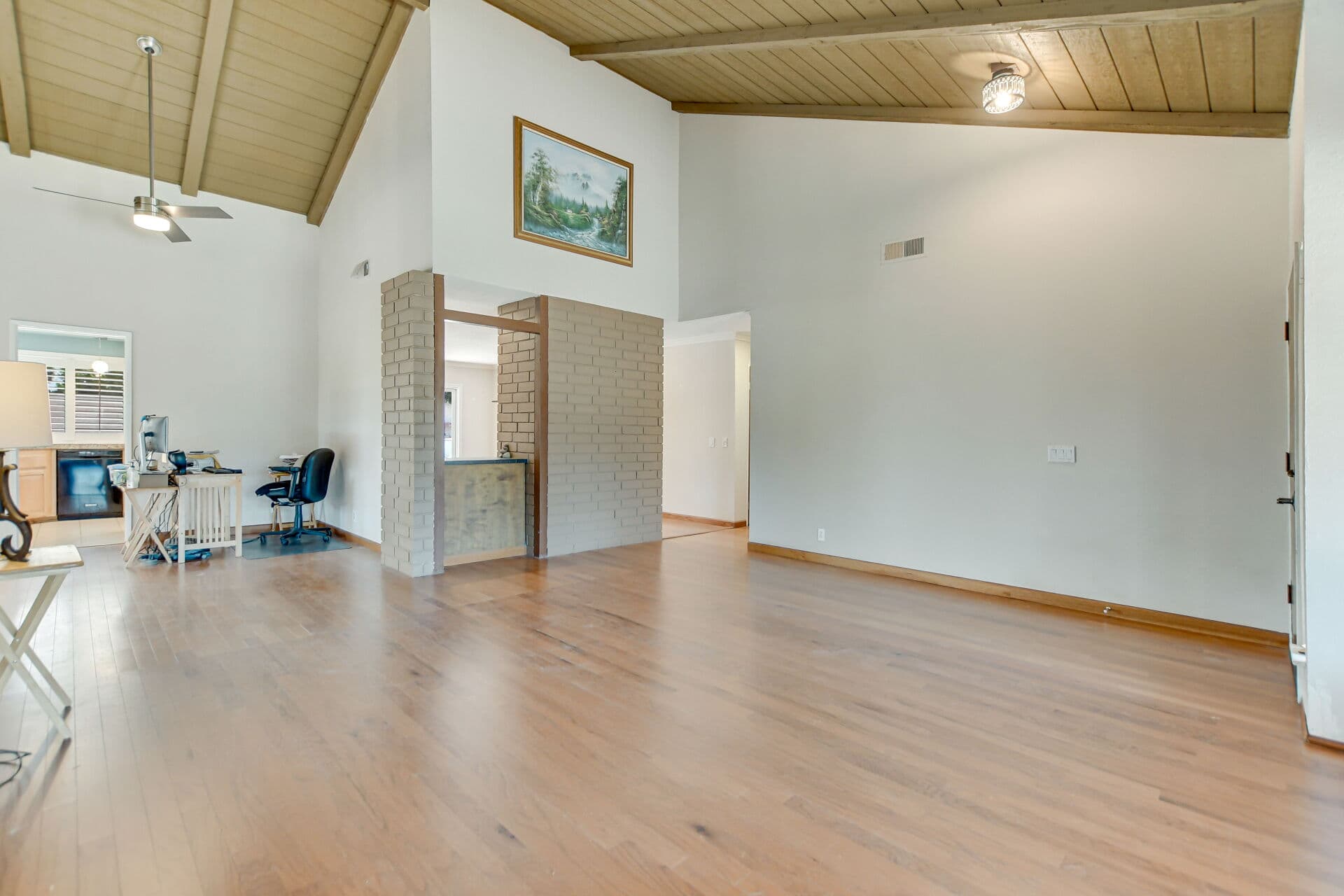
An owner who has solar and decides to rent the house out usually discovers the central problem within one billing cycle, and it is not a maintenance problem.
It is this. The array is attached to the house. The benefit of the array flows to whoever holds the utility account. In most residential tenancies, that is the tenant.
So the landlord owns the equipment, carries any payment associated with it, bears the maintenance and the roof consequences, and the person enjoying the reduced bill is somebody else.
That is not a flaw in solar. It is a structural feature of how the benefit is delivered, and a landlord who has not thought about it has effectively made a gift they did not intend to make.
Follow the account
Everything downstream depends on one question: who is the utility customer at that service address.
Where the TENANT holds the account, the tenant is billed for what the household consumes and receives the benefit of what the system produces. The landlord's connection to the array is purely as owner of the hardware.
Where the LANDLORD holds the account and provides electricity as part of the tenancy, the benefit lands with the landlord, and the rent is where the arrangement is priced. That structure has its own legal and regulatory considerations, including how charges to a tenant for utilities may be handled, and those are questions for a landlord-tenant attorney and the utility rather than assumptions.
Neither structure is inherently correct. What is incorrect is drifting into one of them without deciding.
The payment obligation stays with the owner
Where the system is leased or supplied under a service agreement, there is a monthly obligation and a contract behind it.
That obligation belongs to the party who signed it. It does not become the tenant's because the tenant lives in the house. Whether any part of it can be passed through in the rent, and how that must be documented, is a drafting question with legal consequences, and it is one to put to counsel before writing a lease rather than after a dispute.
The terms themselves also matter here, particularly any escalation over time, because a landlord holding a long agreement is carrying a cost that may move on its own schedule while rent moves on another. Reading those terms carefully is the subject of the lease reading guide.
Where the system is owned outright, the landlord's position is simpler: an asset with maintenance obligations and no monthly payment. The difference between those two positions is exactly the split described in the owned versus leased guide, and it matters more in a rental than in an owner-occupied home, because the person paying and the person benefiting are already different people.
Nobody is watching the array
This is the operational risk, and it is underrated.
A solar system does not announce a failure. It quietly produces less. An owner-occupant might notice the bill and investigate. A tenant has no baseline, no reason to expect any particular figure, and no obligation to care. A failed inverter can sit unreported for a very long time in a rental.
The remedy is that the landlord keeps monitoring access and actually looks at it. Not the tenant. The landlord owns the equipment, so the landlord owns the responsibility for noticing that it has stopped working.
Set a reminder, check production against the same season last year, and treat an unexplained drop as a service call rather than as weather.
Access, and what the tenancy has to allow
Service on the array means somebody coming to the property. Where the equipment belongs to a provider, that party may have contractual rights to enter and service it.
Those rights have to coexist with the tenant's rights, and entry into a residential tenancy is governed by law regarding notice and purpose. A landlord who has agreed that a third party may come and go needs a tenancy that contemplates it and a process that complies.
Practically: tell the tenant the system exists, tell them who services it, and establish how notice will be given. It prevents the situation where a contractor arrives at a property and the resident has no idea who they are.
What to say to a prospective tenant
Be accurate and be modest.
Say the home has a solar system and describe factually how the electricity account works. Do not promise a bill figure. What a tenant actually pays depends on how that household uses electricity and on how the utility bills the account, neither of which the landlord controls.
A promise made in a listing about a utility bill is a promise somebody may later hold the landlord to, and it is entirely avoidable.
Selling a tenant-occupied solar home
Two sets of obligations transfer at once.
The tenancy transfers with the property under its own rules, and the buyer takes the tenant with the house.
The solar arrangement transfers on its own track: an owned system conveys, a contracted system requires the buyer to qualify and assume, and any financing in the seller's name requires a payoff. All of that is described in the seller's playbook.
Two parallel processes, one closing date, and a buyer pool that is narrower because it is limited to people willing to take on both. Start both early and expect the timeline to be longer than a vacant sale.
The short version
Decide who holds the utility account, and price the tenancy accordingly. Keep the monitoring access yourself. Read the contract for anything that assumes an owner-occupant. Put the entry and access questions to counsel before signing a lease.
For the wider map, return to the solar guide. Tenancy terms, entry rights and how utilities may be handled in a lease are questions for a landlord-tenant attorney; billing structure is a question for the utility. Anthony Grynchal has been licensed in California since November 2009.
Frequently asked questions
If I rent out my solar home, who benefits from the panels?
Whoever holds the utility account. In most residential tenancies that is the tenant, which means the landlord owns and maintains the equipment while the tenant enjoys the reduced bill unless the tenancy is structured differently.
Can I pass a solar lease payment on to my tenant?
The obligation belongs to the party who signed the agreement. Whether any part of it can be reflected in the rent, and how it must be documented, is a drafting question with legal consequences. Ask a landlord-tenant attorney before writing the lease.
Who should hold the monitoring account on a rental?
The landlord. A tenant has no baseline and no reason to notice a decline in production, so a failure can go unreported for a long time. The owner of the equipment should be the one checking it against the same season last year.
What should I tell prospective tenants about the solar?
That the system exists and how the electricity account works. Do not promise a bill figure, because what a tenant pays depends on their own usage and on how the utility bills the account, neither of which you control.
Does selling a tenant-occupied solar home take longer?
Usually. The tenancy transfers under its own rules and the solar arrangement transfers on its own track, whether by conveyance, assumption or payoff. Two parallel processes and a narrower buyer pool mean starting early is the only real protection.

Written by
Anthony Grynchal
Anthony Grynchal is a California real estate professional with eXp Realty, licensed since November 2009 (California DRE# 01873626), and the Designated Local Expert™ for Claremont — where he has lived for more than 33 years.
More about AnthonyPublished · Updated