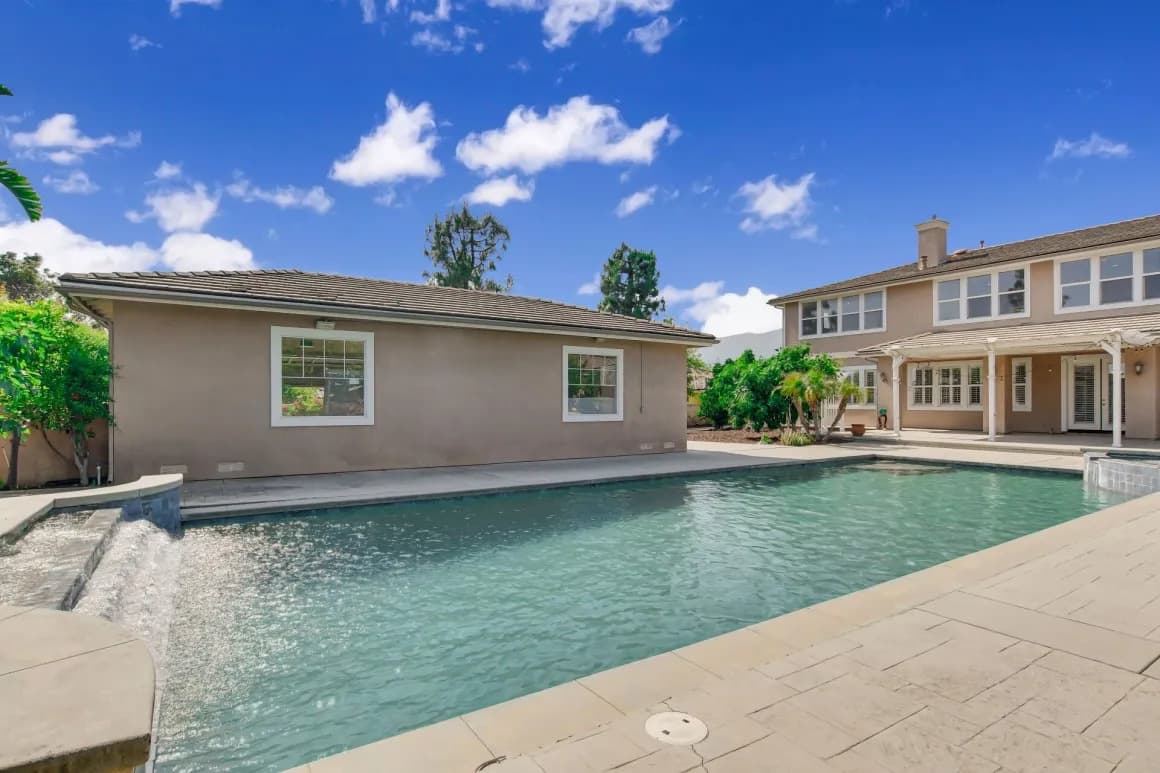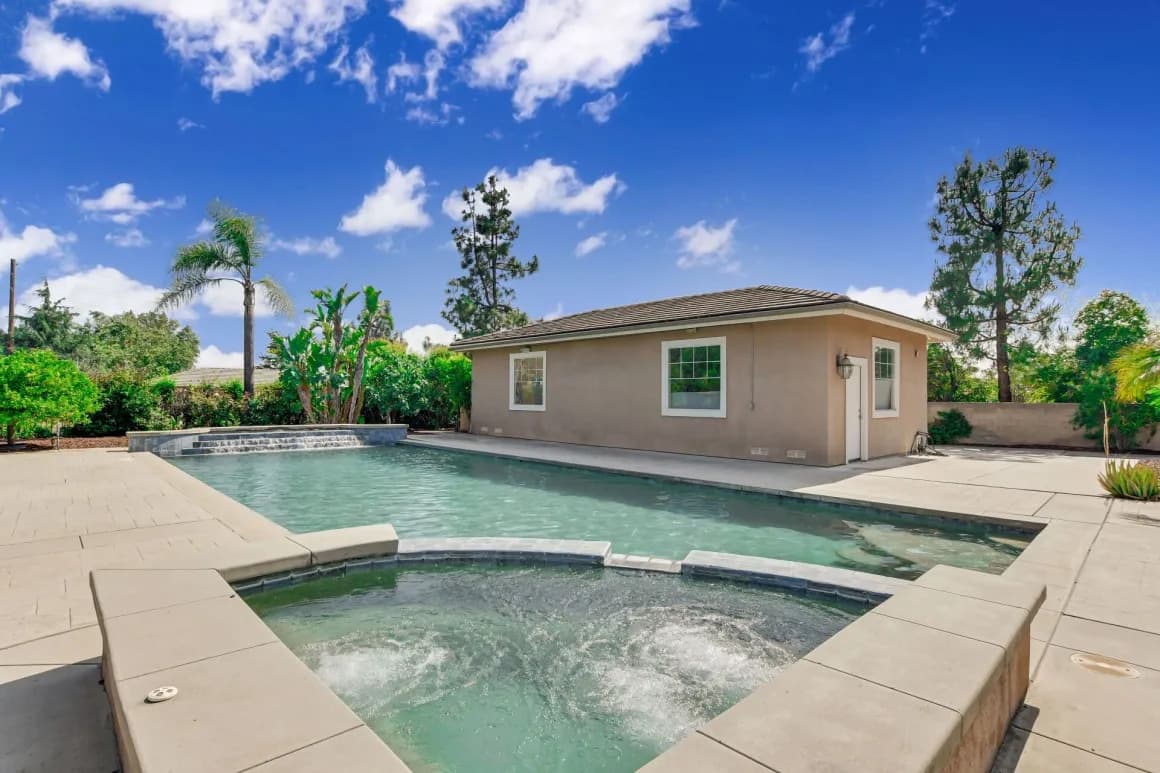
A newly built Claremont home has no ownership history worth speaking of, which sounds like an advantage and often is. But a parcel that was CREATED recently carries a different set of title questions than one that has quietly changed hands for eighty years, and buyers who assume new means simple get caught by the ones that are specific to creation.
A new parcel has to be legally created
You cannot make a legal lot by drawing a line. In California, dividing land is governed by the Subdivision Map Act and by the local implementing ordinance, which in Claremont means the city's own process. Depending on the number of resulting parcels and other factors, creation runs through a tentative and final map or a parcel map, with city approval, conditions, and a recorded map at the end.
The recorded map is the thing that matters to title. It is what future deeds will cite, and it carries the dedications, the easements, and the conditions attached to approval. How a description points at that map is covered in the legal description guide.
The failure mode here is the parcel that was divided INFORMALLY, sometimes decades ago, by a deed that simply described half of what somebody owned. That may or may not have created a legal parcel. A certificate of compliance is one route to establishing status, and whether one is needed or obtainable is a land use and legal question, not something to assume from the fact that the county assigned an APN. As covered in that same guide, the assessor's number is not proof of legal parcel status.
What survives from the parent parcel
A new lot is carved out of an older one, and it generally inherits what burdened the parent. Recorded easements crossing the land continue to cross it. Old declarations may still apply. Rights reserved by a prior owner, including mineral and water reservations, remain reserved against the new lot. What a recorded burden of that kind means for an owner is described in the easements guide.
New conditions get added on top. Subdivision approval commonly produces dedications to the city, drainage and utility easements, maintenance obligations, and sometimes a new declaration recorded by the developer. A buyer of the first home on a new lot is buying all of that, and the preliminary report is where it appears.
Read those exceptions with more attention than usual, because on a new parcel almost every one of them is recent and specific rather than ancient and generic. The report-reading method is in the preliminary report guide.
The construction lien problem
This is the largest title risk unique to new construction, and it deserves its own attention. California gives contractors, subcontractors, and material suppliers lien rights, and those rights can RELATE BACK to a point earlier than the recording of the lien itself. A subcontractor unpaid by the general contractor can record after your purchase and assert priority tied to when work commenced.
So a buyer of a newly built home can close on a clean-looking record and later face a lien for work performed before they ever saw the property. The mechanism is explained in the mechanic's lien guide.
Title companies handle this with indemnity agreements from the builder, financial review, and specific endorsements on the policies, and lenders insist on that coverage. What such an endorsement does and does not achieve is covered in the endorsements guide. Ask directly whether mechanic's lien coverage is being provided on the owner's policy, not merely the lender's.
Builder escrows and the paperwork asymmetry
Production builders frequently direct the transaction to their affiliated or preferred escrow and title providers. That is generally permissible with proper disclosure, and it is not by itself a problem. It does mean the process is built around the builder's volume rather than around your questions.
Two consequences follow. First, the purchase agreement is the builder's own form, not the standard association contract most Claremont resales use, and its terms on delays, changes, and remedies deserve a careful read. Second, you may be signing well before the parcel, the improvements, or the map are in final form, so what is being conveyed at closing may not be identical to what was described at contract.
A buyer is generally free to obtain independent representation and, subject to the contract and applicable rules, to raise questions about provider selection. The point is not suspicion. It is that nobody in a builder's process is assigned to read the title exceptions on your behalf.
The practical checklist
Confirm the parcel was legally created and identify the recorded map. Obtain and read the preliminary report early, treating every exception as new information. Ask what mechanic's lien protection the owner's policy carries. Identify any declaration recorded by the developer and read it before, not after. Confirm access is over a dedicated street or a recorded easement rather than an arrangement that exists only in practice. Confirm utilities reach the parcel by recorded easement.
And where any answer is unclear, route it properly: parcel legality and map conditions to the city and a land use professional, exceptions and coverage to your title officer, and anything touching an ownership right or a boundary to a real estate attorney. On a newly created parcel more than anywhere else, the absence of history is not evidence that the title is clear.
For the full closing sequence, see the title and closing guide. Anthony Grynchal has been licensed in California since November 2009.
Frequently asked questions
Does a new Claremont home mean a clean title?
Not automatically. A new parcel has a short chain, which reduces some risks, but it inherits easements and reservations from the parent parcel, adds conditions imposed at subdivision approval, and carries construction lien exposure that an older resale does not. New means different, not simpler.
How do I know a lot split created a legal parcel?
Legal creation runs through the Subdivision Map Act and the city's process, ending in a recorded map. An APN assigned by the assessor is not proof of legal parcel status. Where land was divided informally by deed, establishing status is a land use and legal question, and a certificate of compliance is one possible route.
Can a contractor lien my newly built home for work done before I bought it?
California mechanic's lien rights can relate back to a time earlier than the recording of the lien, so a claim arising from pre-closing work can surface afterward. Title companies address this with builder indemnities and specific policy endorsements. Ask whether that coverage is on your owner's policy, not only the lender's.
Do I have to use the builder's title and escrow companies?
Builders often direct transactions to affiliated or preferred providers, which is generally permissible with proper disclosure. You are still entitled to independent representation and to ask questions about provider selection, and the builder's process does not include anyone assigned to read the title exceptions on your behalf.

Written by
Anthony Grynchal
Anthony Grynchal is a California real estate professional with eXp Realty, licensed since November 2009 (California DRE# 01873626), and the Designated Local Expert™ for Claremont — where he has lived for more than 33 years.
More about AnthonyPublished · Updated