
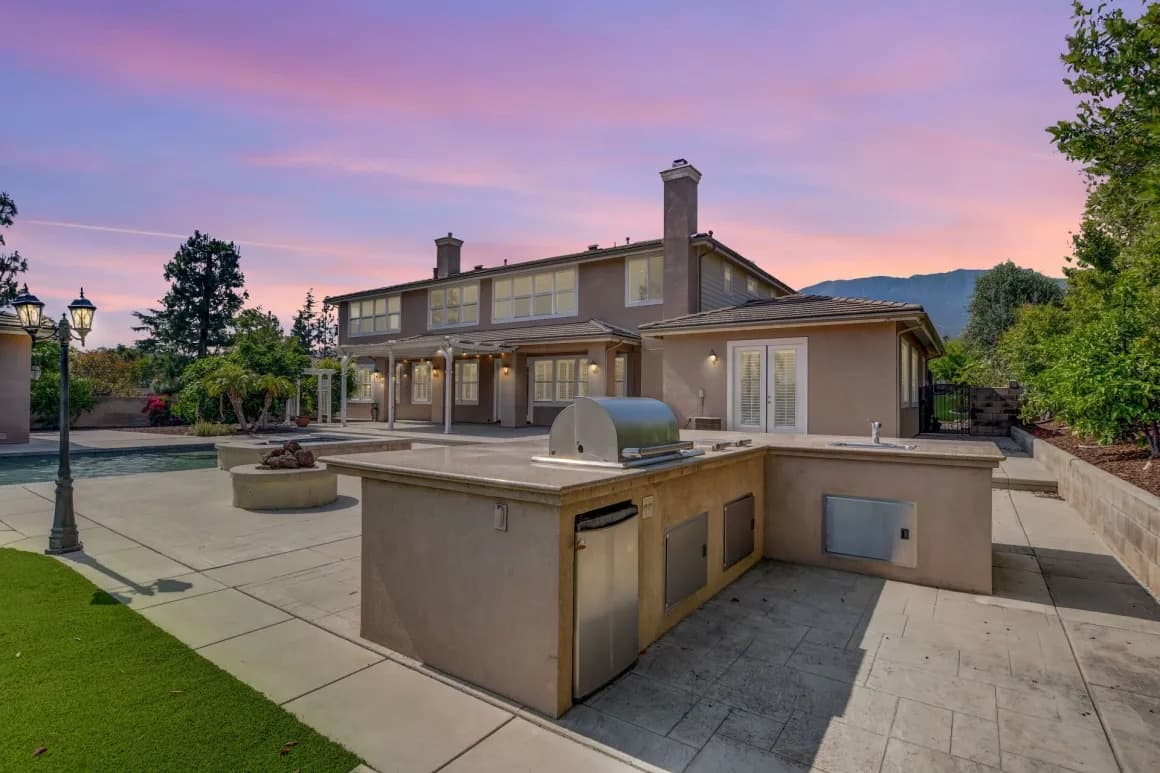
In Claremont's climate a backyard pool is a genuine amenity — and it is also a second major mechanical system riding along on the sale, with its own equipment, its own failure modes, its own legal requirements at transfer, and its own monthly cost of ownership. Buyers tend to evaluate pools emotionally at the showing and financially never, which is exactly backwards: the pool that photographs beautifully in August is the same one whose equipment pad, plumbing, and surface will bill you like a small second roof. This article is the due-diligence checklist: the inspections a pool purchase needs, the California safety rules that surface at transfer, and the ownership math worth doing before the contingency clock runs out. It deepens the buying guide; the machinery of the investigation period itself — timelines, reports, responses — is the inspection guide's territory, and this article rides inside that window.
Inspect the pool like the system it is
A general home inspection typically LOOKS at a pool but does not fully inspect it — most inspectors expressly limit their scope on pools and spas, which makes a DEDICATED POOL INSPECTION the first move for any serious pool purchase, ordered early enough in the investigation period to act on. What it evaluates, conceptually: THE SHELL AND SURFACE (plaster condition and age — resurfacing is one of pool ownership's large periodic expenses, so remaining surface life is real money); THE EQUIPMENT PAD (pump, filter, heater — each with its own age and expected life; a pad of original equipment on an older pool is a replacement schedule, not a discovery); PLUMBING AND LEAKS (unexplained water loss is the finding that escalates — leak detection is its own specialty, and a suspected underground leak is worth resolving BEFORE contingencies expire, not after); ELECTRICAL AND BONDING (pool electrical has exacting safety requirements, and older installations are where an inspector's attention earns its fee); and DECKING AND COPING (settlement and drainage around the shell). Ask the seller for the pool's paper trail too — resurfacing dates, equipment receipts, service records — because a pool with a file is a pool that was maintained, and the absence of any paper is itself information.
The safety rules that surface at transfer
California takes residential pool safety seriously in statute, and the machinery touches the sale directly: state law requires drowning-prevention safety features for homes with pools, and at RESALE the home inspection is required to note which of the statutorily recognized safety measures the pool has — enclosures and gates, approved covers, alarms among them — so the subject arrives in your paperwork whether anyone raises it or not. Treat this as a floor and a to-do list rather than a formality: the specifics of the current requirements are verify-with-the-statute detail, but the buyer's practical questions are constant — which safety features exist, which the household actually needs (small children and visiting grandchildren change the answer), and what adding the missing ones costs. Fencing, gate hardware, and covers are ordinary purchases; the point is to price them into the decision now rather than meet them as a surprise after closing. And loop your insurance agent in during escrow, not after: a pool is a liability-relevant feature your carrier prices and underwrites — the insurance guide's shop-when-escrow-opens rule exists for exactly this kind of property-specific conversation.
The ownership math, done honestly
The recurring costs of pool ownership are knowable in advance even though the numbers are yours to gather: ENERGY (the pump's run schedule and the heater's fuel are utility-rate questions — your utility and the equipment's specifications answer them, and variable-speed pump upgrades are the classic efficiency conversation); WATER AND CHEMISTRY (routine chemicals plus periodic refills, DIY or on a service contract — quote a local service during escrow and the monthly number stops being abstract); AND THE PERIODIC CAPITAL ITEMS (surface, equipment, safety features on their own replacement cycles — the inspection's age findings turn these from surprises into a schedule). Set that total against your honest usage expectations, and note the resale symmetry: a pool narrows the future buyer pool slightly even as it delights part of it, which is a neutral fact to hold alongside the lifestyle value rather than a verdict either way. Negotiation-wise, pool findings work like any other inspection findings — repairs, credits, or price, through the offer and negotiation framework — with one timing note: equipment and surface findings are forecastable expenses, and reasonable sellers price them more readily than speculative ones. This is general information; the pool inspector's report, the current statutes, your carrier, and your own utility rates govern the specifics.
Anthony Grynchal has been licensed in California since November 2009 and gives pool buyers one sequencing rule: order the pool inspection the same day you open escrow — it is the report most likely to change a number, and the one most often ordered too late.
Frequently asked questions
Does a regular home inspection cover the pool?
Usually only superficially — most general inspectors expressly limit their scope on pools and spas. A serious pool purchase needs a dedicated pool inspection covering the shell and surface age, the equipment pad, plumbing and leaks, electrical and bonding, and decking — ordered early in the investigation period so findings can still shape the deal.
What are California's pool safety requirements when buying a home?
State law requires drowning-prevention safety features for homes with pools, and at resale the inspection must note which statutorily recognized measures — enclosures, approved covers, alarms among them — the pool has. Treat the report as a floor: verify the current specifics, decide what your household needs, and price missing features into the purchase.
What does owning a pool actually cost?
Three knowable streams: energy for the pump and heater (utility-rate questions your equipment specs answer), water and chemistry (quote a local service during escrow to make it concrete), and the periodic capital items — resurfacing, equipment replacement — that the inspection's age findings turn into a schedule rather than a surprise.
Can I negotiate over pool problems found in inspection?
Yes — pool findings work like any inspection findings: repairs, credits, or price adjustments. Equipment and surface age are forecastable expenses, which sellers tend to price more readily than speculative issues. A suspected leak is the finding to resolve before contingencies expire, not after.

Written by
Anthony Grynchal
Anthony Grynchal is a California real estate professional with eXp Realty, licensed since November 2009 (California DRE# 01873626), and the Designated Local Expert™ for Claremont — where he has lived for more than 33 years.
More about AnthonyPublished · Updated