Buying a House in Claremont: The Complete Guide

What it takes to buy a home in Claremont, CA: neighborhoods, financing, offer strategy, inspections, escrow, and closing, from a local agent.

Working with us directly? Buying in Claremont

Buying a house in Claremont means competing for a limited product in a town that rarely builds anything new. The city is essentially built out, hemmed by the San Gabriel foothills to the north and its neighbors on every other side, so nearly every purchase here is a resale, and the buyers you are bidding against often want exactly what you want: tree-lined streets, the Claremont Unified school system, walkability to the Village, and a commute that works. Winning here is less about luck than about preparation, and this guide covers the whole sequence: choosing your part of town, getting your financing genuinely ready, searching well, writing an offer that gets taken seriously, and then surviving escrow with your deposit and your sanity intact.

I am Anthony Grynchal, Mr. Claremont, licensed in California since November 2009. What follows is the advice I give buyers across the table, not a national checklist with the city name swapped in.

Know the town before you tour it

Claremont is small, but it is not uniform, and the differences matter enough that I encourage buyers to choose a neighborhood strategy before they fall for a kitchen.

  • The Village and the streets around it. Walkable to restaurants, the Sunday farmers market, the Metrolink depot, and the Claremont Colleges. Housing stock skews older and full of character, lots are modest, and demand is persistent. You are paying for a lifestyle radius measured in blocks.
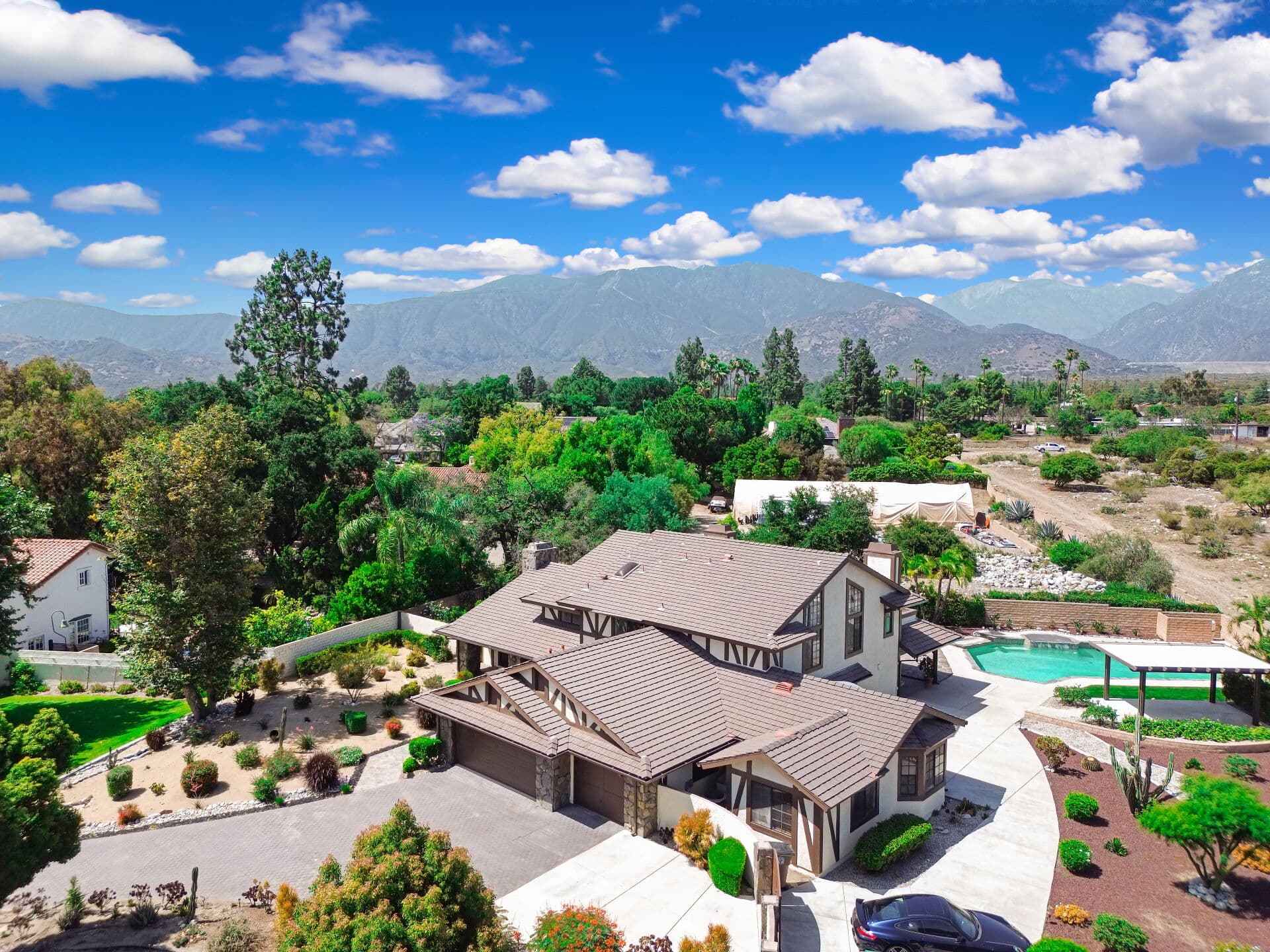
  • North Claremont. Larger lots, mid-century and later homes, and proximity to the foothills, Thompson Creek Trail, and the Claremont Hills Wilderness Park. Tracts like Towne Ranch and Blaisdell Ranch each have their own feel and their own loyalists.
  • Claraboya. The hillside enclave above the city, where homes trade on views: city lights to the south, mountains at your back. A different product entirely, with hillside due diligence to match.
  • South Claremont. Generally the most attainable entry to the city, closer to the 10 freeway for commuters, with pockets of genuinely charming streets that get overlooked by buyers who never drive south of Arrow Highway.

Every one of these micro-markets values differently, which is why the same budget buys very different homes across town. The Claremont home values hub explains the why in detail.

Get your money ready before you shop

In a market this competitive, a pre-approval is not paperwork, it is ammunition. Sellers here routinely weigh the strength of the financing as heavily as the price, so before your first serious tour you want a full underwritten pre-approval from a lender who answers the phone on weekends, clarity on your true monthly comfort level rather than the maximum a calculator will bless, and your down payment funds seasoned and documented. If you must sell another home to buy here, understand that a sale contingency weakens an offer in Claremont, and talk through the alternatives, from bridge financing to selling first and renting back. My guide to selling a home in Claremont covers the other side of that same move.

Search like a local, not like an app

Claremont inventory is thin in every season, and the rhythm matters: new listings cluster in spring, a second pulse arrives in early fall, and winter offers less choice but also less competition. Portals are fine for browsing, but serious buyers here work from CRMLS alerts set up by their agent, tuned to the streets and school boundaries they actually want, because the difference between hearing about a home on day one and day four can be the whole game. It also pays to understand what the market is doing right now, not what a national headline says: the Claremont market report explains how to read the local signals, from months of inventory to how quickly well-priced homes go pending.

A local observation that surprises newcomers: some of the best Claremont homes trade with very little fanfare. Long-tenure owners often talk to a neighborhood agent before they talk to the internet, which is one reason buyers represented by someone embedded here hear about homes earlier.

Write an offer a Claremont seller will take seriously

When a well-priced home hits this market, assume you are not alone. Winning offers here share a shape:

  1. Credible price, justified. Your agent should walk you through the comparable sales the listing side will use, so your number reads as informed rather than hopeful.
  2. Strong, verifiable financing. Underwritten pre-approval, proof of funds, and a lender the listing agent can call.
  3. A meaningful deposit. Earnest money signals commitment, and in California it sits safely in escrow subject to your contingencies.
  4. Realistic contingency timelines. The standard California contract defaults to a seventeen-day investigation period; well-prepared buyers can often responsibly shorten timelines, which sellers read as certainty. Waiving protections entirely is a different matter, and I counsel real caution before giving up an inspection.
  5. Terms that solve the seller's problem. Sometimes that is a quick close; sometimes it is a rent-back that lets them move on their own schedule. Finding out what they need is free, and it wins ties.

Appraisal strategy deserves its own sentence: in competitive moments, buyers sometimes offer to cover a gap between the appraised value and the price. That can be rational in Claremont, where appraisers from outside the area sometimes miss micro-market differences, but only with your eyes open and a cap you can actually fund.

Escrow: inspections, appraisal, and keeping your deposit safe

Acceptance starts the clock. Escrow opens with a neutral escrow company, per Southern California convention, your deposit is wired in, and the due diligence weeks begin. Inspect thoroughly: a general home inspection at minimum, and in this housing stock, which is heavily mid-century and older, sewer line, roof, chimney, and foundation opinions are frequently money well spent. In northern Claremont, read the natural hazard disclosure report closely; fire hazard severity zone designations near the foothills affect insurance, and you want your insurability confirmed before your contingencies come off, not after.

Expect to negotiate once more after inspections. A request for repairs, or more commonly a credit in lieu, is a normal part of a California escrow, and the outcome usually reflects preparation on both sides. Your contingencies are removed in writing on standard forms, and each removal narrows your exits, so the discipline is simple: never remove a contingency you have not actually satisfied.

Budget beyond the purchase price

The price is the headline, but Claremont buyers should plan for the full cost of getting in and the first year of owning. At closing, expect lender charges if you finance, escrow and title fees split by local custom, prepaid property taxes and insurance, and recording costs. None of these are unique to Claremont, but two line items deserve local attention. The first is insurance: in the northern reaches of the city, fire hazard severity zone designations near the foothills can shape both premium and carrier appetite, so get a real quote on the specific address during your contingency period rather than assuming a citywide rate. The second is the age of the housing stock. A large share of Claremont homes were built in the decades after the war, which means original galvanized plumbing, aging roofs, and vintage electrical panels are common inspection findings, and a sensible first-year reserve for an older home is part of an honest budget, not pessimism.

It is also worth knowing what you are usually not paying for here: most of Claremont's established single-family neighborhoods have no homeowners association, so monthly dues are typically a condo and townhome consideration rather than a citywide fact of life. Where an association does exist, read its documents during escrow the way you would read an inspection report, because assessments and rules are part of the home's true cost of ownership.

Closing day, and what happens after

The finish line is procedural: loan documents signed with a notary, funds wired, and then the grant deed records with the Los Angeles County Registrar-Recorder. Recording is the moment the home becomes yours; keys follow the same day under most contracts. Afterward, two pieces of mail deserve advance warning. The first is the supplemental property tax bill, which Los Angeles County issues after a sale reassesses the property; it arrives months later and surprises buyers who were not told to budget for it. The second is the wave of official-looking junk mail offering to sell you a copy of your deed. You do not need it, and your recorded deed will arrive from the county on its own.

Start smart

Buying well in Claremont comes down to sequence: pick your part of town deliberately, get fully pre-approved before you tour, search on local rails rather than portal luck, write offers that read as certain, and protect yourself through escrow with real inspections and enforced deadlines. If you are earlier in the process and still orienting, the Claremont real estate FAQ answers the questions I hear most, from school boundaries to commute math. And when you are ready to look at homes with someone who lives this market daily, call me at (909) 731-5374 for a buyer consultation; the plan we build in an hour tends to save months.

Frequently asked questions

Do I need a pre-approval before touring homes in Claremont?

For serious touring, yes. Claremont listings routinely attract multiple interested buyers, and sellers weigh financing strength heavily, so an underwritten pre-approval lets you act the day the right home appears. Browsing open houses without one is fine; writing a competitive offer without one is not realistic here.

Which Claremont neighborhood should I focus on?

Match the neighborhood to how you live. The Village area trades on walkability to shops, the farmers market, and the Metrolink depot; North Claremont and tracts like Towne Ranch offer larger lots near the foothills; Claraboya sells views; and South Claremont is typically the most attainable entry point with easy freeway access. Touring two or three areas deliberately beats falling for one kitchen.

Should I waive contingencies to win a Claremont home?

Shortening timelines responsibly is a competitive tool; waiving protections entirely is a risk decision that deserves real caution, especially on older housing stock. I rarely advise giving up an inspection, and any appraisal gap commitment should have a hard cap you can actually fund. Certainty wins offers, but so does a buyer who closes without drama.

What happens after my offer is accepted in Claremont?

Escrow opens with a neutral escrow company, you wire your earnest money deposit, and the contingency clocks start on inspections, appraisal, and loan approval. You will likely negotiate once more after inspections, then remove contingencies in writing as each is satisfied. The purchase completes when the deed records with Los Angeles County, and keys typically follow the same day.