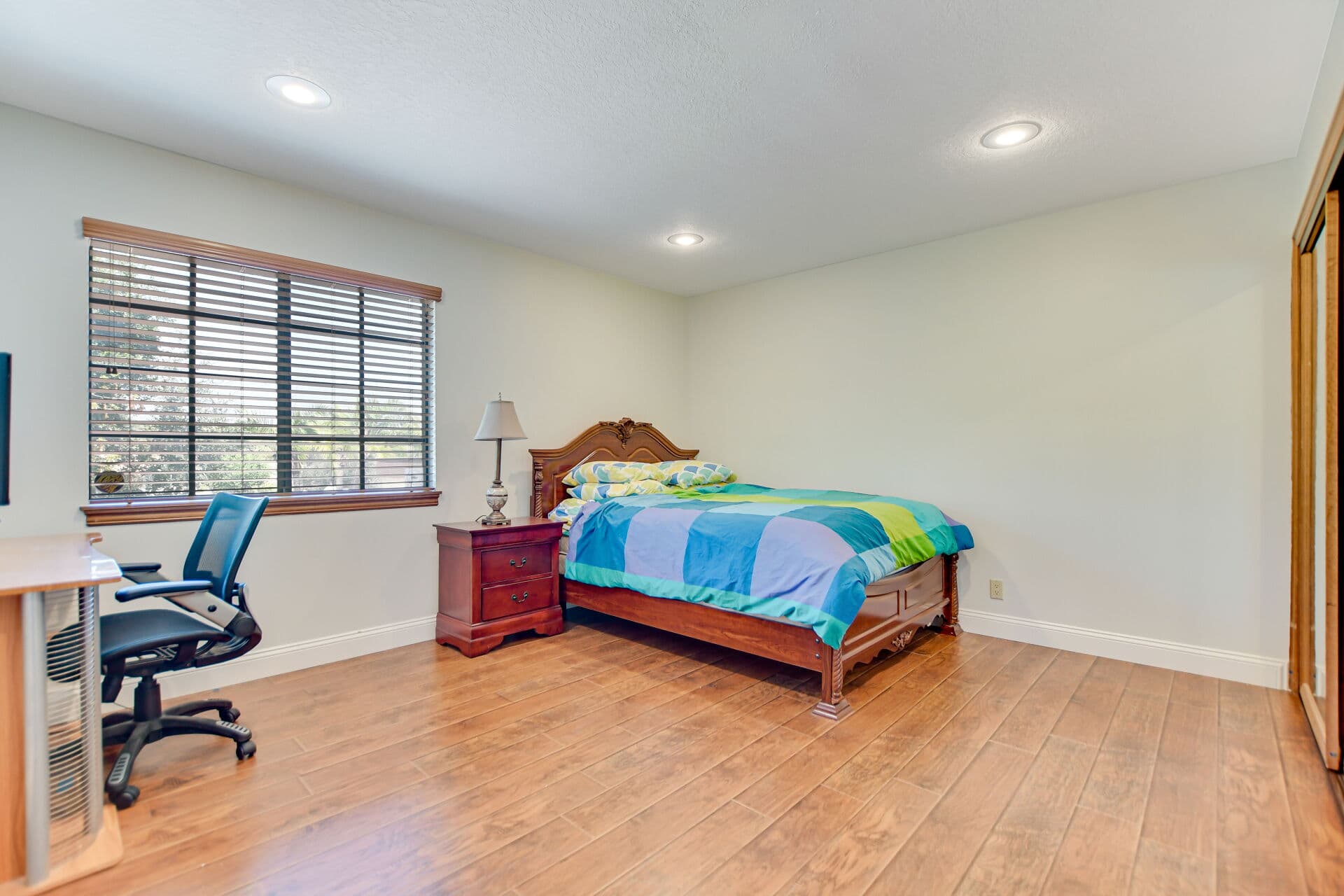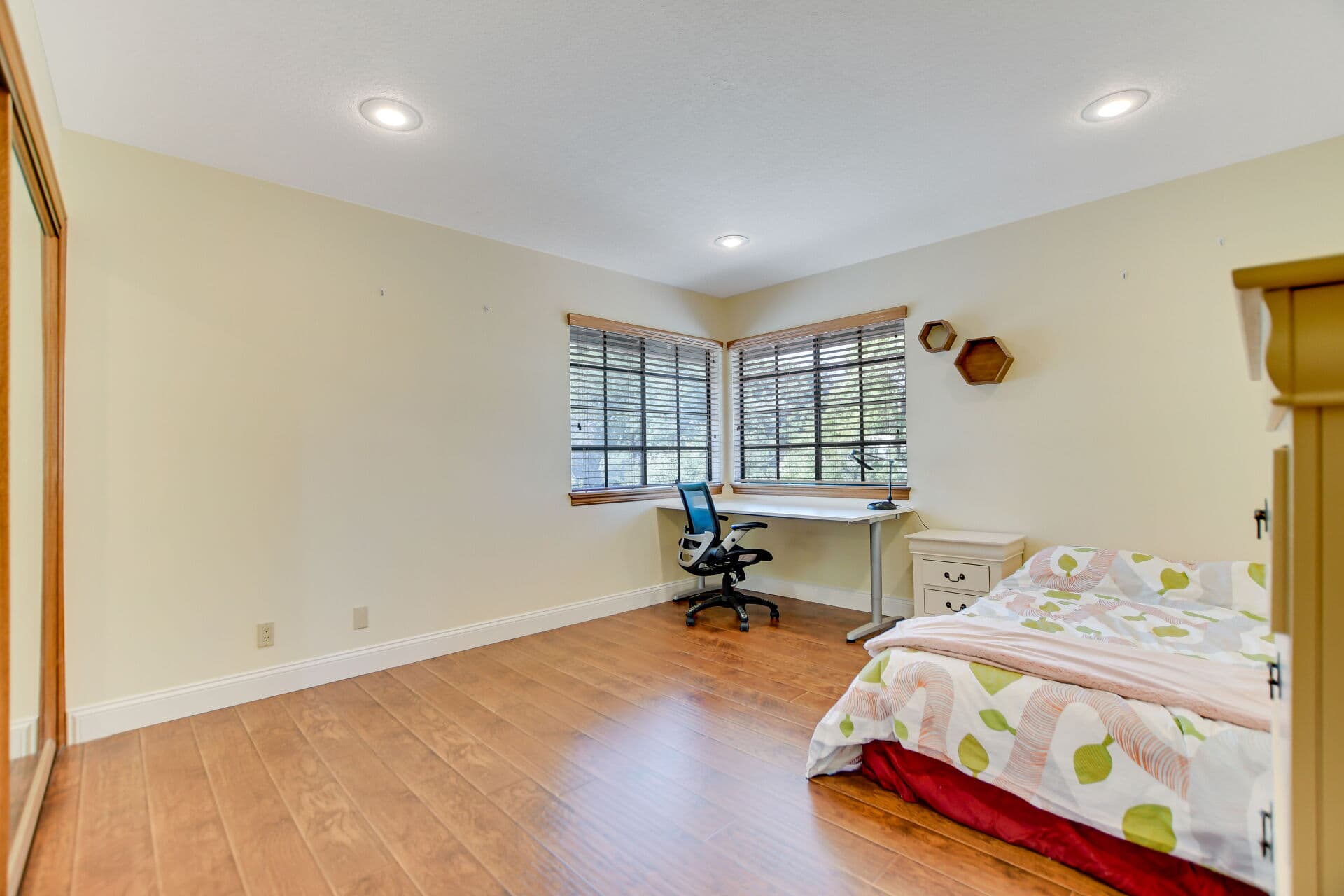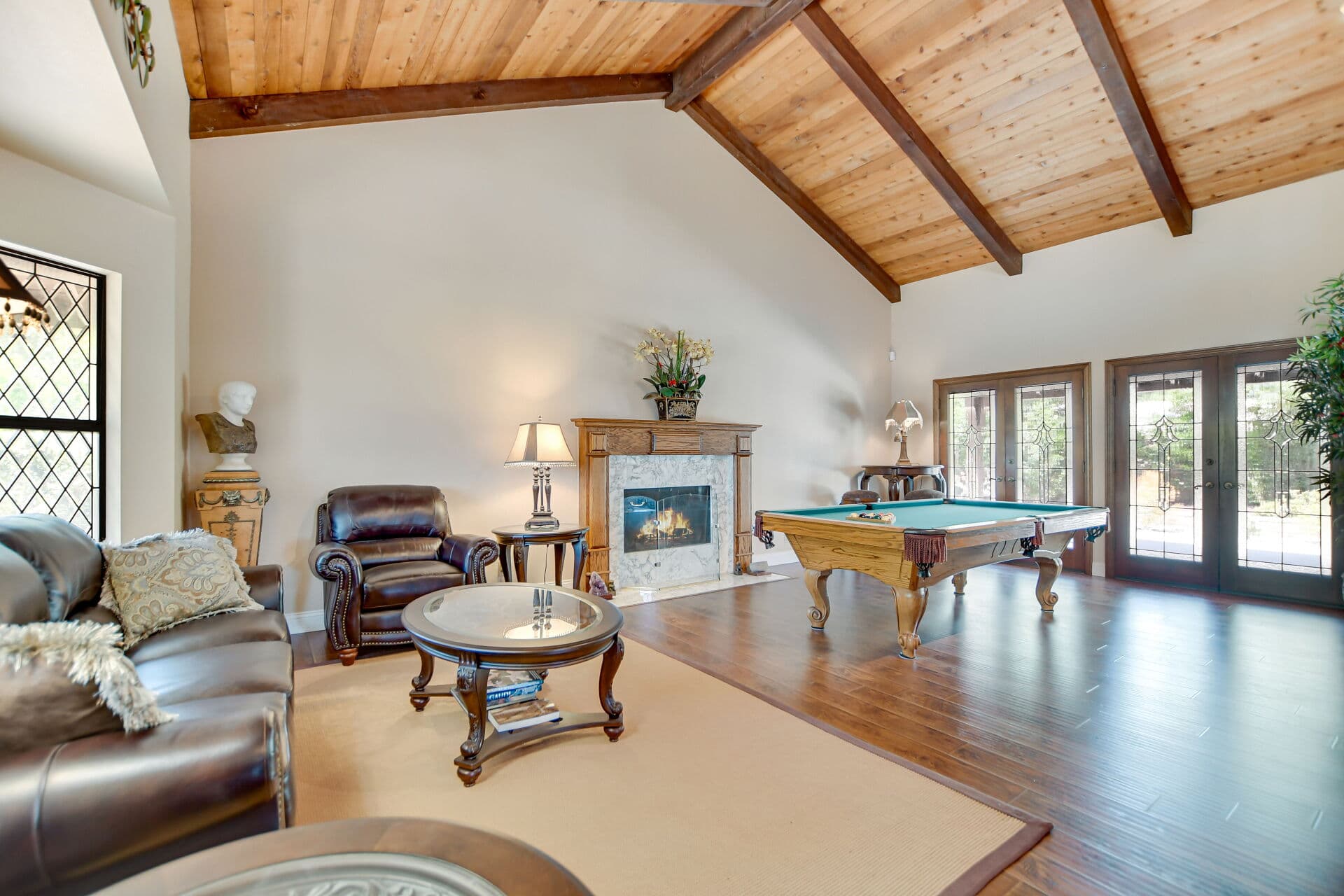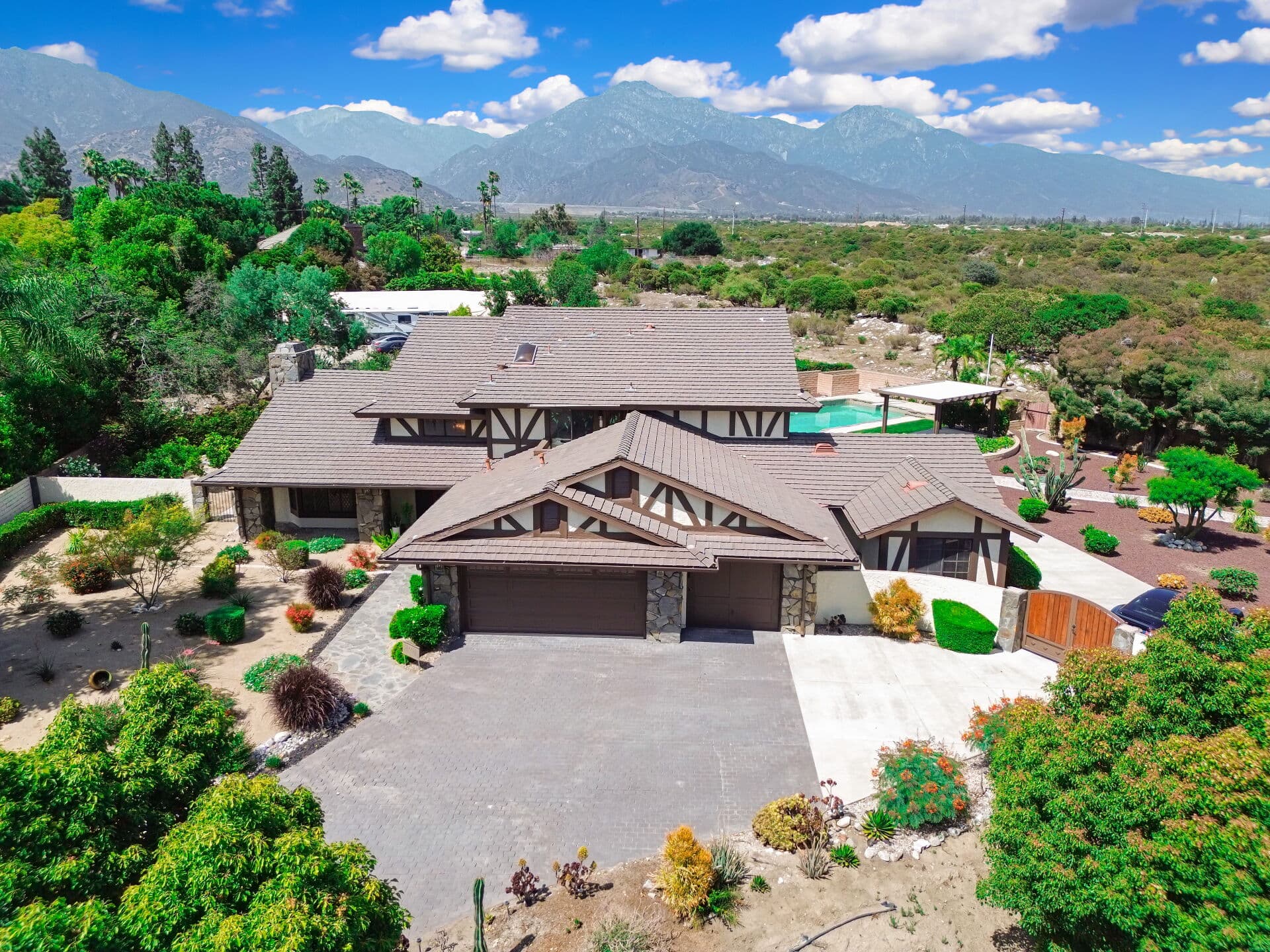
Somewhere in the tour you notice it. The garage has drywall, a closet and a mini-split. The patio has windows. There is a bathroom in a place no original floor plan would have put one. The listing calls it a bonus room, an office, a flex space.
None of that is unusual, and none of it is automatically a problem. But you are entitled to know whether the work was permitted, and the answer is a matter of public record rather than opinion. Here is how to find out and what to do with the answer.
Why it matters to you, specifically
Four practical reasons, in rough order of how often they bite.
SAFETY. Permits exist because inspections catch things. Wiring, gas lines, egress windows, structural changes and drainage are the areas where unpermitted work most often falls short, and those are the areas where being wrong is expensive or dangerous.
VALUE AND APPRAISAL. An appraiser decides how to treat unpermitted space, and that treatment is not automatic. Space that everyone calls a bedroom may not be counted as living area, which affects the number.
LENDING. Some loan programs have views about unpermitted additions, particularly where they affect the room count the appraisal relies on.
INSURANCE AND FUTURE LIABILITY. Carriers ask questions. And when you eventually sell, the disclosure obligation you inherit is yours, not the previous owner's.
How to actually check
Go to the source. The city building division is where permit records live, and the records are public. Request the permit history for the address, and be specific: you want issued permits, final inspection status and any open or expired permits.
The county assessor's records are a useful cross-check. Compare the square footage and room count on record against what you are being shown. A gap is not proof of anything, because records lag and contain errors, but it is a question worth asking.
Ask the seller in writing what work has been done, when, by whom, and whether it was permitted and finaled. Read the disclosure packet with the same question in mind. Where the seller's answer and the city's record disagree, you have found something to resolve before your contingency expires. How to get the most out of that packet is covered in what a Claremont seller's disclosure packet is really telling you.
The status that surprises people: open or expired
An unpermitted addition is one situation. A permit that was issued and never finaled is another, and it is easy to miss because the paperwork exists.
An open permit means the city started a file it never closed. Depending on the jurisdiction and the age of the record, closing it can mean inspections of work that has since been covered over. Ask specifically whether every permit shown has a final, and ask what the city requires to close anything that does not.
Raise this early. It is a records-and-scheduling problem, and those are the ones that eat weeks.
Have the work inspected on its merits
Permit history tells you about paperwork. An inspector tells you about the building, and you want both.
Point your general inspector at the converted space explicitly and ask them to comment on it. Where the work involved electrical, gas, plumbing or structure, consider a specialist. Where a garage was converted, ask about the wall assemblies, the electrical, the ventilation and whether the parking that was displaced matters for anything.
Unpermitted work that was done well by a competent trade exists. So does permitted work that has aged badly. Judge the construction and the paperwork separately, then put the two answers together. What a report is actually telling you is covered in Claremont home inspections and how to respond.
Your options once you know
Proceed with eyes open, having priced the risk into what you offer.
Ask the seller to resolve it before closing, which usually means permitting or correcting the work. Understand that this takes time and that the city, not the seller, controls the timeline.
Ask for a credit and handle it yourself after closing, which gives you control over the contractor and the schedule.
Walk, if the scope is large, the construction is questionable, or the city's requirements are open-ended.
Whichever route you take, ask the city what the legalization path actually is before you decide. Requirements vary by jurisdiction and by the type of work, and they change. A conversation at the counter is worth more than any assumption about what it will take.
Ask about the ordinary things too
While you are looking at permits, ask about anything else recorded on the property that constrains what you can build later. Setbacks, easements, and any restrictions recorded against the parcel all shape what a future project can look like, and they show up in different places. The permit counter answers the building question; the title report answers the recorded-restriction question.
The buyer routine
Compare what you are being shown against the assessor record. Request the permit history from the city. Ask the seller, in writing, what was done and whether it was permitted and finaled. Have an inspector evaluate the work itself. Ask the city what legalization would require. Then decide, while your contingency is still in place.
Buyers who do this stop being nervous about converted spaces, because they know which ones are fine. It is a couple of phone calls and a records request, and it is one of the highest-return hours in the whole purchase.
More buyer guidance is in the buying a home hub.
Anthony Grynchal has been licensed in California since November 2009.
Frequently asked questions
Where do I find a Claremont home's permit history?
The city building division holds permit records and they are public. Request issued permits, final inspection status and any open or expired permits for the address.
Is unpermitted work always a deal breaker?
No. Judge the construction and the paperwork separately. Some unpermitted work is well built and some permitted work has aged badly. What matters is the scope, the safety, and what the city would require to legalize it.
What is an open permit and why does it matter?
It means a permit was issued but never finaled. Closing it can require inspection of work that has since been covered, which takes time. Ask whether every permit on the record has a final.
Does unpermitted square footage count in the appraisal?
Not automatically. The appraiser decides how to treat it, and space everyone calls a bedroom may not be counted as living area. That can affect the number and, in turn, your loan.
Should the seller fix it or should I take a credit?
Either can work. A seller resolving it means waiting on a timeline the city controls. A credit gives you control of the contractor and schedule. Ask the city what legalization requires before choosing.

Written by
Anthony Grynchal
Anthony Grynchal is a California real estate professional with eXp Realty, licensed since November 2009 (California DRE# 01873626), and the Designated Local Expert™ for Claremont — where he has lived for more than 33 years.
More about AnthonyPublished · Updated