Stand at Yale and First and turn around slowly. Storefront depths are shallow. Buildings sit right at the sidewalk. Upper floors are low. Almost nothing is more than two stories.
That is not a design theme. It is what a small town's commercial street looked like when it was built to serve people arriving on foot and by train, and it is why the Village works today for reasons that have nothing to do with anyone's plan.
Why the Village is where it is
A nineteenth-century town's commercial district went next to the depot. Freight arrived there, passengers arrived there, and the businesses that served both clustered within a short walk.
Claremont's townsite was platted around that logic in 1887, during a land boom that collapsed almost immediately — leaving behind a grid, a rail stop and very few buildings. See the 1887 boom.
What filled the grid in afterward was not boom speculation but ordinary commerce serving two customers: an agricultural economy and a college. That combination produced a modest, practical main street — hardware, groceries, a bank, a pharmacy, a barber, feed and supply.
The long middle
Through the middle of the twentieth century, Claremont's Village faced the same pressure that hollowed out small downtowns everywhere: the automobile, then the shopping center, then the regional mall.
Retail followed parking. Highway frontage beat main street. Big centers offered a full day's shopping under one roof. Across America, the response was either decline or demolition-and-renewal, and both outcomes destroyed a lot of nineteenth-century commercial fabric.
Claremont's Village went through a genuinely difficult stretch and came out the other side with its buildings largely intact. The reasons are worth naming, because they are the same reasons the district functions now.
- A captive walking population. Several thousand students and a large faculty and staff base live within walking distance and do not go away.
- A preservation constituency. Claremont built an organized culture around keeping its buildings well before that was fashionable. See Claremont Heritage and the rise of preservation.
- Scale that was never worth clearing. The district was too small to attract a large-scale renewal project and too well located to abandon.
The turn
From the later decades of the twentieth century onward, the Village shifted from a service district to a destination one: restaurants, specialty retail, a cinema, galleries, and evening activity where there had been none.
Then the Packing House reuse added a second anchor a few blocks away, effectively doubling the walkable commercial core without adding an arterial. That story is in the College Heights Packing House story.
For dates, ownership, specific projects and the sequence of city decisions behind all of this, the sources are the city's planning records, the Claremont Courier archives and Claremont Heritage. The Village has a great deal of confidently retold history attached to it; the paperwork is better.
What the Village does to nearby home values
This is the practical core, and it is measurable in a way most historical questions are not.
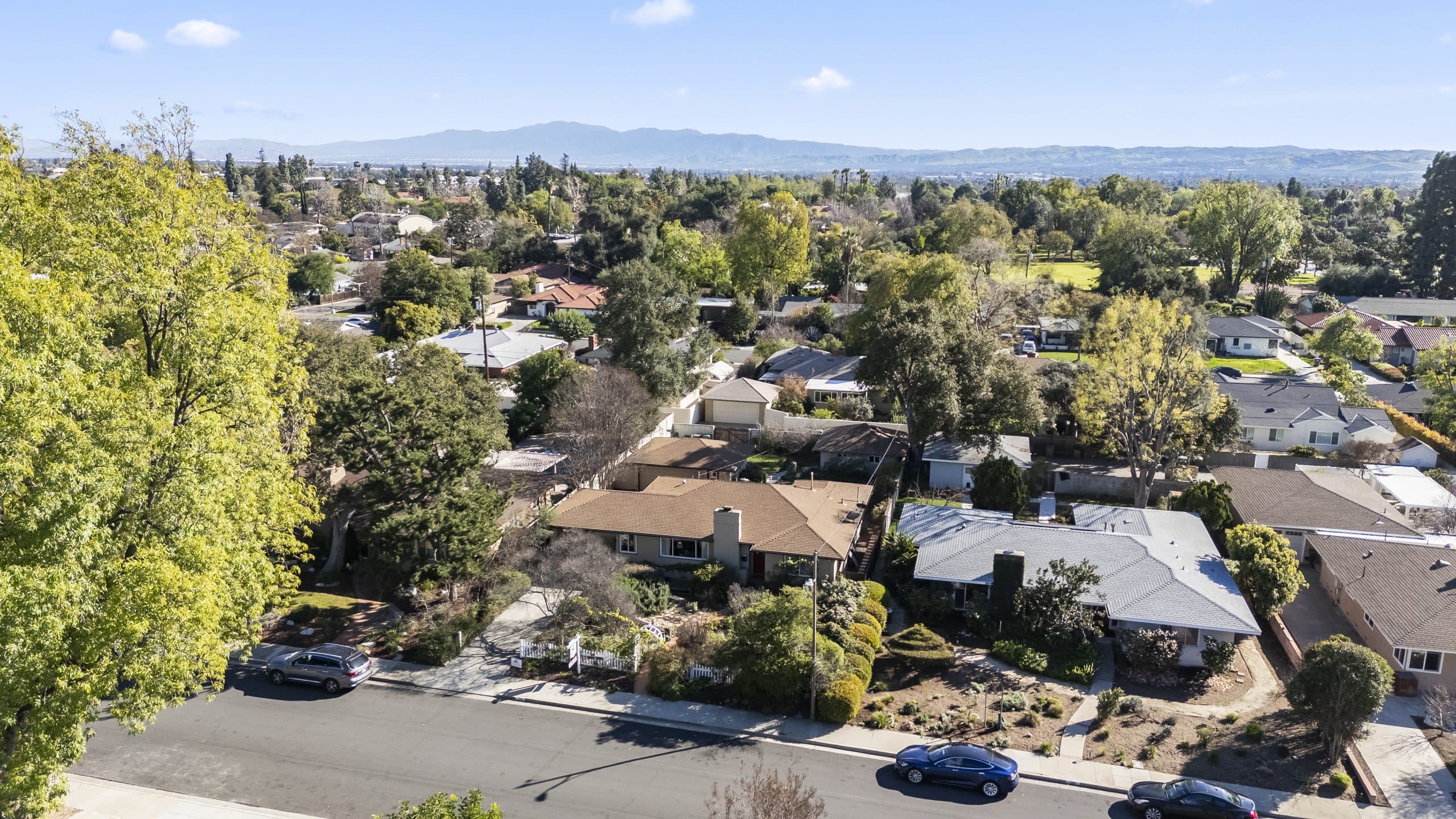
Walkability is the premium. Homes within a genuine walk of the Village trade differently from homes a mile out. Not because of a score on a website, but because the walk is pleasant, shaded, on a connected grid, and ends somewhere people actually want to go.
The grid is doing the work. Short blocks and through streets make walking distances honest. In a cul-de-sac subdivision, half a mile as the crow flies can be a mile and a half on foot. Close-in Claremont does not have that problem, which is a nineteenth-century subdivision map paying dividends.
Proximity has a threshold and a downside. The blocks immediately adjacent to the commercial edge carry evening noise, spillover parking, and weekend congestion. Some buyers love it. Others discover it after closing. Visit on a Friday evening and during a college move-in weekend.
Older housing near the Village comes with rules. Design review, historic considerations and small lot geometry all apply in parts of the close-in area. Confirm what governs a specific address with the city's planning counter before making plans that assume a large addition.
Why the buildings are small, and why that helps
The Village's storefronts are shallow and its upper floors are low because they were built for a small town's businesses at a time when construction was expensive and demand was modest. Nobody was building a department store here.
That accidental restraint is now an asset. Small floorplates suit independent retail, restaurants and services rather than national chains that need larger footprints, which is a substantial part of why the district feels the way it does. The economics of the buildings select for the tenants, and the tenants create the character that buyers pay for two streets away.
It also means the district cannot absorb unlimited growth. There is a finite amount of ground floor in a walkable historic core, and that scarcity is exactly why the Packing House reuse mattered so much: it added capacity without diluting the original.
Reading a Village-adjacent house honestly
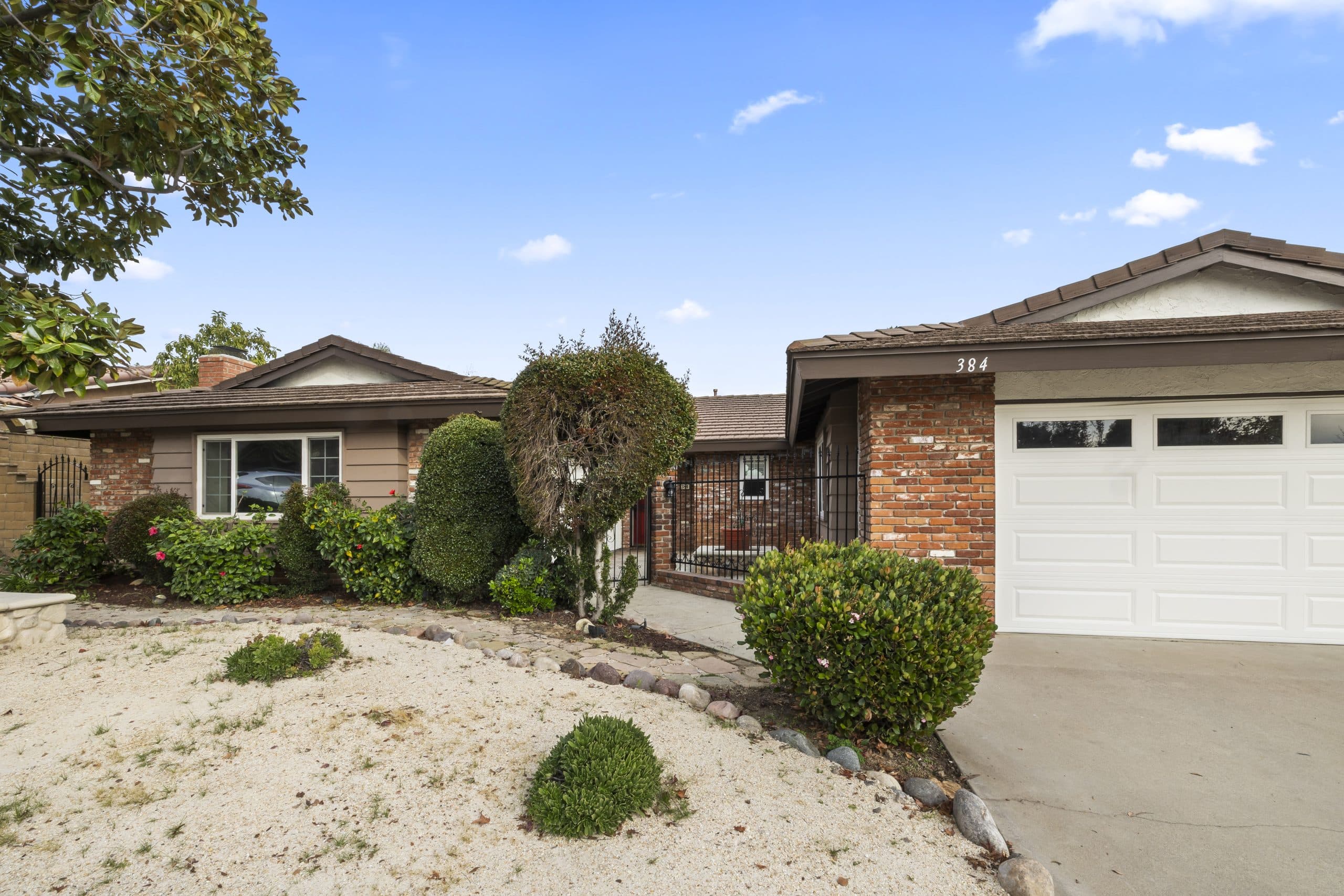
- Lot size will surprise you if you are coming from a newer tract. Narrow, deep lots are the norm and setbacks eat much of the difference.
- Parking is finite. Many older properties have detached garages off an alley or no off-street parking that meets modern expectations. Count spaces on your own; do not rely on a listing.
- Age is approximate in public records for pre-permit-era construction. Verify with permit history where it matters.
- Systems, not style, drive the budget. Sewer laterals, electrical service and foundations are where money goes on close-in Claremont houses.
Why it held
The Village survived because the town had an institution that guaranteed foot traffic, a population that valued old buildings, and a grid too small to bulldoze profitably. Every one of those is an accident of history rather than a policy, and together they produced the single most valuable amenity in Claremont real estate.
For the whole arc, start at the Claremont history hub.
Anthony Grynchal has been licensed in California since November 2009.
Frequently asked questions
Why is the Claremont Village located where it is?
It grew next to the railroad depot, which is where commerce clustered in a nineteenth-century town. The 1887 townsite plat was laid out around that logic, and the district filled in afterward serving the citrus economy and the colleges.
Why did the Village survive when other small downtowns declined?
Three reasons: a large walking population from the colleges that never went away, an unusually organized local preservation culture, and a district small enough that no large-scale clearance project ever penciled.
Do homes near the Claremont Village cost more?
Proximity to the Village is one of the most durable value factors in the local market, driven by a genuinely walkable connected street grid rather than by distance alone. The closest blocks also carry evening noise and spillover parking, which buyers should experience firsthand before committing.
Are there restrictions on remodeling near the Village?
In parts of the close-in area, yes. Design review, historic considerations and tight lot geometry can all apply. Ask the City of Claremont's planning department what governs a specific address before planning an addition.

Written by
Anthony Grynchal
Anthony Grynchal is a California real estate professional with eXp Realty, licensed since November 2009 (California DRE# 01873626), and the Designated Local Expert™ for Claremont — where he has lived for more than 33 years.
More about AnthonyPublished · Updated