
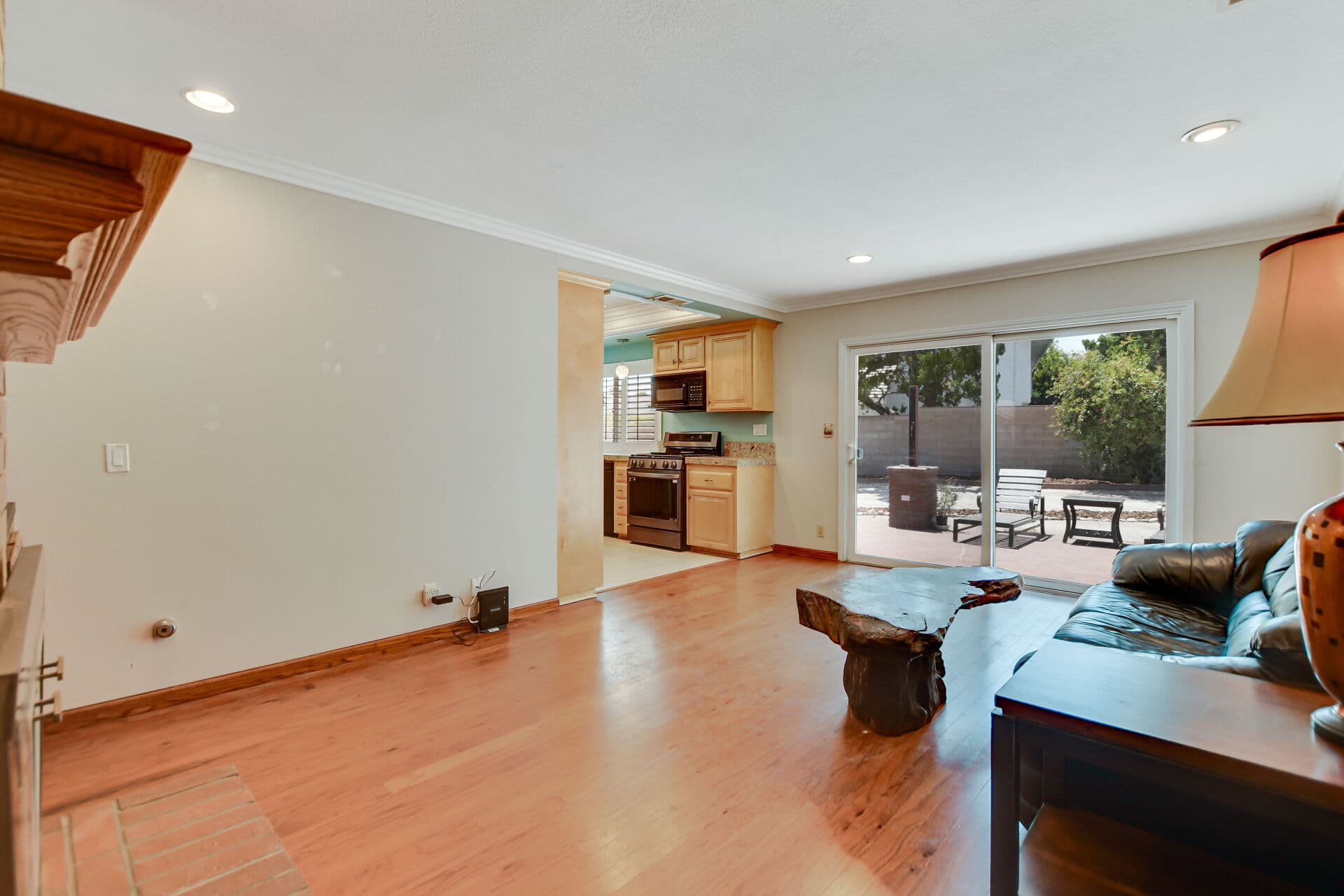
Condos and townhomes are Claremont's entry ticket. In a city where detached homes price like the college town premium they carry, the attached market is the practical way in for first-time buyers, the landing zone for downsizers leaving big North Claremont houses, the answer for college parents who want a base near campus, and a steady interest for investors. It is also a genuinely different transaction: an attached purchase comes with an association, a stack of governing documents, insurance that splits between two policies, and financing questions that detached buyers never meet. This page is the full map: what the words condo, townhome, and PUD actually mean, where Claremont's attached homes cluster, how the HOA layer works, what to ask your lender before falling for a unit, and an honest read on who attached living fits and who it does not.
I am Anthony Grynchal, Mr. Claremont, licensed in California since November 2009, and I take the attached market seriously precisely because so much of the industry treats it as an afterthought. For a large share of the people who want to live in this town, a condo or townhome is not the consolation prize; it is the right answer, chosen well.
Condo, townhome, PUD: what you actually own
The words get used interchangeably in conversation, and they should not be, because they describe different bundles of ownership. In a condominium, you own your unit's interior space and an undivided share of everything else, the land, the structures, the common areas, together with your neighbors; the association maintains the building around you. In a planned development, what most people mean by a townhome, you typically own your home and the lot beneath it outright, with the association owning or managing the shared elements, streets, greenbelts, sometimes roofs and fences, depending entirely on the documents. The distinction is legal, not architectural: a residence that looks like a townhouse can be legally a condominium, and the listing's label is not the authority. Why care? Because the form determines what you insure, what the association maintains, what the lender requires, and what you may change. The answer lives in the recorded documents, the CC&Rs and condominium plan or tract map, which is exactly the reading that escrow's document-review period exists for.
Where Claremont's attached homes are
The attached stock concentrates in a few recognizable bands. Close to the Village and the Colleges sit the most walkable units, the ones where a resident can reach the farmers market, the depot, and a concert at the Colleges on foot; these units trade on location as much as interior, and downsizers compete hard for them. South and central Claremont carry much of the townhome stock, communities built across the later twentieth century with more space for the money and easy access to the freeway commute. Scattered through the rest of town are smaller complexes and planned developments of varied vintage, each with its own association and its own character. I deliberately name no communities here, because the honest differences between them, the health of the association, the state of the reserves, the culture of the board, change over time and deserve current, specific diligence rather than a permanent label on a page. What I will say generally: in Claremont, the age of a complex matters less than the quality of its governance, and two communities of identical vintage can be in profoundly different financial condition.
It is worth dwelling on what the walkable band actually buys, because it explains the competition for it. A Village-adjacent unit turns the town into an extension of the home: coffee and the farmers market on foot, the Metrolink depot for a car-free commute toward Los Angeles, the Colleges' lectures and concerts as the evening's entertainment, and a lock-and-leave footprint that makes travel simple. Inside any complex, the unit-level choices matter more than newcomers expect. First-floor units answer aging knees and heavy groceries; upper units buy quiet ceilings and, sometimes, mountain light; an elevator, where one exists, changes the arithmetic entirely for anyone thinking a decade ahead. Parking is its own small economy, assigned spaces, garages, and guest rules all live in the documents, and storage, the scarcest resource in attached living, deserves a look before the offer rather than a discovery after. None of these are small questions in practice; they are the texture of whether a unit fits a life.
The HOA layer: the second purchase you are making
Every attached purchase in Claremont is really two purchases: the unit, and a share of an association. The association collects dues, maintains the common elements, enforces the rules, and, when it is run well, quietly protects everyone's value; when it is run poorly, it becomes the most expensive thing about the property. This is why the document review during escrow, the budget, the reserve study, the CC&Rs, the meeting minutes, is not paperwork to skim but the diligence at the heart of the deal. California law gives buyers of homes in common-interest communities the right to receive the association's documents and a window to review them, and using that window honestly is the single best protection an attached buyer has. The full treatment of associations, what dues cover, how to judge reserves, what rights California owners hold, and where the red flags hide, lives in the Claremont HOA guide, which I consider required reading before any attached offer in this town.
Financing and insurance: the questions for your lender
Attached financing carries a layer that surprises first-time condo buyers: the lender underwrites the community as well as the borrower. Some loan programs have condo-specific requirements, reviewing the association's finances, its insurance, the share of owner-occupants, and other factors, and a community's status under those requirements can decide which loans are available for a given unit. None of this should be guessed at from a listing: the working procedure is to tell your lender early that you are shopping condos and townhomes, let them explain what their programs require, and have them evaluate the specific community before you are emotionally committed. Insurance splits similarly: the association's master policy covers what the association is responsible for, and an owner's policy, commonly called an HO-6 for condo owners, covers the interior, personal property, and gaps the master policy leaves. Where the line falls between them is defined by the documents, which is one more reason the review period matters. The wider lending landscape, programs, qualifying, and how to choose a lender, is mapped in the Claremont financing guide.
How the purchase itself differs
The arc of an attached purchase is the standard one, offer, escrow, contingencies, close, and the whole of it is covered in the Claremont buying guide. The differences are concentrated in scope. The physical inspection of a condo focuses on the unit, the systems that serve it, and what is visible of the building around it; the inspector cannot open the association's roof or repipe its plumbing, which is why the documents carry so much of the diligence weight, the reserve study and minutes are, in effect, the inspection report for everything outside your walls. Rules deserve equal attention before the offer, not after: rental restrictions, pet rules, parking assignments, storage, and what may be modified all live in the documents, and a buyer with a dog, a work truck, or a plan to rent the unit someday needs the answer in writing first. The pace is otherwise ordinary, and a well-prepared attached buyer closes as smoothly as any detached one.
Two more practicalities round out the picture. Utilities in attached communities are metered in different ways, some services individually metered, others covered by the association and folded into dues, and knowing which is which keeps the monthly budget honest, because a low due with every utility separate can cost more in practice than a higher due that covers them. And the calendar behaves differently: attached inventory in Claremont is thinner than the demand for it, particularly for the walkable units downsizers prize, so the best units move quickly and a prepared buyer, financing conversation done and documents-reading muscles ready, wins against a scrambling one. Preparation, not aggression, is the advantage this market rewards.
Who attached living fits, honestly
For first-time buyers, the attached market is the realistic first rung in Claremont, and there is no asterisk on that: a well-chosen condo in a well-run association is a real home in a premium town, building equity in the same market as the houses around it. For downsizers, the trade is maintenance for freedom, and the walkable units near the Village are, for many, the whole point of downsizing here at all; that path, including the buy-first-or-sell-first puzzle, is walked in the Claremont downsizing guide. For college parents, a unit near campus can serve a student's years and then become a rental or a sale, though rental restrictions in the documents decide whether that second act is available, so verify before buying on that plan. For investors, attached units are the lower-entry path into a stable rental town, with the association's dues and rules as the numbers that make or break the case. And for some buyers the honest answer is no: a household that needs a yard, a workshop, and no shared walls will be happier in South Claremont's detached stock. Attached living is a fit question, not a rank question. If you want to see the attached market properly, call me at (909) 731-5374 for a condo-market tour: a few hours across the town's different communities, what dues buy in each, and an honest conversation about which, if any, fits your life.
Frequently asked questions
What is the difference between a condo and a townhome in Claremont?
Legally, the difference is what you own. In a condominium you own your unit's interior and an undivided share of the common property, and the association maintains the building. In a planned development, which is what most townhomes are, you typically own the home and the lot beneath it, with the association managing shared elements. The label in a listing is not the authority: a townhouse-style home can legally be a condo, and the recorded documents are what decide insurance, maintenance, and financing.
What should I review before buying into a Claremont HOA community?
The association's documents, during the review window escrow provides: the CC&Rs and rules, the current budget, the reserve study, and the recent meeting minutes. The minutes are the most honest of them, because they show what the board is actually wrestling with, deferred repairs, disputes, or planned assessments. Check rental, pet, and parking rules against your plans before you commit. Judging the association's financial health is as important as inspecting the unit itself.
Is financing harder for a condo than for a house?
It carries an extra layer rather than being simply harder: the lender evaluates the community as well as the borrower. Some loan programs have condo-specific requirements covering the association's finances, insurance, and owner-occupancy, and a community's status can decide which loans work for a unit. The practical move is to tell your lender early that you are shopping attached homes and have them evaluate the specific community before you write an offer, so financing surprises surface while you can still walk away.
Are condos in Claremont a good first home?
For many buyers, honestly yes: the attached market is the most attainable way into a premium college town, and a well-chosen unit in a well-run association builds equity in the same market as the houses around it. The qualifier matters, though. The association is half the purchase, so the diligence, documents, reserves, minutes, and rules, is what separates a good first home from an expensive lesson. Buyers who need a yard or no shared walls should weigh the detached stock instead.

Written by
Anthony Grynchal
Anthony Grynchal is a California real estate professional with eXp Realty, licensed since November 2009 (California DRE# 01873626), and the Designated Local Expert™ for Claremont — where he has lived for more than 33 years.
More about AnthonyPublished · Updated