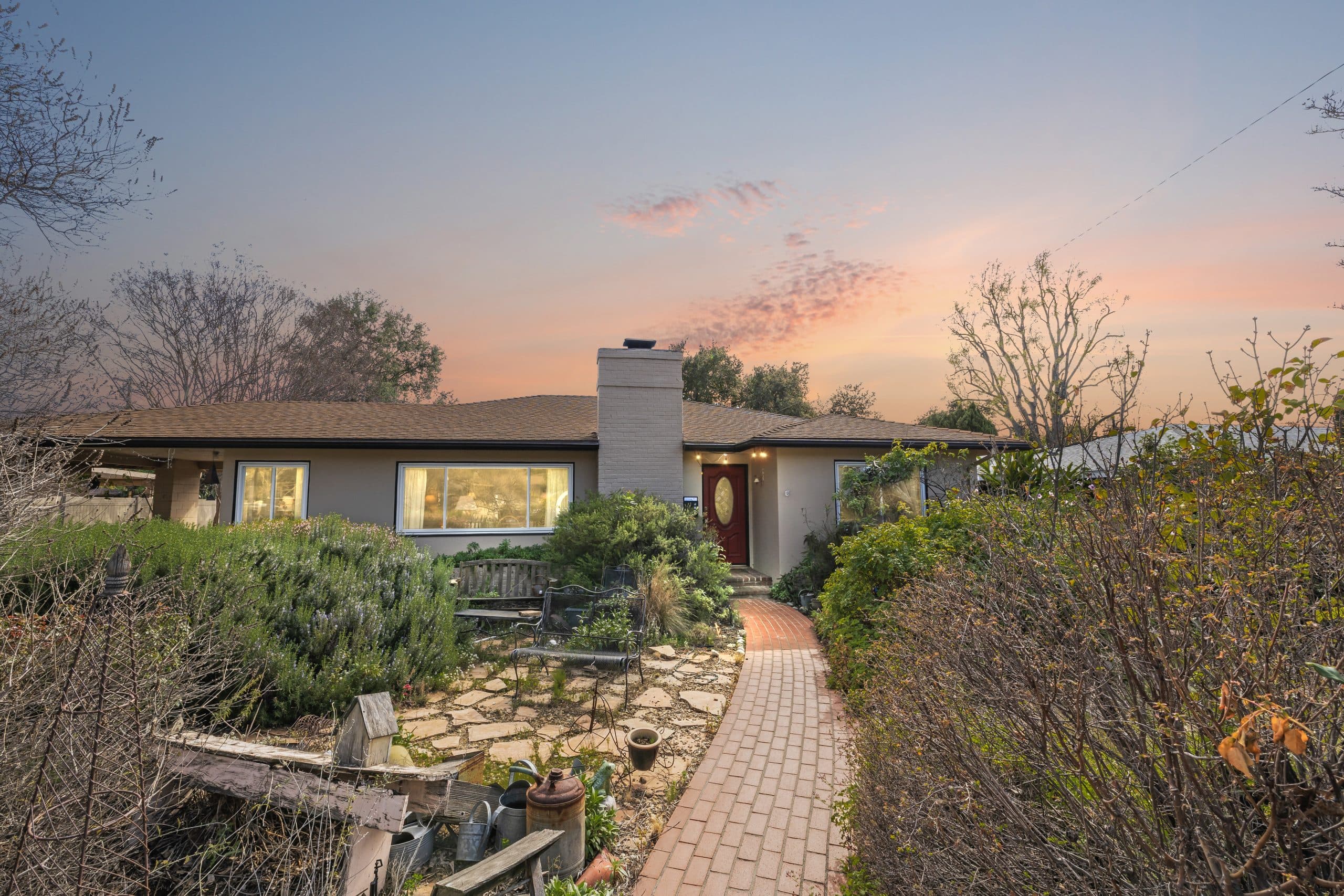
For a lot of Claremont homeowners, the garden is the hardest part of the conversation.
The house is manageable. The furniture is solvable. But the roses went in a long time ago, the citrus was planted for a reason somebody remembers, and the shade under that tree took decades to arrive. None of that fits in a box.
It is worth saying plainly: this is a real loss and it is reasonable to grieve it. It is also, more often than people assume, a solvable problem rather than a binary one.
Work out what you are actually attached to
Gardeners tend to describe their attachment as the garden, but underneath it is usually one of several different things, and they have different solutions.
Some people love the ACTIVITY. Hands in soil, something to tend, a reason to be outside in the morning. That travels almost anywhere, including to a patio, a few large containers, or a shared plot.
Some people love the RESULT. Cut flowers on the table, fruit in season, a view from the kitchen window. That can often be reproduced at smaller scale, and sometimes better, because a small garden gets more attention per plant.
Some people love the SPECIFIC PLANTS. This one is different, and it deserves honesty. A mature tree is not portable and a decades-old planting cannot be recreated on a new timeline.
Knowing which of the three is doing the work changes the whole decision. Two of them come with you.
Take cuttings, seeds, and divisions
This is the practical answer nobody thinks of early enough, because it has to happen before the sale, not after.
Many plants can be propagated. Divisions of perennials, cuttings from shrubs and roses, seed saved from what you have grown. A local nursery will tell you what is realistic for a particular plant and the right season to do it in, and Claremont is well served for that kind of advice.
Start earlier than the move. Propagation runs on a plant's schedule, not yours, and a rooted cutting in a pot is a very different thing from a wish you had taken one.
The result is genuinely meaningful. A rose in the new garden that came from the old one is not a replacement, but it is a continuation, and people who do this rarely regret it.
Photograph the garden properly
Not phone snapshots on the last day. Photograph it across the seasons while you still have them: the bloom, the fruit, the light in the afternoon, the tree you planted when the children were small.
Write down what things are. A named list of what grew in that garden, with a few pictures, is something families keep. It also turns out to be useful for the next owners, and handing it over is a kindness that costs nothing.
A small garden is a different craft, not a lesser one
Something people discover after the move is that a smaller planting area is not simply a reduced version of the old one. It is a distinct practice.
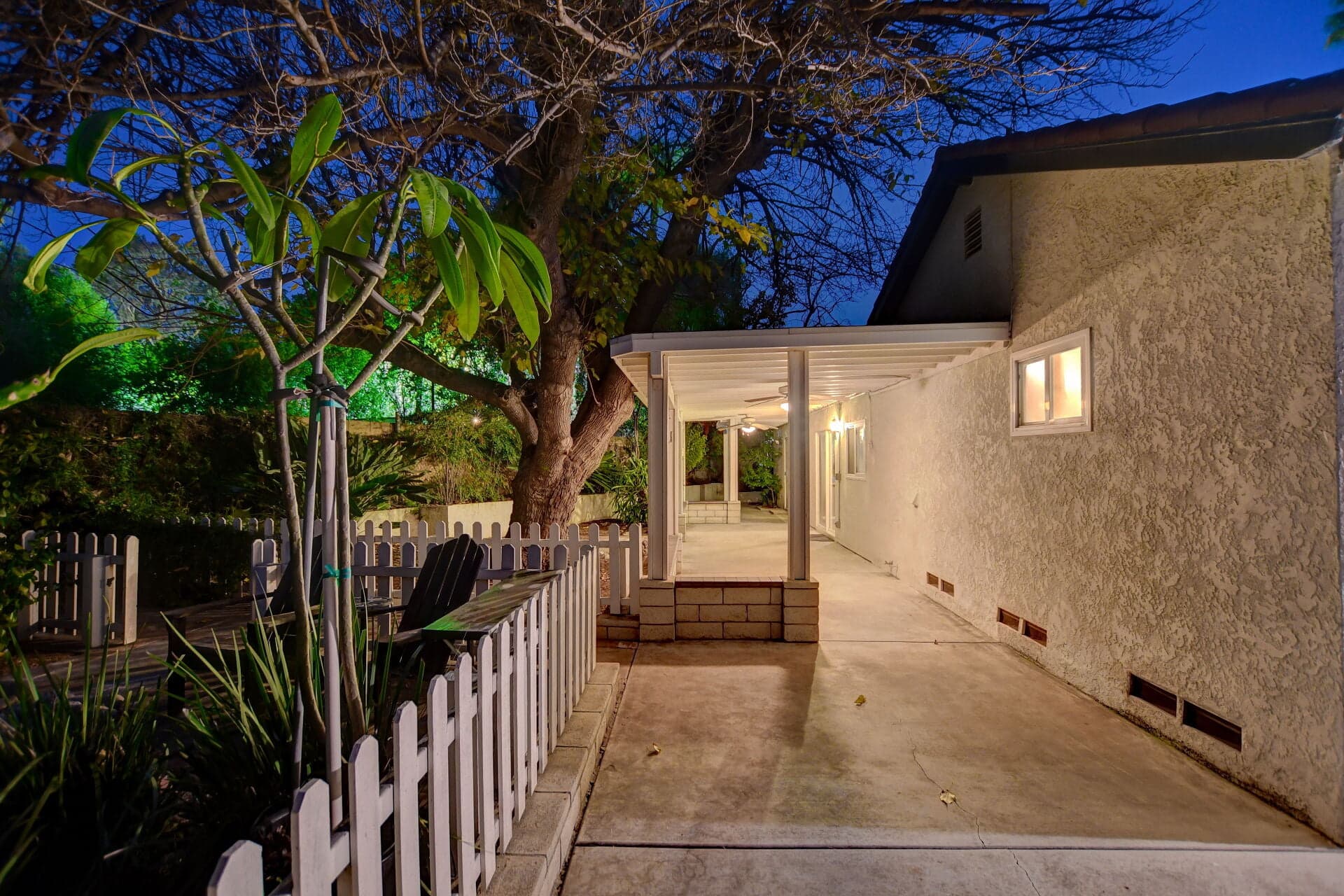
Containers on a patio can be genuinely productive, and they can be moved with the sun and the season, which no bed can. Raised beds concentrate effort where it pays. Espaliered fruit along a wall does real work in almost no footprint. Vertical growing, dwarf varieties, and a couple of well-chosen pots often outperform a neglected quarter of a large yard.
And there is the part nobody mentions in advance: a smaller garden is one you actually keep up with. Many gardeners find the reduced scale is a relief rather than a compromise, because the guilt of a yard outrunning them goes away.
Options beyond your own ground
If the new home genuinely has no space, the habit does not have to end.
Community garden plots exist in the area and are worth investigating early, because availability varies and waiting lists are real. Volunteering at a public garden or a botanic setting puts you in the work without owning it. Some associations permit container gardening on patios and balconies within their rules, which is one of the specific things worth checking in the documents before you buy rather than after, alongside the questions covered in our look at downsizing without leaving Claremont.
Ask the question during the search, not once you have moved in. It is much easier to choose a home that permits what you want than to negotiate it afterward.
Let the garden count in the search
If gardening matters to you, treat outdoor conditions as a real requirement rather than a bonus. Orientation and light. Whether there is water access outside. Whether the patio gets sun in the morning or bakes in the afternoon. Whether there is anywhere to put a bag of soil and a few tools.
A home that is slightly less convenient indoors but works outdoors may serve you far better than the reverse. That is a legitimate way to rank homes and it is one people talk themselves out of.
If the garden is the reason to stay, that is allowed
Occasionally the honest conclusion is that the garden is the thing you are least willing to give up, and there is no version of the move that keeps it.
Staying is a legitimate outcome. So is scaling back the maintenance where you are, bringing in help for the heavy parts, or simplifying beds while keeping the trees. None of that requires selling anything.
If you do want to think through the whole picture, including the timing, the Claremont downsizing hub starts from the top, and when is it time to downsize deals with the question of readiness rather than mechanics.
Anthony Grynchal has been licensed in California since November 2009.
Frequently asked questions
Can I take plants from my garden when I move?
Often, yes, in the form of cuttings, divisions and saved seed. Start well before the move because propagation runs on the plant's schedule, and ask a local nursery what is realistic for a particular plant and season.
Can I still garden in a condo or a small yard?
Usually. Containers, raised beds, dwarf varieties and espaliered fruit do real work in a small footprint, and many gardeners find a smaller space is one they actually keep up with. Check association rules before buying.
What if the new home has no outdoor space at all?
Community garden plots and volunteering at public gardens both keep the habit alive. Look into availability early, because plots are limited and waiting lists are common.
Should the garden influence which home I choose?
If it matters to you, yes. Treat light, orientation, outdoor water access and a place for tools as real requirements rather than bonuses, and rank homes accordingly.

Written by
Anthony Grynchal
Anthony Grynchal is a California real estate professional with eXp Realty, licensed since November 2009 (California DRE# 01873626), and the Designated Local Expert™ for Claremont — where he has lived for more than 33 years.
More about AnthonyPublished · Updated