
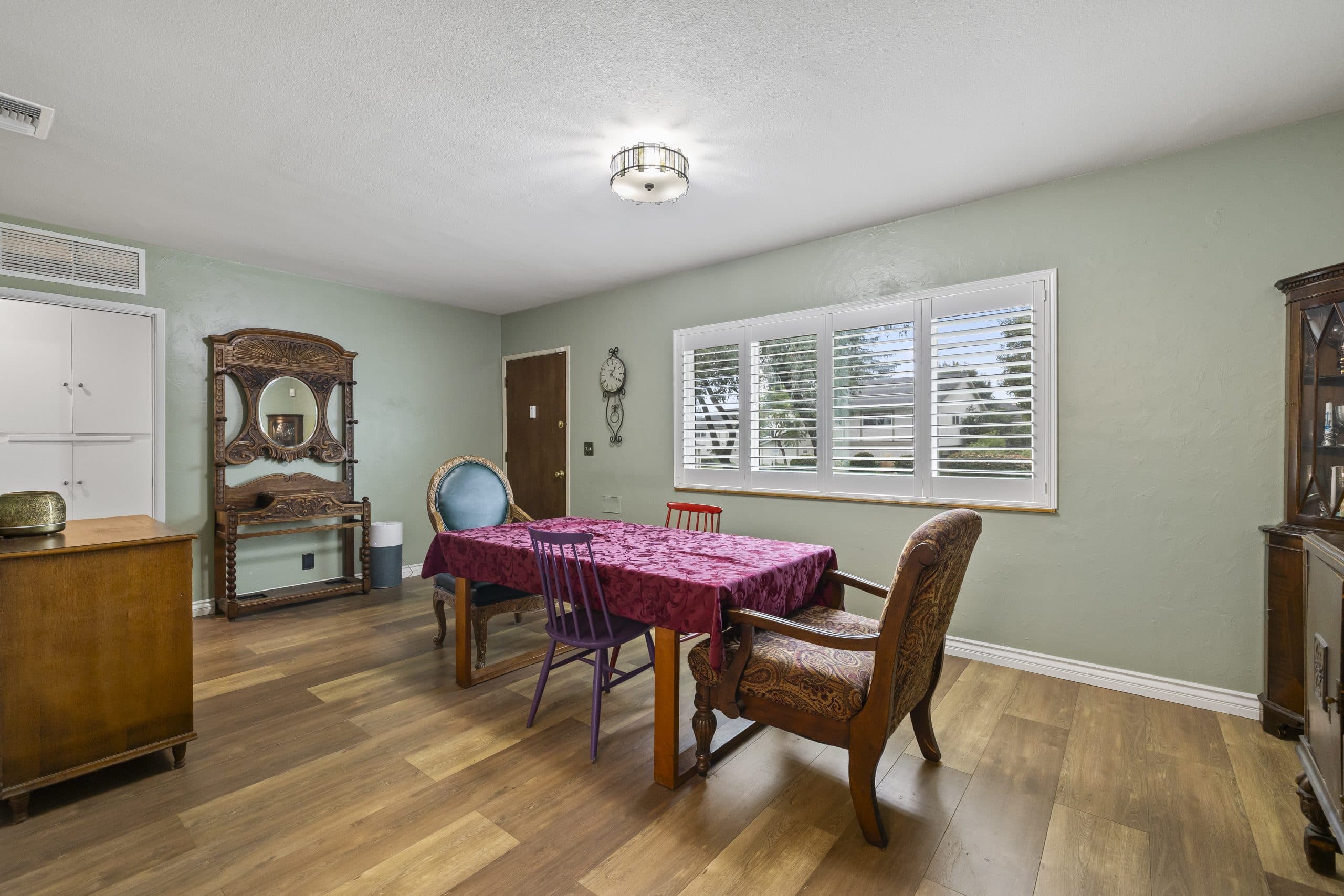
When people imagine downsizing, the picture that frightens them is rarely the smaller house. It is the leaving — the idea that letting go of the big house means letting go of the town: the Sunday farmers market, the friends ten minutes away, the streets they have walked for thirty years. So let this page begin with its conclusion: you do not have to leave. Claremont holds a genuine range of landing places for people who want less house and the same town, and the whole art of downsizing here is matching your actual life to the right one. This article tours the options honestly — what each one gives, what each one costs in trade — because every landing place is a bargain of some kind, and the good decisions are the ones made with the trade in plain view. The bigger picture — the equity, the timing, the sorting, the sequencing — lives in the Claremont downsizing guide; this page goes deep on the destination question alone.
The Village condo or townhome: the walkable trade
For downsizers who want their week to run on foot, the condos and townhomes in and around the Village are the destination, and the life they offer is specific: coffee and the farmers market within a stroll, the Metrolink depot for car-free trips out, evenings that end with a walk instead of a drive. The other half of the appeal is the lock-and-leave: when the building handles the roof and the landscaping, a month visiting grandchildren requires nothing but a locked door. The trade is real and worth stating plainly. Homeowners association life means monthly dues and shared decisions — rules about what you can change, neighbors through a wall, a garden that belongs to everyone and so to no one. For some people that is precisely the point: decades of sole responsibility for a house, traded for a life where the maintenance is somebody's job other than yours. For others, the loss of full autonomy grates. The honest full tour of this form of ownership — what associations actually do, what to read before buying in, how shared walls actually live — is the territory of the Claremont condos and townhomes guide, and it is required reading before this trade is made.
Single-story South Claremont: the one-level answer
The most common wish list I hear from downsizers has three items: one story, a smaller yard, a real neighborhood. The largest supply of that answer sits in South Claremont, where the postwar stock is disproportionately single-level, the lots are manageable rather than demanding, and the blocks have the settled, front-porch texture of neighborhoods built when houses faced the street. This is where a downsizer keeps everything essential about house life — a private garden sized to enjoyment rather than obligation, no shared walls, full autonomy — while shedding the stairs and the acreage. And because this part of town has typically been its more attainable side, the move often leaves more of a long tenure's equity free for the life it is meant to fund. The trade here is subtler than the condo trade: you are still a homeowner with a roof and a water heater that are entirely yours, which is exactly what some people are trying to graduate from. The question to sit with is whether what you are done with is the house, or just this house.
Moving three blocks: smaller in your own neighborhood
Some of the most contented downsizers I have worked with moved almost nowhere: a smaller house in the same neighborhood, sometimes visible from the old one. Same neighbors, same walking loop, same market run, same church or club or coffee ritual — the entire web of daily belonging preserved intact, minus the square footage that had become a burden. In a town where community runs as deep as it does here, staying inside your own daily geography is a legitimate strategy, not a failure of imagination. The honest caveat is supply: the smaller homes inside any one specific neighborhood are the thinnest slice of an already low-turnover market, so this path rewards patience and preparation — the willingness to get ready early and then wait for the right house, rather than needing one on a deadline. It pairs naturally with an unhurried timeline, which is one more argument for starting the whole conversation early; if you are still weighing whether it is time at all, that question has its own honest treatment in When Is It Time to Downsize Your Claremont Home?.
The senior communities: a later step, not this one
Claremont is unusual in holding several well-known senior communities — Pilgrim Place, Claremont Manor, Mt. San Antonio Gardens — and their presence changes the downsizing conversation even for people who never join one. Knowing a further step exists, in town, takes enormous pressure off today's decision: the smaller house does not have to be the last house, just the right next one. For most downsizers these communities are a chapter after this chapter — a different decision, made on different criteria, often years later. Their offerings, terms, and waitlists are their own subject and change over time, so explore them directly with the communities when that chapter approaches. What belongs in today's decision is simply the comfort of the fact: in this town, the road has more than one exit, and none of them requires leaving. The longer arc of housing decisions in later seasons is walked honestly in the Claremont seniors guide.
Renting for a season: the underrated bridge
The option nobody considers first and many are glad they considered at all: sell the big house, then rent in town for a season while choosing the next home calmly. After decades in one house, this does three things no other path can. It converts the equity to certainty, so that when the right smaller home appears you act from funds in hand rather than contingencies. It removes every deadline from the choosing — no more buying whatever is available the month the big house closes. And it lets you test a life before committing to it: a winter in a Village rental answers the walkable-condo question more reliably than any number of open houses. The trade is the move itself — two moves instead of one, and a season of impermanence that some people find freeing and others find unsettling. It is not the right path for everyone; it is the right path for far more people than currently take it.
How to choose: run your actual week
The method that cuts through the options is almost embarrassingly simple: map the week you actually live, not the one you imagine. Where do you walk, drive, gather? Is the garden an hour of joy or a Saturday of obligation? How often do you travel, and what does the house demand while you are gone? How do the grandchildren actually visit — an afternoon at a time, or a week at Thanksgiving that needs a real guest room? Put your true week next to each option — the Village condo, the single-story South Claremont home, the smaller house three blocks away, the rental season — and the fit usually announces itself. The option that matches the week you live beats the one that photographs best, every time. And if part of the family conversation is whether to stay in Claremont at all — nearer to children elsewhere, a different climate, a different cost of living — run that comparison honestly too; the framework in the Claremont relocation guide works in both directions, and plenty of downsizers run it and conclude the town is exactly why they are staying.
Sequencing the move
Whichever destination fits, the calm sequence is usually the same: prepare the big house without listing it, get the value read early, settle the financing question in advance, and sell from readiness rather than urgency — most often selling first, with a negotiated rent-back buying time to land well. The full sequencing logic, including the buy-first bridges for the situations that need them, is mapped in the downsizing guide. What the destination choice adds is focus: a downsizer who knows where they are landing prepares differently, searches differently, and negotiates from a far steadier place than one still deciding among five futures. Decide the landing first, even provisionally, and everything after it simplifies. And through all of it, one more honest acknowledgment: choosing a destination is easier than leaving a home you love, and the two deserve to be worked on together — the leaving has its own honest companion in The Emotional Side of Leaving a Longtime Claremont Home.
I am Anthony Grynchal, Mr. Claremont — licensed in California since November 2009 — and helping downsizers land well inside this town is some of the most satisfying work I do: same market, same trees, same friends, less house. If you want to walk through what each of these options actually looks like for your situation — unhurried, specific, and with no commitment attached — call me at (909) 731-5374. The right next chapter might be three blocks away.
Frequently asked questions
Can I downsize in Claremont without giving up a garden entirely?
Yes — that is one of South Claremont's quiet strengths. The postwar single-story stock sits on manageable lots where a garden can be sized to enjoyment rather than obligation, and many townhomes offer patios that keep the morning-coffee-outside ritual alive. The question to answer honestly is what the garden is to you: if it is the hobby, protect it; if it has become the burden, the walkable condo trade may fit better.
What is the most walkable way to downsize in Claremont?
The condos and townhomes in and around the Village. That landing puts the farmers market, coffee, restaurants, and the Metrolink depot within a stroll and adds lock-and-leave simplicity for travel. The trade is homeowners association life — dues, shared decisions, and a garden that belongs to the building — so read the association's realities carefully before committing to it.
Are Claremont's senior communities the same thing as downsizing?
No — they are a different, usually later chapter. Downsizing typically means a smaller independent home: a condo, a single-story house, a smaller place in your own neighborhood. Claremont's well-known senior communities — Pilgrim Place, Claremont Manor, Mt. San Antonio Gardens — are a further step some residents take years afterward, and their terms and waitlists are best explored directly with the communities. Their real gift to today's decision is knowing the road has another exit, in town, if it is ever wanted.
Is it a mistake to rent after selling a longtime house?
For many downsizers it is the wisest move available. Selling first and renting for a season converts the equity to certainty, removes every deadline from choosing the next home, and lets you test a different life — like a walkable Village winter — before committing to it. The cost is a second move and a season of impermanence. It is not for everyone, but it deserves far more consideration than it usually gets.

Written by
Anthony Grynchal
Anthony Grynchal is a California real estate professional with eXp Realty, licensed since November 2009 (California DRE# 01873626), and the Designated Local Expert™ for Claremont — where he has lived for more than 33 years.
More about AnthonyPublished · Updated