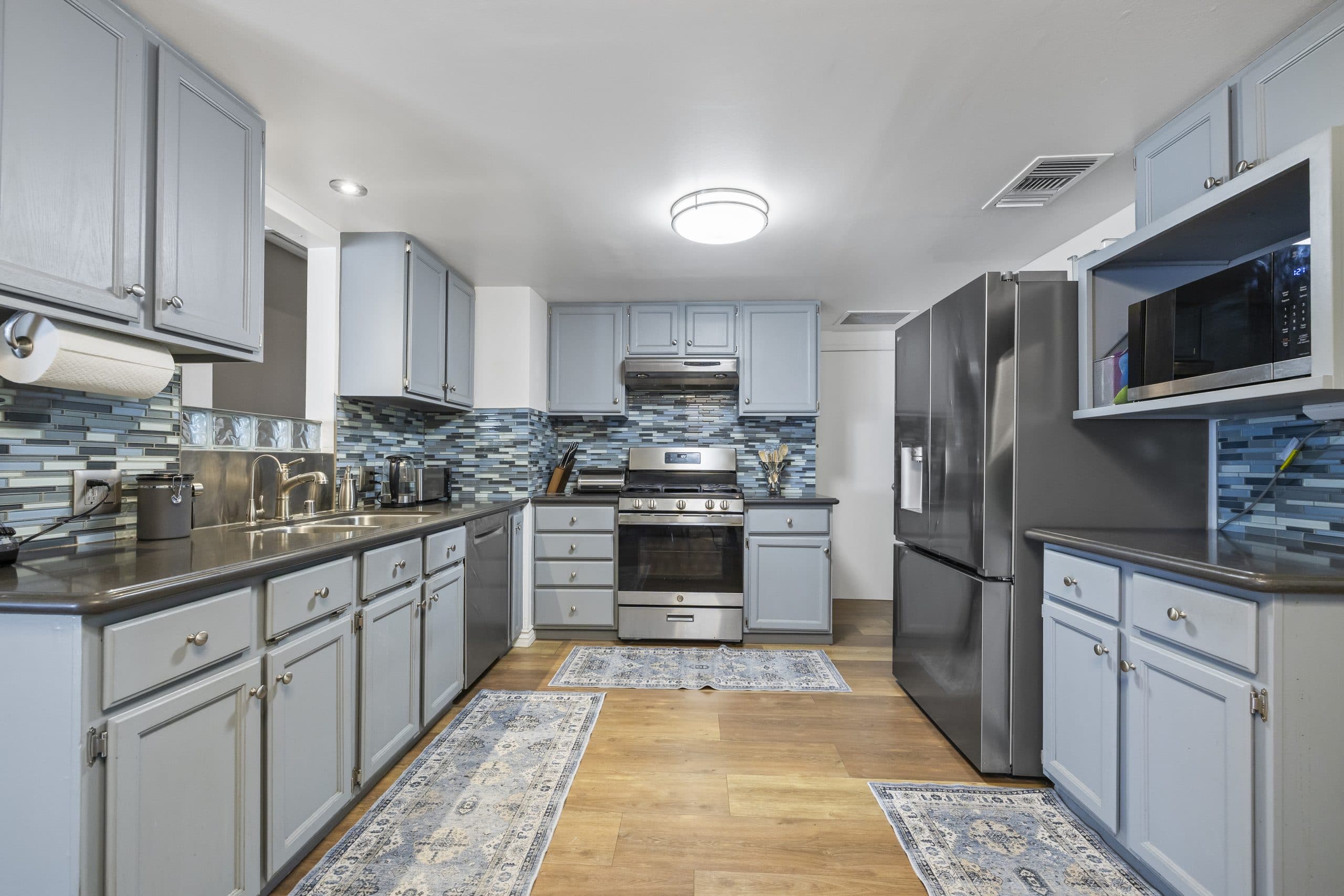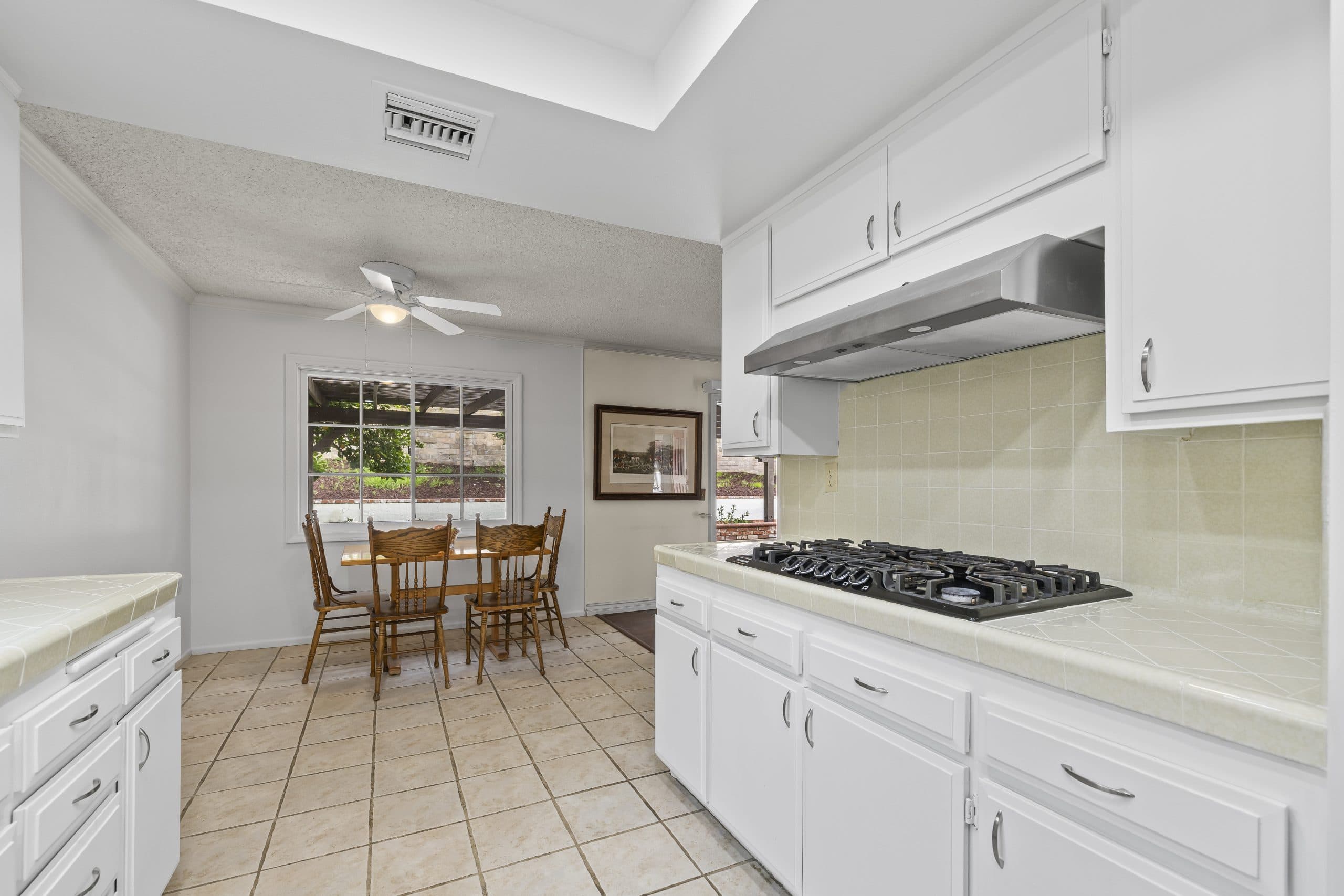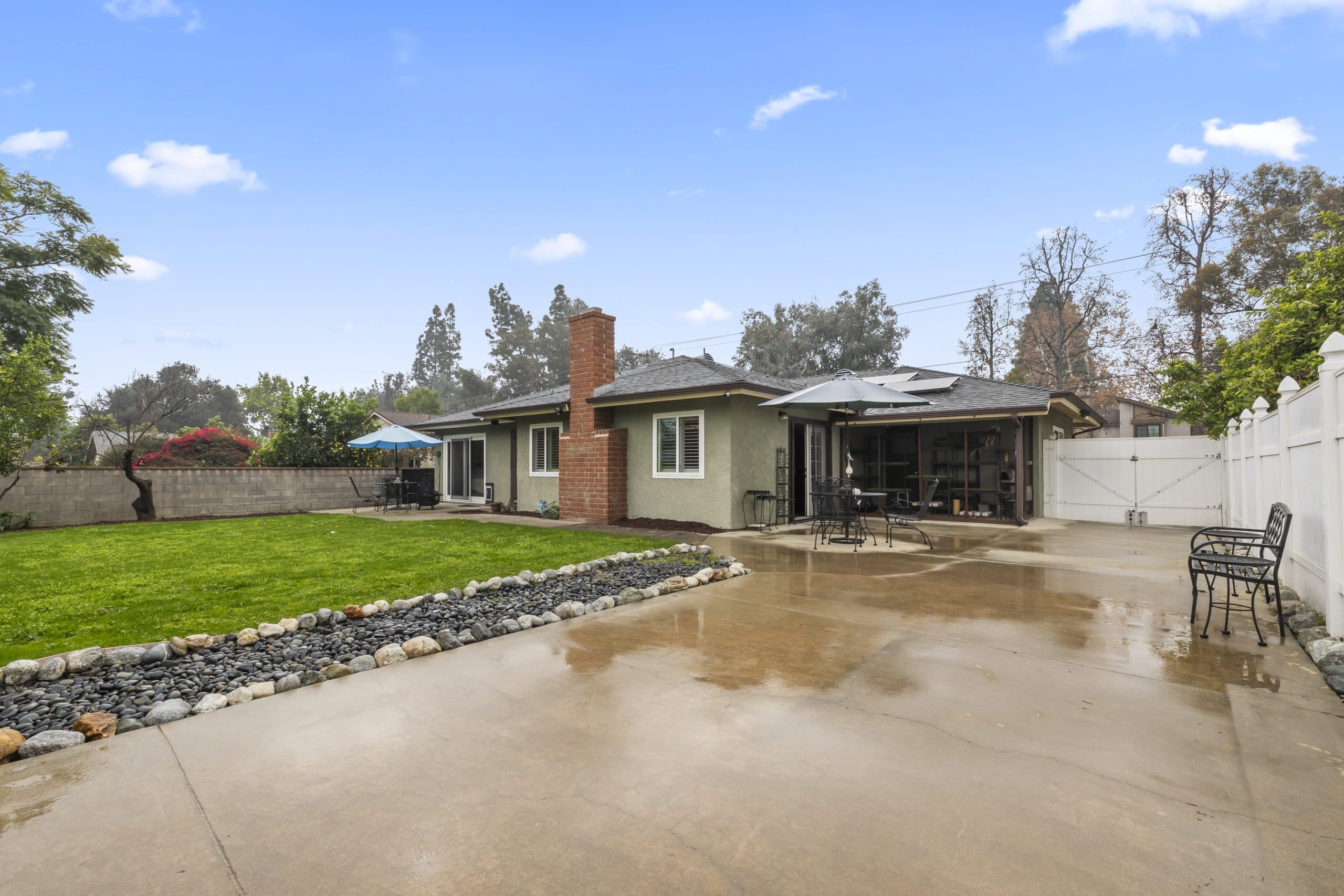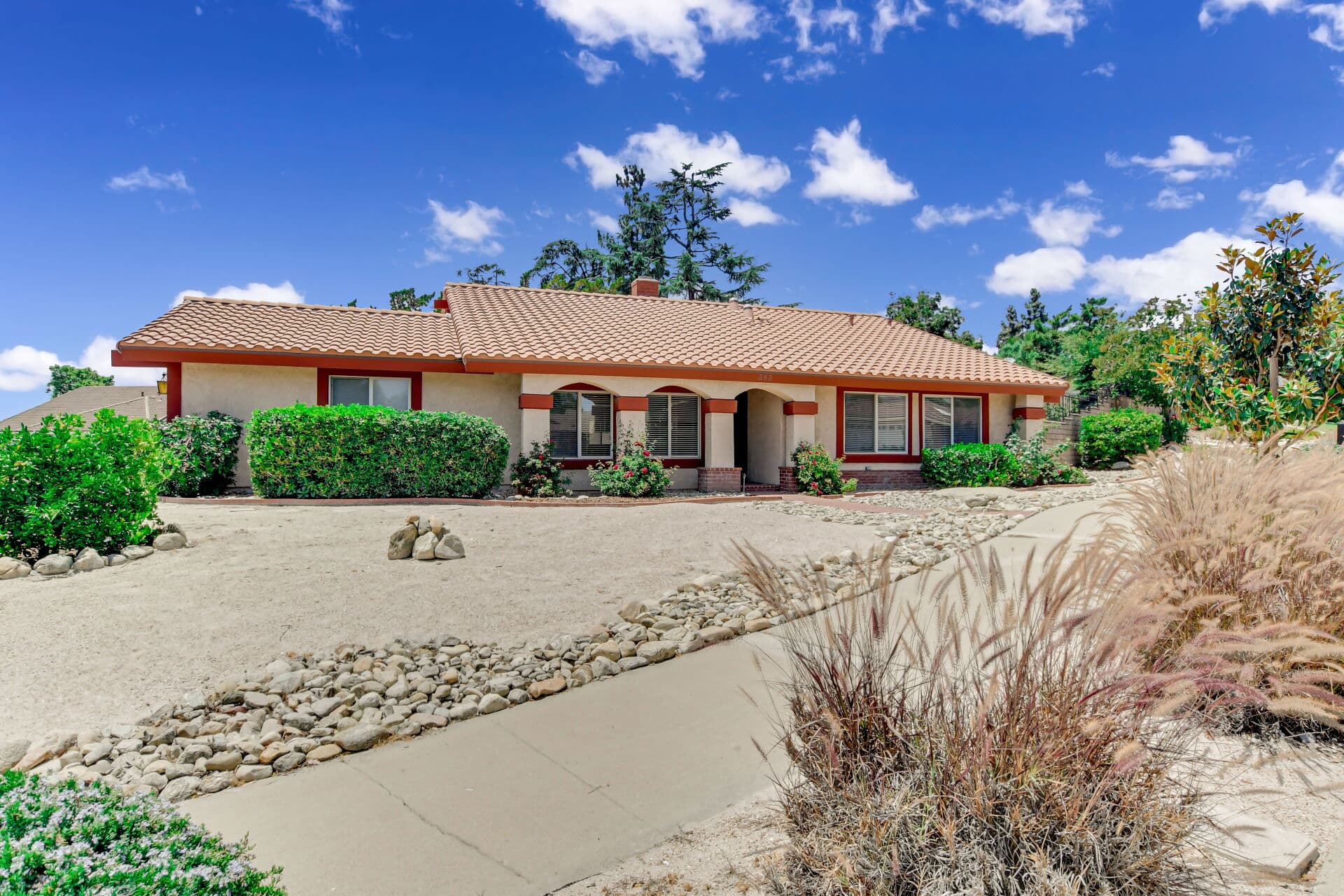
People tour a smaller home and look at the living room. Then they move in and discover that the room deciding whether they are happy is the kitchen.
It is the one space in a house that has a job description. A living room can be smaller and simply be cosier. A kitchen that cannot do what you ask of it is a daily irritation, and it is the hardest room to fix after the fact.
So before the square footage conversation, it is worth writing down what your kitchen actually does. Not what a kitchen does in general. What yours does.
Start with an honest inventory of how you cook
There is a version of this question that gets asked badly. Someone assumes that a household moving to a smaller home will also start cooking less, and designs around that assumption. Sometimes that is right. Often it is completely wrong, and the person doing the assuming is not the person who cooks.
Write down the real pattern. How many nights a week is something cooked from raw ingredients. Whether there is baking, and whether baking means a sheet of cookies or a standing weekly bread habit. Whether anyone cans, ferments, or preserves. Whether there is a holiday meal each year that involves two ovens or a turkey that needs a particular rack height.
Then note the equipment that pattern requires. A stand mixer that lives on the counter is a footprint. A pressure canner is a storage problem. A set of good pans is not negotiable for the person who uses them, and telling them to buy smaller ones is not a downsizing plan, it is a request to cook differently.
Counter run matters more than total square footage
The single most useful measurement in a kitchen is not the room size. It is the longest uninterrupted run of counter.
A kitchen can be small and still work beautifully if there is one stretch of counter long enough to lay out ingredients, work, and set things down. The same footage broken into three short segments by a sink, a cooktop, and a corner is a much worse kitchen, because every task becomes a shuffle.
When you tour, put a tape measure on the longest clear run. Then measure the same thing at home. If home has a generous stretch and the new place has three fragments, you have found the thing that will annoy you, and you found it before you signed anything.
The second measurement is the landing space beside the oven and beside the refrigerator. Somewhere to put the hot pan down and somewhere to set the bag while unloading. Kitchens that omit both feel much smaller than their dimensions suggest.
Storage is a volume question, not a cupboard count
Listings talk about cabinets in numbers. What matters is what fits in them.
Deep lower cabinets with no pull-outs hold a great deal and give access to about a third of it. Upper cabinets above a certain height are storage on paper and dead space in practice if reaching them means a stool. A pantry cupboard that is one shelf deep holds far less than its width implies.
The practical test is to name the six bulky things you own and ask where each one lives in the new kitchen. The stockpot. The roasting pan. The mixer. The serving platters. The small appliance nobody wants to give up. The food storage containers that multiply on their own. If four of the six have no home, the kitchen is smaller than it looks, and something is going to end up on the counter permanently, which eats the counter run you just measured.
The dining question is part of the kitchen question
Many smaller homes trade a separate dining room for an eat-in kitchen or a counter. That is often a fine trade and sometimes an excellent one, because a formal dining room used four times a year is expensive square footage.
But it changes what the kitchen has to absorb. If the table moves into the kitchen, the table is now competing with the work space. If the plan is still to seat everyone at holidays, the room has to hold both, and that is worth thinking about honestly rather than discovering in November. There is more on that in still hosting in a smaller Claremont home.
Older Claremont kitchens have their own character
A good deal of Claremont housing stock predates the open-plan era, and the smaller homes especially. That is not a defect. It does mean some specific things are worth checking.
Look at how the kitchen connects to the rest of the house. A galley with one door works differently from one with a pass-through. Look at where the natural light comes from and at what time of day, because a north-facing kitchen with one small window is a different room to work in than the plans suggest.
Look at the electrical. Older kitchens frequently have fewer outlets than a modern set of appliances wants, and the ones they have may not be positioned where the counter run is. That is fixable, but it is a line on the budget rather than a free assumption.
And look at whether the kitchen has been remodeled once already, because a remodel from a previous era may have made choices that suited that household and not yours.
What is worth changing and what is not
Some kitchen problems are cheap to solve. Pull-out shelves inside existing lower cabinets recover most of the depth. A better light fixture changes a room. A wall-mounted rail frees counter.
Some are not. Moving plumbing, moving the range, or taking out a wall are real projects, and taking them on immediately after a move is a heavy thing to sign up for when you are also unpacking a lifetime of belongings.
The useful rule is to buy the kitchen you can live in on day one, and treat improvements as optional. A house you only like after a renovation is a house you have to renovate.
This is the same logic as the wider point about what a smaller home actually has to accomplish, which is set out in what to ask a smaller home to do.
Bring the tape measure and bring the cook
The person who cooks should be at the showing. Not consulted afterwards. Standing in the room, opening the cabinets, and finding out whether the drawer beside the range is deep enough for what goes in it.
That sounds obvious and it is skipped constantly, usually because one person is doing the house search and reporting back. A kitchen judged from photographs is a kitchen judged badly.
If a smaller home is on your mind and you want a straight read on whether a particular kitchen will work for the way your household actually lives, that is a conversation I am glad to have without any commitment attached. Start at the Claremont downsizing hub, and if the storage side is the part worrying you, reading a smaller home's storage before you buy goes deeper on it.
Anthony Grynchal has been licensed in California since November 2009.
Frequently asked questions
How small a kitchen is too small?
There is no universal number. The useful tests are the longest uninterrupted counter run, whether there is landing space beside the oven and refrigerator, and whether the six bulkiest things you own have somewhere to live. A small kitchen that passes those tests works better than a larger one that fails them.
Should I plan to remodel the kitchen after moving in?
Buy a kitchen you can live in from day one and treat improvements as optional. Pull-out shelving, lighting, and wall storage are inexpensive fixes. Moving plumbing or the range is a real project, and taking one on while unpacking a whole household is a heavy thing to sign up for.
Do older Claremont kitchens need updating?
Not necessarily. Check the counter run, the light, the connection to the rest of the house, and the electrical, since older kitchens often have fewer outlets than modern appliances want. Those are the things that matter day to day, and they are checkable in a single visit with a tape measure.
Who should look at the kitchen during a showing?
The person who cooks, in the room, opening cabinets and drawers. A kitchen judged from listing photographs or from a partner's description is judged badly, and it is the room most likely to decide whether the household is happy in the house.

Written by
Anthony Grynchal
Anthony Grynchal is a California real estate professional with eXp Realty, licensed since November 2009 (California DRE# 01873626), and the Designated Local Expert™ for Claremont — where he has lived for more than 33 years.
More about AnthonyPublished · Updated