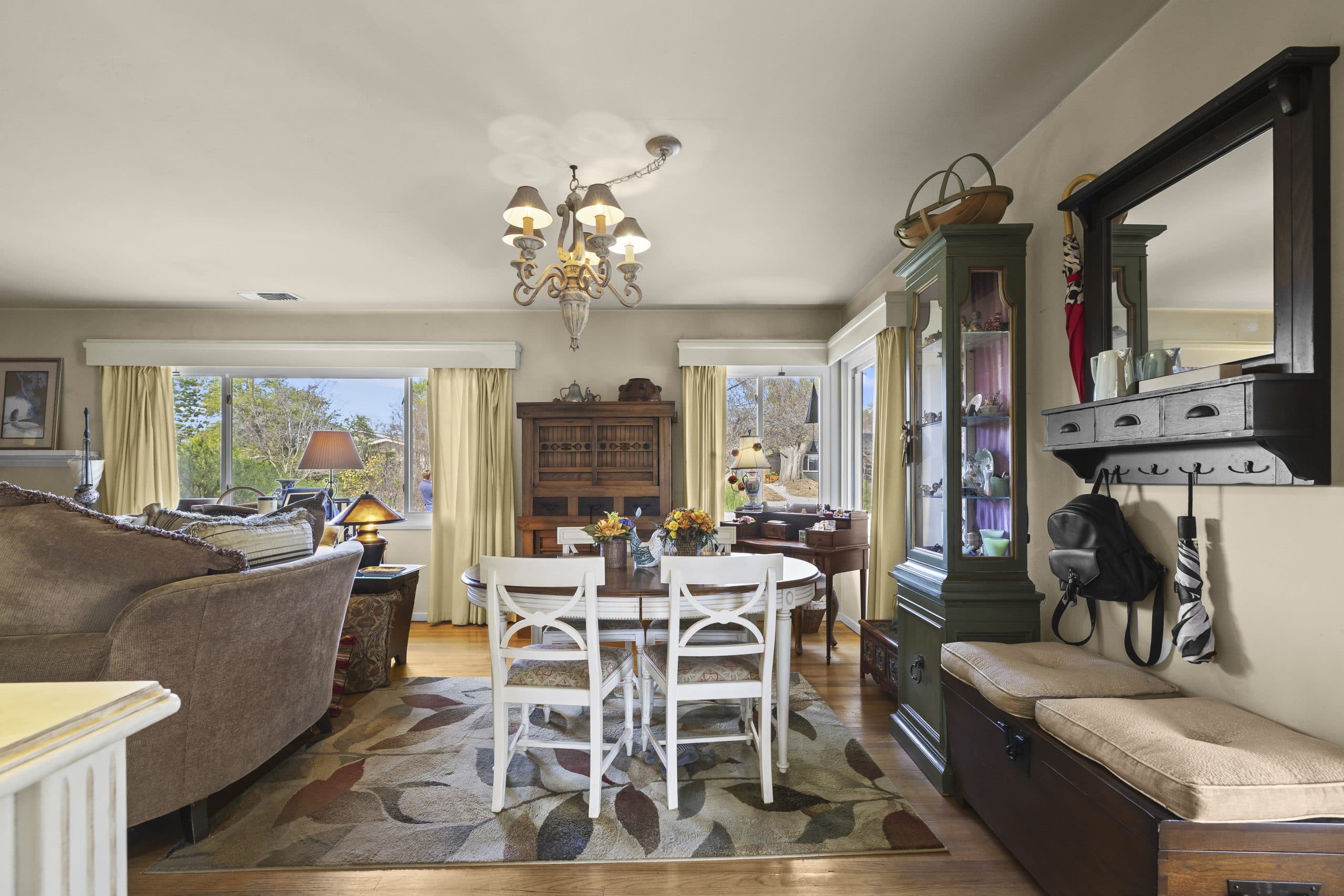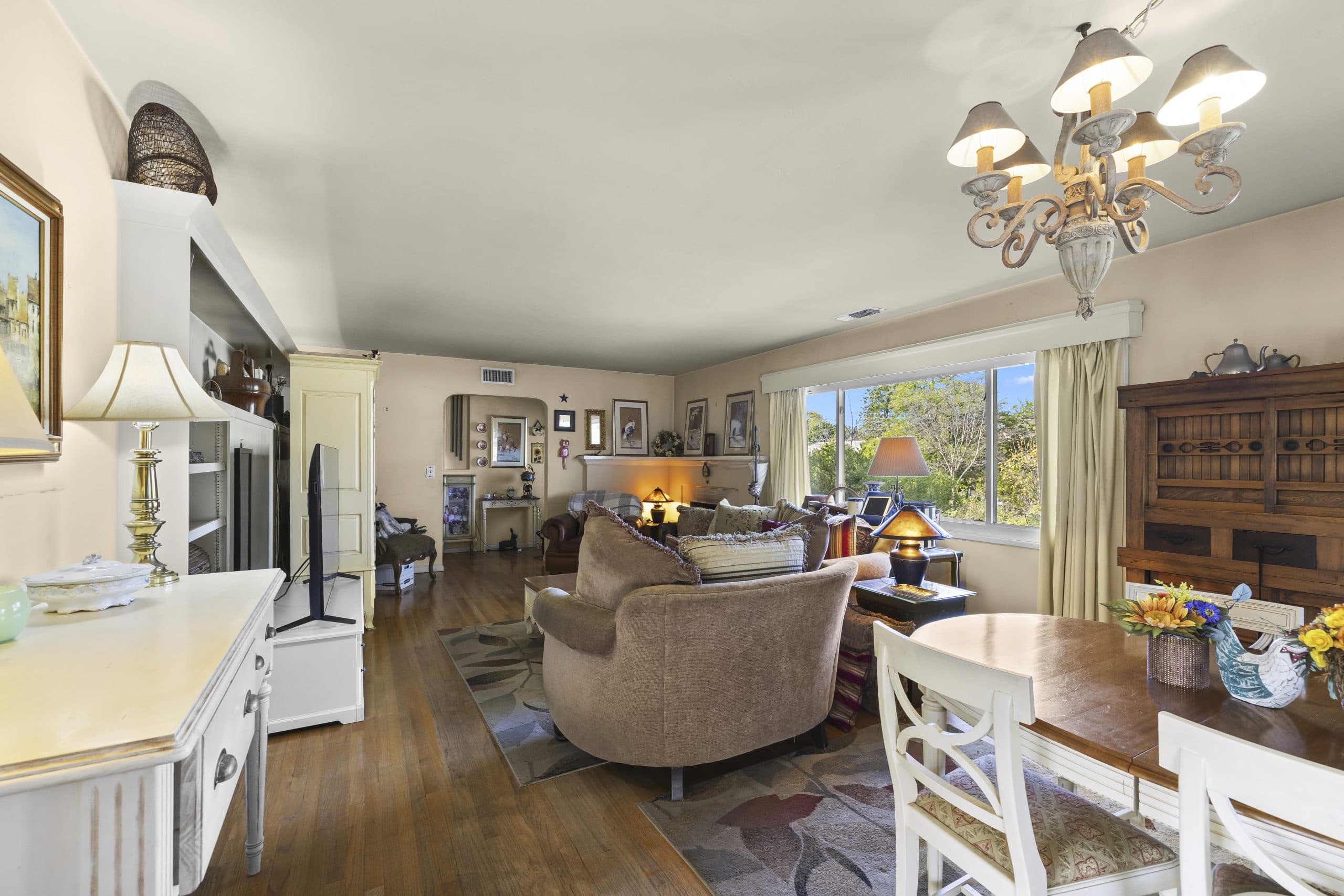
Downsizing from one home into a smaller one is a subtraction problem. Merging two complete households into a single home is a different exercise entirely, and it catches people off guard.
Two people who each own a fully furnished home are not moving into something smaller. They are moving into something smaller than either of them had, with twice the contents. Every category in the house exists in duplicate, and every duplicate carries a history.
Couples marrying or moving in together later in life run into this, and so do siblings combining, friends sharing a home, and a parent moving in with an adult child.
The arithmetic nobody does in advance
Two dining sets. Two sofas. Two beds. Two full kitchens, each with the pans somebody has cooked with for thirty years. Two sets of tools, two collections of holiday decorations, two filing cabinets of records, two of everything with a cord attached.
The volume is the obvious problem. The harder one is that objects that seem interchangeable are not. One person's mixing bowls came from their mother. One person's chair was bought during a good year. Neither is negotiable in the way an appliance is.
So the sorting cannot be done on the practical merits alone, and pretending it can is where the friction starts.
Sort by category, and decide the rule first
Going room by room does not work here, because the duplicates are spread across the house. Going by CATEGORY does.
All the dining chairs together. All the cookware together. All the bedding. Seeing both sets side by side turns an argument into a comparison, and comparisons are much easier to resolve.
And as with dividing family items, agree on the method before anyone defends anything. A simple version that works: each person names a small number of untouchable items in each category, no justification required, and everything else gets decided on the practical merits.
The untouchables are the point. Knowing that a handful of things are simply safe makes people far more flexible about the rest.
Neither household should feel like a guest
This is the quiet failure mode. One person's things fill the home, and the other lives in a house full of someone else's belongings, with a box in the garage.
It rarely comes from malice. Usually one home was larger, or one person moved into the other's house, or one set of furniture simply fit better. But the result is corrosive over time, and it is worth heading off deliberately.
Practical remedies: make sure both people's things appear in the shared rooms, not only in a private corner. Give each person a space that is theirs to arrange. And if one person is moving into a home the other already owned, expect to change some of it. A home that stays exactly as it was sends a message even when nobody intends one.
Two homes usually means one sale, or two
The property side has its own shape. There may be two homes to deal with, and they may not be ready at the same time, or worth handling in the same way.
The sequencing question gets more complicated with two properties involved, and the answer usually depends on which home you are keeping, if either. Selling both and buying together is a different plan from one person moving into the other's home and selling one. Both are common. The trade-offs in ordering are covered in buy first or sell first.
If one home is being kept, it is worth asking honestly whether it suits both people, or only the person who already lives there. The convenience of not moving is real, and it is not the same as the home being right.
Get the paperwork questions to the right professionals
Combining households brings up ownership questions that a real estate article cannot answer and should not try to.
How title is held, what happens to each person's property, how each person's children are affected, what any existing estate documents say, and what the tax consequences of selling one or both homes might be. Every one of those depends on individual facts, and every one of them belongs with an attorney and a CPA.
The same is true of anything touching California's property tax rules and base-year value. Those rules are intricate and they turn on the specifics of the transaction and the owner. The Los Angeles County Assessor is the authority on how any of it applies to a particular property, and no general answer should be relied on. Our overview of the tax questions every downsizer asks is a map of who to ask, not a substitute for asking.
Having those conversations early is far better than discovering a complication mid-transaction.
Talk to the adult children before, not after
Both sides usually have families, and families notice when two households become one. Items disappear. Homes get sold. Assumptions get disturbed.
A short conversation in advance about what is happening and why prevents a surprising amount of later difficulty, particularly around belongings that children expected to see again. Offer them the chance to take what matters to them before the sorting rather than after.
Give it more time than a single-household move
Everything here takes longer. Two homes to empty, two sets of decisions, two people who both have to agree, and two families to keep informed.
Build the runway accordingly. Storage is tempting at this stage and it is worth using only as a bridge with a date attached, not as a way to postpone deciding.
And if the conclusion is that neither home should be sold yet, that is a real option too. If you want to see how the pieces fit together, the Claremont downsizing hub covers the sequence without assuming a destination.
Anthony Grynchal has been licensed in California since November 2009.
Frequently asked questions
How do you combine two fully furnished households?
Sort by category rather than by room, so both sets of the same thing are compared side by side. Agree the method first, and let each person name a small number of untouchable items that need no justification.
How do you keep one person from feeling like a guest?
Make sure both people's belongings appear in the shared rooms, give each person a space to arrange as they like, and expect to change a home that one of you already lived in.
What legal questions come up when two households merge?
How title is held, what happens to each person's property, how each family is affected, and the tax consequences of selling either home. Those belong with an attorney and a CPA, and assessment questions belong with the county assessor.
Should we keep one of the two homes?
Only if it genuinely suits both people. The convenience of one person not having to move is real, but it is not the same as the home being the right one for the household you are forming.

Written by
Anthony Grynchal
Anthony Grynchal is a California real estate professional with eXp Realty, licensed since November 2009 (California DRE# 01873626), and the Designated Local Expert™ for Claremont — where he has lived for more than 33 years.
More about AnthonyPublished · Updated