The Claremont Village is the answer a lot of downsizers arrive at, and usually for the same reason. They are tired of driving for everything.
The pitch writes itself. Coffee on foot. The farmers market without parking. The Colleges, the theater, the library, dinner without getting in the car after dark. For someone leaving a house on a large lot up north, that sounds less like a downsize and more like an upgrade in the parts of life that actually get used.
It genuinely can be. But the Village trade has real costs on the other side of the ledger, and the people who are happiest there went in knowing what they were giving up.
What actually changes about the day
Start with the honest version of the benefit, which is not "charm." It is trip count.
In a car-dependent house, a forgotten item is a twelve-minute round trip minimum. Walkable living collapses that. You go out twice a day for small reasons, and the small reasons put you in front of people. That is the real mechanism behind why people describe Village living as feeling less isolated - not the shops, the incidental contact.
The second change is what happens when driving becomes harder. That is the long game here, and it is worth naming plainly. A house you can still live well in without a license is a very different asset than one you cannot, and that transition is the one that most often forces an unplanned move later.
The third change is upkeep. Most Village-adjacent downsizes mean a smaller lot or none at all, which is a Saturday returned to you every week.
The trade-offs nobody puts in the brochure
Noise is the first one. A walkable district is walkable because things happen in it. Evening foot traffic, restaurant activity, event weekends, and street parking pressure are all part of the package. Some people find it lively. Some find it a lot, especially after decades on a quiet street.
Parking is the second, and it is more practical than people expect. Ask specifically: how many dedicated spaces, where, and what happens when family visits. A household with two cars and a guest is a genuine planning problem in some Village properties.
Space for family is the third. This is the one I see cause the most regret. A two-bedroom near the Village works beautifully until Thanksgiving. If grandchildren staying over is a load-bearing part of your life, that requirement has to be written down at the start, not discovered in November.
And storage. Decades of household goods do not fit, and the temptation to solve that with a rented unit is strong and expensive. That trap has its own dynamics and it is worth being deliberate about it before the move rather than after.
The property types are not interchangeable
"Near the Village" covers several genuinely different living arrangements, and choosing the district without choosing the type is how people end up unhappy in a place they wanted.
A condo hands off the exterior entirely. Roof, paint, landscaping, often water and trash - someone else's problem, funded by a monthly assessment and governed by rules you agree to. Trading a mortgage-free house for a home with a permanent monthly obligation is a real shift in how the money works, and it deserves attention.
A townhome usually means shared walls and stairs. Watch the stairs. It is easy to solve the yard problem and quietly reintroduce the stair problem.
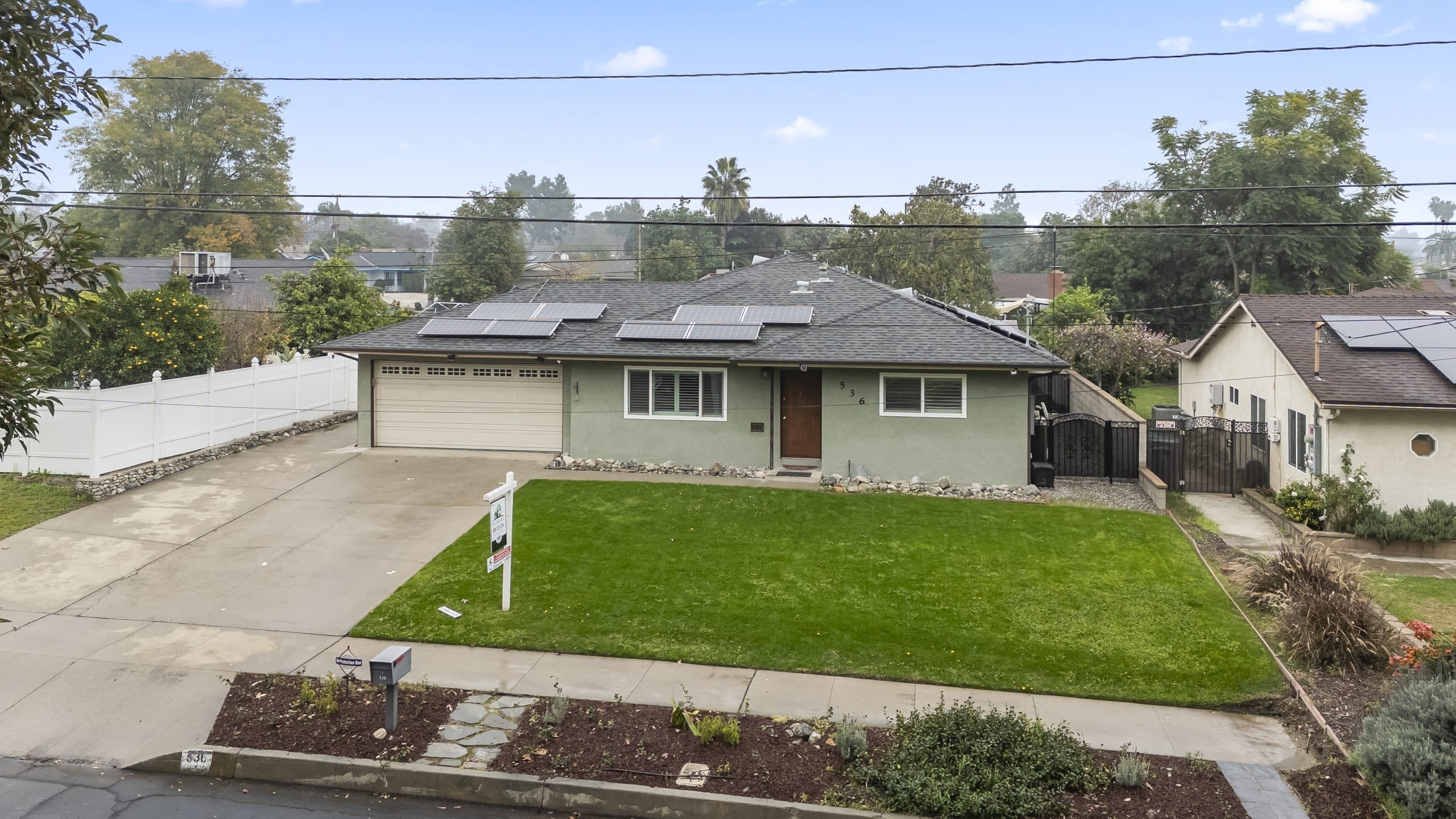
A small detached home in the surrounding blocks keeps autonomy and a bit of garden while shrinking the scale. You keep the maintenance, but it is proportionate. For people who cannot imagine not owning their own roof, this is often the honest fit.
Each of these is compared side by side in the options for downsizing without leaving Claremont.
How to test it before you commit
Do not evaluate the Village on a Saturday morning in spring. That is the sales version.
Go on a Tuesday at nine at night and see what the street sounds like. Go on a Sunday afternoon when parking is at its worst. Go in August and walk the distance you claim you would walk, in the heat, carrying something.
Then run your actual week rather than an imagined one. Where do you already go? Doctors, church or temple, the gym, friends, the grandchildren. Map those against the new address. It is common to find that half the week gets easier and a quarter of it gets meaningfully harder, and that is fine as long as you saw it coming.
Renting for a season is the most underrated way to test this, and it is not a failure of nerve. Living in a compact walkable place for six months tells you things no amount of touring will.
Sequencing, and the money question
Village inventory in the size range downsizers want is not deep, and the good ones tend to move. That creates pressure to buy before selling, which is a legitimate strategy and a risky one.
Buying first means you can move once, at your own pace, into a place you chose rather than settled for. The risk is carrying two properties, and depending on the financing that risk can be significant and is entirely on you if the sale takes longer than expected.
Selling first removes that exposure and replaces it with a different one: you may not find the right Village home in your window, and a rushed purchase to avoid a rushed move is how people end up somewhere that does not fit. Renting between the two is what defuses this, at the cost of moving twice.
Neither is the right answer generally. The right answer depends on how much carrying risk you can absorb and how much you would hate moving twice. Both sides are laid out in the buy-first or sell-first dilemma.
On the monthly math, count the whole picture. Assessments, insurance, and utilities in a smaller place are not automatically lower, and anything involving your property tax assessment belongs with a CPA and the Los Angeles County Assessor rather than a general estimate. California's rules for older homeowners are real, conditional, and specific to the parcel.
And it is fine to decide no
Plenty of people run this exercise and conclude they like their quiet street more than they want the coffee shop. That is not a failure of the plan. The Village is a particular way of living and it does not suit everybody, and someone who values silence and a garden may be much better served by a smaller detached home somewhere else in town.
Staying put is also on the table, permanently or for now. Nobody has to move on an anniversary.
If you want to walk a few Village properties with someone who will tell you where the noise and parking problems actually are, that is a conversation worth having early. For the rest of the cluster, start at the Claremont downsizing guide.
Anthony Grynchal has been licensed in California since November 2009.
Frequently asked questions
Is the Claremont Village too noisy for someone leaving a quiet street?
It can be, and it is the most common adjustment complaint. A walkable district has evening foot traffic, restaurant activity, and event weekends. Visit on a weeknight and on a busy weekend before deciding, rather than only on a quiet weekend morning.
Can I still host family if I downsize near the Village?
Only if you require it up front. Two-bedroom homes near the Village work well day to day and get tight at holidays. If grandchildren staying over matters to you, write it into your requirements before you shop rather than discovering the problem later.
Should I buy in the Village before selling my current home?
It depends on how much carrying risk you can absorb. Buying first lets you move once and choose deliberately, but you may hold two properties. Selling first removes that exposure but may leave you without a suitable home in your window. Renting between the two defuses it at the cost of moving twice.
Are monthly costs lower in a Village condo?
Not automatically. Maintenance moves from your Saturdays to a monthly assessment, and insurance and utilities vary. Count the full monthly picture, and take anything involving your property tax assessment to a CPA and the Los Angeles County Assessor.

Written by
Anthony Grynchal
Anthony Grynchal is a California real estate professional with eXp Realty, licensed since November 2009 (California DRE# 01873626), and the Designated Local Expert™ for Claremont — where he has lived for more than 33 years.
More about AnthonyPublished · Updated